
Hidden Pantries Drive Kitchen Upgrade Spending in 2026
Hidden pantries represent a significant shift in kitchen design for 2026. Homeowners seek spaces that combine functionality with aesthetic appeal, and these concealed storage solutions deliver both. As open-concept layouts dominate modern homes, the demand for discreet organization grows, positioning hidden pantries as a key driver of renovation budgets.
This trend emerges from a broader desire for streamlined living. Families juggle busy schedules, and kitchens serve as multifunctional hubs. Hidden pantries address clutter while preserving the clean lines of contemporary design, making them essential for upgrades planned in the coming year.
The Rise of Hidden Pantries in Modern Kitchens
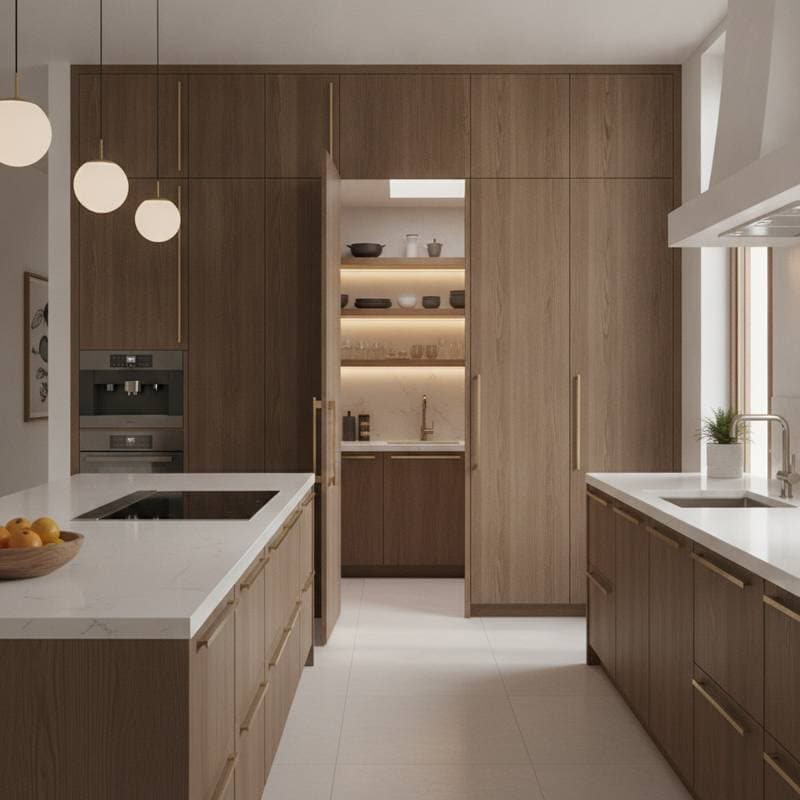
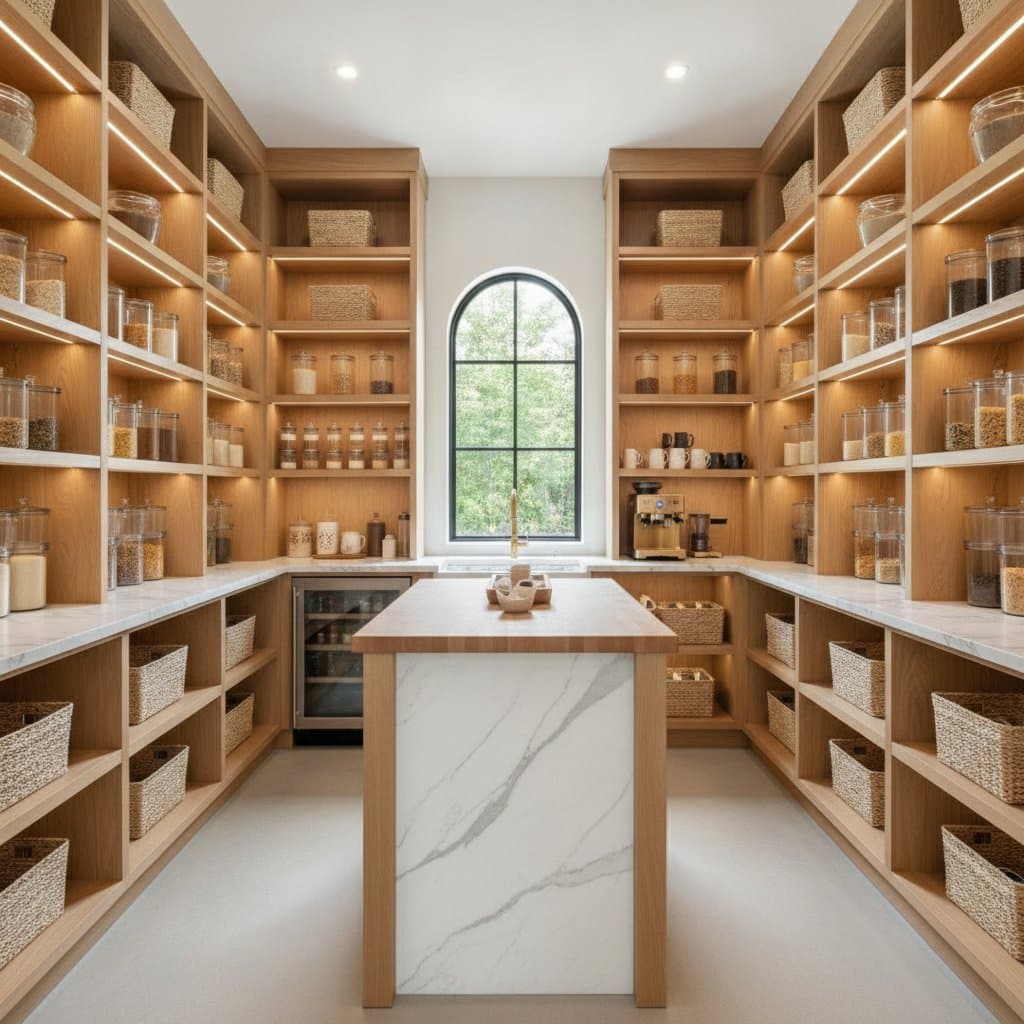
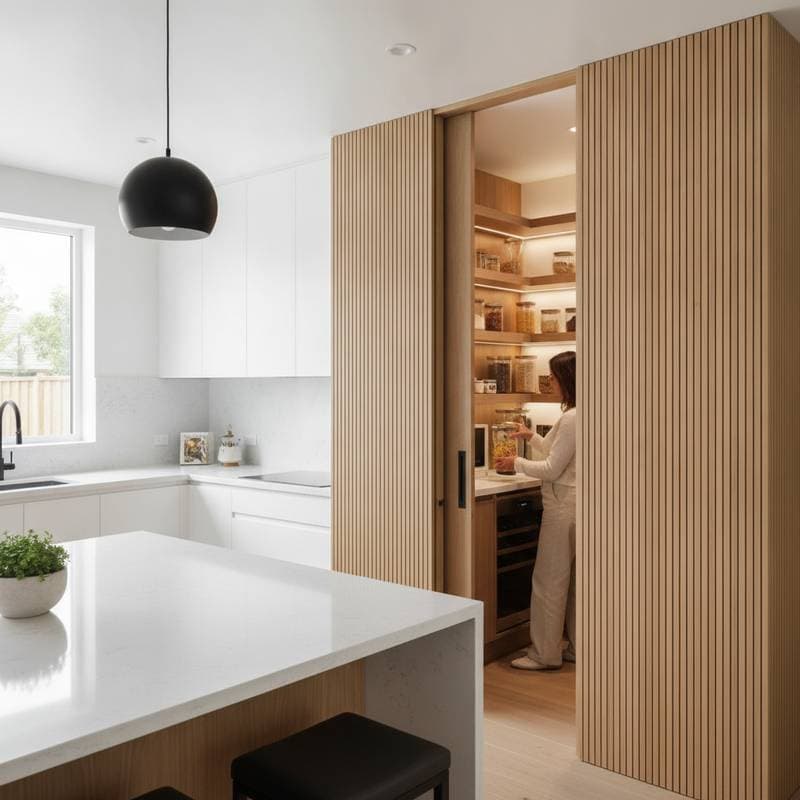
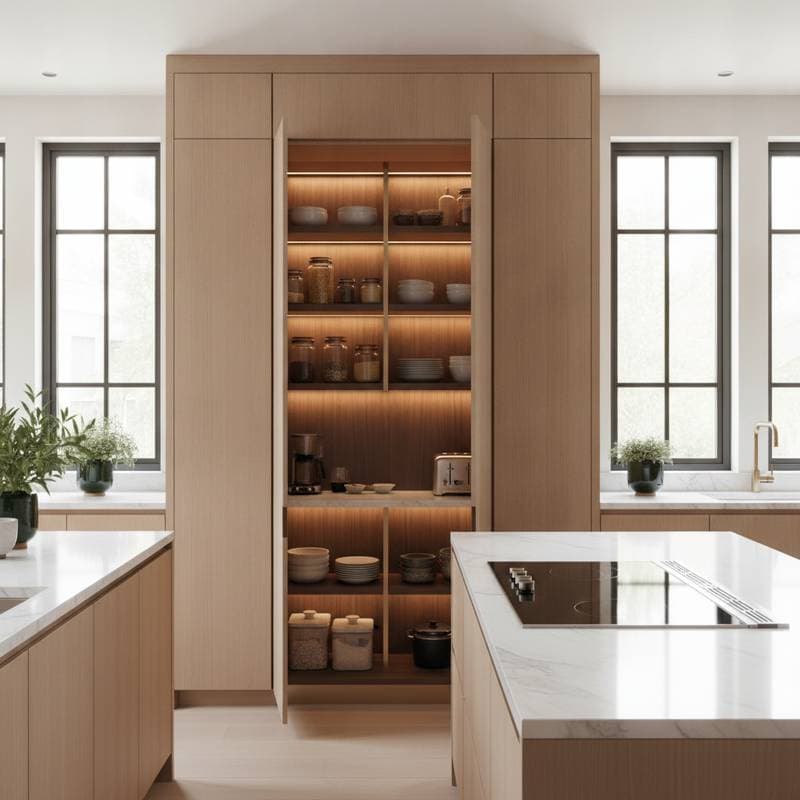
Hidden pantries conceal food storage behind cabinetry or walls, creating seamless kitchen environments. Unlike traditional pantries with visible doors, these integrate into the overall layout, often disguised as cabinet fronts or sliding panels. Designers note that this approach aligns with minimalist principles, where every element serves a purpose without visual distraction.
The popularity stems from evolving lifestyle needs. With remote work blurring boundaries between home offices and cooking areas, kitchens require efficiency. A hidden pantry keeps essentials out of sight, allowing countertops to remain clear for meal preparation or casual gatherings. Industry surveys indicate that over 60 percent of homeowners prioritize storage innovations in remodels, with hidden options leading the pack.
Sustainability plays a role as well. Materials like reclaimed wood or low-VOC finishes reduce environmental impact, appealing to eco-conscious consumers. As 2026 approaches, builders anticipate a 25 percent increase in pantry-inclusive projects, reflecting broader market shifts toward practical luxury.
Why Homeowners Invest in This Trend
Clutter disrupts the flow of daily life, and hidden pantries eliminate it effectively. Bulk items such as grains, canned goods, and appliances find a dedicated home, freeing up space in primary cabinets. This organization enhances meal planning, as users access ingredients quickly without rummaging through drawers.
Resale value benefits stand out prominently. Real estate experts report that homes with smart storage features sell 10 to 15 percent faster. Buyers view hidden pantries as a premium upgrade, signaling thoughtful design that withstands time. In competitive markets, such elements differentiate properties and justify higher asking prices.
Efficiency extends to daily routines. Parents stock snacks out of reach from children, while entertainers maintain a polished appearance during guests. The psychological boost from a tidy space cannot be overstated; studies link organized environments to reduced stress and improved productivity.
Cost Breakdown for Hidden Pantry Installations
Budgeting forms the foundation of any kitchen upgrade. Basic hidden pantries start at $7,500 for standard installations in mid-sized kitchens. This figure covers essential framing, shelving, and integration with existing cabinetry using laminate or painted MDF materials.
Mid-range options climb to $12,000, incorporating pull-out drawers, adjustable shelves, and soft-close mechanisms. Custom designs with glass fronts or integrated lighting push costs toward $18,000, especially in larger layouts or with premium woods like oak or walnut. Factors such as location influence pricing; urban areas add 20 percent due to labor rates.
Hidden costs merit attention. Electrical work for lighting or outlets adds $500 to $1,500, while structural modifications for load-bearing walls increase expenses by up to $3,000. Homeowners save by selecting modular systems that adapt to current spaces, avoiding full gut renovations.
Timelines and Installation Process
Projects unfold over 2 to 6 weeks, depending on scope and contractor availability. Initial consultations and design phases take one week, allowing for measurements and material selection. Fabrication follows, with custom elements requiring additional time for precision crafting.
Installation spans 1 to 3 weeks, involving demolition if needed, followed by assembly and finishing. Disruptions remain minimal, as work focuses on one area. Final touches, such as painting and hardware installation, ensure a flawless fit within the kitchen's aesthetic.
Lifespans range from 15 to 25 years with proper maintenance. Regular cleaning prevents wear on hinges and shelves, while avoiding overload preserves structural integrity. Many systems come with warranties covering defects, providing long-term assurance.
Design Tips for Seamless Integration
Start with layout assessment. Measure kitchen dimensions to determine pantry placement, ideally near food prep zones for convenience. Vertical space maximizes utility; tall units accommodate oversized items like stand mixers or beverage cases.
Material choices define durability and style. Opt for solid-core doors that match surrounding cabinets, ensuring invisibility. Interior organization includes tiered shelving for jars, lazy Susans for corners, and dividers for baking supplies. Lighting options, such as LED strips, illuminate contents without drawing exterior attention.
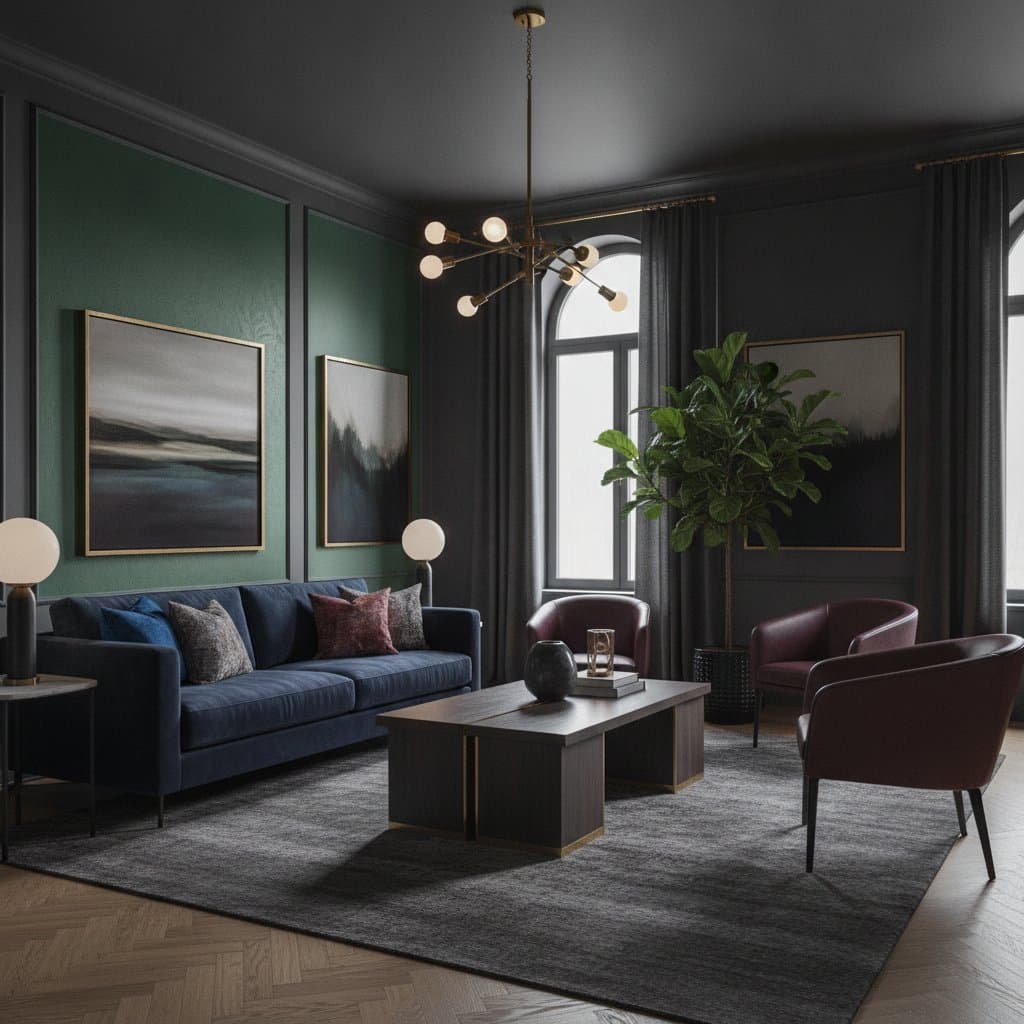
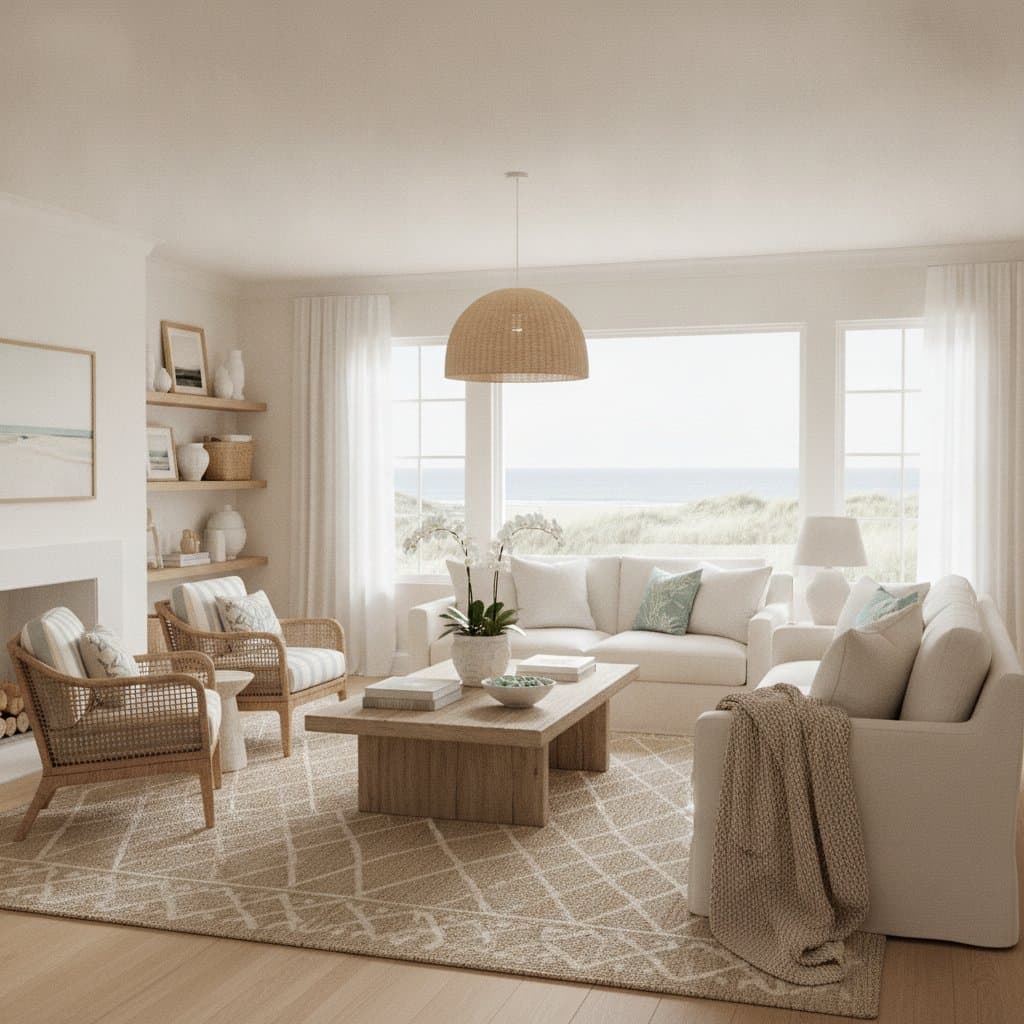
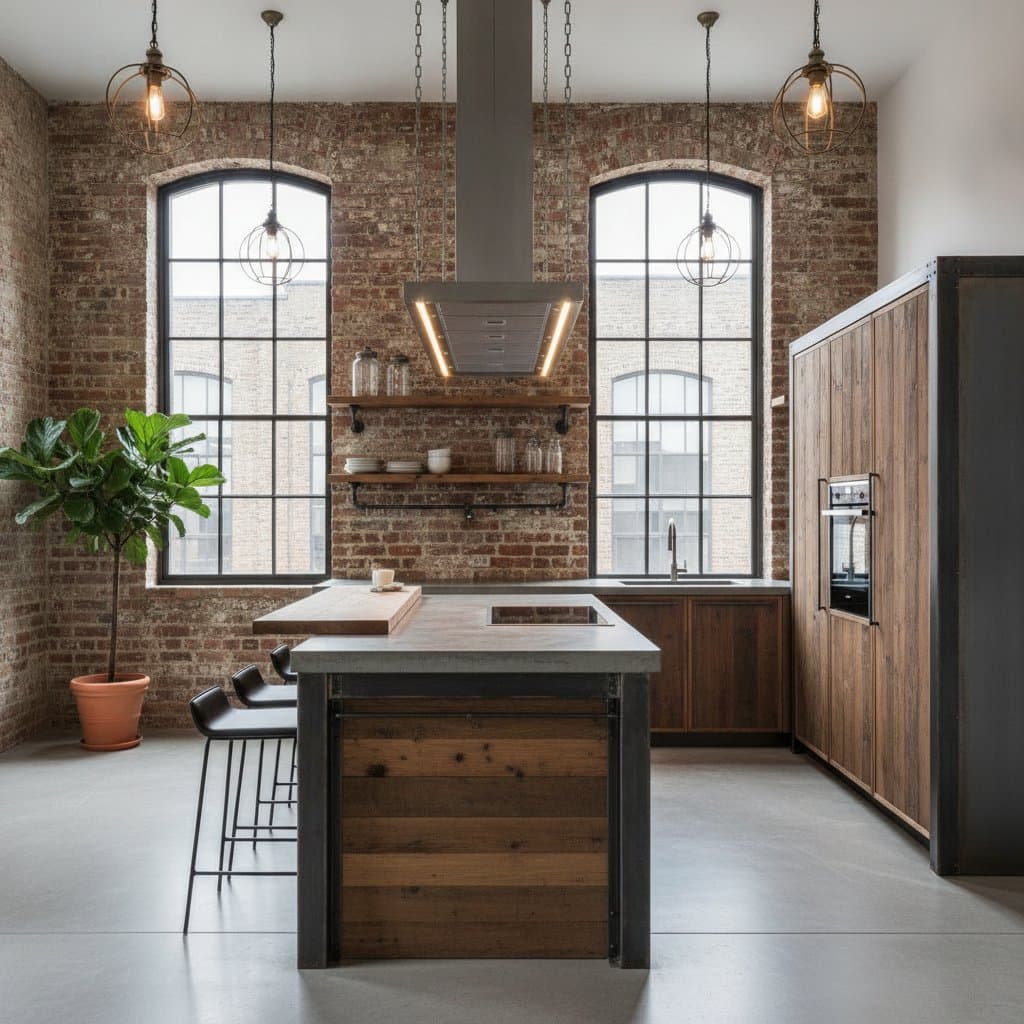
Customization elevates functionality. Incorporate charging stations for small appliances or spice racks with labeled bins. For families, child-safe locks secure hazardous items. Consult professionals to blend the pantry with themes, from industrial to coastal, maintaining harmony.
- Evaluate space constraints and usage patterns.
- Select materials that align with kitchen finishes.
- Plan interior layouts for optimal accessibility.
- Budget for add-ons like automation features.
- Review contractor portfolios for quality assurance.
Smart Features to Enhance Hidden Pantries
Technology integrates effortlessly into 2026 designs. Motion-sensor lighting activates upon approach, conserving energy while improving usability. App-controlled inventory systems track stock levels, sending reorder alerts to smartphones.
Voice-activated doors open hands-free, ideal during cooking. Ventilation fans maintain freshness, preventing odors from permeating the kitchen. These enhancements add $1,000 to $4,000 but deliver convenience that justifies the investment.
Accessibility considerations ensure inclusivity. Lower shelves suit wheelchair users, while pull-down racks bring high items within reach. Universal design principles make pantries adaptable for aging in place, future-proofing homes.
Long-Term Benefits and ROI
Hidden pantries transform kitchens into efficient sanctuaries. Homeowners gain peace of mind from organized spaces that support healthy habits, like portion-controlled storage for perishables. Energy savings arise from reduced appliance clutter on counters, lowering utility bills.
Market data underscores the return on investment. Renovations featuring advanced storage recoup 70 to 85 percent of costs upon sale. Beyond finances, the emotional value lies in spaces that foster family connections without the chaos of disarray.
As 2026 unfolds, embracing this trend positions kitchens at the forefront of home innovation. Practical steps today yield enduring rewards, blending form, function, and foresight.