Dark Paint Trends Driving an 11% Home Value Surge in 2026
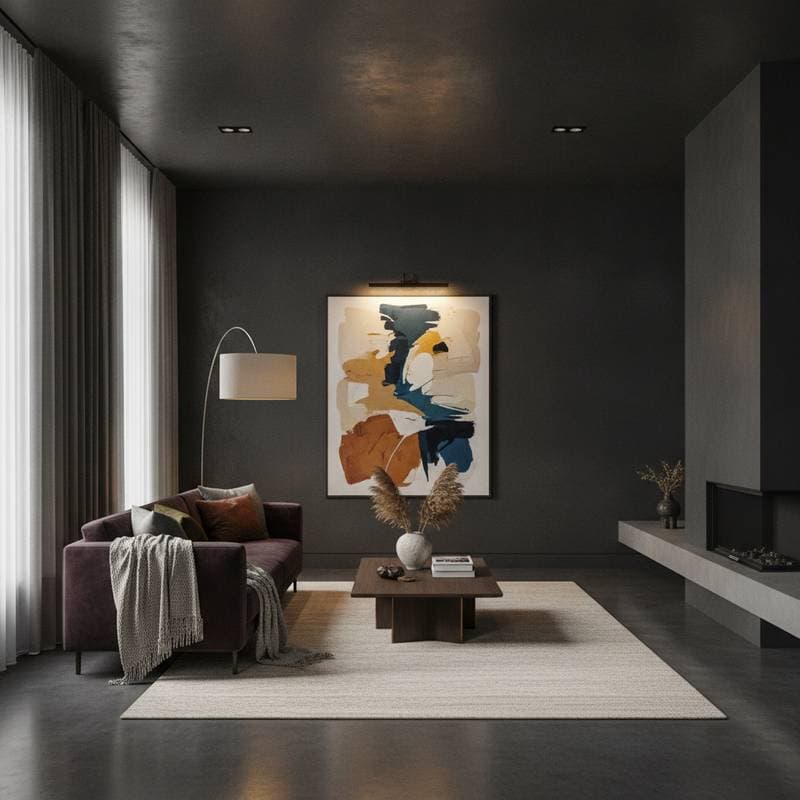
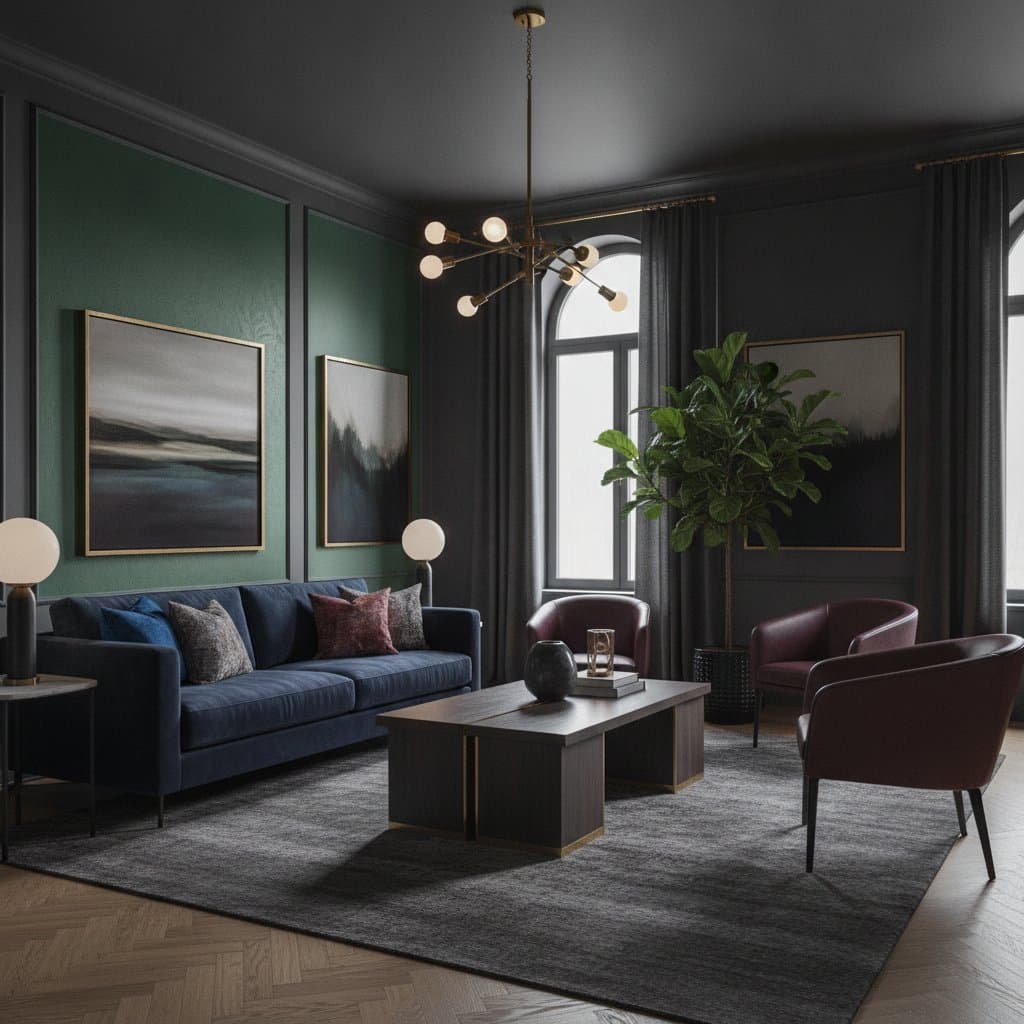
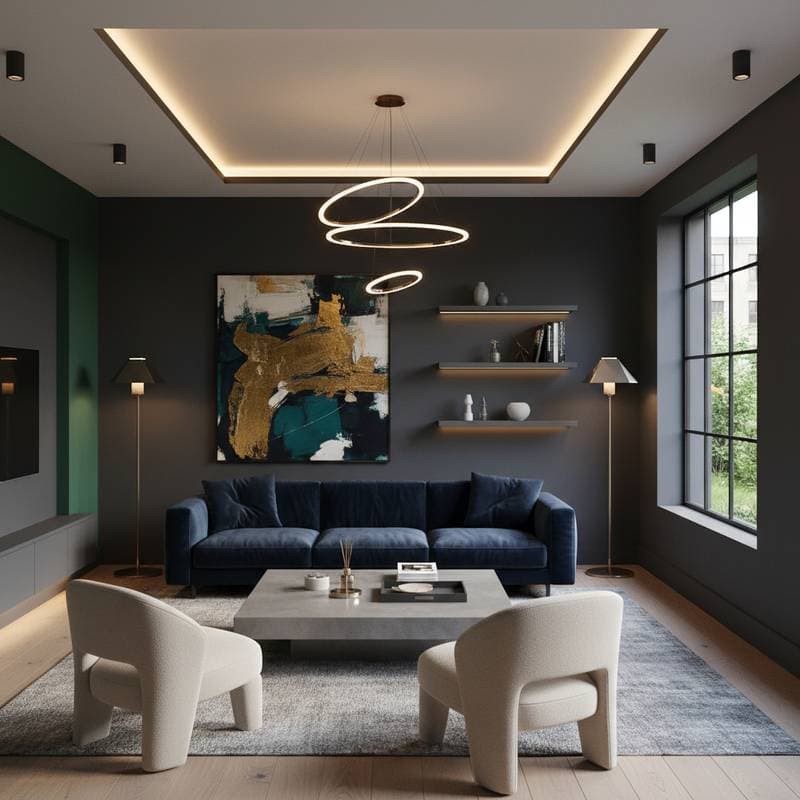
Homes featuring dark, moody paint tones command higher resale prices, with gains reaching approximately 11 percent when paired with balanced lighting and high-quality finishes. Deep blues, soft charcoals, and lush greens transform interiors into spaces that evoke modern luxury without sacrificing openness. Homeowners who integrate thoughtful lighting solutions and cohesive design elements report the strongest returns, particularly in high-impact areas such as living rooms and kitchens.
This trend reflects a shift in buyer preferences toward sophisticated, enveloping atmospheres that feel both contemporary and timeless. Professional stagers and real estate experts note that these colors enhance perceived value by creating depth and drama. To achieve similar results, focus on preparation, material selection, and illumination strategies that complement the bold hues.
Key Cost Factors
Investing in dark paint requires consideration of several expense categories to ensure a worthwhile return on investment.
1. Paint Quality
Premium paints formulated for low-sheen finishes and high pigment density range from $60 to $90 per gallon. These options provide superior coverage, often requiring only one or two coats, which reduces overall labor time. Select brands known for durability in low-light conditions to maintain vibrancy over time.
2. Wall Preparation
Proper surface treatment, including cleaning, sanding, and priming, adds $0.75 to $1.50 per square foot. Dark shades amplify imperfections, so invest in thorough prep work to achieve a flawless base. Professionals recommend using high-build primers for previously textured or repaired surfaces.
3. Lighting Enhancements
Upgrading fixtures or installing smart bulbs to counteract the intensity of dark walls costs $100 to $400 per room. Layered lighting—combining ambient, task, and accent sources—prevents rooms from appearing dim. Consider dimmable LED systems for flexibility in mood and energy efficiency.
4. Professional Labor
Hiring painters typically runs $3 to $6 per square foot, inclusive of materials. Simpler projects like accent walls incur lower fees, while intricate details such as trim painting or ceiling applications increase costs. Obtain multiple quotes to compare expertise in handling specialty finishes.
5. Design Enhancements
Incorporating accent trim, matte varnishes, or textured overlays boosts expenses by 10 to 20 percent. These additions elevate the aesthetic and appeal to discerning buyers, though they extend project timelines. Balance these elements with neutral furnishings to avoid overwhelming the space.
DIY Versus Professional Painting
Deciding between self-directed efforts and expert assistance depends on project scope, skill level, and desired outcomes.
Opt for DIY If
- Existing walls are smooth and free of major defects from prior painting.
- Basic equipment, including brushes, rollers, and trays, is available, along with sufficient time for multiple coats.
- Furniture relocation and floor protection can be managed without complications.
In these scenarios, follow manufacturer guidelines for application to ensure even results. Practice on inconspicuous areas to refine technique.
Choose Professionals If
- Structural repairs, such as patching or skim coating, are necessary.
- Finishes like matte or deep blacks demand precision to avoid visible streaks or inconsistencies.
- The work involves ceilings, cabinetry, or multi-level elements like stairwells.
- Uniform color application across several rooms is essential for cohesion.
Experts bring specialized tools and knowledge, minimizing errors and accelerating completion.
Essential Skill and Safety Guidelines
- Wear an N95 respirator during sanding to protect against dust particles.
- Disconnect electrical power prior to handling light fixtures.
- Ensure adequate ventilation to disperse paint fumes effectively.
- Position ladders securely and use non-slip drop cloths for stability.
Adhering to these practices safeguards health and promotes professional-grade results.
Long-Term Maintenance and Warranty Insights
Dark paints demonstrate resilience with appropriate upkeep, preserving their appeal for years. Opt for washable matte or satin sheens in areas prone to activity. Reputable manufacturers offer warranties spanning 5 to 10 years against issues like fading or peeling, provided application follows specified protocols.
Practical Maintenance Strategies
- Wipe surfaces with a soft, damp cloth using mild soap solutions; avoid abrasive cleaners that dull finishes.
- Address minor chips promptly with matching touch-up paint to maintain seamless appearance.
- Monitor and replace bulbs to sustain optimal illumination levels.
- Inspect caulking and trim annually to mitigate moisture ingress.
Common Areas of Wear
- Corners and high-contact edges scuff most readily in busy households.
- Flat sheens may attract fingerprints if not fully cured before use.
- Inadequate preparation leads to peeling in humid zones near windows.
Prolong durability through quality primers, controlled indoor humidity levels, and minimized prolonged sun exposure on treated walls. Regular care ensures the investment continues to enhance home aesthetics and value.
Steps to Implement Dark Paint Successfully
Approach this renovation with a structured plan to maximize benefits and minimize risks.
-
Sample and Evaluate. Apply test patches on boards and observe under various lighting conditions, from natural daylight to artificial evening glow.
-
Develop a Detailed Budget. Account for preparation, materials, lighting upgrades, and any finishing touches to avoid surprises.
-
Begin with a Pilot Area. Experiment on a single accent wall or hallway to assess the overall ambiance before full commitment.
-
Record Specifications. Document color codes, sheen levels, and supplier details for easy future matching and repairs.
-
Align with Market Timing. For imminent sales, engage professionals to deliver polished execution and quicker project turnaround.
Dark paint strategies, when executed thoughtfully, deliver enduring style and financial advantages. Integrate these elements to create inviting spaces that resonate with contemporary tastes and elevate property appeal.