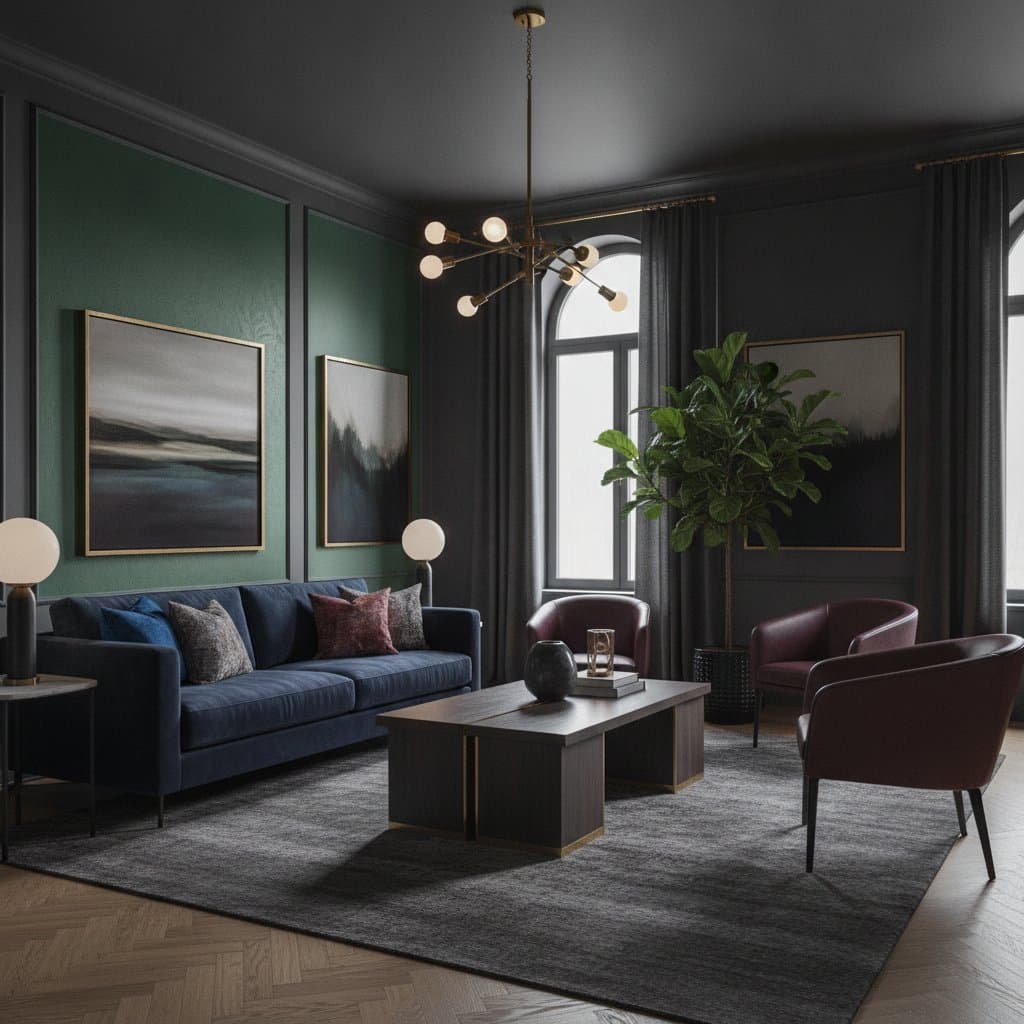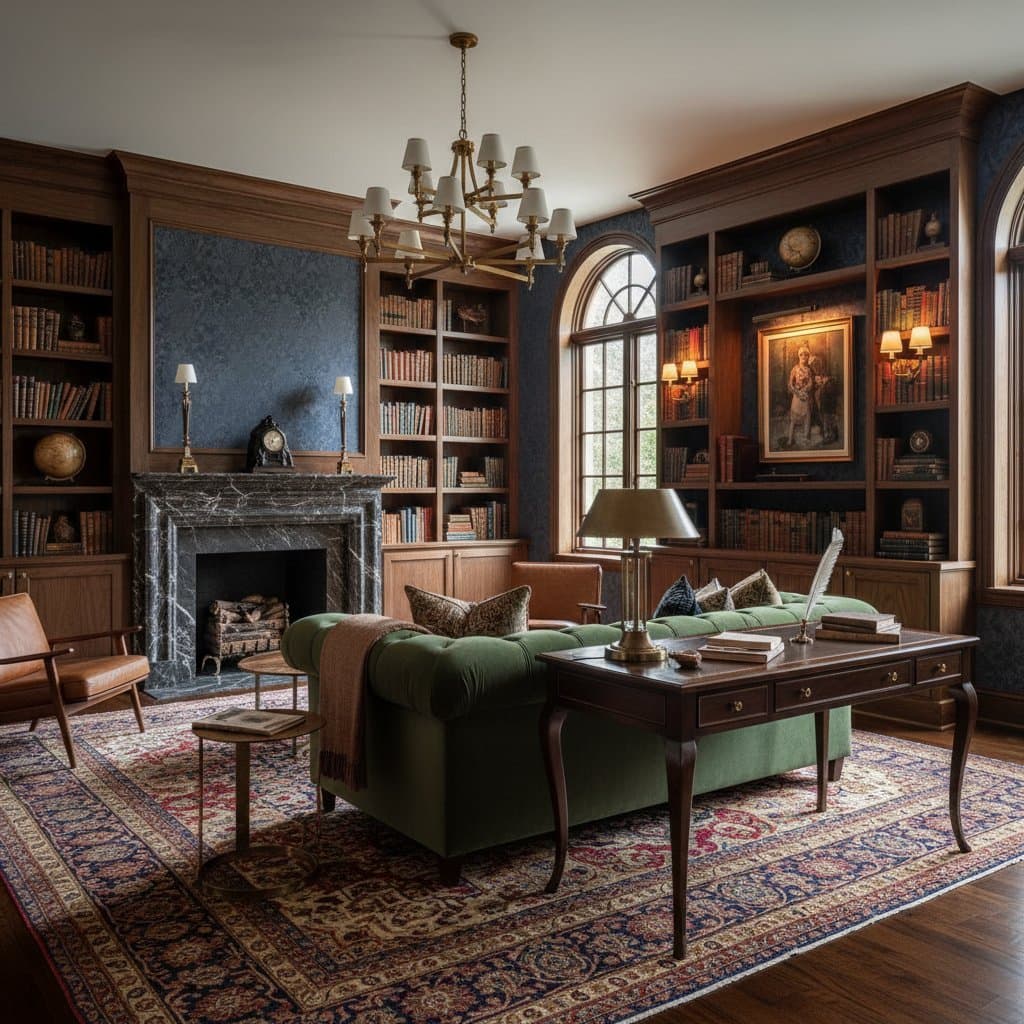
Why Dark Academia Drives an 11 Percent Increase in Home Resale Values for 2026
Dark Academia design elevates home resale values by approximately 11 percent. Buyers seek out its moody textures, multifaceted lighting, and spaces reminiscent of scholarly libraries. This style conveys timelessness, intelligence, and comfort simultaneously.
The appeal extends beyond surface aesthetics. Homes featuring this design communicate superior craftsmanship and genuine emotional resonance. Such qualities instill a sense of durability, which directly influences market pricing.
Reasons Buyers Pay a Premium
Buyers view Dark Academia homes as investments rich in character. The aesthetic implies stability and refined discernment. Even modest spaces acquire a sense of grandeur through strategic use of texture and subtle shadows.
Key factors contribute to this 11 percent value enhancement:
- Visual depth captivates. Listings showcasing warm illumination and subdued color schemes distinguish themselves from sterile, all-white interiors.
- Subtle luxury endures. Materials appear premium yet restrained, fostering associations with enduring quality.
- Cultural resonance connects. References to literary classics and artistic traditions create an air of sophistication without ostentation.
- Comfort provides refuge. Following an era of stark minimalism, individuals desire environments that offer solace and intrigue.
- Staging simplifies effectively. Photographers appreciate the inherent contrast and dimension in darker settings, enhancing visual impact.
Estimated Implementation Costs
| Task | Typical Cost Range | Factors Influencing Price |
|---|---|---|
| Paint and wall preparation | $250 to $1,000 | Room dimensions, required coats |
| Lighting enhancements | $300 to $1,500 | Fixture complexity, electrical modifications |
| Built-in shelving | $1,200 to $4,000 | Material selection, customization level |
| Furniture updates | $800 to $3,000 | Acquisition type (new or antique), fabric choices |
| Decorative elements | $200 to $1,000 | Selection of artwork, fabrics, and accents |
Costs fluctuate based on geographic location and professional fees. Homeowners often commence with foundational changes like painting and lighting, gradually incorporating additional features.
DIY Approaches Versus Professional Services
Opt for DIY when:
- Individuals possess skills in painting and furniture assembly.
- Sourcing vintage pieces and arranging displays brings enjoyment.
- Basic knowledge of plug-in lighting systems exists.
Engage professionals when:
- Custom cabinetry or wall paneling is desired.
- Hardwired lighting or electrical updates are necessary.
- Floor refinishing or plaster restoration is planned.
Professional advantages include:
- Precise execution.
- Concealed wiring for seamless integration.
- Refined finishing touches that amplify overall elegance.
Compliance considerations:
Electrical installations and structural modifications typically necessitate permits. Verify adherence to local building codes prior to commencement.
Adaptations for Regional and Climatic Conditions
- In humid environments: Select mold-resistant paints and ensure adequate airflow.
- In cooler regions: Incorporate additional insulation beneath paneling to mitigate moisture buildup from condensation.
- In warm, sun-exposed areas: Employ UV-protective coatings to safeguard against color degradation.
- In coastal locations: Choose corrosion-resistant metals for hardware and fixtures.
For historic properties, inspect for hazardous materials such as asbestos or lead-based paint before any surface disturbance. Professional testing is essential.
The Emotional Appeal of Dark Academia
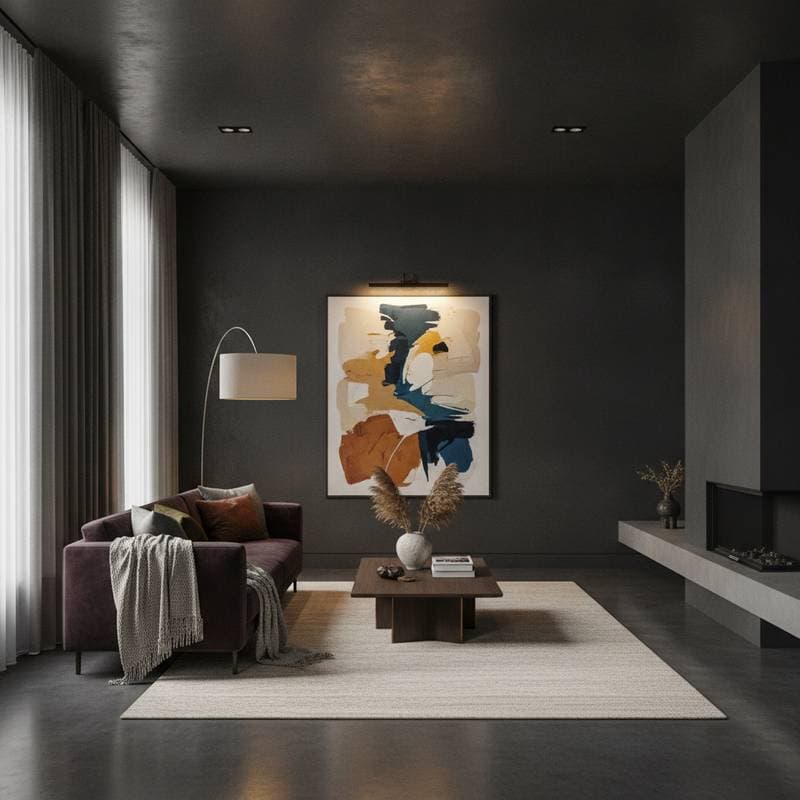
Dark Academia resonates deeply because it evokes security, seclusion, and significance. Deep hues provide a soothing psychological anchor. Varied textures encourage sensory engagement, while diffused warm lighting suggests narratives rooted in heritage.
This design aligns seamlessly with contemporary lifestyles. Remote work, reading, and digital entertainment occur within the home, demanding personalized, multifaceted environments over impersonal uniformity.
The style promotes mindful pacing. Envision settling into a plush armchair with a novel and steaming beverage. This intrinsic emotional connection elevates perceived worth, as buyers intuitively recognize the intangible benefits.
Strategies for Sustained Upkeep
Darker finishes demand attentive maintenance. Dust accumulates visibly on shaded surfaces, yet gradual wear often enhances the patina.
Essential care practices:
- Employ microfiber cloths to prevent residue buildup.
- Refresh paint in frequented zones annually.
- Apply oil treatments to wooden elements every few months.
- Swap out bulbs in sets to maintain uniform illumination.
Steer clear of abrasive cleaning agents. The development of natural aging contributes to the style's authentic charm.
Effective Staging Techniques for Resale
- Target primary spaces. Prioritize areas like studies, lounges, or primary bedrooms for transformation.
- Harmonize illumination and obscurity. Part curtains modestly to introduce natural radiance.
- Curate accessories judiciously. Excess items risk overwhelming the composition.
- Incorporate balancing elements. Select occasional pale accents to counteract any sense of enclosure without diluting the mood.
- Emphasize quality in descriptions. Highlight durable woods, authentic antiques, and bespoke installations within property listings.
Authenticity and superior execution resonate with prospective buyers. The objective centers on cultivating ambiance through genuine enhancements.
Pitfalls to Avoid
- Excessive dimness. Insufficient differentiation can diminish spatial perception; integrate pale borders or floor coverings for relief.
- Neglecting illumination layers. Reliance on singular ceiling fixtures dulls the atmosphere; combine table lamps, sconces, and ambient sources.
- Inconsistent stylistic fusion. Maintain uniformity in materials to preserve cohesion.
- Overlooking preparation. Visible imperfections in application or disarray undermine immersion.
Deliberate planning yields the illusion of spontaneity. Exemplary Dark Academia interiors emerge from thoughtful foresight.
Expert Recommendations for Implementation
- Test color swatches under varying light conditions, as deep shades alter dramatically.
- Select bulbs rated at 2700K to 3000K for a welcoming glow.
- Position furnishings to allow shadow dynamics to unfold naturally.
- Introduce complementary aromas, such as leather, aged wood, or subtle pipe tobacco, to reinforce the sensory experience.
- Document transformations photographically to refine lighting prior to final decisions.
Cultivating this ambiance requires steady effort over flawless immediacy.
Frequently Asked Questions
How does Dark Academia differ from Gothic design?
Dark Academia adopts a gentler, intellectually inspired tone. Gothic elements emphasize elaborate motifs and stark blacks.
Does dark paint reduce perceived room size?
It fosters intimacy, yet strategic lighting and tonal variations preserve spaciousness.
Is this aesthetic suitable for compact apartments?
Absolutely. Concentrate on accent walls, tactile details, and portable warm lighting rather than comprehensive overhauls.
Does maintenance prove costly?
Generally not. Routine tasks like dusting and spot repairs suffice.
Do preferences for this style vary by region?
Demand peaks in metropolitan and heritage-rich locales, though adaptable materials ensure broad compatibility.
Implementing Dark Academia Step by Step
Initiate with a single space. Select a foundational hue, introduce complementary textures, and install graduated lighting. Subsequent refinements build organically.
Dark Academia transcends fleeting fashions, embodying intentionality and tranquility. Properties exuding such deliberation consistently attract higher offers.
Environments of shadowed walls and gentle luminescence retain perennial allure.