Why Aging-in-Place Retrofits Yield 15% ROI by 2026
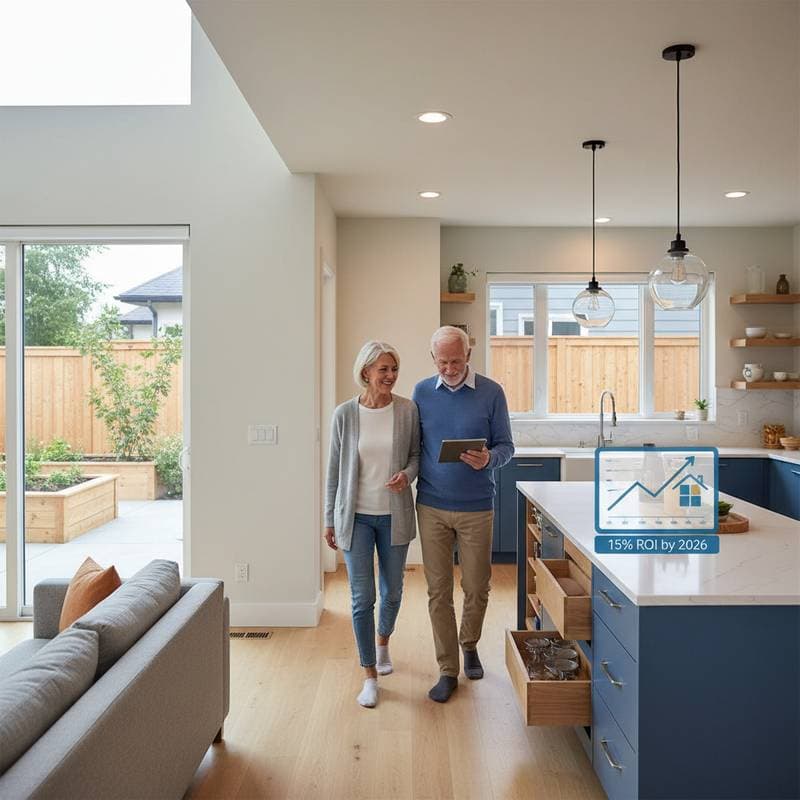
Aging-in-place retrofits deliver substantial returns. Homeowners experience enhanced comfort, improved safety, and increased resale value. Market analysis indicates these modifications can generate a 15% return on investment when implemented effectively.
The underlying principle is straightforward. Residences designed to accommodate all life stages appeal to a broader range of potential buyers. These adaptations also minimize future renovation expenses and lower the risk of injuries.
Step-by-Step Plan to Retrofit for Aging in Place
-
Conduct an accessibility audit of your layout. Identify potential hazards such as multiple stairs, hallways narrower than 36 inches, and floors prone to slipping. Use a professional checklist or consult local resources to evaluate thresholds, lighting levels, and circulation paths.
-
Prioritize essential updates. Target the entryway, bathroom, and kitchen as initial focus areas. These spaces influence daily mobility and contribute significantly to overall property value.
-
Engage a certified specialist. Collaborate with an aging-in-place designer or occupational therapist to align modifications with practical needs. This expertise ensures features like adjustable counter heights integrate seamlessly into existing aesthetics.
-
Obtain detailed estimates from licensed contractors. Request breakdowns covering materials, required permits, labor costs, and timelines. Compare at least three bids to secure competitive pricing without compromising quality.
-
Implement changes in phases. Initiate with foundational structural adjustments, such as widening doorways, followed by aesthetic and functional finishes like hardware installations.
This structured, phased method controls expenses and minimizes household disruptions during the process.
Timeline for Completion
Project duration typically ranges from one to six weeks, based on the extent of modifications.
-
Minor adjustments, including the installation of grab bars or lever-style door handles, require about one day.
-
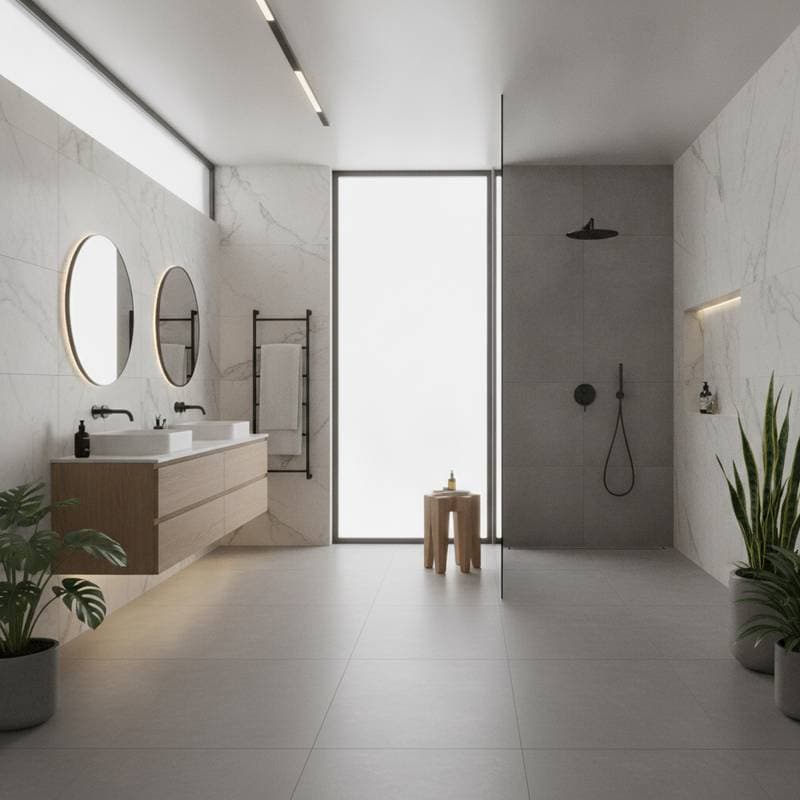
Moderate renovations, such as converting to a walk-in shower or replacing flooring with slip-resistant options, span one to two weeks.
-
Comprehensive overhauls involving multiple rooms may extend to a month or longer.
Allocate additional time for obtaining permits, scheduling inspections, and sourcing specialized materials to avoid delays.
DIY Options Versus Professional Services
Consider DIY for straightforward tasks if:
- Installing grab bars or switching to lever handles.
- Updating lighting fixtures or applying high-contrast paint to highlight edges.
- You possess foundational skills in carpentry or basic electrical work.
Opt for professional assistance when:
- Modifying load-bearing walls, plumbing systems, or electrical wiring.
- Reshaping staircases or expanding door openings to meet accessibility standards.
- Permits or official inspections are necessary.
Professionals guarantee adherence to building codes and provide warranties on workmanship. Their involvement also mitigates risks associated with electrical or plumbing alterations.
Considerations for Regional and Climate Variations
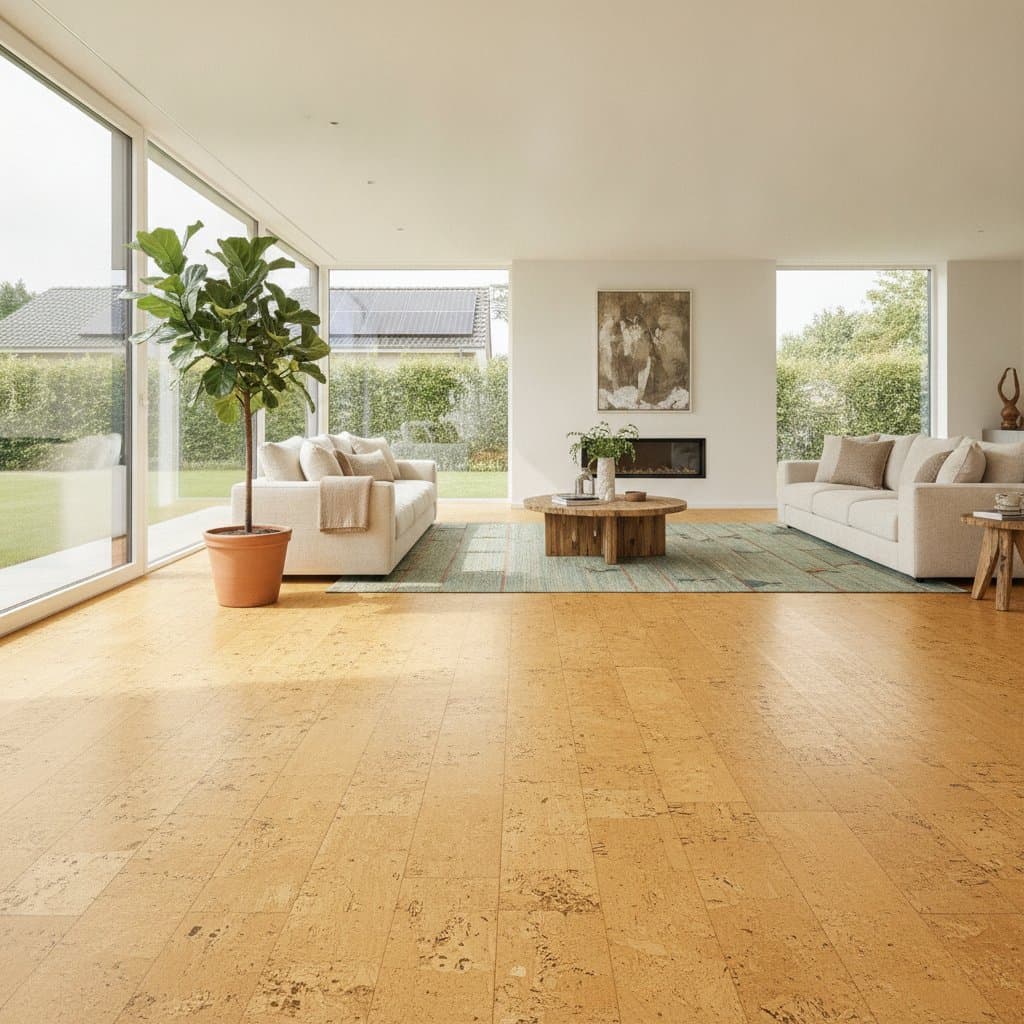
In colder regions, incorporate non-slip heated flooring in entryways and bathrooms to prevent falls on icy surfaces. Humid or warm climates call for durable, moisture-resistant selections like vinyl plank flooring or sealed ceramic tiles to resist mold and wear.
Coastal or flood-vulnerable areas benefit from elevated entry points and robust water barriers to safeguard structural integrity. Always verify compliance with local building regulations prior to enlarging doorways or rerouting plumbing lines. Certain municipalities mandate specific accessibility permits or engineering reviews; secure approvals before any demolition or construction begins.
Factors Ensuring Lasting Value in These Retrofits
Aging-in-place enhancements elevate both daily livability and market desirability. In contrast to purely cosmetic updates, these modifications address core functional challenges. They prolong the home's usability across generations of occupants.
Prospective buyers prioritize properties that promote safety and ease of maintenance. Universal design elements evoke a sense of enduring comfort rather than limitation. This psychological appeal often results in stronger bidding interest and elevated sale prices.
Within rental scenarios, accessible properties secure up to 10% premium rents by attracting diverse tenants and reducing vacancy periods. For owner-occupiers, diminished upkeep demands and fewer injury incidents yield significant savings over decades.
Expert Recommendations for Optimal Results
-
Integrate aesthetics with utility. Select grab bars that coordinate with existing hardware for a cohesive appearance, avoiding an institutional feel.
-
Emphasize strategic lighting. Position fixtures to illuminate pathways and task areas, thereby decreasing fall risks while enhancing ambiance.
-
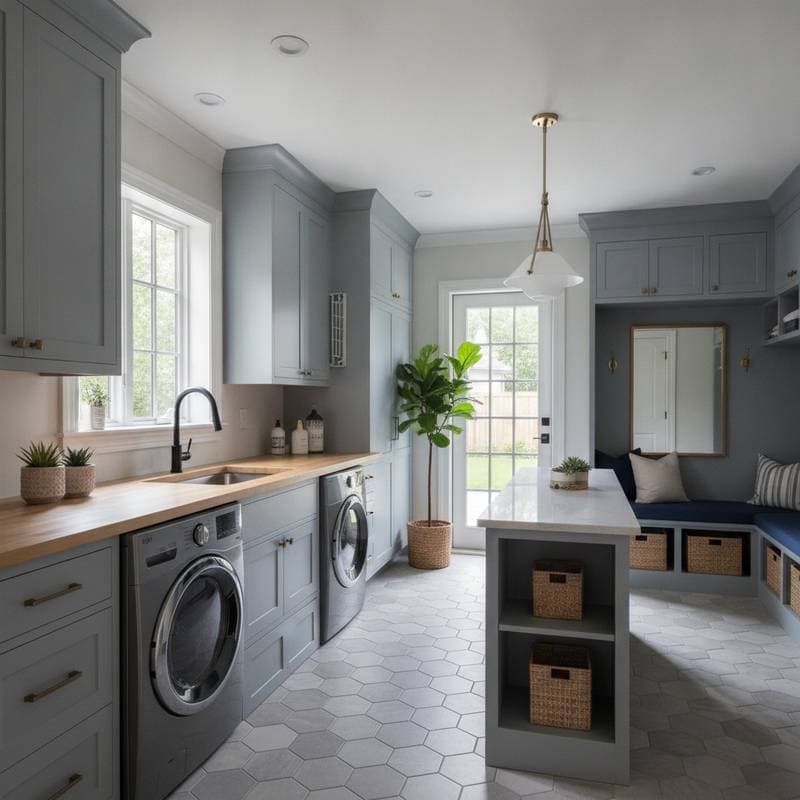
Design storage for easy access. Position shelves and cabinets at waist to shoulder height, eliminating the need for excessive reaching, stooping, or stepping stools.
-
Apply visual contrast techniques. Differentiate colors between floors and walls, or on cabinetry edges and stair risers, to improve depth perception and navigation.
-
Incorporate forward-thinking technology. Install motion-activated sensors, voice-activated controls, and programmable lighting to support greater autonomy as needs evolve.
Successful retrofits prioritize elegant, intuitive design over overt adaptations.
Frequently Asked Questions
What is the typical return on investment for aging-in-place remodels? Approximately 15%, influenced by execution quality and local market dynamics.
Which areas of the home contribute the greatest value increase? Bathrooms and entryways, as they impact immediate safety and routine activities most directly.
Are permits required for accessibility modifications? Generally yes for alterations involving structure or plumbing; simple replacements like fixtures or flooring often do not necessitate them.
How can these projects be financed? Options include home equity loans, specialized renovation financing, or community-based accessibility grants.
Sustaining Comfort and Equity Through Adaptive Design
When executed thoughtfully, aging-in-place retrofits foster residences that adapt alongside their inhabitants. These investments secure ongoing ease and protection in everyday routines while steadily enhancing asset worth.