Terrazzo Resurgence: Enhancing Home Value Through 2026
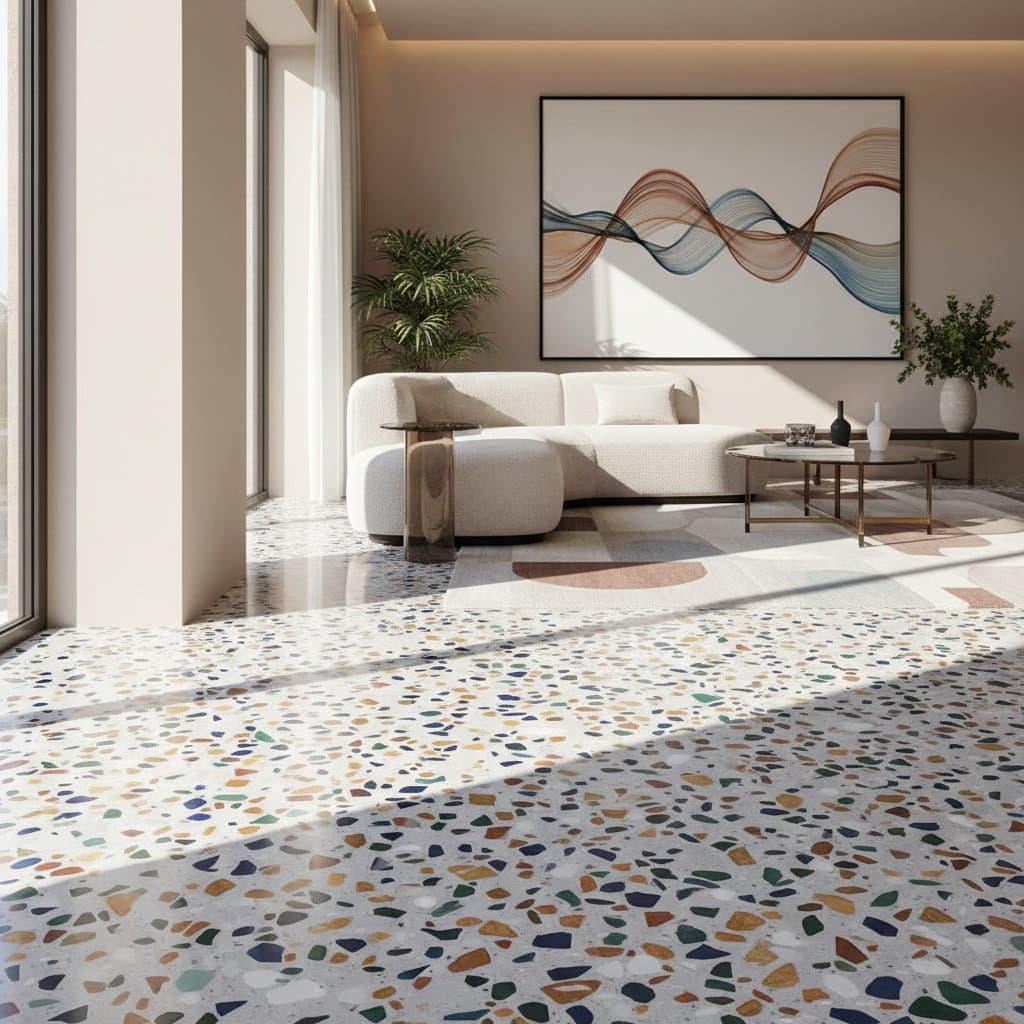
Homeowners who install terrazzo floors invest in a material that elevates both aesthetics and property worth. Expect to allocate $18 to $30 per square foot for this upgrade, which delivers rapid improvements in style and resale potential. Terrazzo excels in demanding spaces such as kitchens, entryways, and bathrooms due to its unmatched resilience, minimal upkeep requirements, and visually compelling patterns.
This flooring option withstands heavy foot traffic while maintaining its appearance over time. Professionals note that terrazzo installations in contemporary homes attract buyers seeking sustainable and modern features. As design preferences evolve, terrazzo positions properties favorably in competitive real estate markets.
Key Cost Considerations
The final price of terrazzo flooring hinges on multiple variables, each influencing the outcome in terms of visual appeal and structural integrity. Understanding these elements allows for informed budgeting and selection.
- Aggregate Selection: Choices like marble, glass, or quartz chips determine both expense and aesthetic depth. Marble provides a traditional look at moderate pricing, while glass introduces vivid hues and may increase costs by up to 20 percent.
- Binder Options: Cement binders prove more economical yet require periodic sealing to prevent wear. Epoxy binders enable seamless integration of colors, accelerate curing processes, and support elaborate pattern designs.
- Subfloor Preparation: Existing concrete surfaces often demand grinding or the addition of moisture barriers. Additional expenses of $2 to $4 per square foot arise for repairs or leveling tasks.
- Installation Labor: Experienced artisans charge $8 to $15 per square foot, with rates varying by project intricacy and geographic location.
- Pattern Complexity: Elements such as borders, inlays, or custom color divisions extend labor time and elevate costs. Basic single-color applications remain closest to baseline pricing.
- Protective Coatings: Application of professional sealants and polishes adds $1 to $2 per square foot, ensuring protection against years of wear.
- Site Management: Demolition of prior flooring and handling of debris or dust incurs fees from $300 to $800, scaled to the project's scope.
These factors collectively shape the investment, but strategic choices minimize expenses without compromising quality. Consult local suppliers early to gauge material availability and regional pricing fluctuations.
DIY Approaches Versus Professional Services
Suitable DIY Scenarios
Decide on DIY only for limited tasks where skills align with the demands.
- Subfloor Maintenance: Individuals proficient in concrete work can handle patching or leveling independently.
- Accent Features: Projects like tabletops or minor entry steps suit epoxy kits for smaller scales.
- Required Expertise: Success demands precise mixing, steady application, and adherence to extended curing periods spanning multiple days.
DIY efforts save on labor but risk subpar results if executed improperly. Limit attempts to non-structural elements to avoid costly corrections.
Benefits of Professional Installation
For comprehensive projects, engage certified experts to guarantee precision and compliance.
- Complete Floor Systems: Mixing and troweling demand exact techniques; imbalances lead to cracks or faded surfaces.
- Intricate Designs: Specialists employ divider strips and layering methods unavailable in consumer kits.
- Regulatory Adherence: Installers ensure inclusion of vapor barriers, anti-slip treatments, or mandated sealants per local building codes.
Indicators for Professional Involvement:
- Evidence of subfloor moisture infiltration
- Significant cracks or irregularities in the base layer
- Requirements for multicolored patterns or embedded logos
Professionals mitigate risks and deliver finishes that endure, justifying the added investment through superior longevity.
Optimal Scheduling and Cost-Saving Strategies
Anticipate a timeline of 7 to 14 days, encompassing demolition through complete curing. Humid environments extend drying phases, potentially delaying occupancy. Allocate an additional 10 to 15 percent in reserves for unforeseen issues in aged structures, particularly subfloor reinforcements.
Effective Planning Tactics
- Reserve Slots in Low-Demand Seasons: Scheduling during quieter periods secures discounted labor rates from contractors.
- Steer Clear of Adverse Weather: Low temperatures or high moisture hinder curing and promote surface imperfections.
- Utilize Surplus Materials: Inquire about discounted remnants from larger commercial installations to reduce aggregate expenses.
Sustainability Incentives
Epoxy terrazzo enhances light reflection, thereby decreasing reliance on electric illumination. Certain locales offer energy rebates or certifications for such reflective surfaces in green building initiatives. Verify eligibility with installers familiar with regional programs.
These approaches not only control costs but also align installations with broader home improvement goals, maximizing overall efficiency.
Market Value and Emerging Design Directions
Terrazzo gains traction through its blend of environmental responsibility and expressive aesthetics. Incorporation of recycled aggregates, low-VOC binders, and extended service life draws environmentally aware purchasers. Real estate professionals observe elevated demand for properties featuring terrazzo in primary living areas.
Elements That Captivate Buyers
- Aesthetic Presence: Expansive chips combined with a high-gloss polish convey premium quality.
- Ease of Care: Surfaces endure for decades with routine cleaning, appealing to practical homeowners.
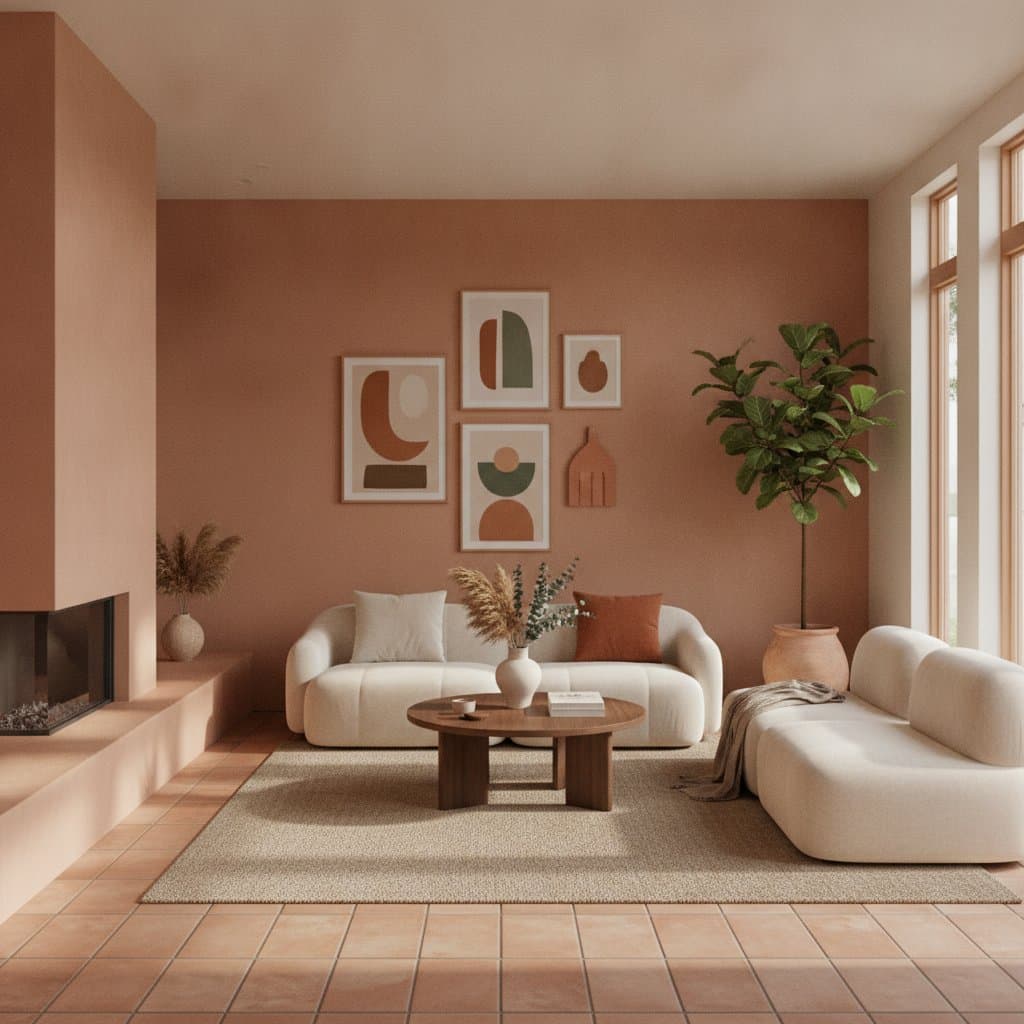
- Bold Palette Integration: Current palettes incorporate shades like coral, teal, and charcoal, transforming floors into focal design components.
Climate-Specific Adaptations
Epoxy formulations excel in moisture-prone regions by repelling water effectively. In arid areas, cement-based variants deliver a subtle matte texture that conceals minor debris. Sourcing materials locally can adjust costs by 10 percent; evaluate multiple vendors to identify optimal options.
Designers emphasize terrazzo's versatility, allowing customization that complements diverse architectural styles from mid-century modern to contemporary minimalism.
Tiered Selection Guide
| Tier | Composition | Expected Lifespan | Upkeep Frequency |
|---|---|---|---|
| Entry | Cement base with marble aggregates | 40 years | Sealing every 2 years |
| Mid | Epoxy base with varied aggregates | 50 years | Sealing every 5 years |
| Premium | Custom epoxy with glass or metal inlays | 70+ years | Professional polishing periodically |
Prioritize epoxy binders for superior moisture resistance and vibrancy, particularly in challenging environments. This choice extends usability far beyond standard alternatives.
Steps to Implement Your Terrazzo Upgrade
To secure a terrazzo installation that sustains value into 2026 and further, initiate these practical measures promptly:
- Obtain Multiple Estimates: Solicit bids from at least three accredited terrazzo specialists to compare approaches and pricing.
- Review Material Samples: Request aggregates to assess color and texture under your interior lighting conditions.
- Account for Curing Duration: Schedule around a full week of restricted access to prevent damage during hardening.
- Opt for Epoxy in Damp Climates: Select this binder for enhanced color retention and humidity protection.
- Prepare for Ongoing Care: Reserve budget for regular sealing and polishing to preserve the investment.
Terrazzo establishes a enduring foundation immune to fleeting fashions. Although initial outlays surpass those of laminate or ceramic options, the returns manifest in prolonged durability and elevated property appraisals.
This resurgence underscores terrazzo's role as a prudent choice, merging robust construction with artistic expression to underpin lasting home equity.