Dark Moody Paints: The 2026 Trend Elevating Home Values
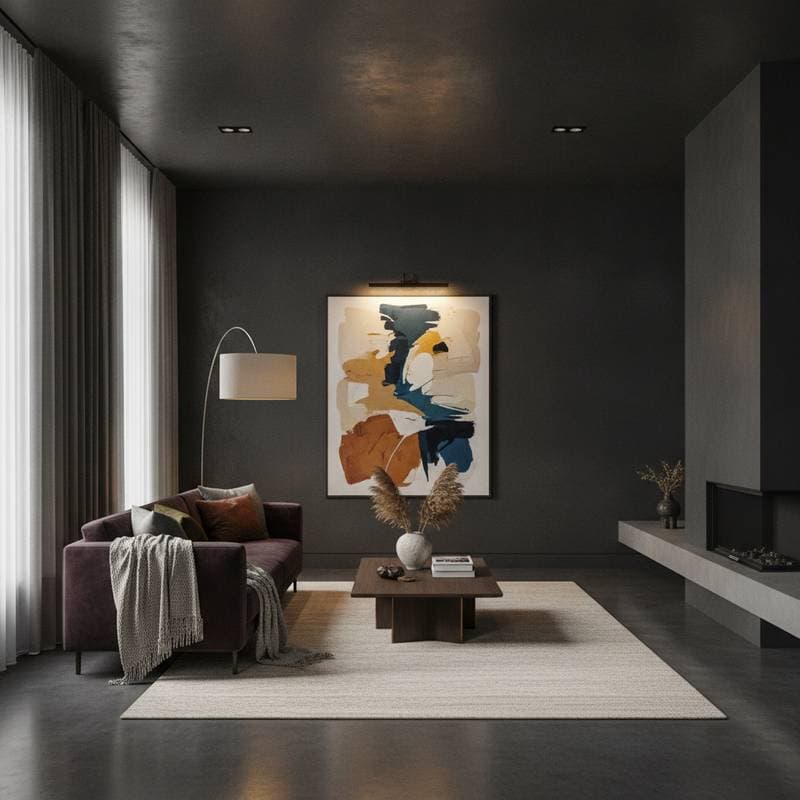
Dark moody paint colors are transforming interiors and increasing property values in 2026. These deep tones create an atmosphere of richness and intention, appealing to buyers who associate them with sophisticated design choices. When applied thoughtfully, such colors elevate ordinary spaces into compelling environments that stand out in competitive markets.
This guide explores strategies for incorporating dark moody paints to enhance home value. It details optimal room selections, shade choices, cost considerations, and professional recommendations to achieve lasting results.
Ideal Rooms for Dark Moody Paint Applications
Select rooms where dark paints enhance ambiance without overwhelming the space. Prioritize areas that benefit from added depth and intimacy.
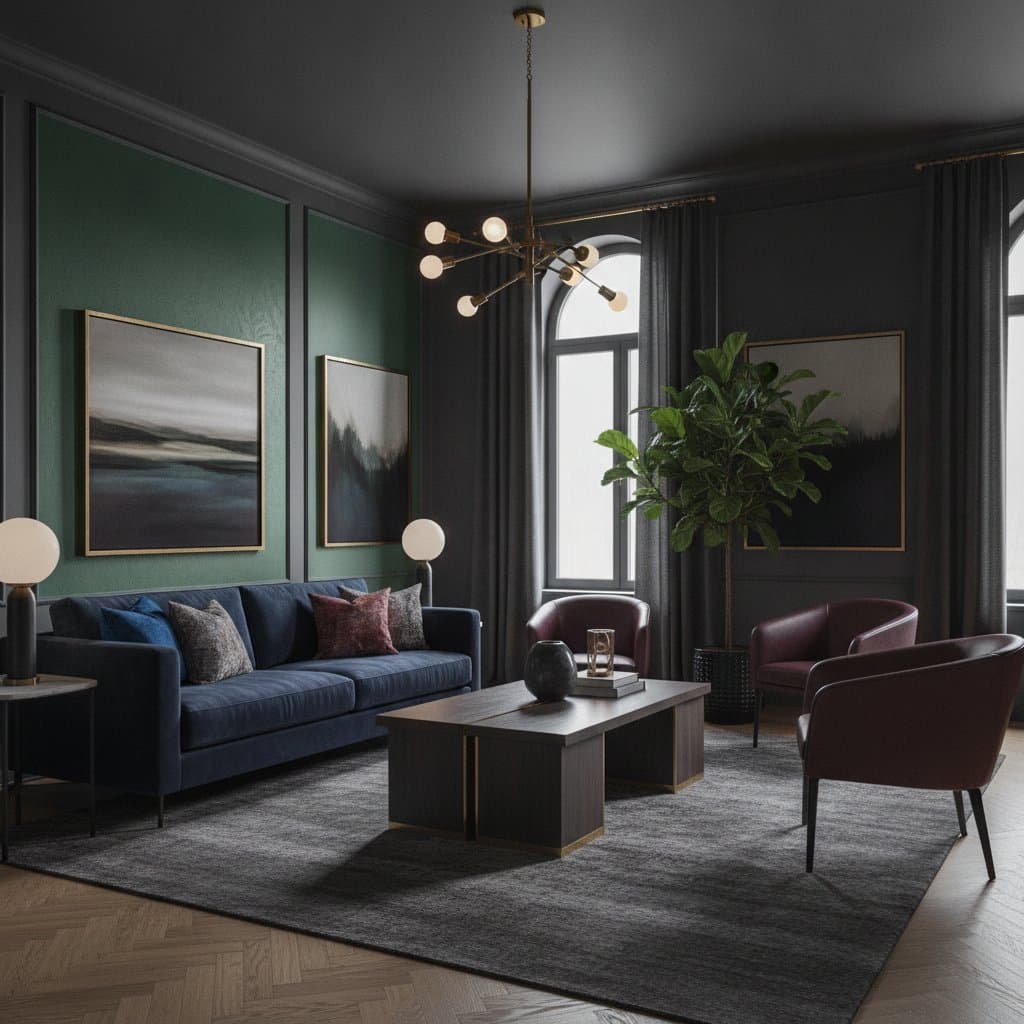
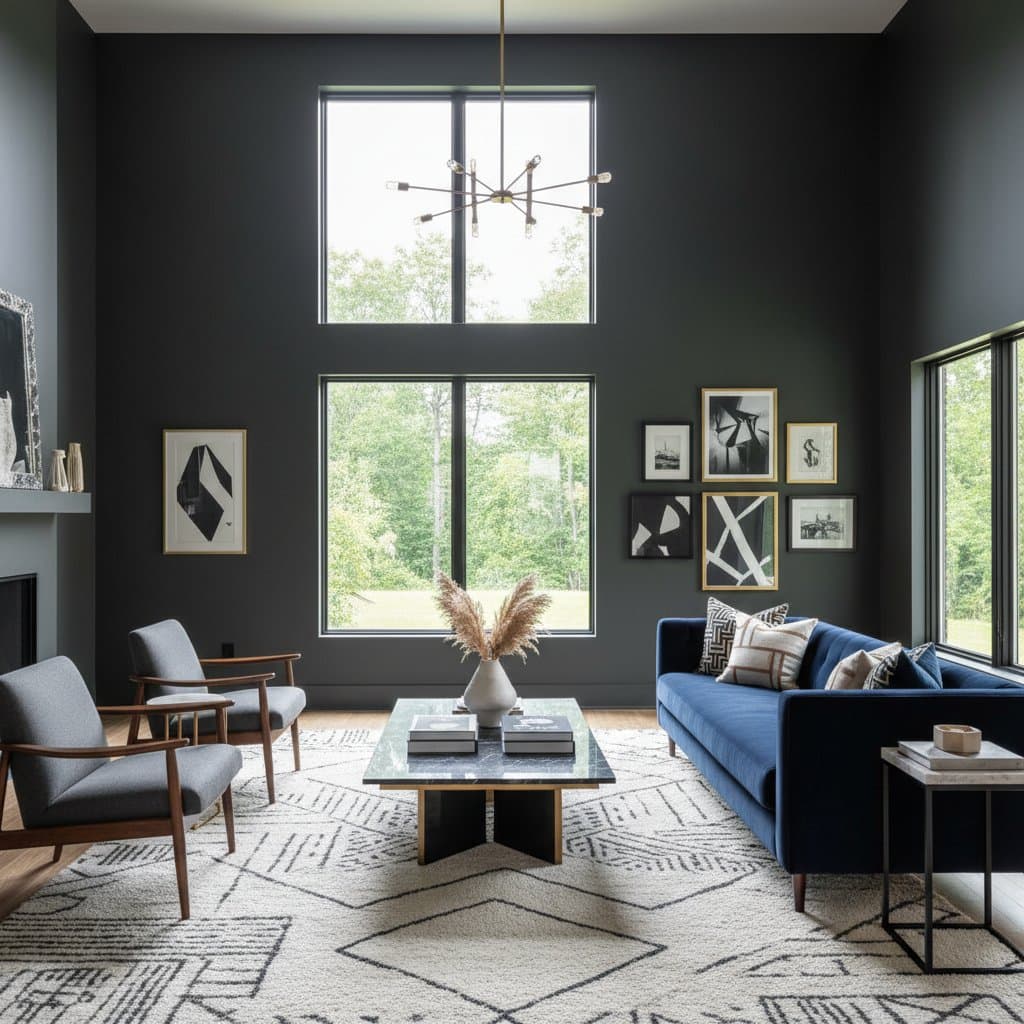
- Living Rooms: Dark walls provide a backdrop that highlights artwork and furniture, fostering a welcoming, theater-like atmosphere.
- Bedrooms: Rich hues promote relaxation by absorbing light and creating a soothing retreat.
- Dining Rooms: Bold shades intensify the dining experience, drawing guests into intimate gatherings.
- Powder Rooms: In compact areas, dark paints convey deliberate style and visual interest.
- Home Libraries or Offices: A deep color scheme establishes a focused, professional setting.
Reserve dark applications for walls in rooms with adequate height or natural light. Dark ceilings may compress the perceived volume unless balanced by ample illumination.
Selecting the Appropriate Shade for Your Space
The success of a dark paint depends on environmental factors such as orientation and scale. Consider these elements to ensure the color enhances rather than detracts from the room.
| Room Orientation | Recommended Approach | Rationale |
|---|---|---|
| North-Facing | Opt for warm undertones like forest green or chocolate brown | These counteract the cooler natural light prevalent in such spaces |
| South-Facing | Select cooler options such as charcoal gray or navy blue | They temper the intensity of warmer sunlight |
| Small Enclosures | Choose muted, saturated shades | This maintains coziness while avoiding a claustrophobic effect |
| Expansive Areas | Experiment with deeper blacks or intense hues | Such choices anchor the space and add purpose |
Apply a substantial sample, covering at least two walls, and observe its appearance under varying light conditions over several days before finalizing the decision.
Budgeting for the Project
Expenses vary based on scope, materials, and labor. Plan for a standard interior refresh with these estimates.
| Component | Estimated Range | Influencing Factors |
|---|---|---|
| DIY Supplies (Paint, Primer, Tools) | $80 to $200 per room | Quality of brand, desired finish, and square footage |
| Professional Labor | $400 to $1,200 per room | Extent of surface preparation and regional labor costs |
| Surface Preparation (Repairs, Smoothing) | $100 to $300 | Condition of existing walls, including cracks or uneven textures |
| Accent Wall Focus | $150 to $300 | Limited area reduces time and material needs |
Regional differences apply, with higher rates in metropolitan or coastal locations due to demand and logistics.
Deciding Between DIY and Professional Services
Evaluate your skills and project demands to choose the best approach.
Pursue DIY When:
- Walls present a smooth, even surface and you possess precise application techniques.
- Budget constraints prioritize savings on labor for smaller projects like accent walls.
- The process aligns with personal enjoyment and time availability.
Engage Professionals When:
- Surfaces require patching, sanding, or other preparatory work.
- Precision in edges and uniformity across large areas is essential.
- Architectural features such as high ceilings or intricate millwork complicate the task.
Professionals excel in managing dark pigments, which demand even coverage to prevent streaks. They often employ airless sprayers for flawless results, safeguarding the investment's potential to appreciate home value.
Essential Tools and Materials
Gather reliable equipment to ensure a professional outcome without unnecessary complexity.
- Tinted primer matched to the final paint color for better adhesion and coverage.
- Angled sash brushes for clean edges around trim and corners.
- Rollers with 3/8-inch nap suitable for smooth surfaces.
- High-adhesion painter's tape and protective drop cloths.
- Fine-grit sandpaper, spackling compound for minor repairs.
- Sturdy ladder and roller extension pole for reach.
- Microfiber cloths for immediate spill cleanup.
Select paints in eggshell or matte finishes for durability against everyday wear, outperforming flat options in resilience.
Integrating Lighting and Finishes
Illuminate dark walls strategically to amplify their appeal. Warm-toned LED bulbs enhance coziness, whereas cooler daylight options may accentuate starkness; incorporate dimmers for versatility.
Choose finishes that complement the mood:
- Matte: Absorbs light imperfections for a soft, luxurious texture.
- Eggshell: Offers subtle luster and simplifies routine cleaning.
- Satin: Ideal for high-traffic or humid zones like bathrooms, providing moisture resistance.
Steer clear of high-gloss wall applications, as they reflect light disruptively and undermine the intended depth.
Adapting to Regional and Climatic Conditions
Tailor choices to local environments for optimal performance. In sun-drenched areas, dark paints mitigate visual brightness, promoting tranquility. For overcast or northern locales, warmer tones such as olive green, plum, or earthy browns infuse necessary warmth.
Address humidity with anti-mildew variants in moisture-prone rooms. Opt for low-VOC formulas in arid or smoke-affected regions to maintain air quality.
Verify guidelines for condominiums or heritage properties, as homeowners' associations or preservation boards may regulate interior alterations, though exterior constraints are more common.
Influencing Spatial Perception with Dark Tones
Contrary to common assumptions, dark paints can expand perceived dimensions when paired effectively. They soften boundaries, evoking an enveloping sanctuary that feels curated and peaceful.
Achieve balance through contrasting elements: crisp white moldings, metallic hardware, or light-toned floors. For instance, navy walls harmonize with white oak flooring, while charcoal pairs seamlessly with neutral linen textiles, preventing monotony.
Incorporating Contrast and Texture
Mitigate potential heaviness in fully dark rooms by introducing varied surfaces.
- Layer natural fibers like jute area rugs or linen window treatments for tactile interest.
- Install fixtures in brushed nickel or aged brass to catch and distribute light.
- Hang framed art with pale mats to draw the eye upward.
These additions provide visual breaks, elevating the sophistication of the palette and avoiding dreariness.
Ensuring Safety and Upkeep
Adhere to standard precautions during application to protect health and surfaces.
- Maintain airflow with fans or open windows, particularly with solvent-based products.
- Use protective gloves and respirators during sanding or mixing.
- Secure unused paint in airtight containers, stored in cool, dry locations.
Post-application care involves gentle wiping with soapy water and non-abrasive tools to preserve color integrity. Retain a small container of paint for matching future touch-ups, as fading can alter tone over time.
The Value Proposition of Dark Moody Interiors
Contemporary buyers view dark-painted rooms as markers of thoughtful curation and modernity. Such features distinguish listings, with real estate professionals noting quicker sales and stronger offers for properties showcasing moody accents.
The allure lies in evoking immediate emotional resonance: visions of seclusion, elegance, and comfort. For imminent sales, target high-visibility areas; for long-term residency, prioritize durable, low-maintenance formulations.
Expert Recommendations for Optimal Results
- Test Extensively: Apply samples covering two square feet and monitor across 48 hours.
- Enhance Illumination: Position mirrors or glossy accents to reflect light strategically.
- Invest in Tools: Avoid low-grade rollers that leave visible lint on dark surfaces.
- Coordinate Trim: Pair with bright white or warm beige for sharp definition.
- Unify Design: Echo wall hues in furnishings or textiles for cohesive flow.
Implementing Your Vision
Begin by assessing your space's light and layout to select paints that align with these dynamics. Proceed with preparation and application, drawing on the outlined strategies to realize an interior that not only captivates but also appreciates in market worth. This investment yields enduring aesthetic and financial returns.