Why Wet Rooms Surge Bathroom ROI by 2026
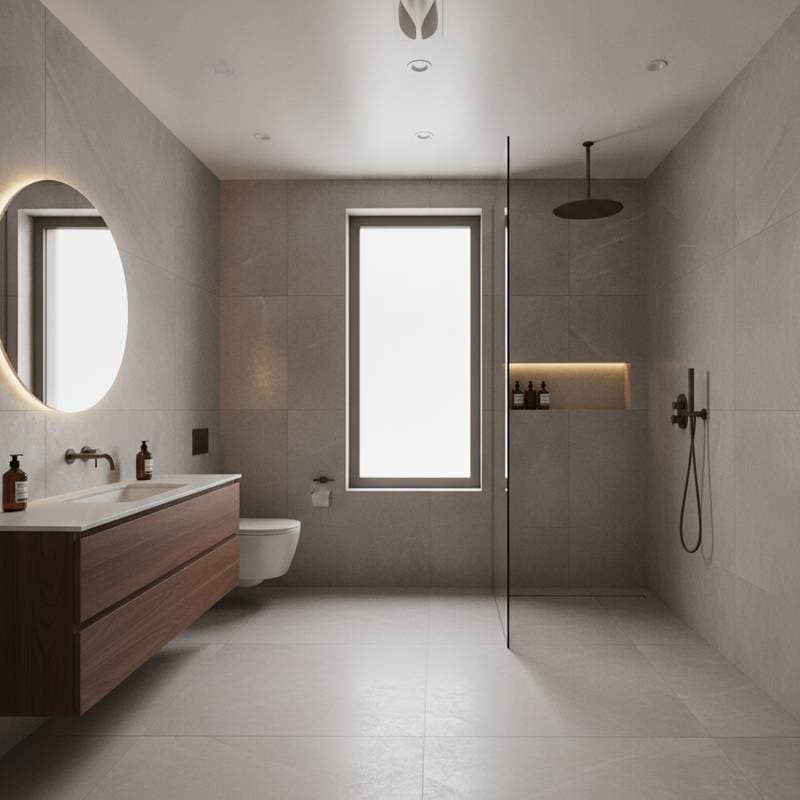
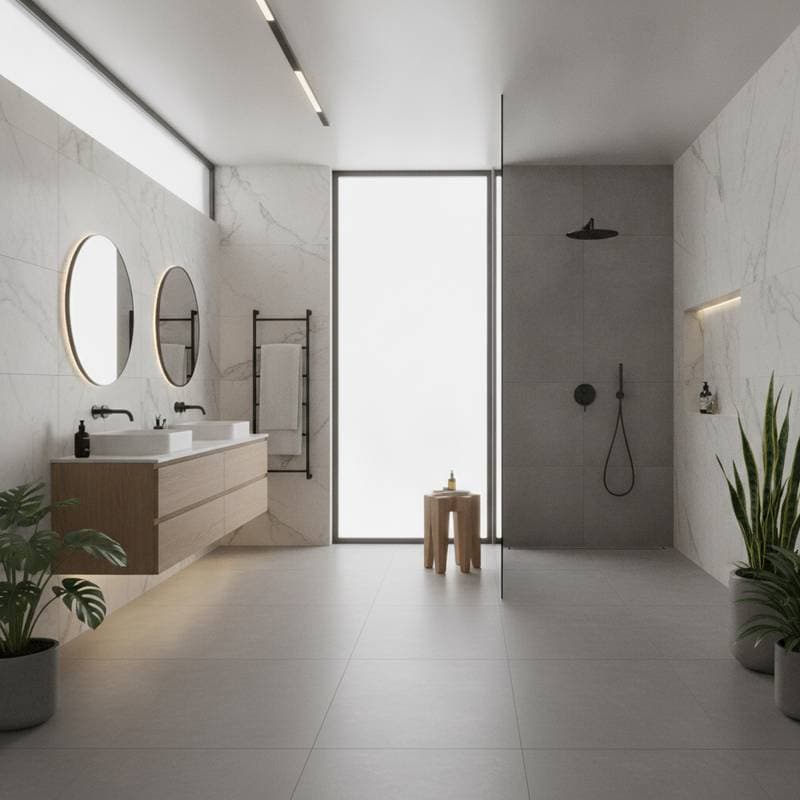
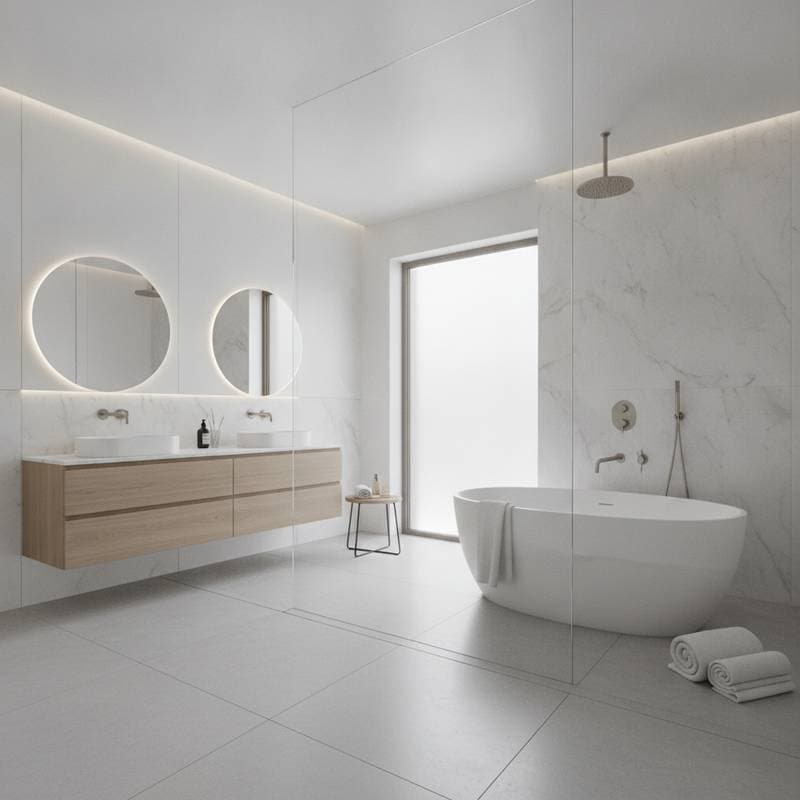
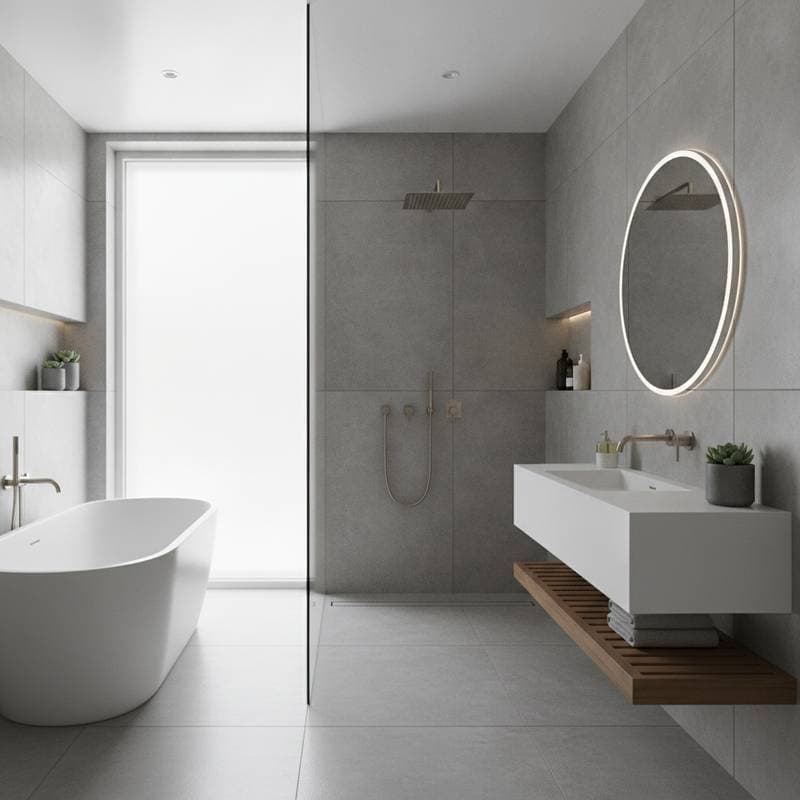
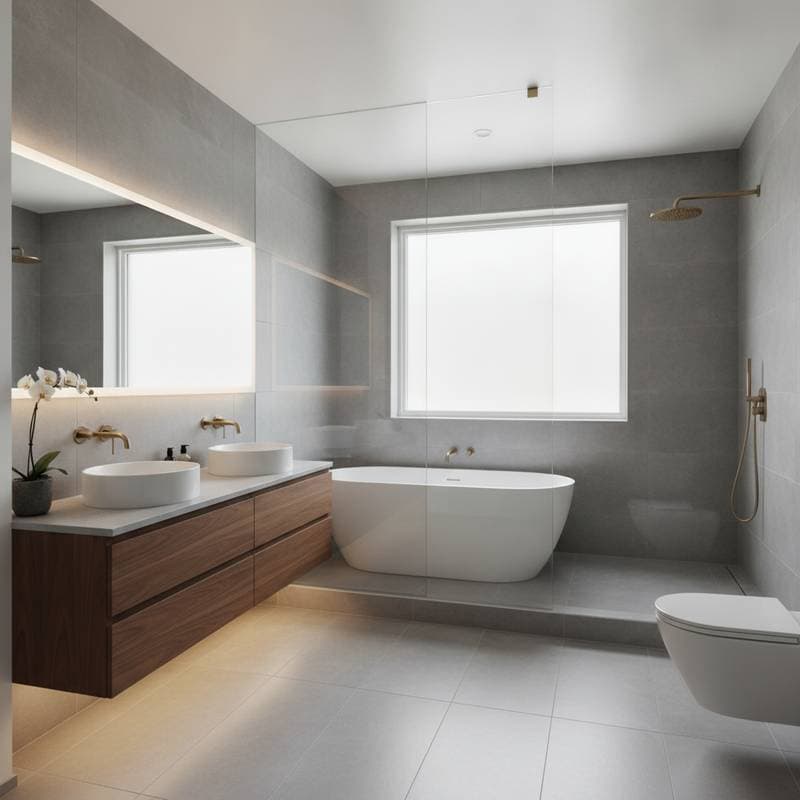
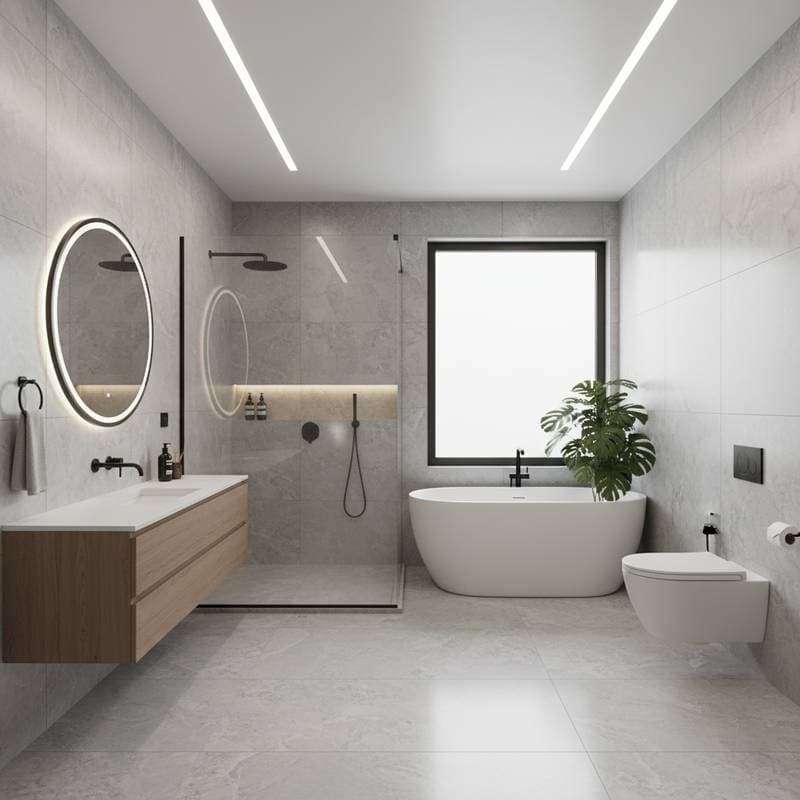
Wet rooms represent fully waterproofed bathrooms in which the shower area integrates seamlessly with the rest of the floor. Water flows across a gently sloped surface toward a central or linear drain, eliminating the need for conventional shower trays or enclosures. These designs suit contemporary residences, compact areas, and upscale renovations. Demand rises due to their enhancements in accessibility, aesthetics, and property appreciation.
Pros and Cons
Pros
- Eliminates barriers to create a more open, spacious feel
- Enhances accessibility for individuals with mobility challenges or aging in place
- Increases resale appeal through a luxurious, spa-inspired appearance
- Simplifies cleaning by minimizing crevices and enclosed components
- Supports versatile arrangements for fixtures like vanities, bathtubs, and cabinets
Cons
- Demands meticulous waterproofing to avoid water intrusion
- Involves higher initial expenses compared to conventional shower setups
- Risks elevated humidity levels without adequate airflow
- Often requires structural adjustments to the subfloor
- Improper gradient may lead to water pooling
DIY vs Professional Installation
Wet room projects require expertise in tiling, plumbing, and sealing techniques, making them unsuitable for novices. Experienced renovators might attempt DIY with the right equipment and time commitment.
DIY Difficulty: High
Estimated Time: Three to seven days, including preparation and assembly
Essential Tools: Tile cutter, waterproofing membrane application kit, precision level, trowel, and drain installation components
Potential Risks: Structural leaks, mold growth, or drainage failures from inadequate sloping or sealing
Opt for professional services in these scenarios:
- Subfloor alterations prove necessary
- Integration of features like radiant floor heating or bespoke drainage systems occurs
- Adherence to building codes or securing permits demands attention
- A comprehensive warranty on waterproofing provides peace of mind
Professionals typically offer warranties spanning multiple years, safeguarding both functionality and market value.
Maintenance and Expected Lifespan
With diligent care, wet rooms endure for 20 to 30 years. Establish these habits for longevity:
- Wipe down surfaces each week to remove residue from soaps and shampoos
- Examine grout lines and seals biannually for signs of wear
- Clear drains on a monthly basis to prevent blockages
- Monitor edges for moisture accumulation during routine checks
Durable membranes withstand years of use, yet resealing connections every few years maintains integrity. Many systems include 10-year guarantees on materials, while contractor warranties on labor vary by provider.
Regional Considerations
Building regulations and environmental conditions influence wet room viability.
- In cooler regions, incorporate underfloor heating to combat cold surfaces and excess condensation.
- Coastal environments call for rust-resistant drains and sealants formulated for saltwater exposure.
- Dense urban settings feature elevated labor costs and demand space-efficient configurations.
- Areas prone to earthquakes or high elevations necessitate robust subfloor reinforcements and reliable slopes.
Plumbing permits remain standard in most municipalities for such installations. Certain locales mandate waterproofing inspections prior to tiling. Consult local authorities to confirm compliance with all applicable codes.
ROI and Resale Impact
Wet rooms elevate bathroom valuations by 10 to 20 percent, contingent on execution quality and local market dynamics. Prospective buyers perceive them as sophisticated enhancements. Properties featuring updated bathrooms attract quicker offers, particularly when emphasizing ease of access and minimal upkeep.
Maximize returns through moderate investments in resilient tiles and streamlined designs. Excessive personalization with high-end finishes may diminish profitability in modest neighborhoods. Align the aesthetic with the property's overall character for optimal outcomes.
Safety Essentials
Prioritize robust waterproofing alongside electrical precautions.
- Install GFCI-protected outlets in proximity to water sources.
- Verify ventilation systems align with code requirements to inhibit mold development.
- Select non-slip flooring with an R11 rating or higher for traction.
- Integrate drains into existing plumbing without straining capacity.
- Conduct leak tests before enclosing walls or applying finish tiles.
For underfloor heating systems, adhere to guidelines on insulation layers and sensor positioning to prevent thermal issues.
Frequently Asked Questions
How long does professional wet room installation typically require?
Expect one to two weeks, factoring in curing periods and material procurement.
Does a wet room necessitate enhanced ventilation?
Affirmative. Equip with a high-capacity exhaust fan to mitigate mold risks and lingering dampness.
Is upstairs installation feasible for wet rooms?
It proves viable provided the floor structure receives reinforcement and thorough waterproofing. Employ lightweight tiles and precise gradients.
Do wet rooms adapt well to compact bathrooms?
They excel in confined areas, as the barrier-free design amplifies perceived space and curtails visual clutter.
Can a wet room enhance property value?
In prevailing markets, it does so by signaling contemporary functionality and reduced maintenance demands.
Steps to Implement Your Wet Room
Wet rooms deliver versatile design options alongside enduring benefits, accommodating everything from urban condos to expansive overhauls. Success hinges on impeccable waterproofing and expert execution.
Initiate the process by soliciting estimates from certified contractors, verifying permit obligations, and selecting climate-appropriate, budget-conscious materials. This investment yields enhanced daily usability and fortified market position for years ahead.