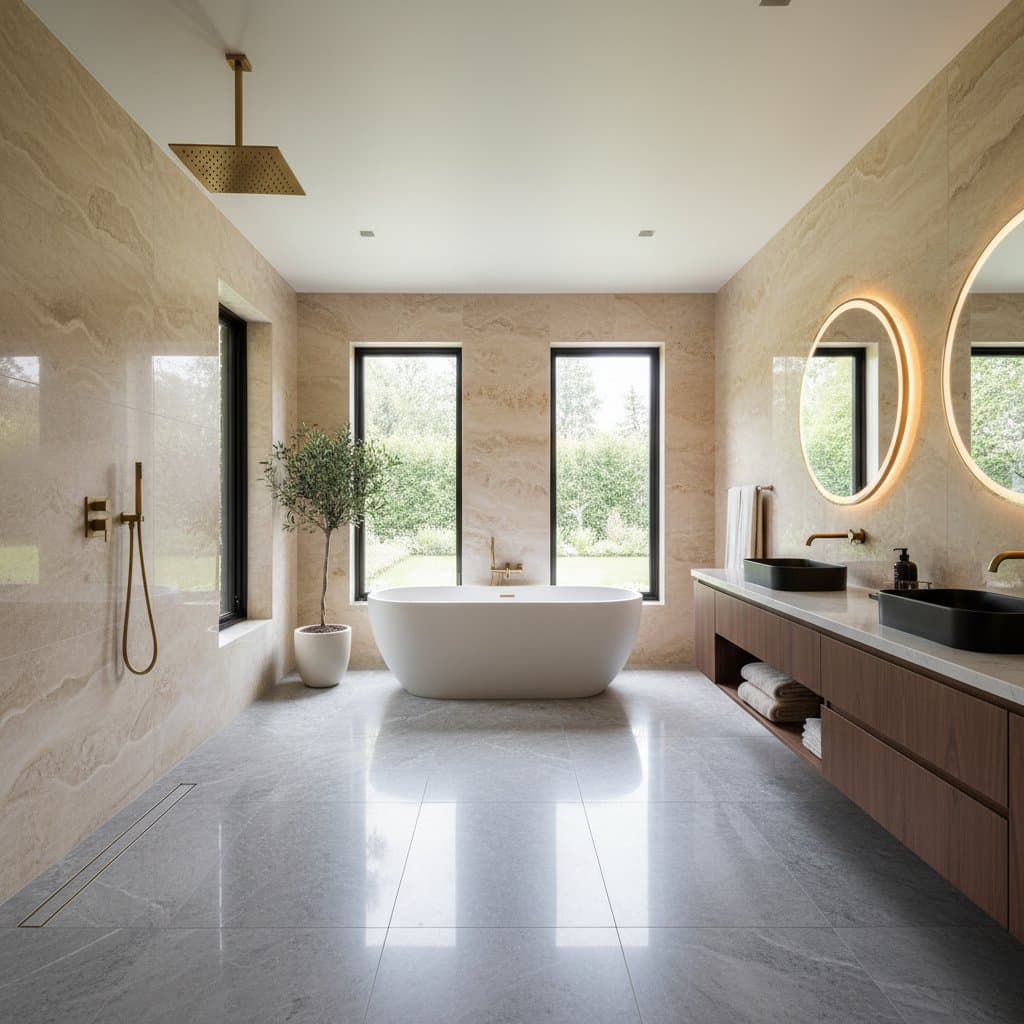
Luxury Homes Embrace Wet Rooms Over Traditional Showers
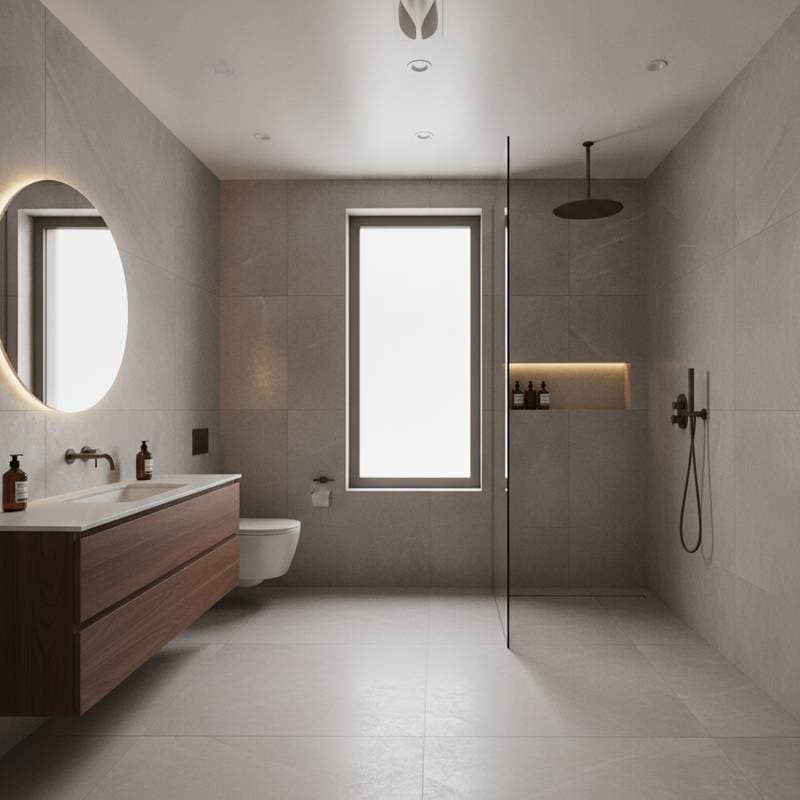
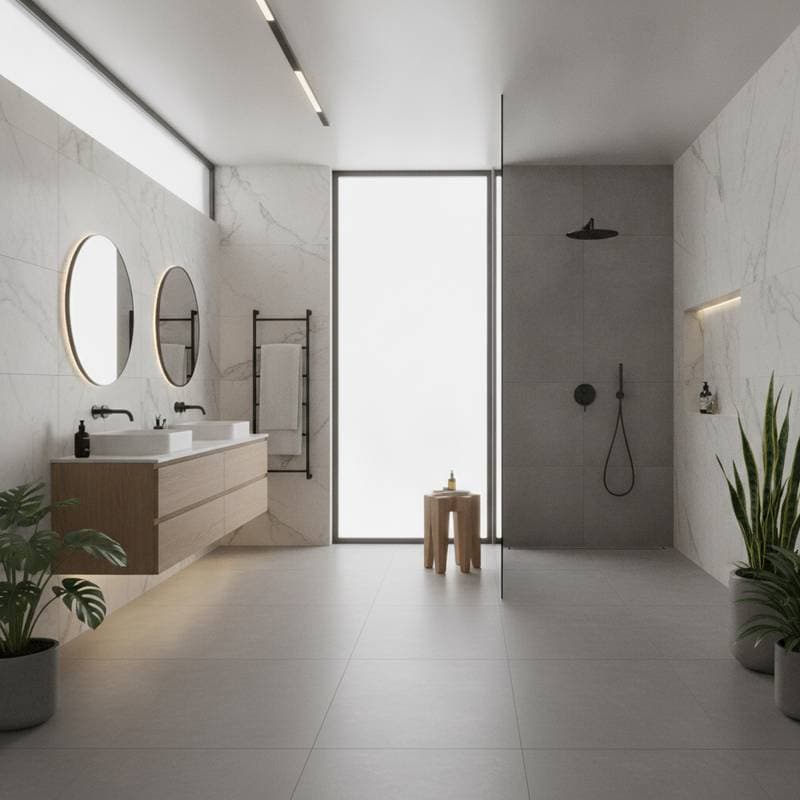
High end residences increasingly favor full wet rooms instead of enclosed shower stalls. These open spaces eliminate curbs and doors to create a continuous waterproof surface across the bathroom floor. The approach supports accessibility needs while delivering a streamlined appearance that aligns with current preferences for natural materials and unobstructed layouts.
Installation Costs
Full wet room projects typically range from 12000 dollars to 25000 dollars. Most luxury installations fall between 18000 dollars and 22000 dollars. Smaller conversions begin near 10000 dollars, while elaborate designs that incorporate stone surfaces and radiant heating can reach 40000 dollars.
Key cost factors include the dimensions of the bathroom, the chosen waterproofing method, tile selection and layout complexity, drain configuration, and any added glass or lighting elements.
Advantages and Limitations
Wet rooms provide several practical benefits. They produce an expansive feel without barriers. Fewer seams simplify routine cleaning. The design enhances visual continuity and supports users of varying mobility levels. In premium markets these features often strengthen resale positioning.
Potential drawbacks require attention. Proper waterproofing and precise floor sloping demand specialized expertise. Initial expenses exceed those of standard showers. Inadequate ventilation can lead to lingering moisture. Grout lines may need resealing more often than enclosed alternatives.
Design Configurations
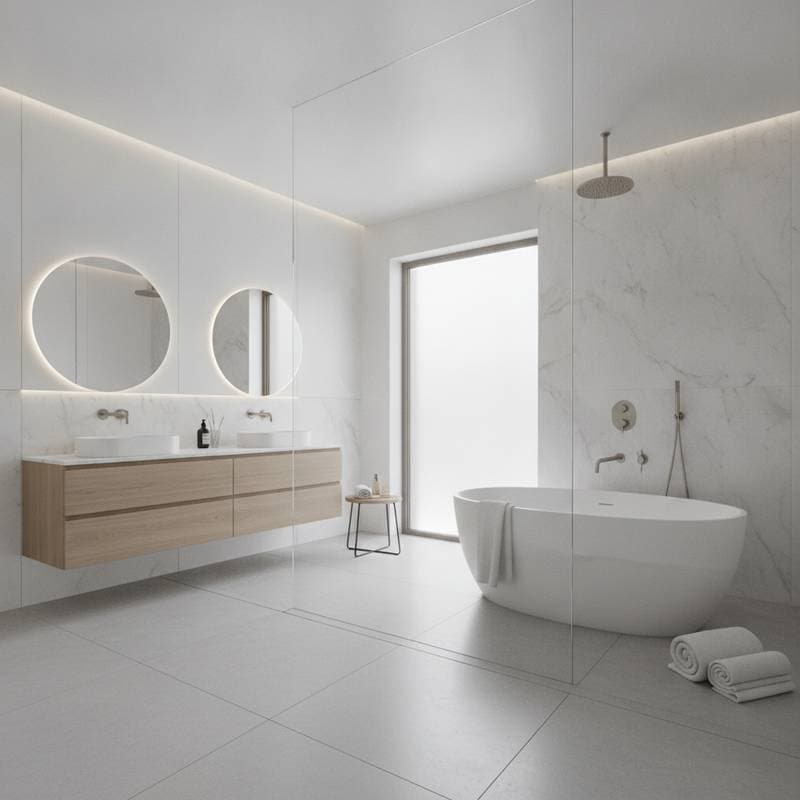
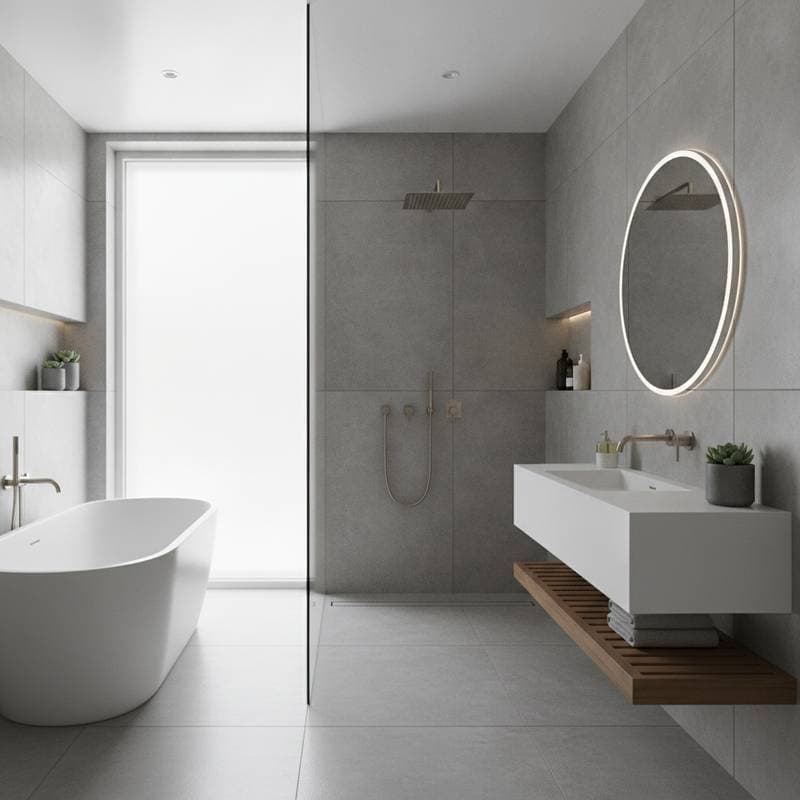
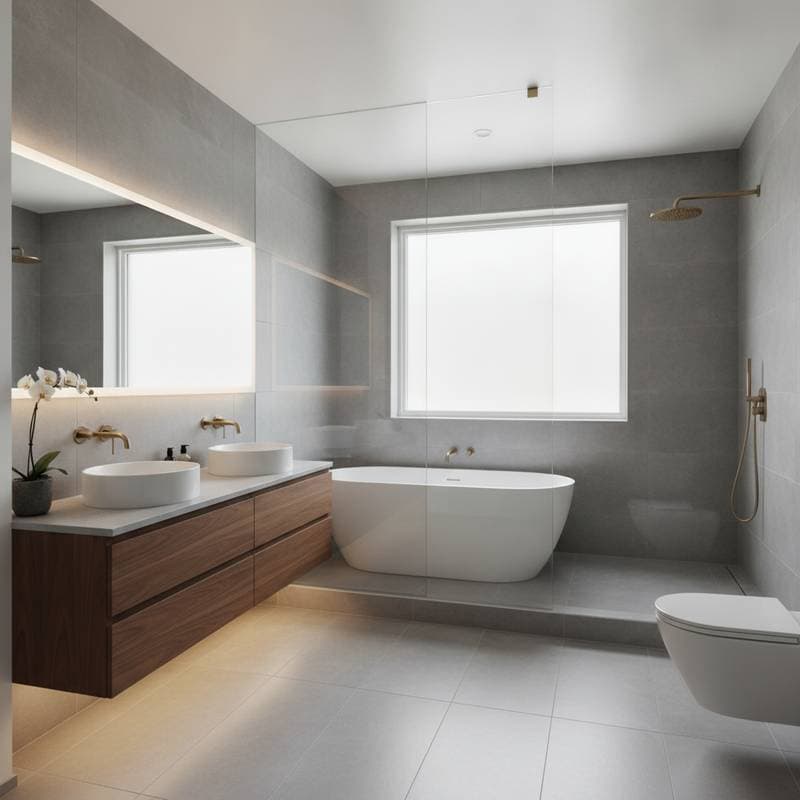
Several layouts suit different bathroom sizes. A fully open plan works well in spacious rooms with reliable drainage. Partial glass screens help contain water in medium sized areas. Compact wet zones fit within existing footprints during remodels. Premium suites sometimes integrate a freestanding tub directly into the wet area.
Professional Execution
Wet room construction qualifies as advanced work that spans five to ten days. It requires experience with waterproof membranes and accurate slope creation. Errors frequently result in leaks and costly repairs. Engage a licensed contractor who has completed similar projects. Homeowners can handle only surface finishes once the waterproofing layer is complete and inspected.
Construction Sequence
- Clear existing fixtures and surfaces.
- Prepare a new subfloor with a measured slope to the drain.
- Apply a continuous waterproof membrane to floors and walls.
- Position the drain assembly and verify slope accuracy.
- Install tile using consistent thin grout joints.
- Seal all transitions and corners.
- Mount any glass panels.
- Connect fixtures, lighting, and accessories.
- Confirm drainage performance before final cleaning.
Ongoing Care
A properly built wet room maintains performance for twenty years or longer. Weekly cleaning of tile and grout preserves appearance. Inspect and reseal grout lines every two to three years. Clear drains regularly and replace seals as needed. Many systems carry a ten year waterproofing warranty when installed by approved professionals.
Comparable Options
A curbless shower delivers similar accessibility with simpler installation but retains more separation. Steam showers introduce spa functions inside a fully enclosed space. Walk in tubs address mobility concerns without creating an open wet zone.
Regional Considerations
Labor rates differ by location. Coastal markets often add fifteen to twenty five percent due to demand. Colder regions benefit from heated floors that offset temperature loss across open surfaces. Local codes may specify particular drain styles or membrane requirements.
Value Considerations
In luxury segments wet rooms contribute five to ten percent to renovated bathroom worth. Buyers recognize the modern aesthetic and long term accessibility advantages. The feature attracts both design focused purchasers and those planning extended occupancy.
Safety Measures
Select tile rated for wet traction. Maintain clear drainage paths to prevent pooling. Position grab bars where appropriate. Use only damp rated electrical components. Confirm that all waterproofing complies with applicable building standards.
Next Steps
A well executed wet room combines open aesthetics with practical performance. Consult a designer or waterproofing specialist experienced in curbless systems. Obtain multiple detailed proposals from licensed contractors and review warranty terms before proceeding.