Wet Rooms: Boost Home Value by 15 Percent Through Bath Swaps
One-line takeaway: A professionally constructed wet room increases home value by approximately 15 percent, with installation costs ranging from $14,000 to $28,000 based on size and materials.
Reasons Wet Rooms Enhance Property Value
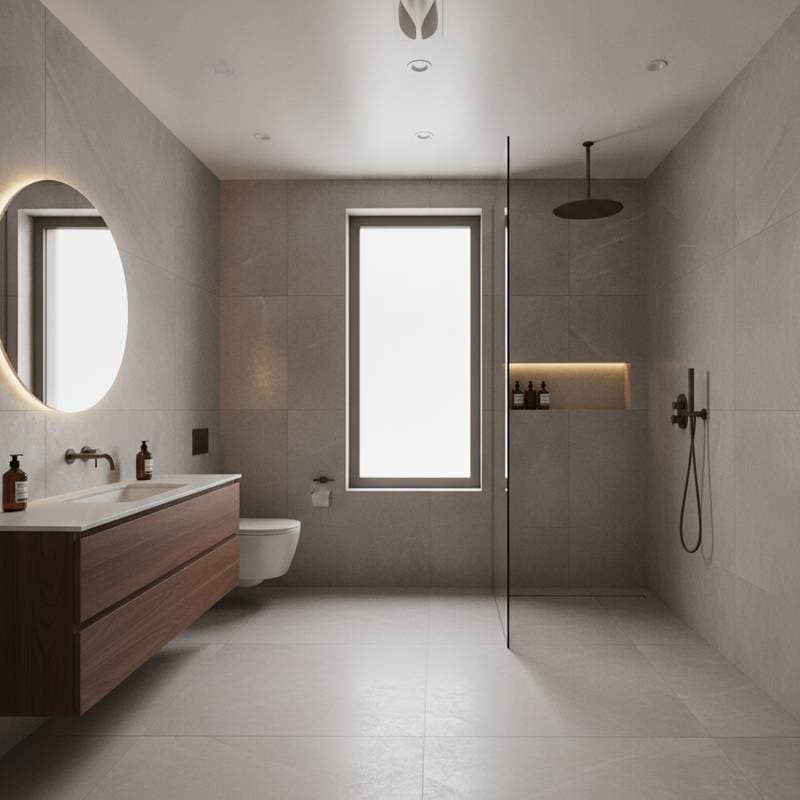
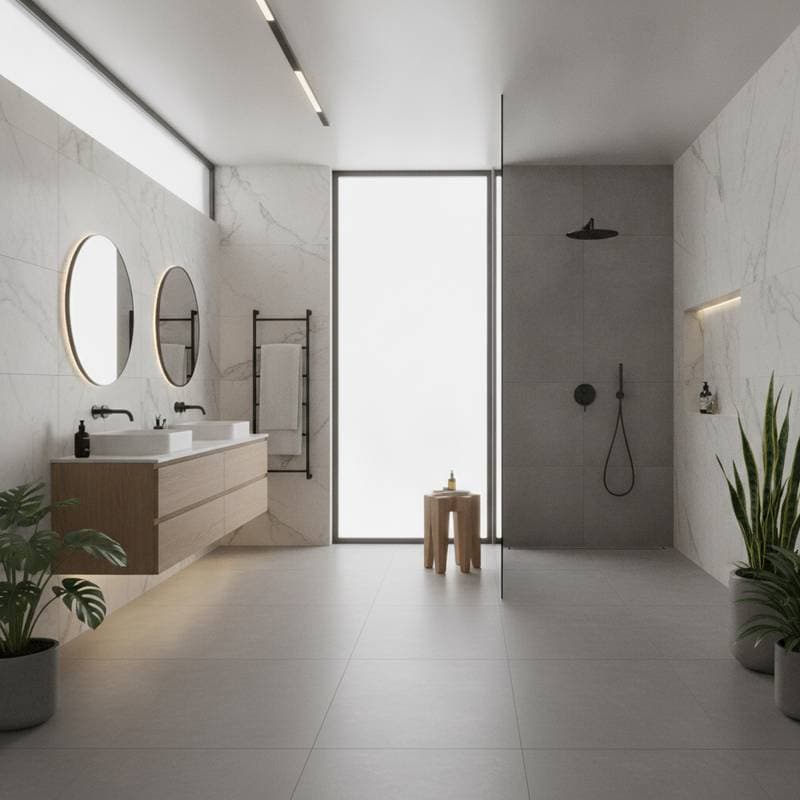
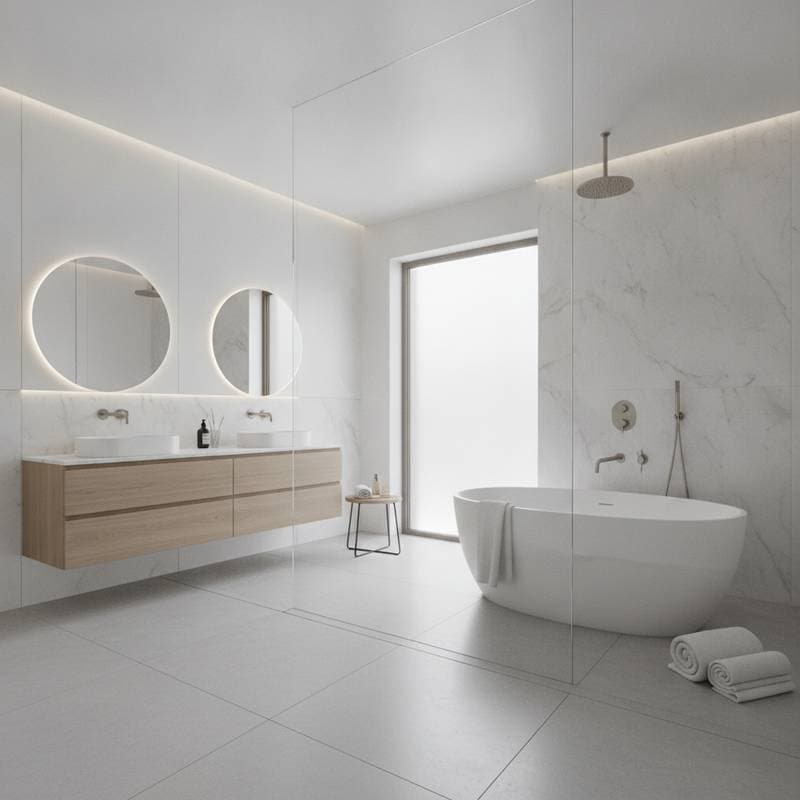
Homeowners increasingly replace traditional bathtubs with open, barrier-free wet rooms to achieve a contemporary aesthetic, optimize space, and enhance accessibility. Real estate analyses indicate that a completely tiled and waterproofed wet room elevates resale value by 10 to 15 percent in middle- to upper-tier markets. This increase stems from the perception of luxury and the assurance of durability, as prospective buyers appreciate a design that requires minimal upkeep and accommodates users of all ages.
Wet rooms maximize efficiency in compact bathrooms. Eliminating the tub reclaims floor space for improved circulation, integrated seating, or multiple shower fixtures. The overall effect creates a more expansive, airy, and functional environment.
Design Options and Selections
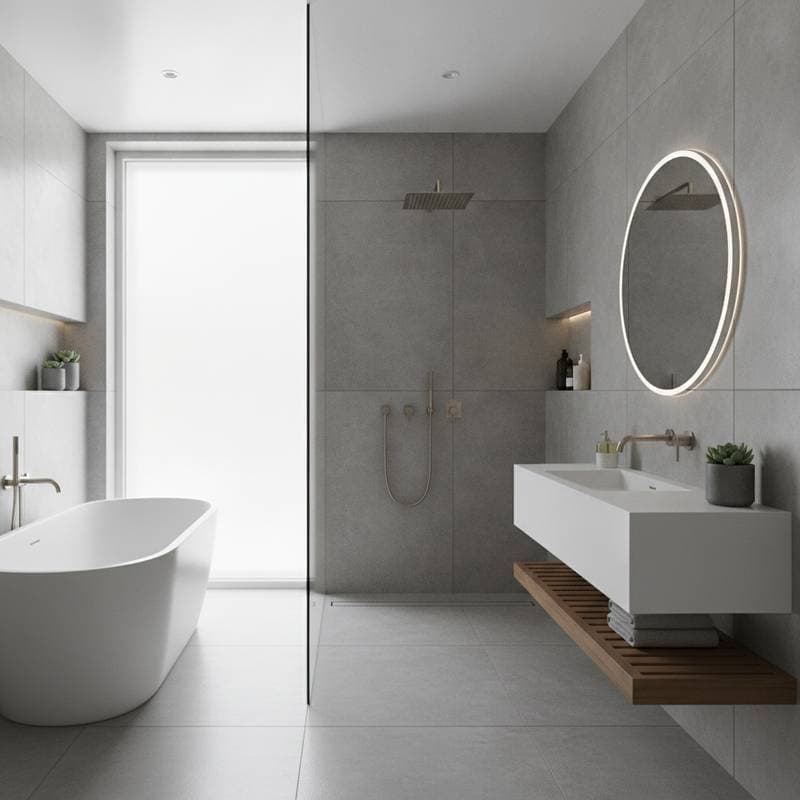
Entry-Level Wet Room (Beginning at $14,000)
This configuration suits space-constrained settings such as apartments or modest residences, prioritizing practicality over elaborate details.
- Ceramic tile on floors and walls
- Single overhead shower with thermostatic mixer
- Standard linear drain system
- Essential waterproof membrane applied over cement board
- Optional vinyl or tempered glass enclosure
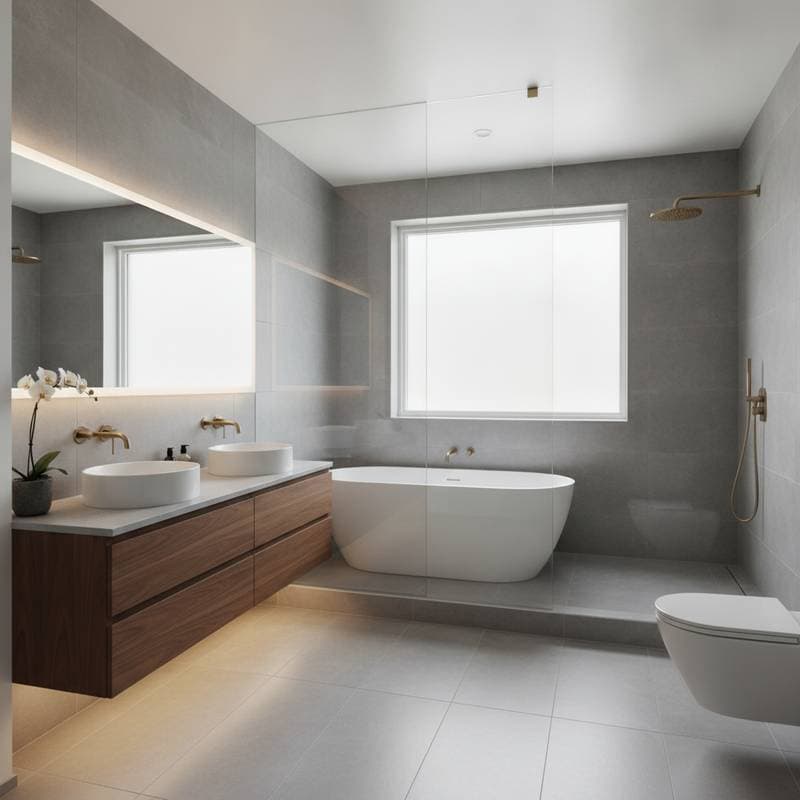
Intermediate Wet Room ($18,000 to $22,000)
This option delivers a harmonious blend of elegance, resilience, and user comfort, providing optimal resale benefits in typical residential areas.
- Durable porcelain or oversized format tiles
- Multiple shower heads, including a rain-style option
- Incorporated bench seating and recessed storage
- Seamless frameless glass partition
- Radiant underfloor heating system
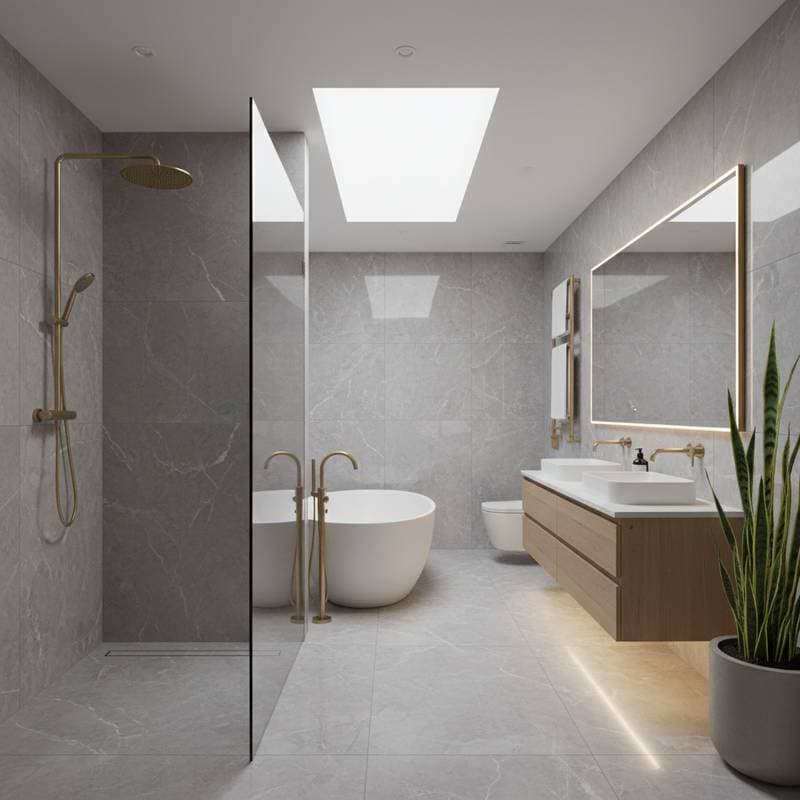
Luxury Wet Room (Exceeding $25,000)
Premium installations yield the greatest value appreciation in upscale properties, where discerning buyers prioritize sophisticated elements and comprehensive accessibility.
- Natural stone or large-format slab tiles
- Bespoke drainage channels integrated with ambient lighting
- Concealed linear glass barriers
- Intelligent shower systems featuring programmable temperatures
- Suspended vanity unit paired with built-in ventilation
Ensuring Safety and Regulatory Adherence
Prior to commencing any structural alterations, evaluate potential hazards in existing setups.
- Presence of asbestos or lead-based paint in pre-1980s structures
- Concealed electrical wiring or piping within wall cavities
- Adequate airflow mechanisms to manage humidity levels
During removal processes, equip yourself with protective gloves, safety eyewear, and a respiratory mask. Employ a wet vacuum system to minimize airborne particles. Verify subfloor stability before applying waterproofing layers. Local regulations typically mandate that certified plumbers oversee drain modifications to comply with plumbing codes.
Every wet room requires a specialized waterproof membrane that undergoes rigorous testing against industry benchmarks. Request documentation of certifications and warranty provisions from your installer prior to project approval.
Upkeep Strategies and Protection Plans
Daily and Weekly Cleaning Protocols
Wet rooms simplify maintenance when buildup is addressed promptly. Direct a steady stream of water over walls and glass surfaces each week to remove residues. Employ a squeegee immediately after use to eliminate water marks. Select mild cleaners that preserve grout integrity without eroding protective sealants.
Periodic Inspections for Grout and Seals
Examine grout lines and silicone applications biannually for signs of wear. Apply fresh sealant to grout every three to four years to avert moisture penetration. Promptly substitute any cracked or faded silicone to maintain barrier effectiveness.
Drain and Airflow Maintenance
Remove debris from the drain trap on a monthly basis to ensure unobstructed flow. Activate the exhaust fan for a minimum of 20 minutes following each use. Inadequate ventilation accelerates deterioration of surface finishes and joint materials.
Scope of Warranties
- Waterproofing layers: 10 to 20 years of coverage
- Tile adhesion and placement: 1 to 5 years
- Underfloor heating components: 5 to 10 years
Retain all documentation and warranty certificates in an accessible file. Transferable protections enhance appeal during property transactions.
Tiered Upgrade Recommendations
| Tier | Tile Material | Drainage Type | Key Elements | Estimated Cost |
|---|---|---|---|---|
| Basic | Ceramic | Central drain | Single fixture, fundamental waterproofing | $14,000–$16,000 |
| Enhanced | Porcelain | Linear drain | Dual fixtures, radiant heating | $18,000–$22,000 |
| Superior | Stone or slab | Integrated channel | Automated systems, premium accents | $25,000–$28,000+ |
For maximum impact, prioritize installation of a linear drain paired with a comprehensive membrane. This foundation mitigates concealed water damage and facilitates straightforward updates to flooring without extensive reconstruction.
Implementation Guide
-
Solicit multiple estimates. Evaluate waterproofing methodologies, material inclusions, and workforce pricing. Verify each bidder's portfolio includes complete wet room conversions beyond basic shower updates.
-
Establish a detailed budget. Allocate an additional 10 percent buffer to cover unforeseen issues like structural repairs or custom material adjustments.
-
Design the spatial arrangement. Diagram water pathways, drain positions, and entry points. Position electrical receptacles outside direct water exposure areas.
-
Procure supplies in advance. Account for delivery delays on specialized drains and glass components that could extend timelines.
-
Secure necessary approvals. Delegate plumbing and electrical permitting to your contractor, and obtain duplicate records for personal files.
Practical Actions to Proceed
-
Evaluate existing facilities. Measure available area, assess floor gradients, and review current airflow capacity.
-
Define project boundaries. Determine whether to pursue a total overhaul or targeted tub elimination.
-
Engage qualified professionals. Request client testimonials and detailed warranty explanations from potential teams.
-
Project costs accurately. Anticipate expenditures between $14,000 and $28,000, offset by potential value increases of up to 15 percent.
-
Schedule strategically. Align the work with favorable weather conditions and supplier stock levels.
A thoughtfully executed wet room upgrade elevates everyday usability while strengthening market positioning. When constructed to exacting standards, it endures for generations, demands little ongoing effort, and aligns seamlessly with contemporary lifestyles. The initial investment yields returns in convenience, security, and enduring attractiveness.