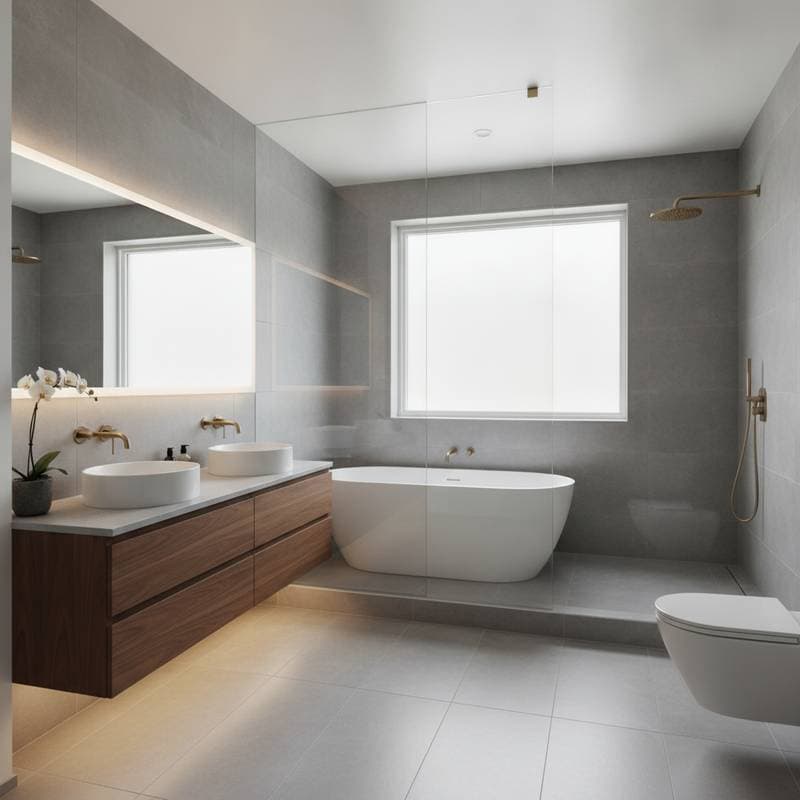
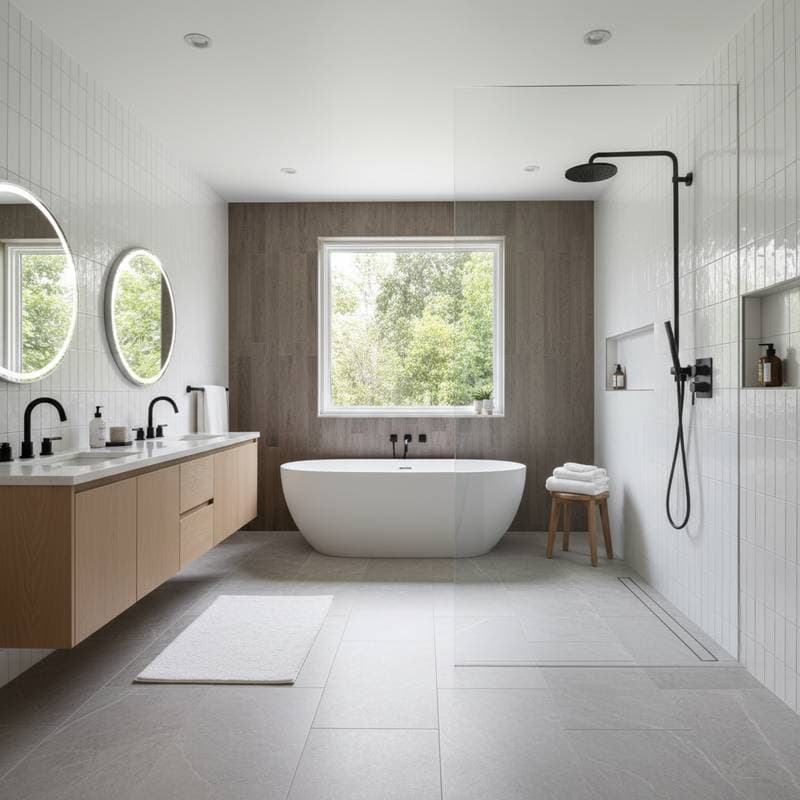
Duration: Professionals complete the project in three to seven days; inexperienced attempts extend timelines significantly.
Essential Equipment: Include trowels for gradient application, impermeable sheeting, specialized drain assemblies, and precision cutting tools for tiling.
Associated Risks: Substantial potential for errors, where water breaches could compromise substructures and support elements, incurring costly remediation.
Engage certified specialists for critical phases involving waterproofing and hydraulic systems. Errors in these areas prove financially burdensome to correct and frequently invalidate protective guarantees. Homeowners may undertake secondary tasks, such as applying final coats of paint or mounting fixtures, after core structural completion.
To select a reliable contractor, request portfolios of prior wet room projects, verify licensing through local regulatory bodies, and obtain detailed breakdowns of timelines and material specifications. Budget for contingencies, allocating 10 to 15 percent above estimates to cover unforeseen adjustments.
Longevity and Ongoing Care Protocols
A properly executed wet room endures for 20 to 30 years under consistent maintenance practices.
Recommended Care Regimen:
- Weekly Tasks: Surface walls and flooring with mild cleaners to eliminate residue from soaps and shampoos.
- Monthly Inspections: Examine sealant lines and drainage components for signs of wear or obstruction.
- Annual Reviews: Apply fresh sealants to perimeter joints and evaluate the integrity of underlying waterproof barriers.
Premium impermeable systems typically include decade-long assurances. Adhere to regional regulations, which might mandate compliance with standards like ANSI A118.10 for barrier materials. Consult product guidelines rigorously to preserve warranty validity and extend service life.
Incorporate preventive measures, such as installing exhaust fans rated for high humidity to mitigate vapor buildup. For tiled surfaces, opt for materials with inherent antimicrobial properties to further simplify hygiene efforts.
Regional Influences on Design and Execution
Variations in local workforce costs and regulatory frameworks directly impact overall expenses. Coastal regions necessitate materials engineered for elevated moisture levels, such as enhanced vapor barriers. In temperate zones, integrating radiant floor systems counters chill and curbs moisture condensation.
Urban settings often impose rigorous hydraulic oversight, requiring official approvals and certified personnel. Select tiling suited to environmental demands: porcelain variants thrive in steamy conditions, whereas natural stone demands periodic protective coatings.
Prior to commencement, review jurisdiction-specific guidelines on gradient angles, typically between one and two percent, and drainage capacities. Engage a local surveyor if adapting existing structures to ensure alignment with zoning prerequisites.
Essential Safety Considerations
Primary concerns revolve around impermeable integrity and efficient water evacuation. Suboptimal gradients or compromised barriers invite seepage that undermines foundational elements. Specify flooring with anti-slip ratings of at least R10 to minimize fall hazards.
Any electrical integrations, including illumination or warming elements, require adherence to codified practices and execution by qualified technicians. Relocating hydraulic conduits generally triggers permitting processes; verify requirements through municipal authorities.
Conduct thorough pre-installation assessments, including moisture metering of subfloors, to preempt vulnerabilities. Post-completion, perform pressure tests on drainage lines to confirm operational reliability.
Frequently Asked Questions
What is the typical timeline for a wet room installation? Professional teams generally conclude the work within four to seven days, influenced by tiling complexity and spatial configurations.
Is it feasible to install a wet room on an upper level? Affirmative, provided subfloor fortification and comprehensive waterproofing measures prevent downward water migration.
Do wet rooms require unique drainage solutions? Indeed, incorporate linear or centralized drains engineered for level flooring to facilitate unobstructed flow.
How challenging is cleaning a wet room? Quite manageable; the seamless design and reduced crevices simplify routine maintenance, with prompt surface wiping averting accumulations.
Can flooring in a wet room be heated? Certainly; embed electrical mats or hydronic circuits beneath tiles to provide consistent warmth.
Steps to Implement Your Wet Room Upgrade
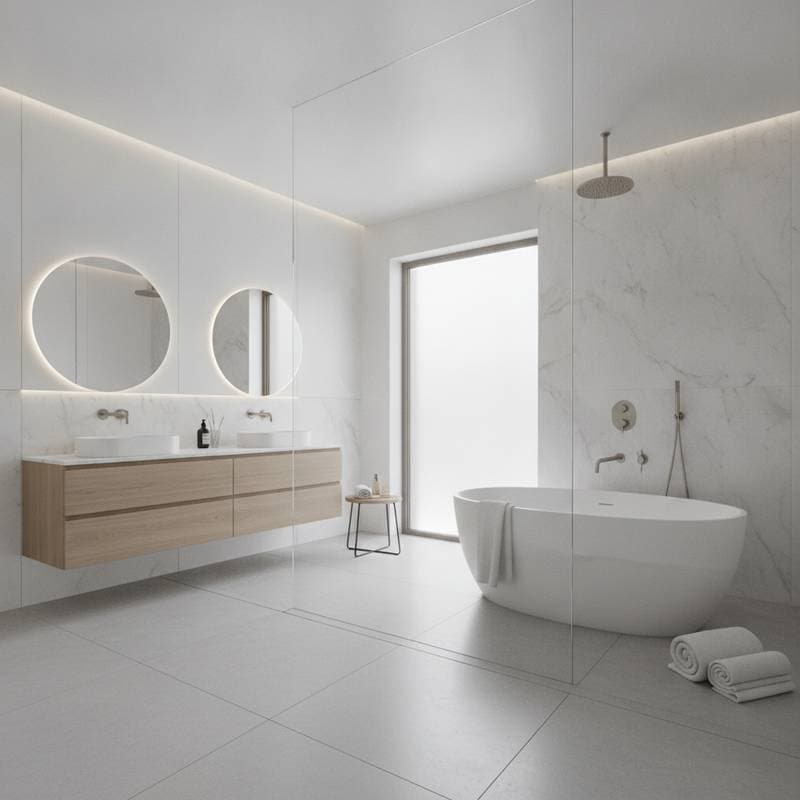
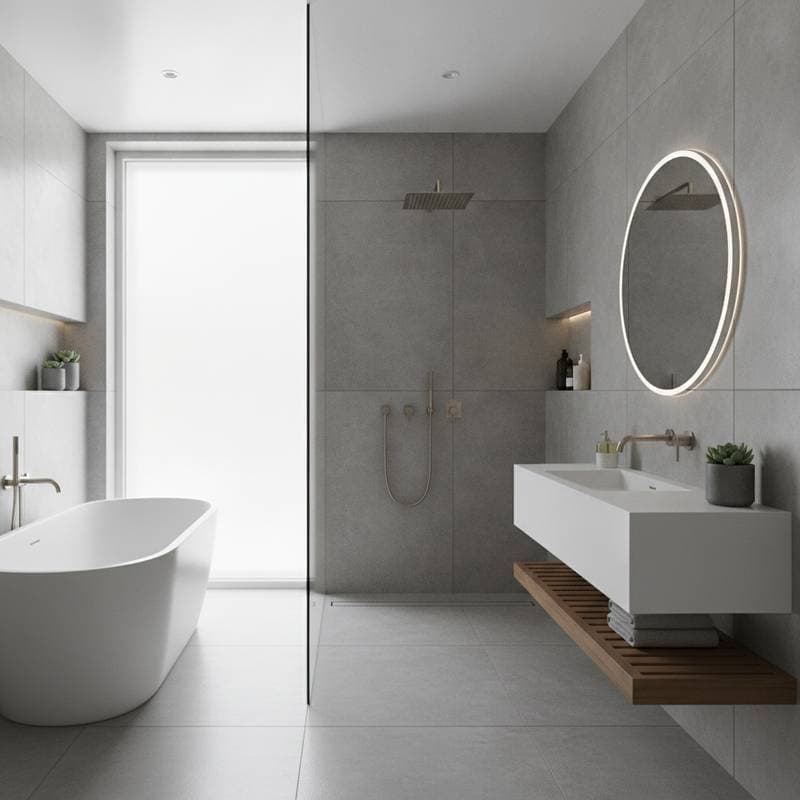
Integrating a wet room enhances utility, visual allure, and financial returns upon sale. Approach the project methodically by assembling a team of vetted experts and selecting enduring surface treatments. Emphasize superior barrier technologies and intuitive spatial arrangements. Initiate with consultations on permitting and secure multiple proposals from accredited professionals to inform your decisions.