EV Chargers Add Value as Buyers Expect Them by 2026
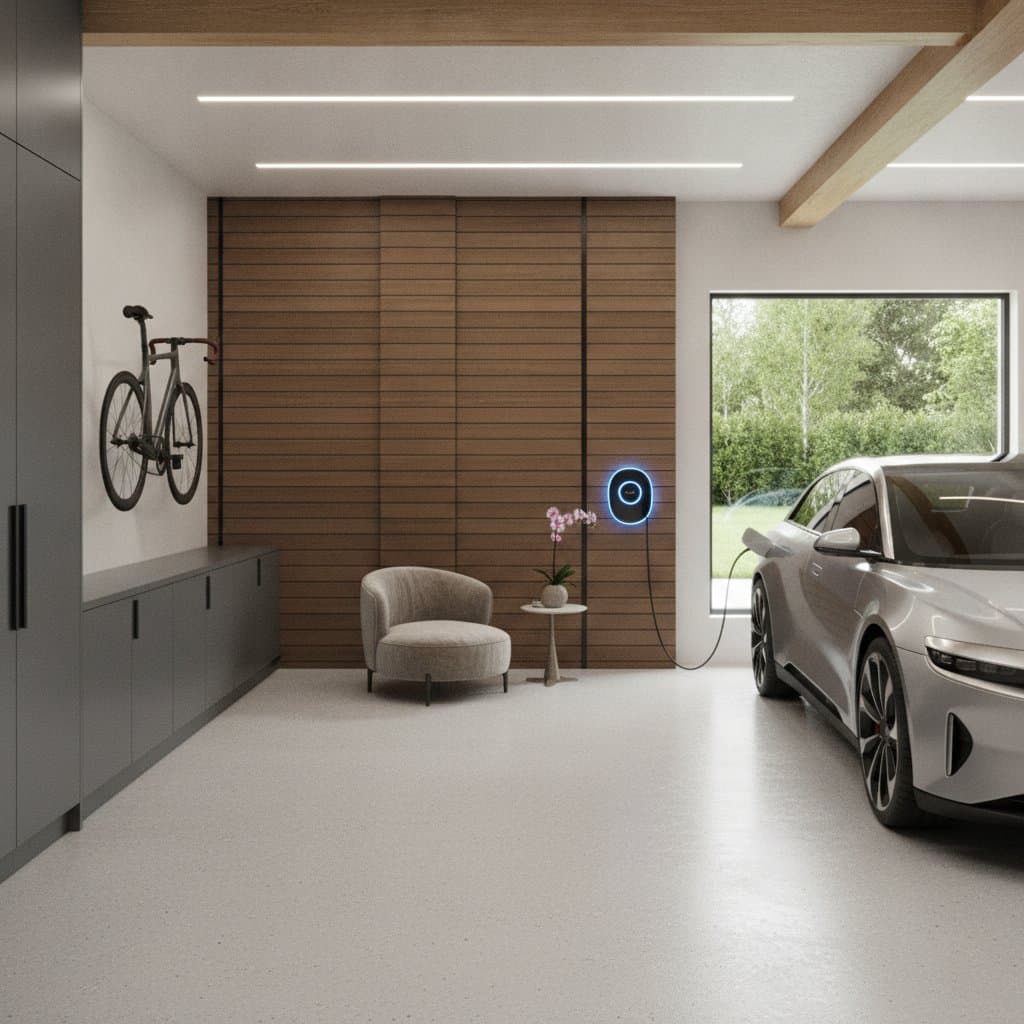
Homeowners who install electric vehicle (EV) chargers today position their properties for significant appreciation in the coming years. As electric vehicles gain mainstream adoption, buyers increasingly seek homes equipped with charging infrastructure. Projections indicate that by 2026, a majority of homebuyers will view EV chargers as a standard feature, much like garages or updated kitchens.
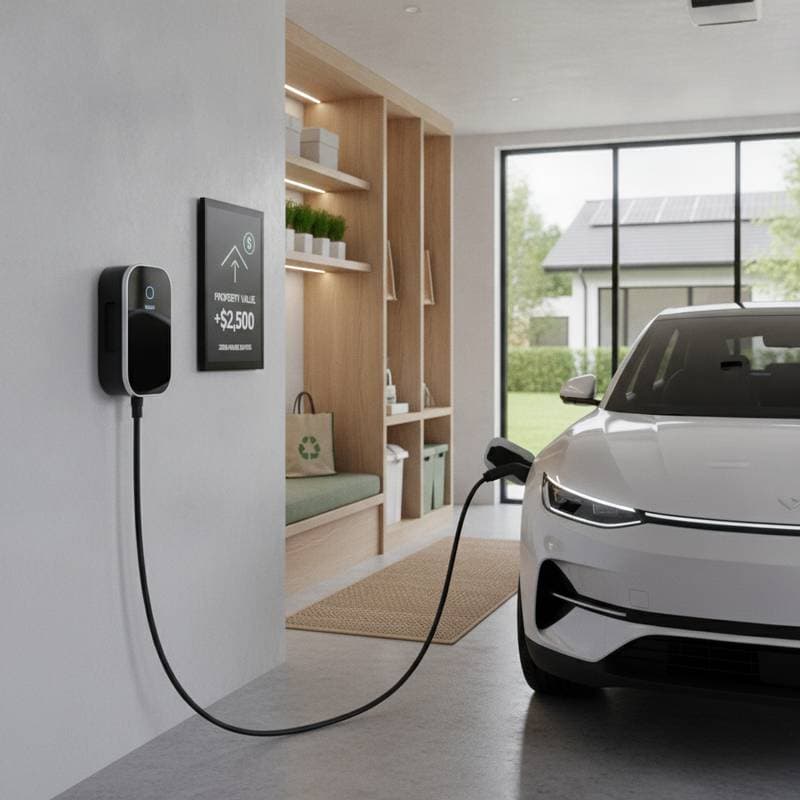
This shift reflects broader trends in sustainable living and technological integration. Properties with chargers not only attract eco-conscious purchasers but also command premium prices. Real estate experts forecast that such installations could elevate home values by up to 5 percent in key markets.
The Rising Demand for EV-Ready Homes
Electric vehicle sales have surged, with millions of units on roads worldwide. Governments and automakers push for widespread adoption through incentives and expanded production. By 2026, analysts predict that EVs will represent over 30 percent of new vehicle purchases in the United States.
Buyers prioritize convenience and forward-thinking amenities. A home without charging capabilities may deter potential offers, especially from younger demographics who favor green technologies. Installing a charger signals that the property aligns with future mobility needs.
Market data supports this trend. Listings featuring EV chargers sell faster and at higher prices compared to similar homes without them. This advantage stems from the perceived modernity and reduced hassle for new owners.
Benefits of Installing an EV Charger
One primary advantage lies in enhanced property appeal. Chargers demonstrate a commitment to sustainability, resonating with environmentally aware buyers. They also offer practical benefits, such as overnight charging that eliminates reliance on public stations.
Energy efficiency plays a key role. Home chargers enable access to lower off-peak electricity rates, leading to substantial savings over time. For sellers, this feature underscores the home's operational cost advantages.
Moreover, chargers future-proof the property. As EV infrastructure expands, homes with built-in solutions avoid the disruption and expense of retrofitting later. This proactive approach can differentiate a listing in competitive real estate landscapes.
Choosing the Right Type of Charger
Homeowners face several options when selecting an EV charger. Level 1 chargers connect to standard outlets and provide basic charging speeds, suitable for occasional use. However, they require longer times to fully charge a vehicle, often overnight for smaller batteries.
Level 2 chargers represent the optimal choice for most residences. These units deliver faster charging, typically adding 20 to 60 miles of range per hour. Installation involves a dedicated 240-volt circuit, which enhances the home's electrical capacity for other uses as well.
DC fast chargers, or Level 3, suit commercial settings rather than homes due to their high power demands and costs. For residential applications, Level 2 models balance performance and affordability, appealing broadly to prospective buyers.
- Assess your electrical panel: Ensure it can support the charger's amperage without upgrades.
- Consider vehicle compatibility: Verify that the charger works with popular EV models like Tesla or Nissan Leaf.
- Opt for smart features: Many modern units include app controls for scheduling and energy monitoring.
The Installation Process Step by Step
Begin by consulting a licensed electrician to evaluate your home's electrical system. This assessment identifies any necessary panel upgrades or wiring adjustments. Professional installation ensures compliance with local codes and safety standards.
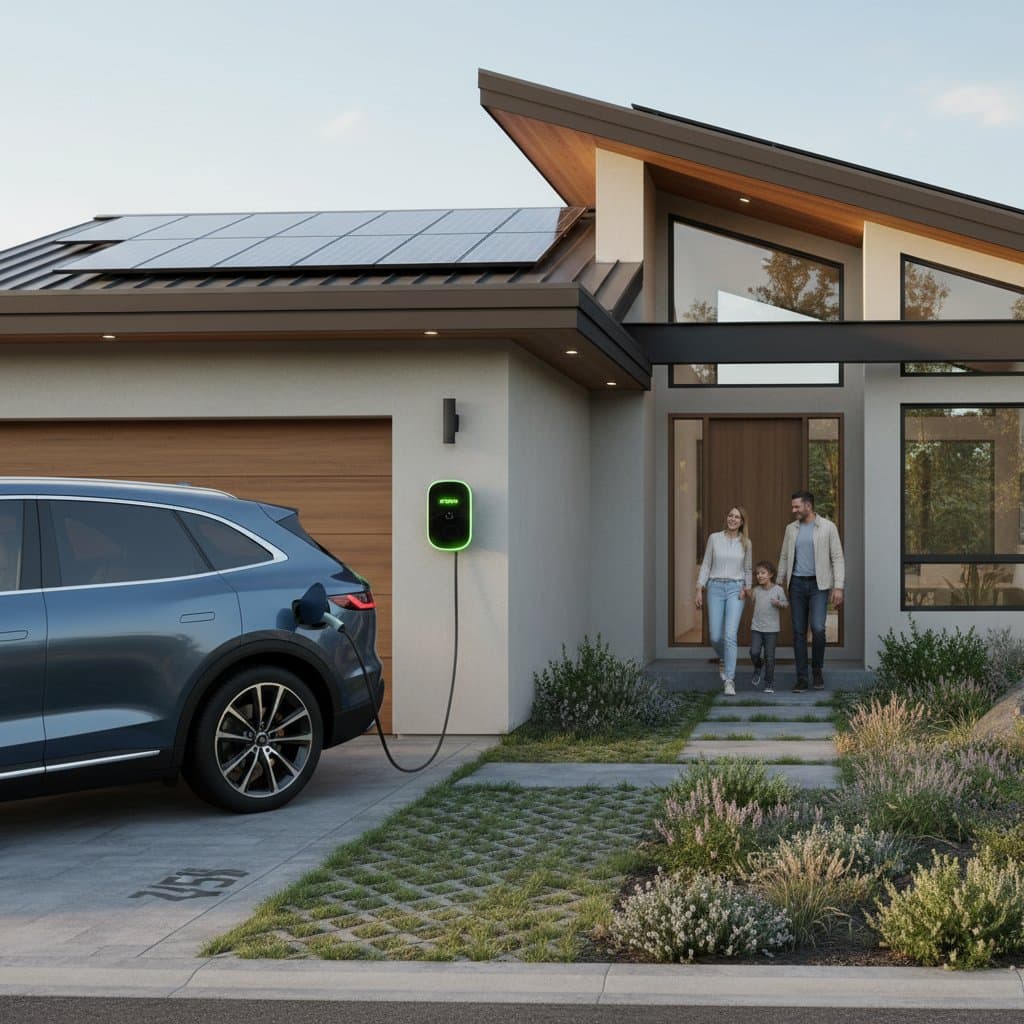
Next, select a convenient location, such as the garage or driveway. Proximity to the electrical source minimizes wiring costs while maximizing accessibility. Permits may be required depending on municipal regulations, so factor in approval timelines.
Installation typically takes one to two days. Electricians mount the unit, run conduit, and connect it to the power supply. Post-installation testing confirms safe operation and optimal performance.
- Schedule an electrical inspection.
- Obtain necessary permits.
- Choose and purchase the charger.
- Coordinate with the installer for setup.
- Test the system and register for any warranties.
Understanding Costs and Return on Investment
Initial expenses for a Level 2 charger range from $500 to $1,000 for the unit itself. Installation costs vary by location and complexity, often between $750 and $2,000. Homeowners may qualify for federal tax credits or utility rebates that offset these outlays.
Long-term savings accrue through efficient charging and potential energy incentives. Reduced fuel costs for EV owners translate to lower household expenses, enhancing the property's desirability. Resale value increases justify the upfront investment for many sellers.
In high-demand areas, the return on investment materializes quickly. A charger can recoup its cost within a few years through faster sales and price premiums. This makes it a strategic upgrade for properties targeting modern buyers.
Preparing Your Property for the 2026 Market
As the EV market evolves, proactive enhancements like chargers become essential. Integrate the installation with other updates, such as energy-efficient appliances, to create a cohesive sustainable profile. Highlight these features in listing descriptions to draw qualified interest.
Engage real estate professionals familiar with green amenities. They can appraise the added value accurately and market the home effectively. Timing the installation before listing maximizes its impact on buyer perceptions.
Ultimately, EV chargers transform a standard home into a forward-looking asset. They meet emerging expectations and deliver tangible benefits, ensuring competitiveness in tomorrow's real estate landscape.