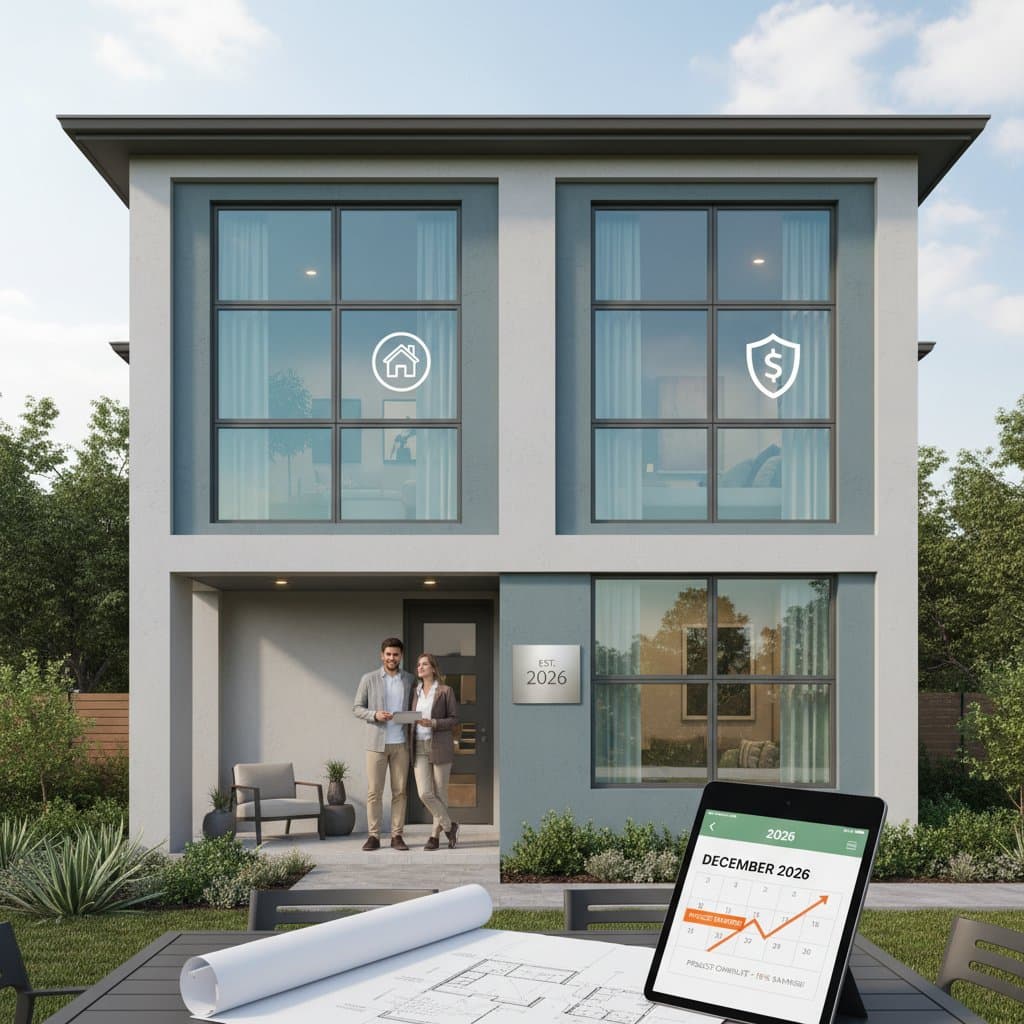
Reduce Home Insurance Premiums by 15 Percent with Impact Windows Through 2026
Expected savings: 15 percent reduction in home insurance premiums, with full-house installation costs ranging from $12,000 to $28,000.
Installing impact-resistant windows safeguards properties against hurricane damage and qualifies homeowners for substantial insurance discounts. These upgrades enhance structural integrity and provide long-term financial benefits. Homeowners in vulnerable areas benefit most from this investment.
Key Cost Considerations
Project expenses vary based on home size, window specifications, and regional labor rates. Homeowners should account for the following elements to develop an accurate budget.
- Glass specifications: Laminated or impact-resistant glass increases costs by $20 to $45 per square foot. Such materials meet stringent requirements in hurricane-prone regions.
- Frame options: Aluminum and vinyl frames prevail in the market. Aluminum offers superior resistance to heat and corrosion, though it commands approximately 15 percent higher pricing than vinyl.
- Installation labor: Rates range from $250 to $600 per window, covering removal, precise fitting, and secure sealing. Custom-sized openings or access to multi-story elevations add 10 to 25 percent to these figures.
- Permits and inspections: Allocate $200 to $800 for compliance with local building codes.
- Disposal and repairs: Factor in $300 to $1,000 for disposing of old frames and repairing surrounding stucco or siding.
- Energy-efficient features: Low-emissivity (Low-E) coatings or argon gas fillings elevate costs by $5 to $10 per square foot. These enhancements lower annual energy expenses by up to 10 percent.
Homes with more than 20 window openings or intricate designs warrant a 10 to 15 percent contingency fund. This provision addresses potential delays in custom fabrication or adjustments to measurements.
Evaluating DIY Installation Versus Professional Services
DIY complexity level: High
Associated safety risks: High
Required tools: Power drill, level, caulking gun, glazing equipment, and heavy-lifting aids
Situations Suitable for DIY
- Replacement of compact windows in basements or sheds, where no structural framing integration exists
- Projects undertaken by individuals with demonstrated experience in frame removal and glass sealing
- Scenarios where assistance ensures safe handling of substantial window panes
Circumstances Requiring Professional Expertise
- Installation in second-story locations or expansive openings
- Residences situated in hurricane-vulnerable areas subject to mandatory code inspections
- Instances demanding documented certification to secure insurance premium reductions
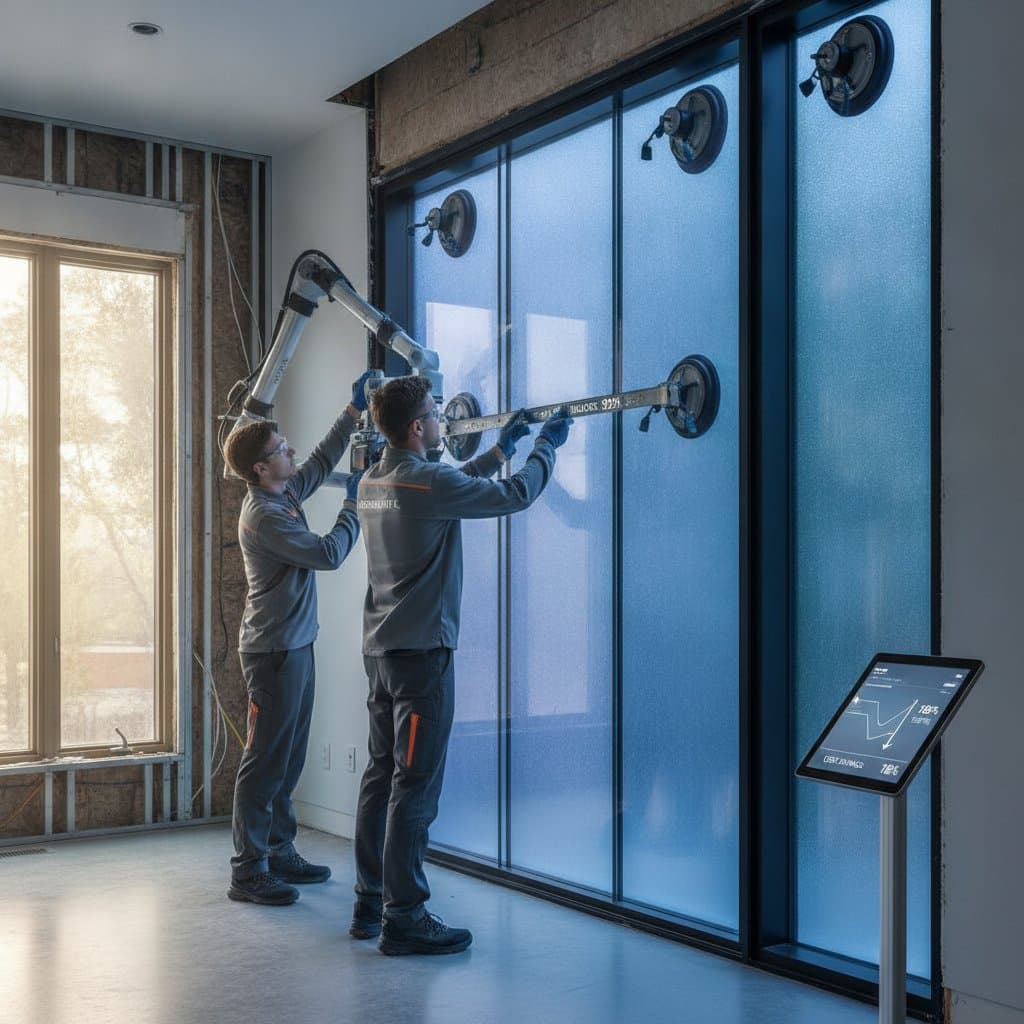
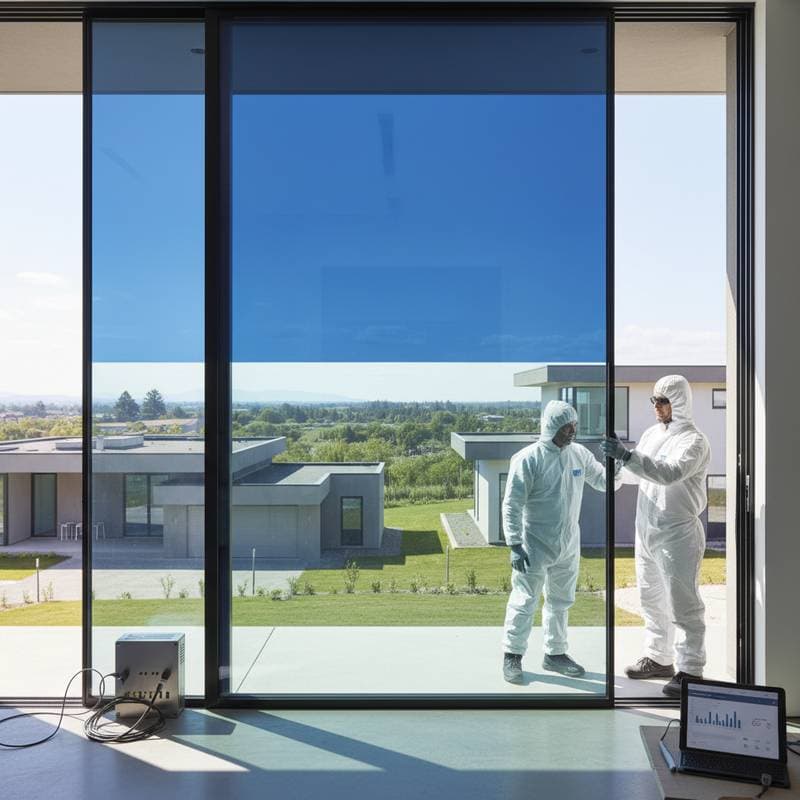
Professionals become essential upon observing indicators such as cracked stucco, uneven frames, or condensation within double-pane units. Certified installers guarantee appropriate anchoring and sealing, elements that insurance providers scrutinize prior to granting discounts.
Ensuring Safety and Regulatory Adherence
Prior to commencing window removal, implement these precautionary measures.
- Disconnect electrical power to adjacent outlets and lighting fixtures.
- Equip personnel with gloves, protective eyewear, and stable footwear.
- Test for lead paint presence in pre-1978 homes before frame disturbance.
- Provide temporary support to each opening to avert wall fractures.
Common Permit Requirements
Coastal and high-wind areas typically mandate permits for impact-rated window installations. Officials verify anchoring depth, glass certification labels, and secure connections to the building's framework. Retain all product approval documents for subsequent insurance validation.
Neglecting permits incurs significant repercussions. Unauthorized modifications may invalidate discount eligibility or trigger code enforcement issues at the time of property sale.
Ongoing Maintenance and Warranty Details
Impact windows demand minimal upkeep, yet regular inspections preserve their performance.
Standard Maintenance Practices
- Clean glass surfaces every few months with mild soap and water solutions.
- Examine seals and caulking annually; reapply sealant to any visible fissures.
- Apply silicone spray to hinges and locks for smooth operation.
- Clear drainage channels to inhibit moisture accumulation.
Components Prone to Initial Wear
- Gasket seals degrade first, resulting in interior fogging.
- Frame surfaces lose vibrancy under intense coastal sunlight, particularly in deeper hues.
- Locks and rollers succumb to corrosion in saline environments.
Manufacturers generally extend warranties of 10 to 25 years on glass and frames. Coverage for labor often limits to initial years; review policy details thoroughly. In humid regions, extended warranties priced at $200 to $600 prove valuable investments.
Navigating Insurance Discounts and Emerging Trends
Insurance companies incentivize verified protective measures, with incentives intensifying amid escalating weather threats. Properties equipped with certified impact windows experience reduced claim frequencies, yielding premium reductions of 15 percent upon verification.
Documentation Demanded by Insurers
- Visible impact certification markings on the glass
- Invoices from licensed installation services
- Records of permits and completed inspections
Incomplete submissions limit savings to partial amounts. Forward all pertinent documents to the insurer within 30 days following the final inspection.
Current Market Dynamics
Interest in impact-rated products continues to surge. Seasonal supply constraints during peak storm periods elevate prices by 5 to 8 percent. Early reservations secure favorable rates and material availability.
Durability and Return on Energy Investments
With diligent maintenance, impact windows endure 20 to 30 years. The laminated glass construction withstands shattering forces and dampens external noise levels. Cumulative energy efficiencies frequently recoup one-third of upfront expenditures.
Notable Efficiency Improvements
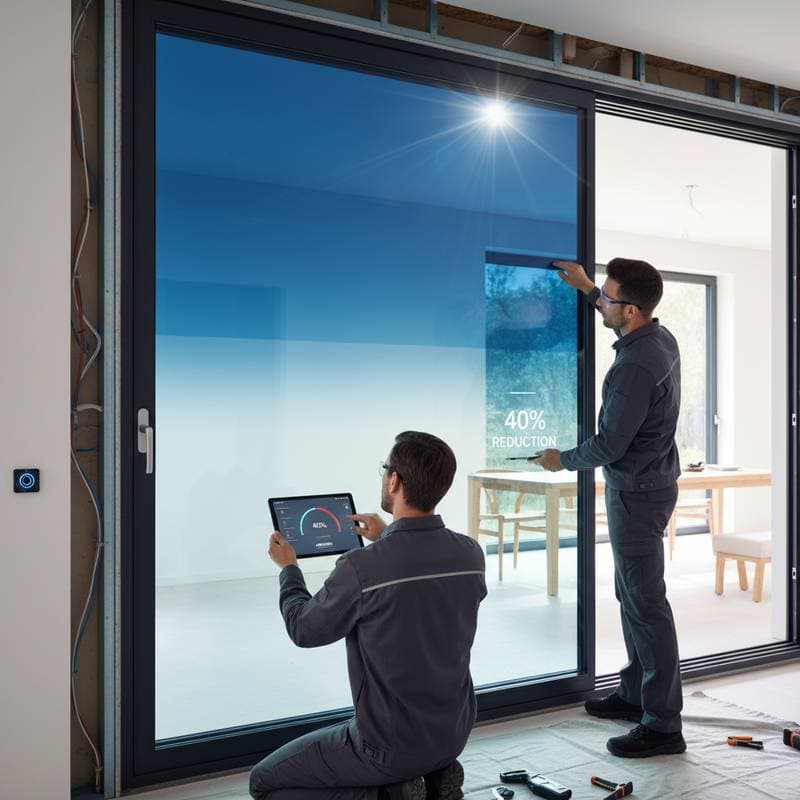
- Low-E coatings diminish heat transmission by as much as 40 percent.
- Enhanced seals minimize air infiltration, generating annual energy savings of $200 to $400.
- Superior sound insulation elevates living comfort and property marketability.
Replacement surpasses repairs for windows exceeding 15 years in age. Patching worn frames seldom complies with contemporary wind or energy standards and delivers inferior longevity at roughly half the cost of full replacements.
Practical Steps to Proceed
- Obtain estimates from at least three contractors. Evaluate comprehensive pricing, permit management, and warranty provisions.
- Specify certified products. Seek verification labels for impact resistance and energy performance.
- Consult your insurance provider. Identify required documentation for discount approval prior to project initiation.
- Explore financing options promptly. Certain institutions provide low-interest loans tailored to home enhancements, facilitating cost distribution.
- Arrange for official inspection. Many jurisdictions require conclusive approval before insurance adjustments take effect.
Enhanced protection forms the foundation for insurance savings. Impact windows achieve this objective effectively.