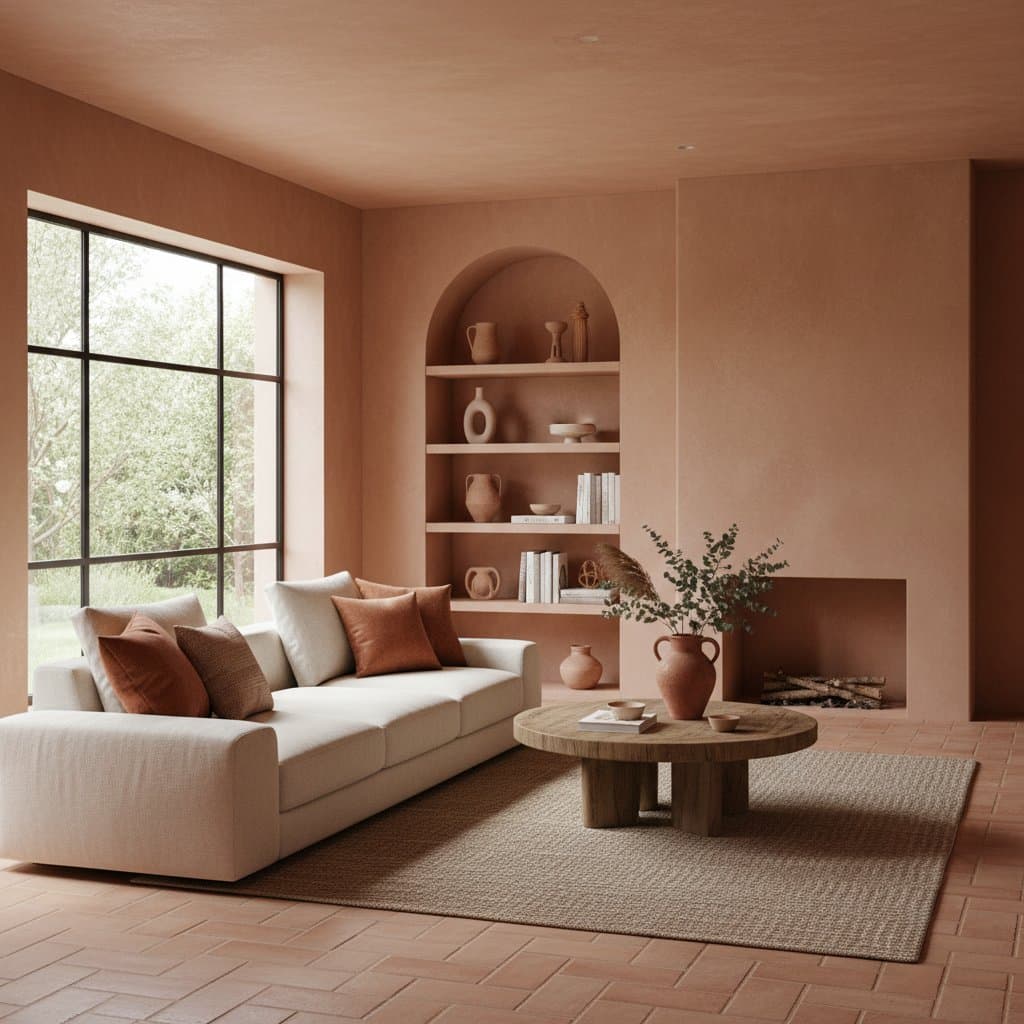
Terracotta's Ascendancy in 2026: Infusing Homes with Genuine Warmth
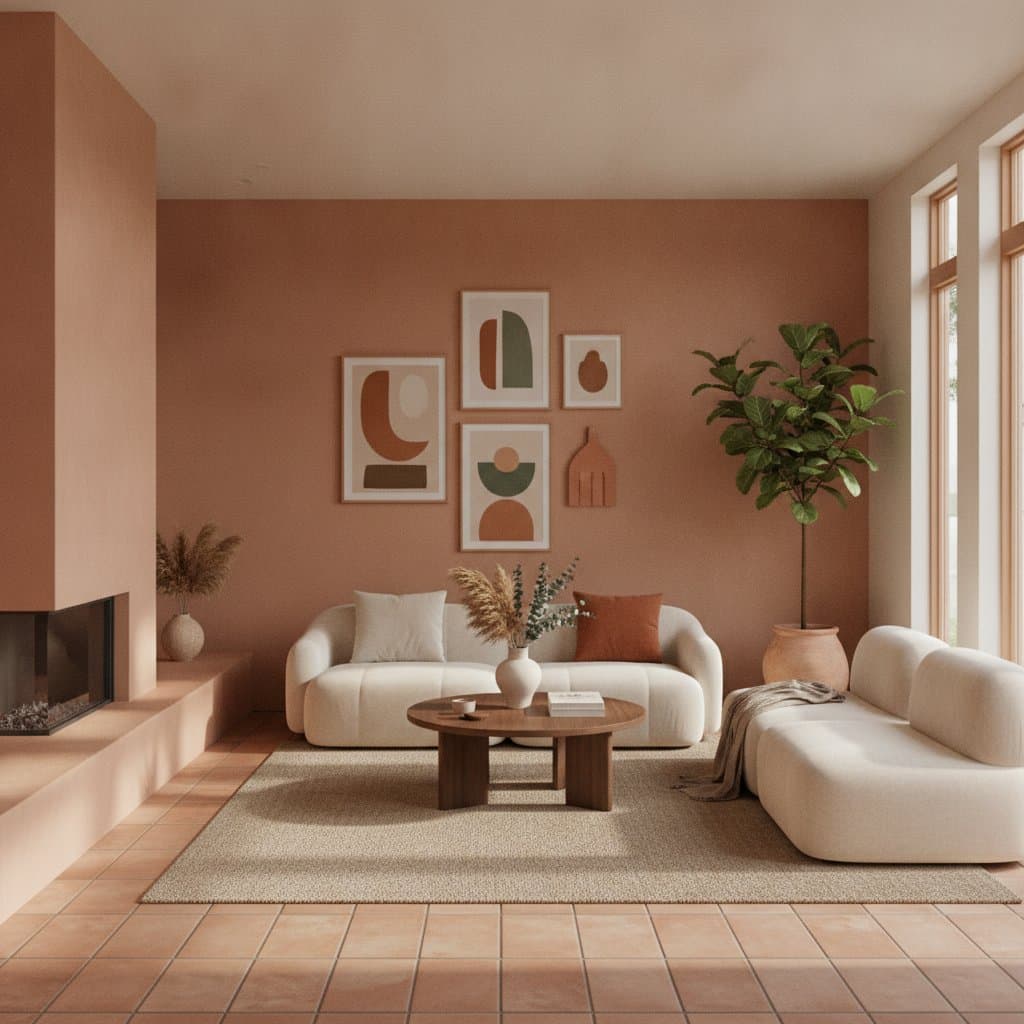
Terracotta tones reclaim prominence in contemporary home design landscapes. These subtle clay-inspired shades, encompassing sun-warmed reds and subdued oranges, supplant the prevalent cool grays and stark whites. Homeowners seeking an infusion of warmth, tactile depth, and an anchored aesthetic find this trend particularly appealing. Terracotta integrates seamlessly across modern minimalism and rustic charm, serving as a foundation for walls, floors, or subtle accents.
Defining Terracotta
The term terracotta translates to baked earth, originating from clay materials fired at modest temperatures to yield a characteristic reddish-brown hue. In design contexts, it extends to a broader spectrum of earthy colors drawn from natural clay sources. Professionals and enthusiasts alike employ terracotta in paints, tiles, fabrics, and decorative elements to cultivate environments that evoke comfort and authenticity.
This approach resonates with individuals desiring an organic, enveloping atmosphere. While it thrives in arid or sun-drenched regions, terracotta equally enhances coziness in temperate or cooler locales by countering sterility with grounded vitality.
Cost Overview
Expenses for terracotta applications fluctuate based on material selection and installation scope.
- Paints: Range from $30 to $80 per gallon, influenced by brand reputation and finish type.
- Tiles: Basic options cost $4 to $12 per square foot, while artisanal or imported varieties reach $30 per square foot.
- Decorative Elements: Vases, lamps, and accents span $20 to $200.
- Flooring Installations: Total $6 to $20 per square foot, inclusive of labor.
Key cost influencers include:
- Origin and caliber of materials
- Craftsmanship, whether handmade or produced mechanically
- Labor for installation
- Preparatory surface work
- Ongoing sealing and preservation efforts
Advantages and Disadvantages
Advantages
- Introduces profound warmth and dimension to otherwise bland neutrals
- Harmonizes effortlessly with complementary earth tones and organic textures
- Adapts to interior and exterior applications
- Endures when properly sealed and cared for
- Maintains relevance beyond fleeting fashions
Disadvantages
- Unprotected terracotta remains absorbent, prone to staining
- Batch-to-batch color inconsistencies occur frequently
- Improperly laid tiles risk chipping or fracturing
- Certain deeper shades may visually contract smaller areas
- Demands regular sealing to mitigate moisture ingress
Varieties and Applications
Terracotta manifests in diverse formats, each offering unique aesthetics and care requirements.
- Terracotta Tiles: Traditional selection for flooring or splashbacks, aligning with Mediterranean or countryside motifs.
- Terracotta Paints: Simplest method to introduce warmth, suitable for focal walls or comprehensive room treatments.
- Pots and Accessories: Delivers targeted color bursts, ideal for leaseholders or subtle refreshes.
- Veneers or Panels: Slim profiles for accent walls, simplifying installation over traditional tiling.
- Fabric Interpretations: Rugs, pillows, and drapery in terracotta hues provide soft alternatives to rigid surfaces.
DIY Approaches Versus Professional Services
Small-scale terracotta endeavors, such as painting or accessorizing, lend themselves to independent execution. Larger undertakings like tiling or full flooring demand expert intervention for optimal results.
DIY Considerations
- Complexity: Moderate for painting, elevated for flooring tasks
- Duration: Typically 1 to 3 days per project
- Essential Tools: Brushes, rollers, tile cutters, and sealants
- Potential Pitfalls: Inconsistent pigmentation, tile fractures, inadequate sealing
Scenarios for Professional Engagement
Engage specialists for expansive flooring, wet areas like showers, or exterior installations. Experts ensure effective moisture barriers, precise grout lines, and thorough sealing. They also coordinate color uniformity across multiple tile lots.
Essential Implementation Guides
Painting a Terracotta Feature Wall
- Thoroughly clean and repair the target surface.
- Select and apply a primer compatible with the substrate.
- Mix the paint completely prior to application.
- Employ a roller for broad expanses and brushes for edges.
- Layer two coats to achieve uniform opacity.
- Allow complete drying between applications.
- Evaluate the hue under natural light prior to trim completion.
- Clean utensils with warm water or appropriate solvents.
- Dispose of residual paint according to local regulations.
Laying Terracotta Tiles
- Measure the area and delineate layout guidelines.
- Conduct a dry assembly to verify the pattern.
- Spread thinset mortar uniformly across the base.
- Position tiles with firm pressure and uniform gaps.
- Permit mortar to set as directed by the producer.
- Fill joints with grout and eliminate surplus material.
- Apply sealant after full curing to safeguard against dampness.
Upkeep and Durability
With diligent maintenance, terracotta elements endure for generations.
- Sealing Intervals: Renew every 1 to 3 years, adjusted for usage and environmental exposure.
- Cleaning Protocols: Opt for pH-neutral solutions; steer clear of acidic or bleaching agents.
- Seasonal Reviews: Inspect for fissures or discolorations routinely.
- Painted Areas: Refresh faded sections every few years.
Sealed tiles repel common stains and humidity effectively. Prompt attention to spills prevents absorption in untreated surfaces.
Comparable Choices
For those hesitant about terracotta's intensity, consider these substitutes:
- Porcelain with Clay Mimicry: Replicates the look while offering impermeability and simplified care.
- Beige or Taupe Coatings: Provide gentler warmth with minimal alteration.
- Brick Facings: Deliver analogous rustic depth with inherent variability.
- Metallic Warmth via Copper or Bronze: Introduces subtle glow through fixtures rather than clay bases.
These alternatives foster a stable, natural vibe with reduced maintenance demands.
Regional Considerations
Geographic conditions influence terracotta's efficacy.
- Colder Regions: Select frost-proof tiles and apply robust sealants to avert thermal fractures.
- Humid or Marine Environments: Favor glazed terracotta or porcelain to combat excess moisture.
- Arid Zones: Matte variants withstand solar bleaching.
- Regulatory Aspects: Local ordinances may mandate anti-slip treatments for patios or entryways.
Installation costs escalate in metropolitan areas due to elevated operational expenses.
Investment Return and Market Appeal
Terracotta's inherent warmth captivates prospective purchasers, evoking sophistication and livability. Earthy palettes paired with authentic materials signal enduring quality. Although market value hinges on locale and architectural context, expertly executed terracotta features like floors or walls elevate property allure. Low-cost paint transformations yield swift enhancements, optimizing financial returns.
Safety Protocols
Ensure adequate ventilation during painting or sealing operations. Don protective gloves and eyewear. Store sealants and adhesives distant from ignition sources. For tiling, utilize knee protection and maintain ergonomic lifting techniques. Scan for concealed wiring before penetrating walls. Verify permit requirements for significant flooring or modifications.
Integrating Terracotta Effectively
Transitioning to terracotta revitalizes spaces with authentic energy. Start with modest accents to gauge compatibility, then scale to structural elements. Consult color swatches under varied lighting to secure harmony. This deliberate integration yields homes that nurture daily life while projecting timeless refinement.