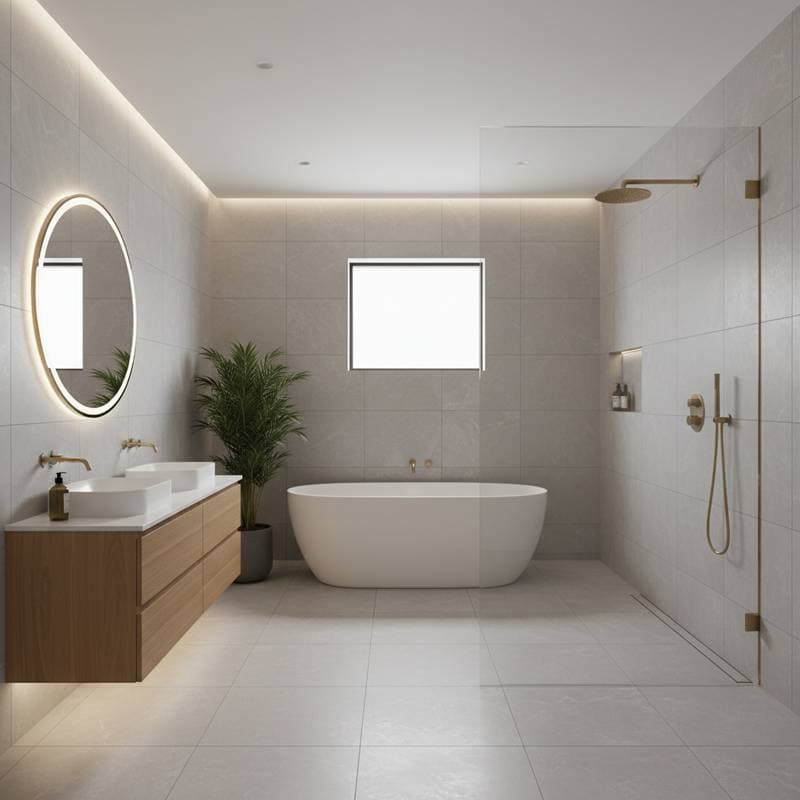
Convert Bathtubs to Wet Rooms: Secure a 15 Percent ROI Increase by 2026
Wet rooms enhance bathroom functionality and contribute up to 15 percent to a home's resale value. Prospective buyers favor walk-in showers, minimalist designs, and straightforward upkeep. For bathrooms featuring underutilized bathtubs, this conversion represents a strategic renovation choice.
Understanding Wet Rooms
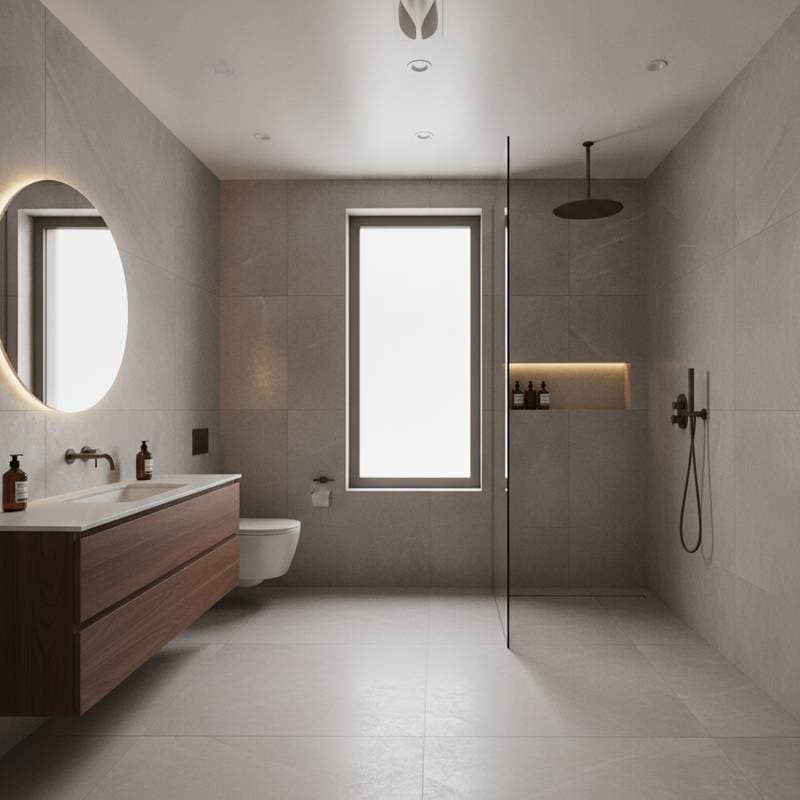
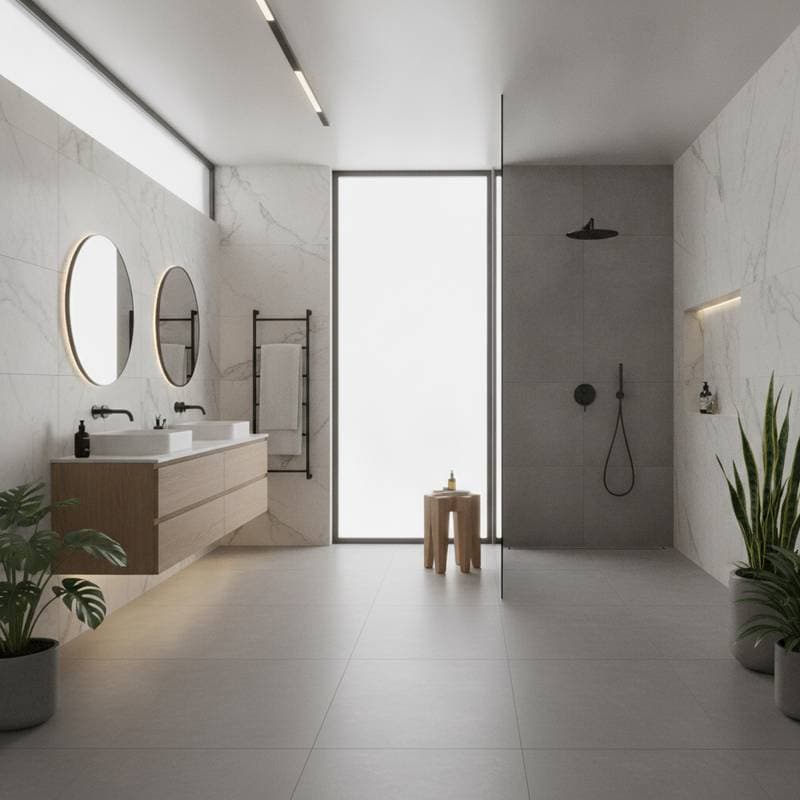
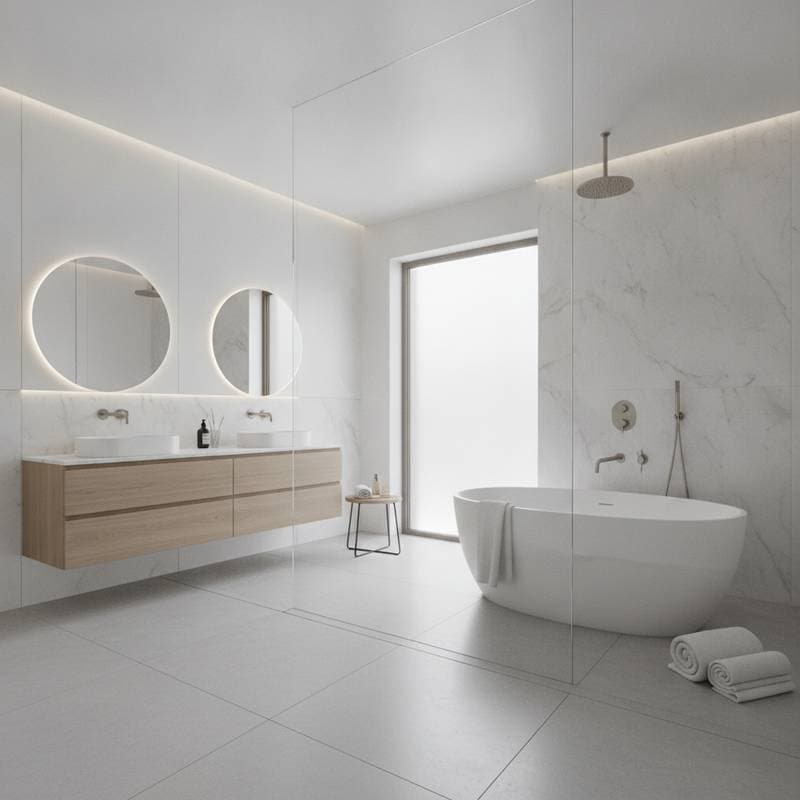
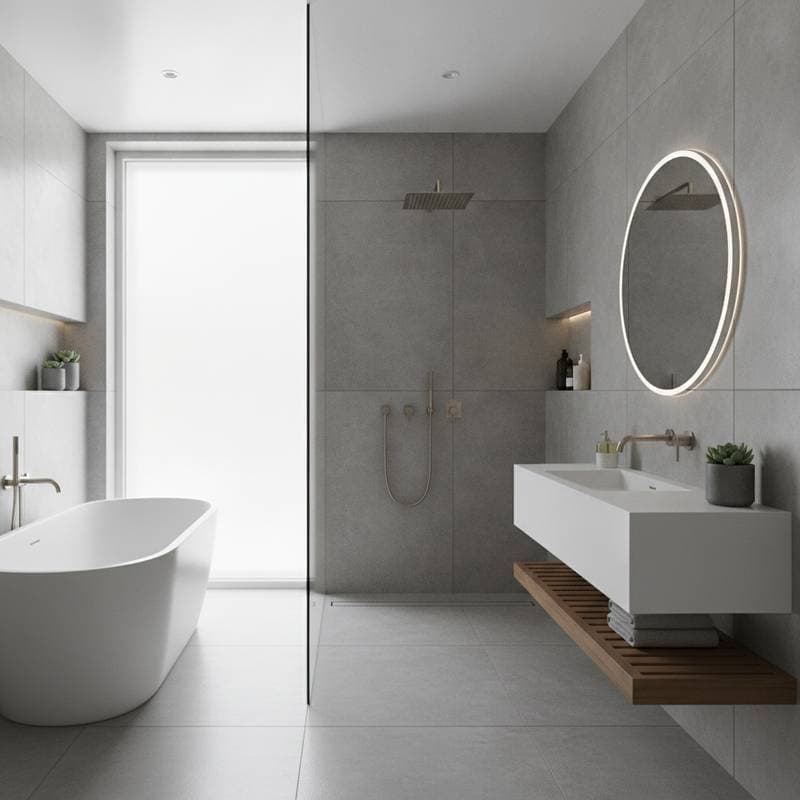
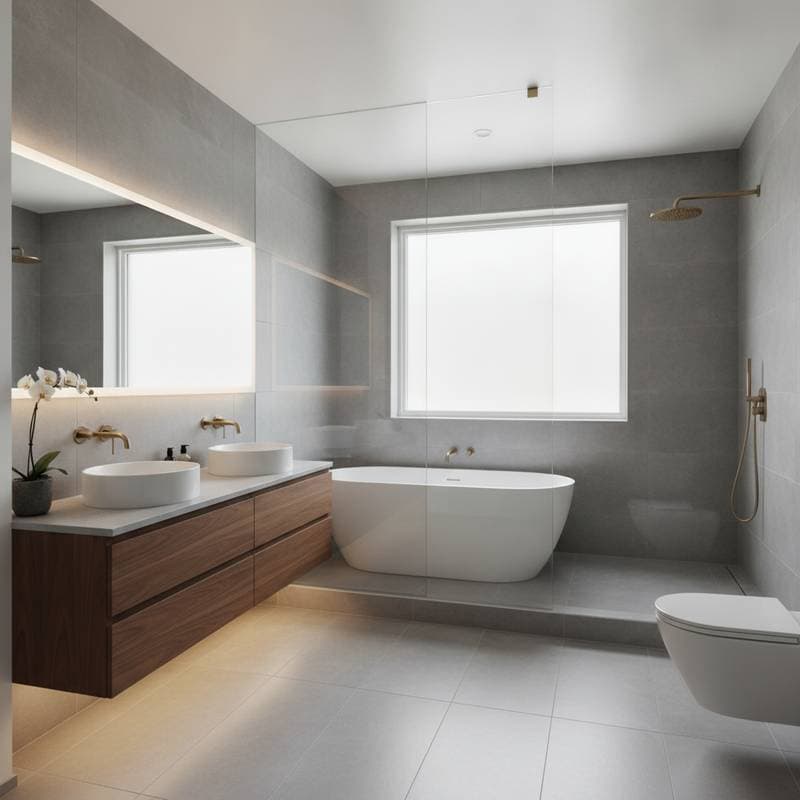
A wet room constitutes a completely waterproofed bathroom area featuring an open shower zone that drains directly through the floor. It eliminates bathtubs and enclosed bases. The flooring incorporates a subtle slope leading to a central drain, while walls and floors receive comprehensive sealing to avert water intrusion. This configuration yields a streamlined, user-friendly, and hygienic environment.
Reasons Homeowners Opt for Conversion
Individuals replace bathtubs with open showers primarily for aesthetic, spatial, and safety benefits. Wet rooms deliver a contemporary appearance and expand the perceived size of compact bathrooms. They minimize slip risks and accommodate users of varying abilities. Proper construction ensures rapid drying and resistance to mold growth.
Conversion Process from Bathtub to Wet Room
- Design the layout. Assess room dimensions and determine positions for the shower area and drain placement.
- Demolish the existing bathtub. Extract the tub, surrounding enclosure, and connected plumbing components.
- Create a sloped floor. Incorporate a prefabricated shower base or adjust the subfloor to incline toward the drain.
- Apply waterproofing throughout. Install a tanking membrane across floors and walls prior to tiling.
- Tile and secure joints. Select slip-resistant tiles and apply waterproof grout to all seams.
- Install shower components. Mount overhead or handheld showerheads, optional glass partitions, and updated fixtures.
- Conduct leak testing. Flood the floor with water and inspect all connections for integrity before completion.
Detailed Cost Analysis
| Task | Typical Cost Range | Factors Influencing Cost |
|---|---|---|
| Bathtub removal and site preparation | $400 to $800 | Room dimensions and plumbing intricacies |
| Comprehensive waterproofing | $800 to $1,500 | Membrane durability and installation expertise |
| Floor sloping and drain setup | $700 to $1,200 | Condition of existing subfloor |
| Tiling and surface finishing | $1,200 to $3,000 | Tile variety and pattern complexity |
| Fixtures and enclosures | $600 to $2,000 | Aesthetic preferences and brand selections |
Overall estimated cost: $3,700 to $8,500. Regional labor rates and material selections significantly impact the total.
Project Timeline
Conversions generally require four to seven days. Demolition and floor preparation occupy one to two days. Waterproofing and tiling demand an additional three to four days. Fixture assembly and final testing add one more day. Projects in larger or aged bathrooms may extend if structural repairs to plumbing or subfloors prove necessary.
DIY Approach Versus Professional Installation
Consider DIY for: Projects where individuals possess advanced tiling proficiency and foundational plumbing knowledge.
Engage professionals for: Instances involving drain relocation, subfloor modifications, or extensive waterproofing.
Certified contractors guarantee precise sloping and seamless waterproofing. Errors risk water damage to substructures, compromising structural integrity. Professional execution preserves property value and complies with warranty requirements.
Essential Tools and Materials
Required items include:
- Tile cutting saw and application trowel
- Precision level and measuring instruments
- Waterproof tanking membrane or kit
- Complete floor drain assembly
- Slip-resistant ceramic or porcelain tiles
- Waterproof grout, sealants, and surface primers
- Showerheads, valves, and accessory fittings
These elements correspond directly to each phase, from initial preparation through final waterproofing.
Return on Investment and Buyer Preferences
Real estate professionals observe that updated bathrooms with walk-in showers attract premium offers. Properties equipped with wet rooms typically close sales more rapidly and at higher prices. The 15 percent ROI projection derives from analyses of resale data for homes featuring renovated open showers versus those retaining traditional bathtubs. Actual returns hinge on execution quality, local market standards, and integration with the home's overall style.
Safety Considerations and Building Codes
Incorporate flooring tiles with proven slip resistance suitable for wet environments. Consult local regulations regarding drain specifications and waterproofing protocols. Permits become mandatory when altering plumbing configurations. For homes with wooden subfloors, apply protective sealing and verify structural support to accommodate added tile weight. The waterproof membrane serves as the primary safeguard against concealed moisture damage.
Adapting to Climate and Location
In areas with high humidity, integrate a robust exhaust fan to mitigate condensation. Colder climates benefit from radiant underfloor heating systems to maintain tile warmth and accelerate drying. Flood-risk zones necessitate elevating electrical outlets on walls. Coastal properties require fixtures resistant to salt corrosion.
Advantages and Disadvantages Summary
Advantages:
- Elevates overall property worth
- Simplifies cleaning and ongoing maintenance
- Optimizes space utilization and accessibility
- Provides a contemporary, unobstructed aesthetic
Disadvantages:
- Exceeds costs of standard shower installations
- Demands expert waterproofing techniques
- May feel chilly absent supplemental heating
- Improper sloping or sealing invites water leakage
Indicators for Professional Intervention
Seek a licensed specialist upon encountering:
- Irregular subfloor levels or standing water
- Concealed piping within walls
- Fractured bases or deteriorated drains
- Insufficient personal expertise in waterproofing
Experts address these challenges securely while adhering to code standards.
Maintenance Strategies for Longevity
Daily surface wiping prevents water spots on tiles. Annual resealing of grout lines preserves integrity. Employ gentle, non-abrasive cleaners to protect finishes. Promptly repair any cracks or displaced tiles to avert escalation. Early intervention averts substantial future expenses.
Expert Recommendations for Optimal Results
Incorporate illumination planning from the outset; recessed overhead fixtures or wall-mounted lights excel in moist settings. Opt for matte-finish tiles to enhance grip. Integrate built-in niches or shelves for organized storage. Verify drain functionality prior to tiling to confirm adequate slope. Transparent glass enclosures maintain an airy, illuminated ambiance.
Frequently Asked Questions
Does a wet room require a specialized floor design? Yes. The surface must feature a gradient toward the drain and full waterproofing coverage.
Is a wet room suitable for compact bathrooms? Absolutely. This design expands visual space by eliminating enclosures and barriers.
Achieve Your Bathroom Upgrade
Embark on the wet room conversion to realize immediate enhancements in style, safety, and value. With careful planning and quality execution, this investment aligns with evolving buyer expectations and delivers lasting returns by 2026.