2026's Earthy Shift: Boost Home Value with Moody Tones
Earthy, moody tones replace bright neutrals in 2026 home design. Rich terracotta, olive, clay, and warm taupe create a grounded, luxurious atmosphere that appeals to buyers and renters. This transition proves simple to implement and elevates perceived property value quickly.
These colors foster a sense of calm and natural connection. They appear bespoke through targeted paint and fabric changes. The appropriate earthy palette refreshes spaces without requiring complete overhauls.
How to Use Earthy Color Trends in Your Home
Targeted updates suffice; full repaints prove unnecessary. Concentrate on prominent surfaces and elements that deliver maximum visual effect.
1. Pick One Hero Tone
Select a primary color aligned with your room's lighting and desired ambiance.
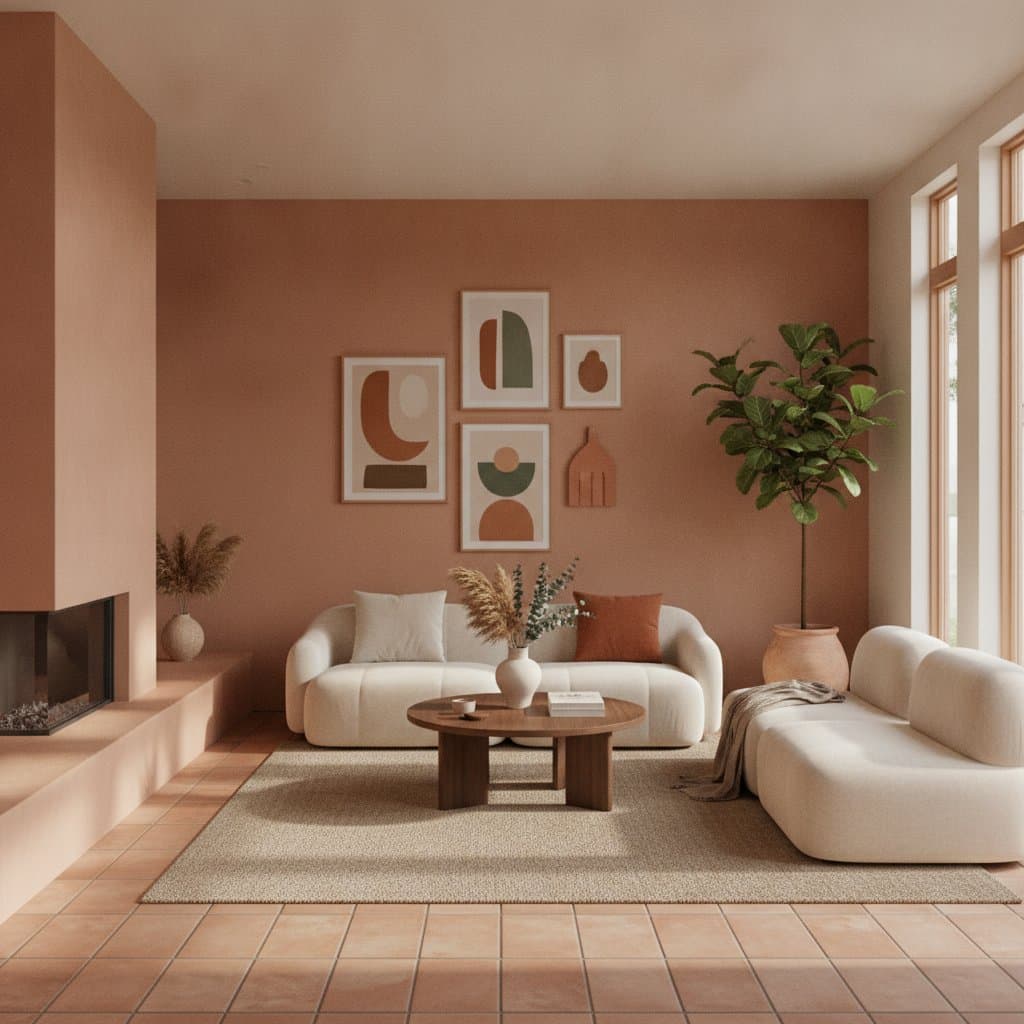
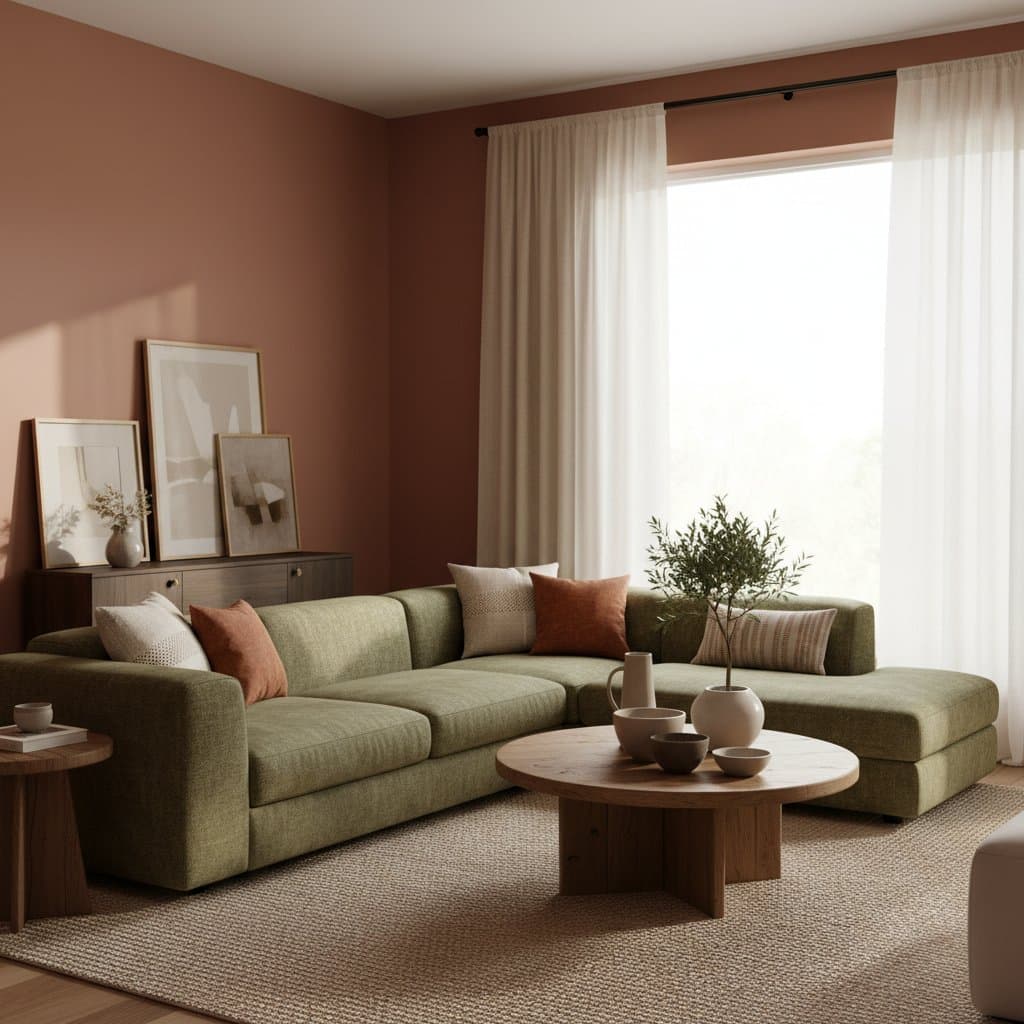
- Terracotta suits sunlit areas and injects energy without overwhelming.
- Olive tempers spaces bathed in abundant natural light.
- Warm clay or taupe lends sophistication to living and dining areas.
2. Layer Supporting Neutrals
Combine your hero tone with gentle beiges, sands, or greiges. Steer clear of sharp contrasts to maintain serenity and unity. Opt for matte finishes to enhance organic texture.
3. Add Texture Before More Color
Incorporate woven throws, ceramic lamps, and raw wood pieces. Earthy schemes flourish with varied materials. This blend avoids a monotonous appearance.
4. Go Moody in One Room
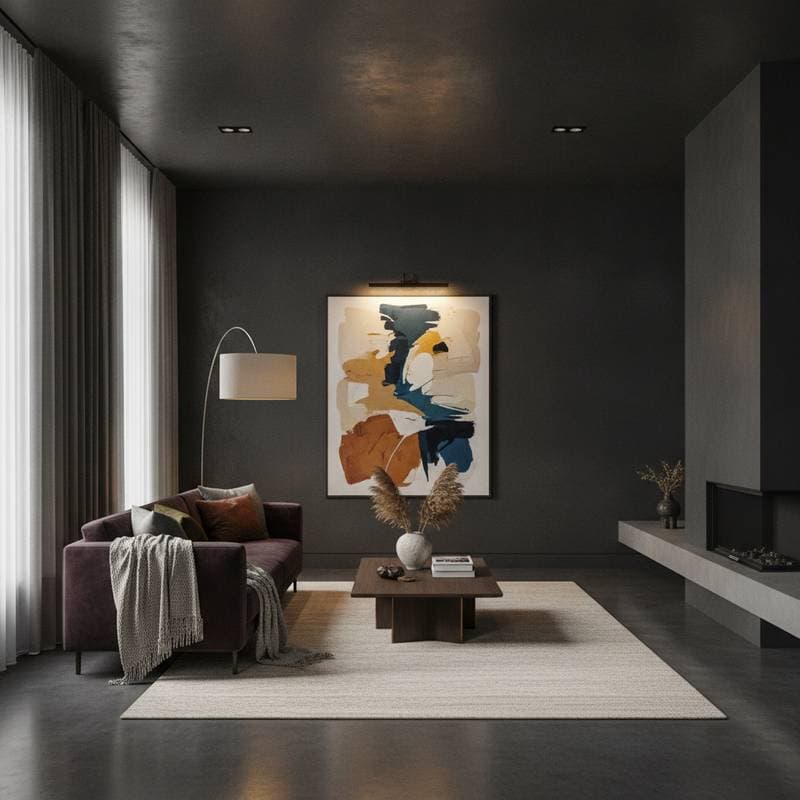
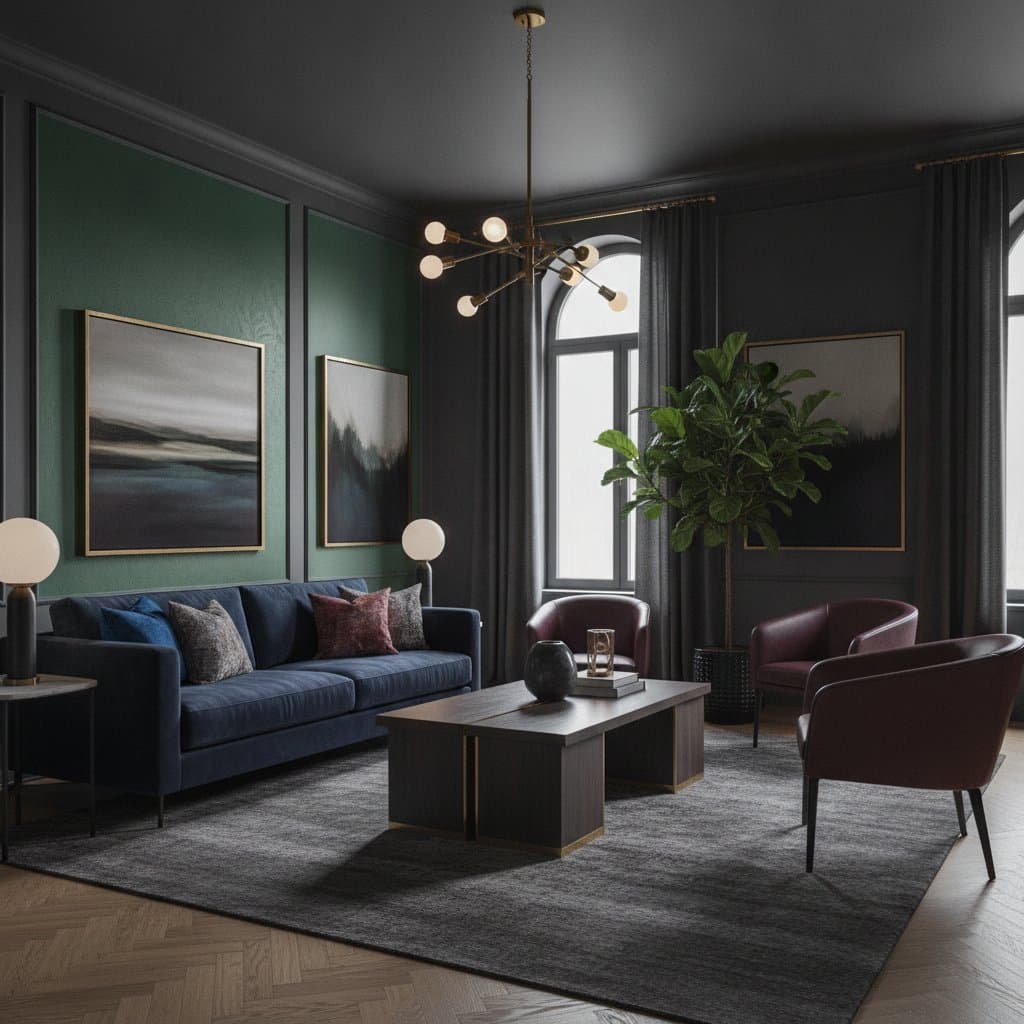
For added drama, apply a deep rust or muddy green to an accent wall. Reserve this for bedrooms or powder rooms with subdued light. Complement with warm metals and adjustable lighting.
5. Bring Nature Inside
Integrate plants featuring broad leaves or distinctive forms. They reinforce the color scheme and infuse vitality. Terracotta pots or stone vessels finalize the composition.
Cost Guide for Earthy Upgrades
| Task | Typical Cost | What Affects Price |
|---|---|---|
| Paint an accent wall | $75 to $250 | Wall size, paint quality, coats needed |
| Full-room repaint | $300 to $900 | Labor, preparation, wall condition |
| Add new lighting | $100 to $500 | Fixture type, wiring, electrician fees |
| Textiles and decor | $150 to $600 | Material quality, brand, availability |
| Furniture swap or refinish | $200 to $1,200 | Piece size, wood type, refinishing expertise |
Costs fluctuate by location. Urban labor rates tend to exceed those in rural areas. DIY painting reduces expenses but demands time and skill.
DIY vs Pro
DIY If
- You possess steady brush control and ample preparation time.
- Changes involve only one or two rooms.
- Hands-on projects appeal to you.
Hire a Pro If
- Flawless edges and even coverage matter most.
- Surfaces feature high ceilings or intricate textures.
- Multiple rooms or cabinetry require attention.
Professionals excel at cleanup, safe equipment use, and lighting recommendations. They expertly manage undertones that vary with daylight.
For warranties or codes, painting rarely requires permits, though electrical modifications do. Consult local authorities prior to altering wired fixtures.
Regional Notes
- In dry climates, matte paints endure but stain readily; select scrubbable options for busy zones.
- Humid areas benefit from mold-resistant formulas in bathrooms and kitchens.
- Cold regions call for warmer undertones to offset muted winter illumination.
- Hot climates favor lighter earthy shades to prevent heaviness.
Test samples across various times of day. Natural light alters perceptions dramatically.
How Earthy Tones Boost Home Value
Prospective buyers appreciate warmth and depth. Real estate professionals note that earth tones capture better in photographs than stark whites, providing natural dimension. A space in soft clay or olive appears curated, regardless of furnishings.
These palettes convey thoughtful maintenance and design intent. Guests encountering textured walls and nuanced colors infer broader updates throughout the property. Such impressions can elevate bids and accelerate sales.
Minor enhancements like paint and lighting frequently yield over 100 percent return on investment. Earthy tones amplify this advantage by attracting diverse tastes and masking imperfections.
Pairing Earthy Tones with Materials
Wood
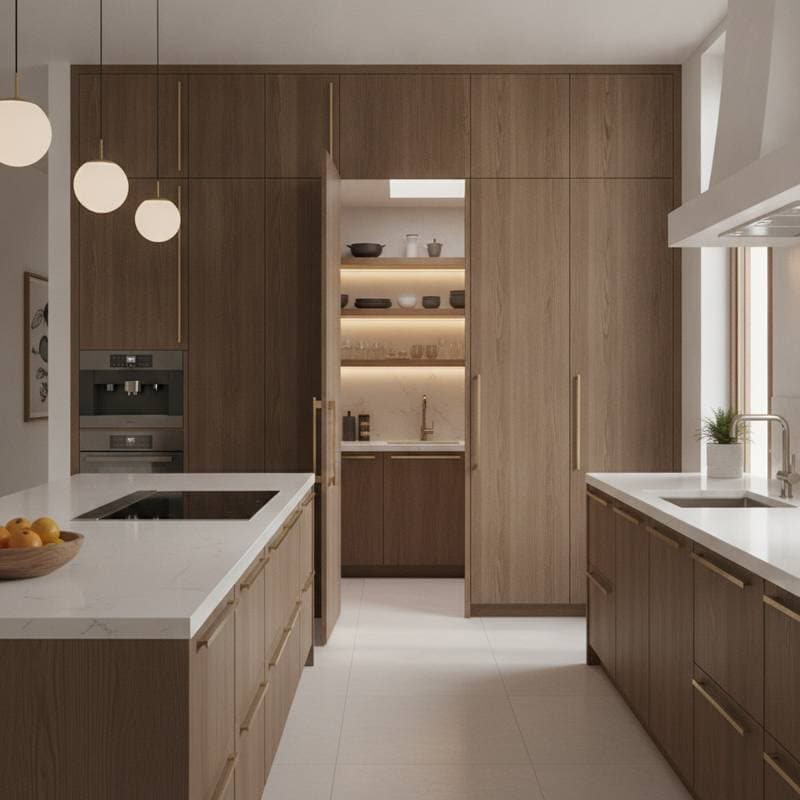
Pair warm walnut, oak, or ash with clay and taupe walls. Eschew excessively reddish stains that conflict with terracotta.
Stone
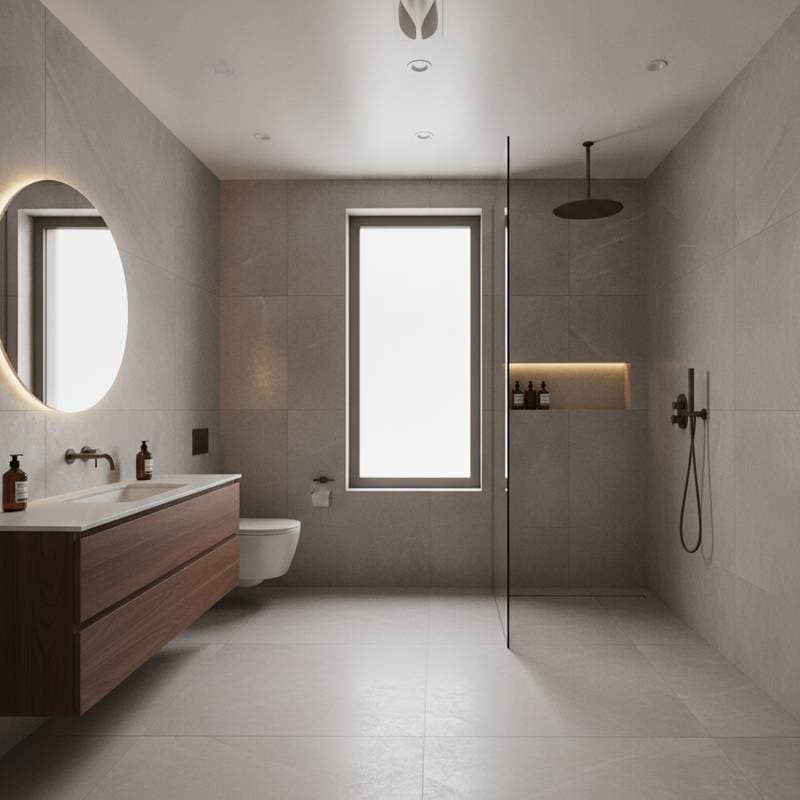
Limestone, slate, and travertine provide organic harmony. In kitchens, prefer honed over polished surfaces.
Metal
Bronze, brass, or blackened steel anchor the scheme and introduce subtle contrast.
Fabric
Linen, wool, and cotton shine in subdued shades. Layer solids with faint patterns in sand, rust, and olive.
Common Mistakes to Avoid
- Employing excessive colors; limit to three core tones.
- Neglecting undertone evaluations; shades may shift to orange or green under varying lights.
- Overemphasizing texture; balance rough elements with smooth ones like sleek metal or glass against clay walls.
- Overlooking trim and ceilings; stark white trim jars; opt for warm ivory or soft beige.
- Relying on cool LED bulbs; they diminish warmth; choose 2700K warm white alternatives.
Sample Earthy Palettes
| Style | Main Color | Accent Color | Neutral Base |
|---|---|---|---|
| Modern desert | Terracotta | Sand | Soft white |
| Woodland calm | Olive | Charcoal | Mushroom |
| Urban clay | Warm taupe | Rust | Cream |
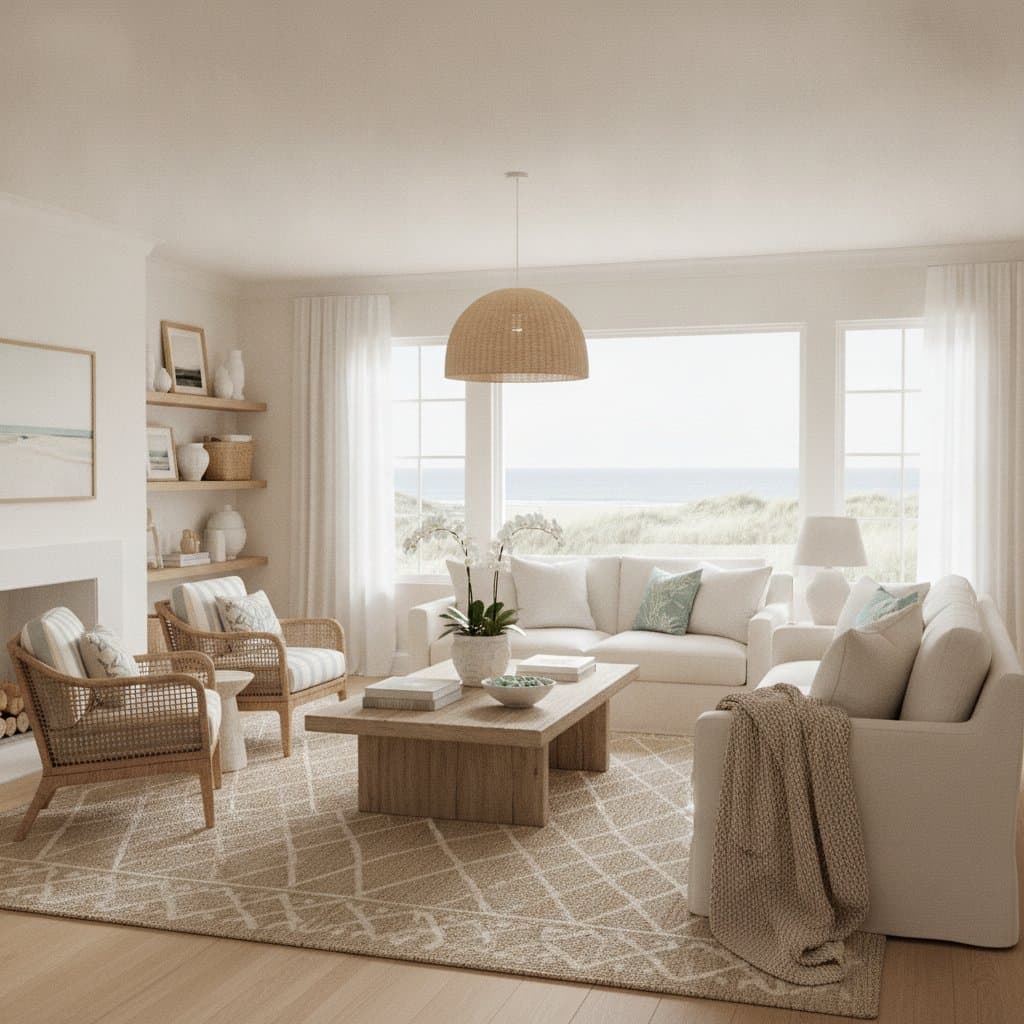
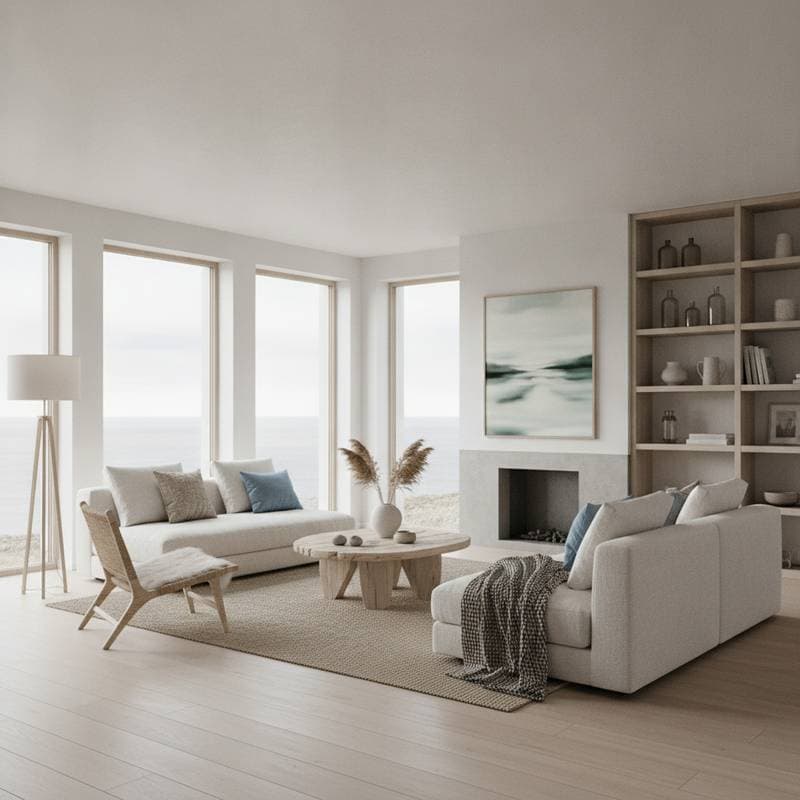
| Coastal neutral | Driftwood | Dusty blue | Bone |
| Rustic luxe | Burnt umber | Bronze | Linen |
These pairings minimize contrast while maximizing comfort. Modify saturation according to light conditions.
Safety and Prep Tips
Ensure ventilation during painting sessions. Don gloves and masks for sanding or priming. Exclude pets and children until paint dries completely.
Prioritize low-VOC or zero-VOC products. Disconnect power before addressing hardwired elements.
Thorough preparation yields durable results. Haste invites peeling or uneven streaks.
When to Call a Pro
Seek experts for potential lead paint in older structures. They manage scaffolding for elevated ceilings. Professionals handle built-in lighting or outlet alterations.
They also ensure sheen consistency and adjust undertones affected by artificial sources.
Eco-Friendly Options
Contemporary paints incorporate clay pigments and natural binders for genuine earthy shades minus synthetic additives. These formulas wash easily and pose minimal toxicity risks. They promote wall breathability, ideal for humid environments.
Reclaimed wood, vintage furnishings, and artisanal ceramics align seamlessly. Such choices reduce environmental impact while enhancing uniqueness.
Long-Term Benefits
Earthy tones mature elegantly. They outlast fleeting whites or grays in relevance. Minor marks integrate rather than highlight.
Future adaptations prove straightforward; swap accessories without repainting. These colors personalize spaces and harmonize with evolving natural additions like rugs, artwork, or greenery. The ideal shade establishes a versatile foundation for ongoing refinements.
Pro Tips for Success
Apply generous samples directly to walls, avoiding poster board. Observe in morning and evening light prior to commitment.
Initiate with a single room to gauge affinity for bolder depths. Blend matte and eggshell sheens for dimension.
Incorporate dimmers or multi-layer lighting to accentuate textures. These refinements distinguish competent updates from professional masterpieces.
FAQ
What if my home has limited natural light? Opt for warmer, lighter earthy tones like soft taupe or clay to brighten the space without sacrificing depth.
How do I test colors accurately? Paint large swatches on multiple walls and view them at different times of day to account for light shifts.
Are earthy tones suitable for small rooms? Yes, but use them sparingly on accents to avoid overwhelming; pair with neutrals for balance.
Can I mix earthy tones with existing furniture? Select tones that complement wood finishes or upholstery; test samples against your pieces.
What is the best paint finish for earthy colors? Matte or eggshell works well for a natural look, while semi-gloss suits high-traffic areas.
Implementing Earthy Updates
Start by assessing your space's lighting and mood. Choose a hero tone and layer from there to build cohesion. These steps transform ordinary rooms into inviting havens that resonate with 2026 trends and deliver lasting value.