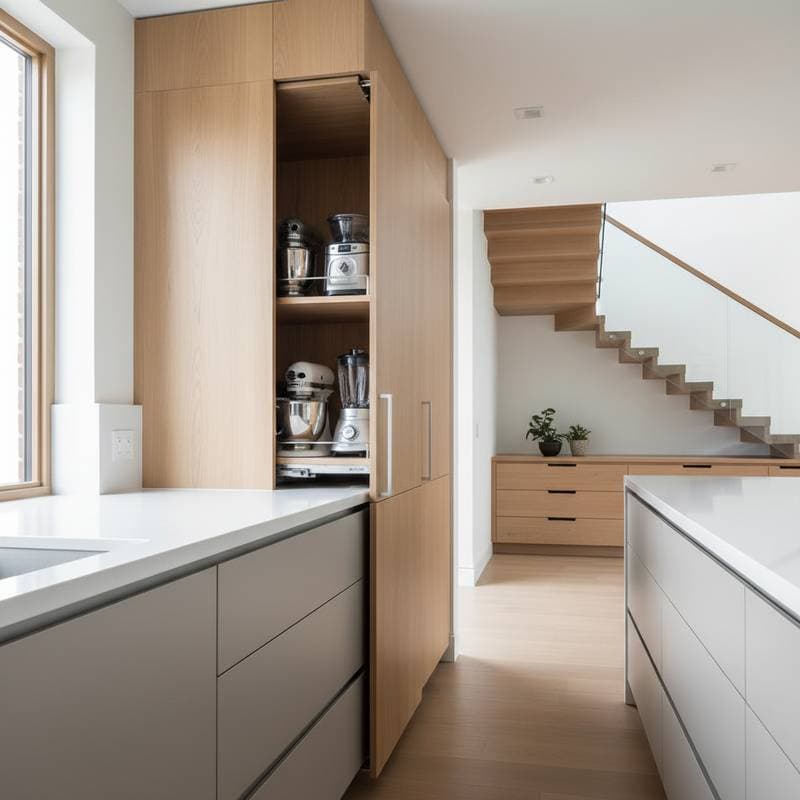
Unlocking Home Value with Hidden Storage
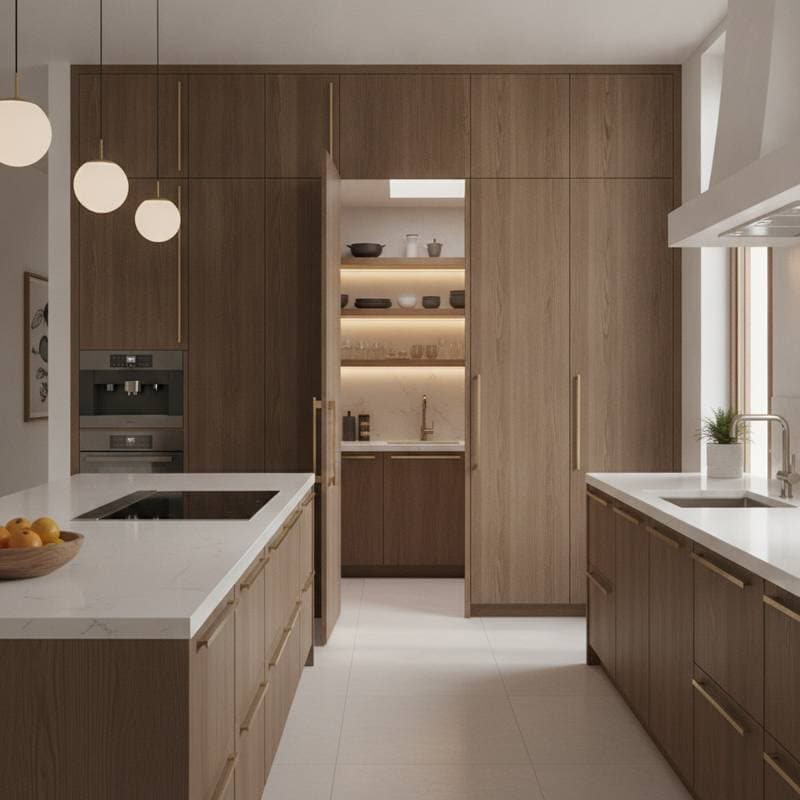
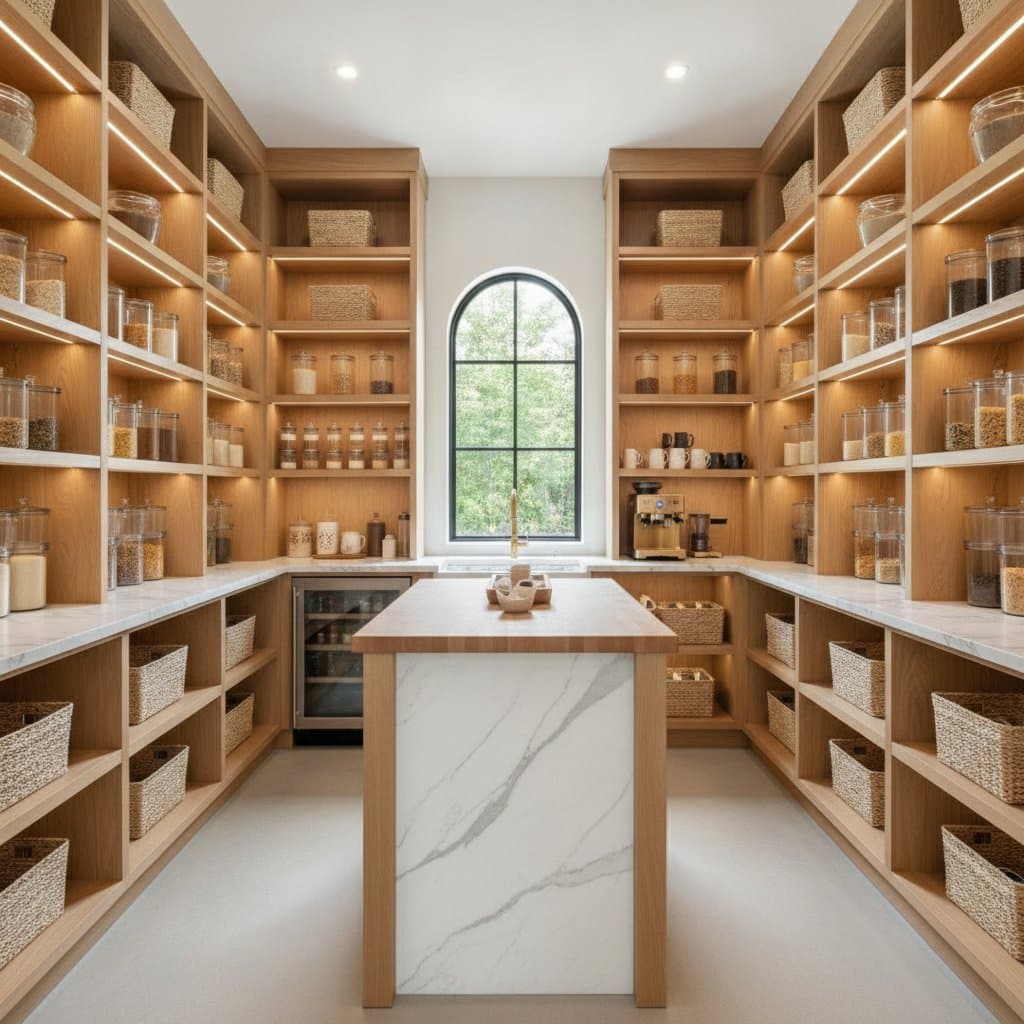
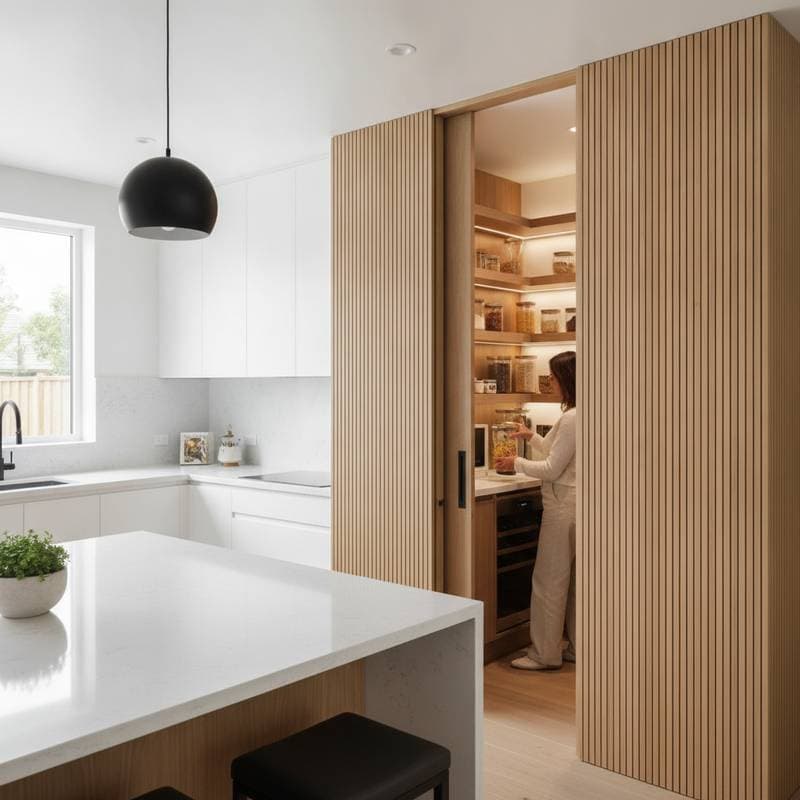
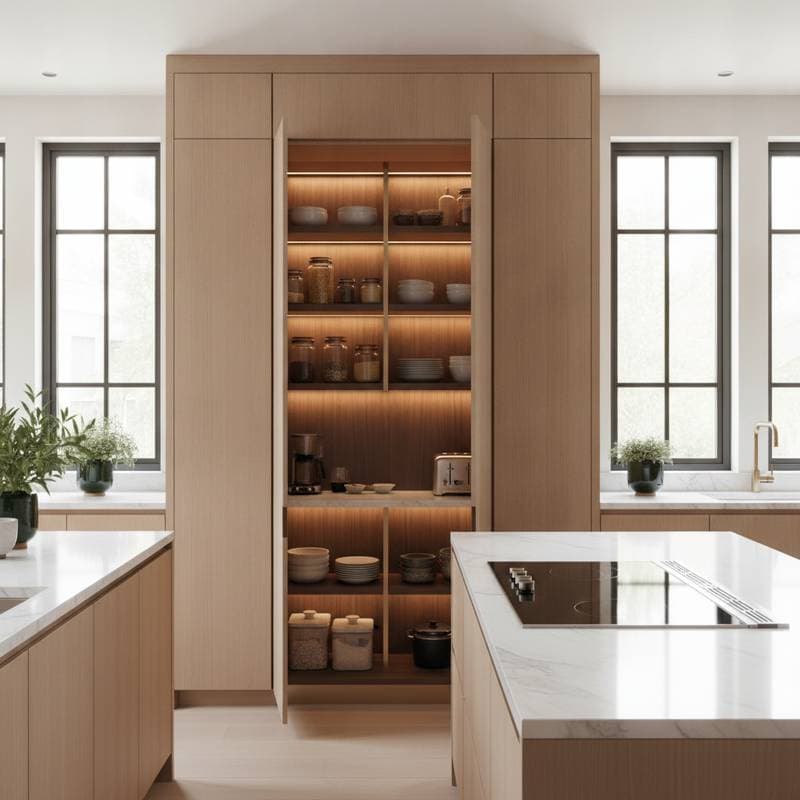
Hidden storage solutions elevate a home's appeal by creating the illusion of more space and eliminating visible clutter. Potential buyers gravitate toward properties that feel organized and spacious, which can lead to quicker offers and higher bids. This guide details effective options, from built-in cabinets to clever drawer systems, along with installation insights and return on investment considerations.
Benefits and Drawbacks
Advantages
- Expands perceived square footage through seamless integration
- Streamlines daily organization, keeping surfaces clear for showings
- Enhances curb appeal by focusing attention on architectural highlights
- Utilizes underutilized areas like corners or alcoves efficiently
- Blends with existing decor using complementary materials and colors
Disadvantages
- Involves higher upfront expenses for custom fabrication and installation
- Poorly executed designs may hinder easy access to stored items
- Structural modifications could necessitate building permits
- Fixed installations limit flexibility for future relocations
DIY Projects Versus Professional Installation
DIY Overview
Skill Level: Moderate to advanced, requiring basic carpentry knowledge.
Duration: Between 2 and 16 hours, varying by complexity.
Essential Tools: Circular saw, power drill, spirit level, stud finder, and finishing supplies like sandpaper and paint.
Potential Challenges: Precision is critical to avoid gaps or misalignment in concealed elements.
Opt for professional help if the project involves wiring, pipes, or load-bearing elements. Skilled cabinetmakers or contractors deliver polished results, ensuring doors and drawers operate smoothly. In high-visibility areas like kitchens, expert craftsmanship builds buyer trust and justifies premium pricing.
Longevity and Upkeep
Well-constructed hidden storage endures 10 to 25 years with routine care, influenced by material quality and frequency of use. Inspect hinges, tracks, and latches semiannually for wear, and apply lubricant to ensure effortless operation. Refresh painted or laminated exteriors as needed, and in appliance enclosures, verify that electrical components comply with safety codes while preventing dampness from affecting wiring.
Comparable Options
Freestanding Units
These provide affordable, movable storage without permanent changes. They suit temporary residents but lack the integrated elegance of built-ins.
Exposed Shelving
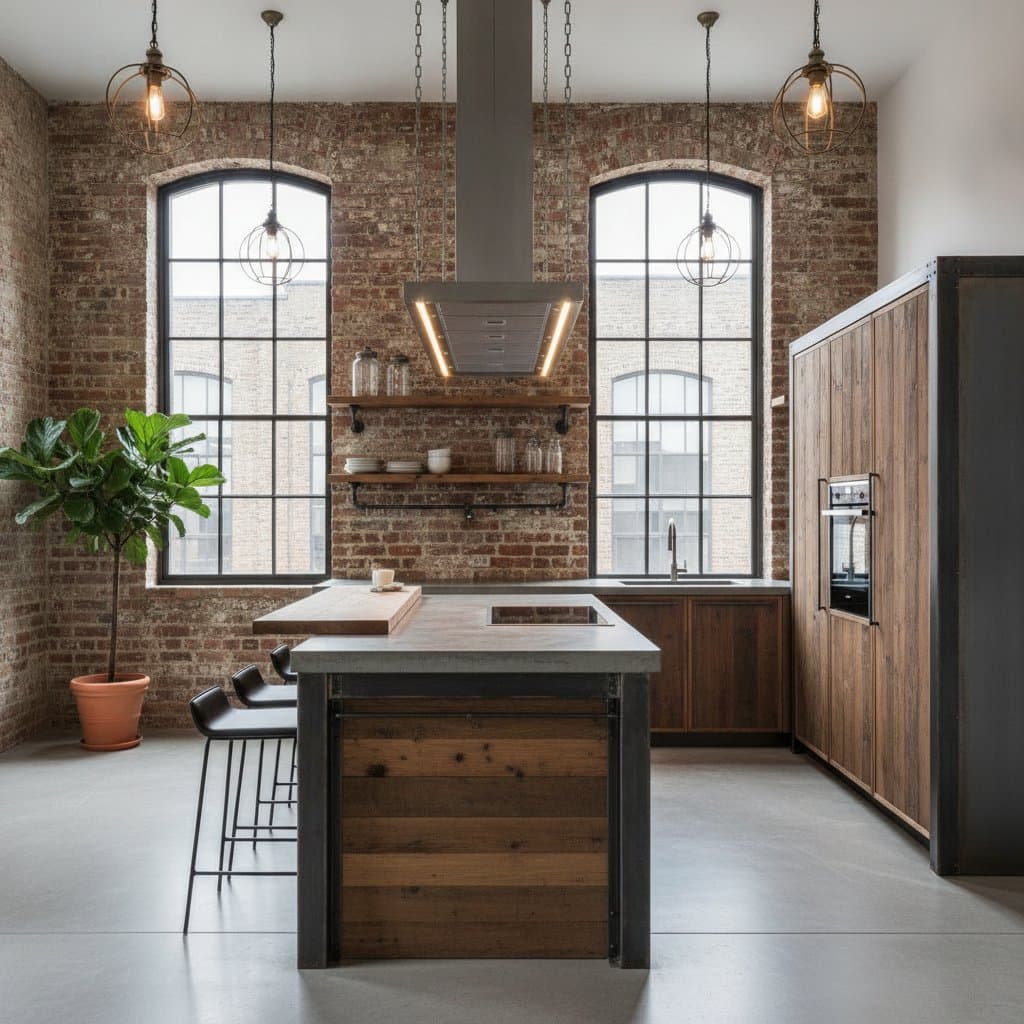
This approach offers a modern, airy vibe at minimal cost. Success depends on consistent tidiness to prevent a disorganized appearance.
Multi-Functional Furniture
Items like ottomans with lift-top compartments or benches with drawers combine utility and seating. They require no alterations and adapt easily to different rooms.
Modular Closet Organizers
These systems enhance accessibility without full concealment. Ideal for wardrobes needing structure rather than invisibility.
Regional Considerations
In urban or coastal markets, labor costs surpass national medians due to demand and material sourcing. Select marine-grade woods or sealed laminates in humid environments to resist swelling. Northern areas benefit from insulated enclosures in basements to safeguard contents from temperature fluctuations. Consult local regulations early, as some jurisdictions mandate approvals for enclosing utilities or altering frameworks.
Investment Returns and Market Impact
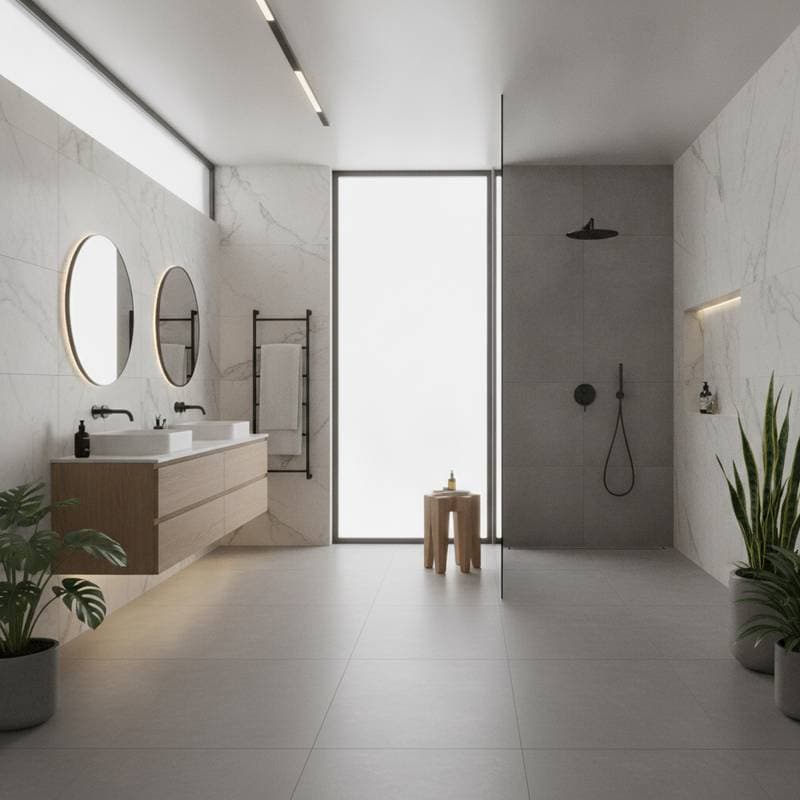
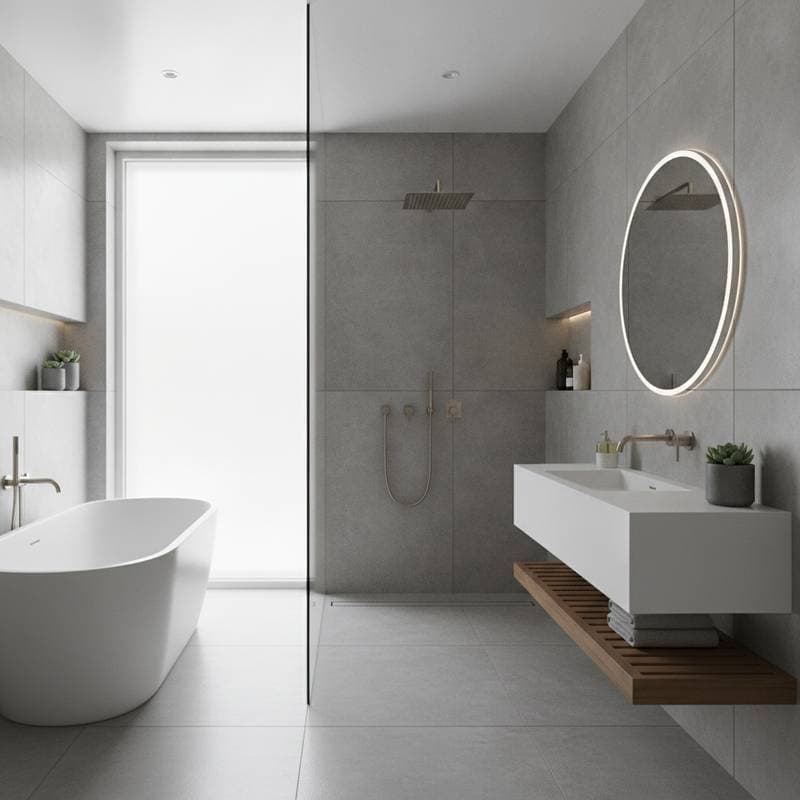
Organized homes command stronger first impressions, often reducing time on market. Expect to recoup 50 to 70 percent of expenses through elevated offers, with greater yields in space-constrained cities. Prioritize high-traffic zones like primary bathrooms, foyers, and kitchens, where enhancements directly influence perceived worth.
Key Safety Measures
- Incorporate fire-resistant panels adjacent to heat sources or wiring.
- Ensure adequate airflow around enclosed electronics to avoid overheating.
- Scan for hidden pipes or beams prior to any cutting or drilling.
- Employ heavy-duty fasteners for overhead or wall-attached features.
- Disconnect electricity during any work near circuits or fixtures.
Frequently Asked Questions
What defines an appliance garage?
This feature consists of a compact enclosure that tucks small kitchen devices out of sight, typically with built-in power strips for convenient charging.
Is hidden storage feasible in leased properties?
Absolutely, by selecting non-invasive choices such as rolling carts, fabric organizers, or furniture with compartments that can be removed without damage.
When are permits required for these upgrades?
Permits apply primarily to projects impacting electrical systems, water lines, or structural integrity; surface-level additions like drawer inserts generally bypass this.
Implement Your Storage Strategy
Begin by targeting a single high-impact area to test the transformation's effect on your home's presentation. Design solutions that integrate naturally, support everyday routines, and highlight your property's strengths. Simple additions, such as a pull-out pantry or concealed entry nook, can significantly amplify spaciousness and organization, paving the way for a swift, profitable sale.