Wet Rooms: A 15 Percent Home Value Increase by 2026
This upgrade typically adds about 15 percent to resale value, with installation costs ranging from $14,000 to $28,000 based on layout and finishes.
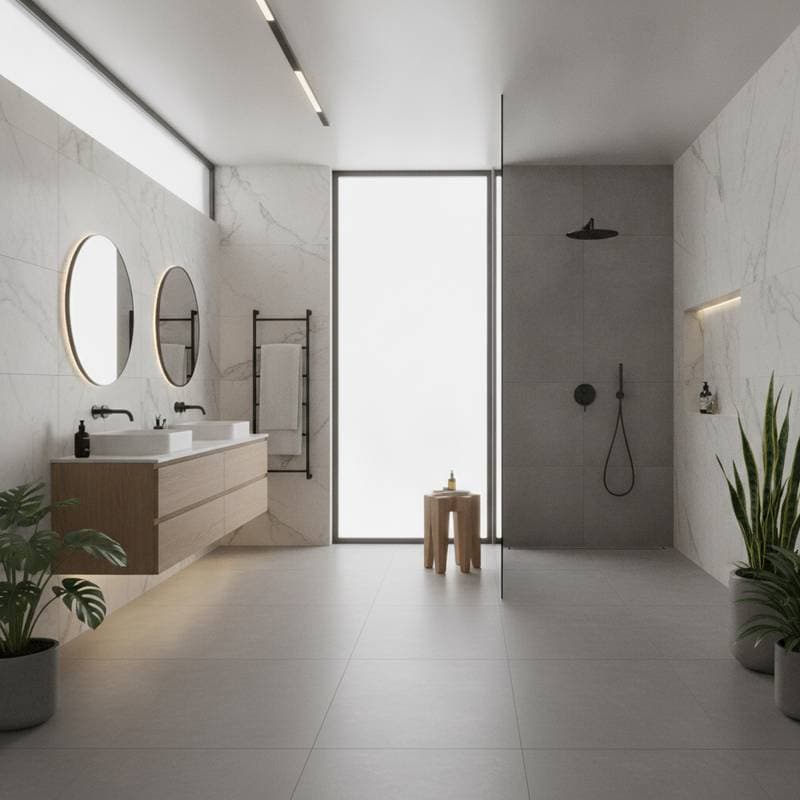
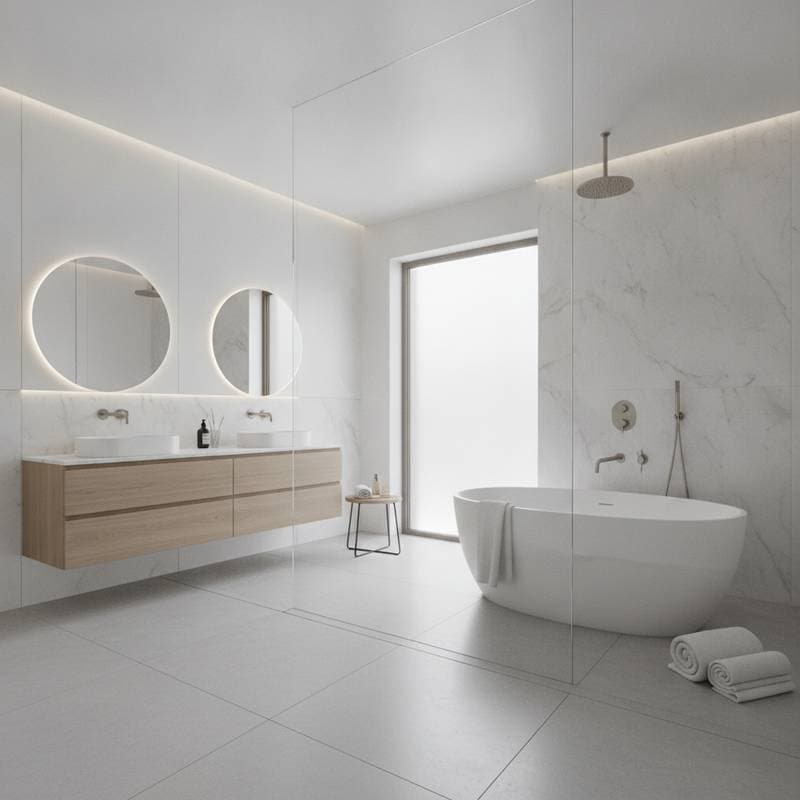
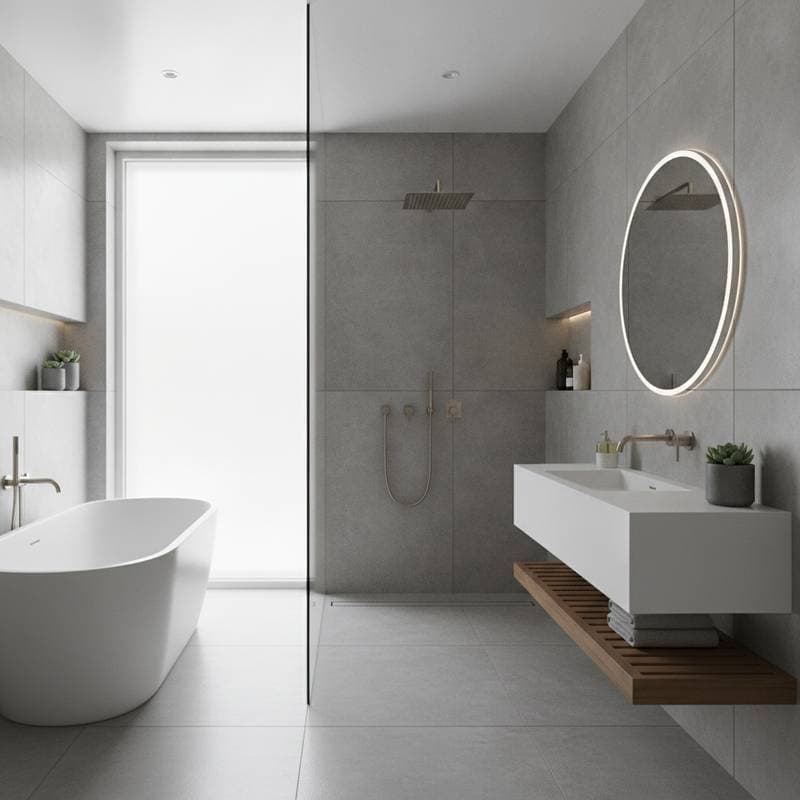
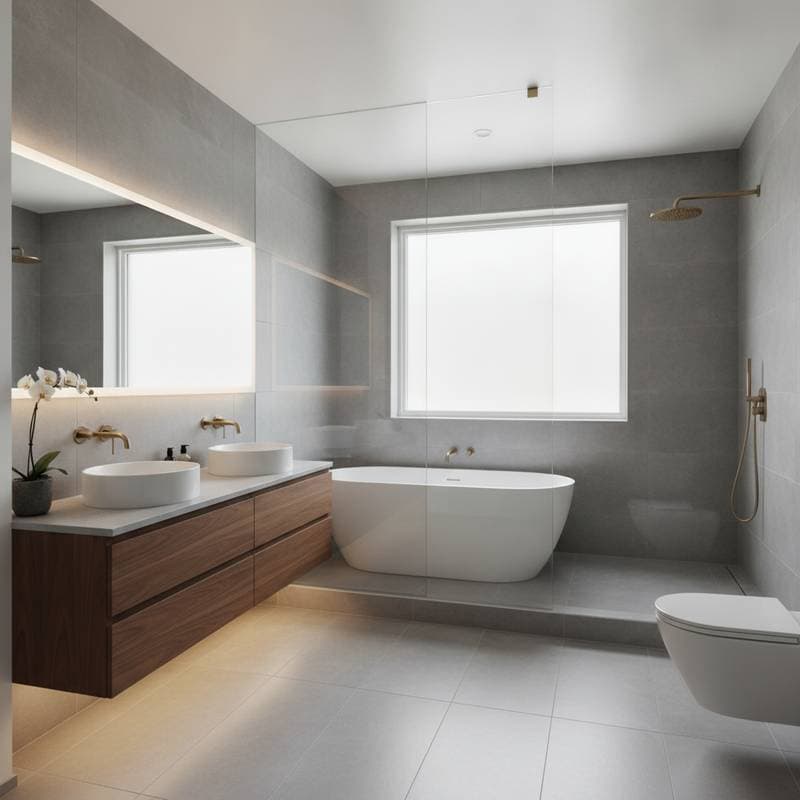
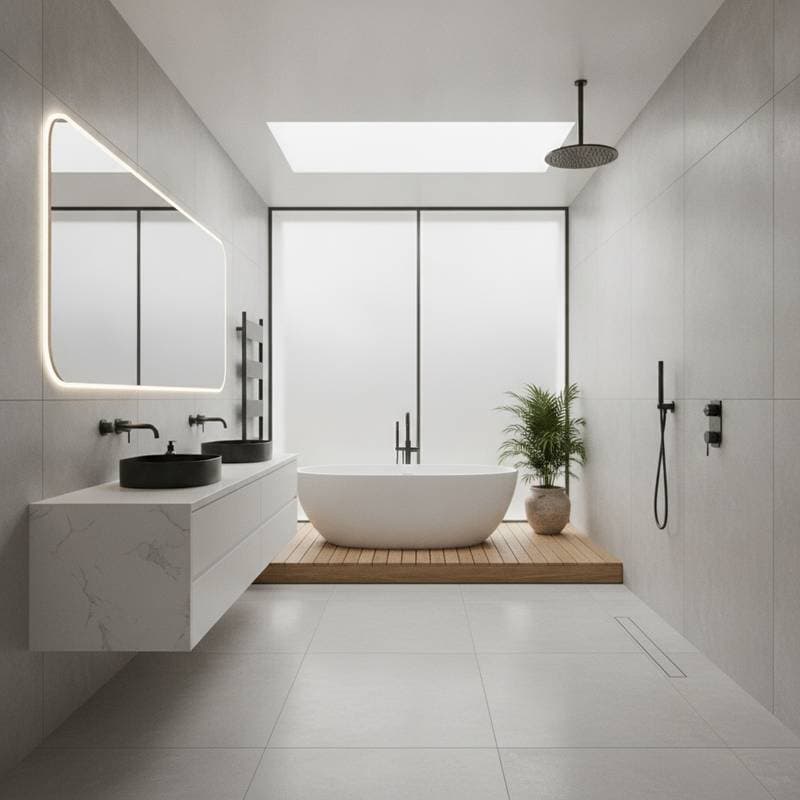
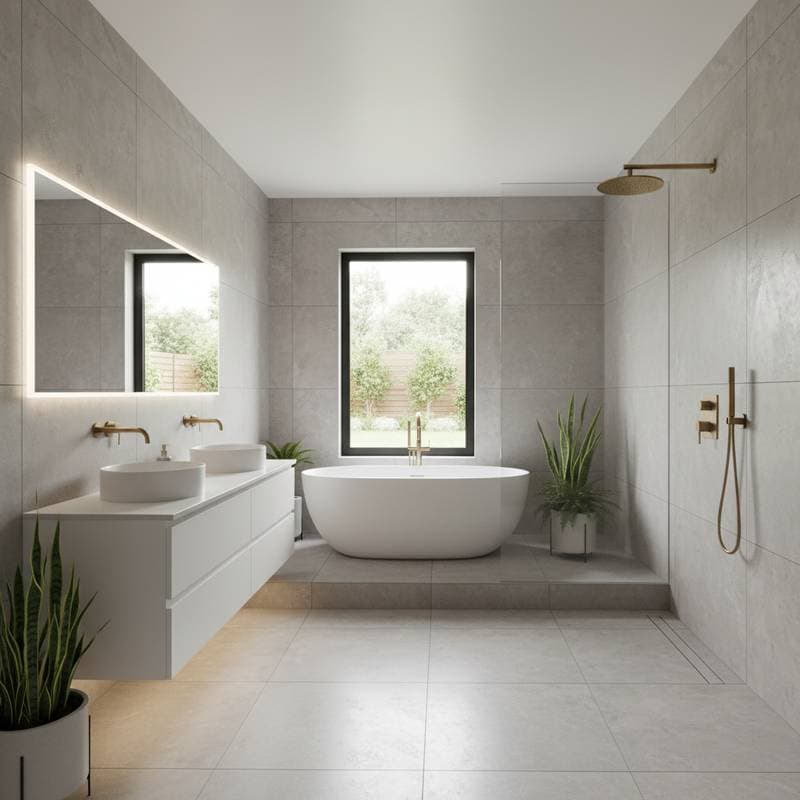
A wet room converts a traditional bathroom into a unified, fully waterproofed area where the shower integrates smoothly with the surrounding floor. These designs eliminate barriers, appealing to those seeking luxury and accessibility alike. Market trends indicate that prospective buyers willingly pay a premium for properties featuring such modern bathrooms.
Factors Influencing Costs
Multiple components determine the overall expense of creating a wet room. Gaining insight into these elements enables better budgeting and helps prevent unexpected expenses during the project.
Room Dimensions and Configuration
Bathrooms smaller than 60 square feet require less material for tiling and waterproofing, resulting in costs of approximately $14,000 to $17,000. In contrast, expansive master suites may surpass $25,000, particularly when plumbing relocation or bespoke drainage systems are involved.
Material Selection
The type of tile exerts the greatest influence on expenses. Porcelain and ceramic options provide robust performance and slip resistance at reasonable rates. Opting for large-format tiles minimizes grout joints, though it demands meticulous slope preparation. Natural stone enhances aesthetics but necessitates regular sealing and incurs elevated labor charges.
- Ceramic tile: $3 to $7 per square foot
- Porcelain tile: $5 to $12 per square foot
- Natural stone tile: $10 to $25 per square foot
Waterproofing Components
The waterproofing system forms the core of any wet room installation. Allocate $1,200 to $2,800 for membranes, drains, and sealants. Compromising on this aspect risks leaks, which could exceed the project's total cost in remediation.
Drainage Solutions and Floor Sloping
Linear drains, priced at $300 to $800, offer a contemporary appearance but require exact sloping and subfloor modifications. Traditional center drains prove more economical yet dated. Anticipate $600 to $1,200 in labor to achieve the necessary gradient.
Installation Labor
Skilled professionals charge $80 to $150 per hour across most areas. Intricate waterproofing, bespoke tile patterns, or challenges with uneven floors in older structures can elevate these rates.
Regulatory Permits
Local authorities typically mandate plumbing permits, and occasionally waterproofing evaluations. Reserve $300 to $600 for fees, along with potential brief delays in approvals.
Site Preparation and Waste Management
Tasks such as demolition, debris disposal, and subfloor alignment contribute $800 to $1,500. Removing legacy tiles or concrete slabs often extends the timeline.
DIY Options Versus Professional Services
Suitable DIY Tasks
Homeowners with fundamental tools and endurance can manage demolition, surface painting, and preliminary tile planning. Following professional waterproofing, some proceed to lay surface tiles independently.
Scenarios Requiring Experts
Engage a licensed specialist for:
- Alterations to plumbing or drainage.
- Application of waterproof membranes.
- Corrections to irregular or aged subfloors.
- Preservation of warranties or enhancement of resale appeal.
Errors in waterproofing prove expensive. An improper seam or inadequate slope may retain moisture, leading to structural decay. Professionals adhere to regional codes and can validate the setup for insurance or accessibility standards.
Essential Tools for Partial DIY
For limited self-installation, assemble:
- Safety glasses and gloves
- Waterproof membrane roller
- Tile cutter
- Level and slope gauge
- Respirator for dust control
- Moisture meter
Deactivate the main water supply prior to plumbing modifications. Verify that electrical outlets and fixtures incorporate GFCI safeguards.
Upkeep and Protection Plans
Routine Maintenance Practices
Squeegee surfaces after use to eliminate water residue. Reapply sealant to grout lines every two to three years. Examine drain covers monthly to clear accumulations. Operate ventilation fans throughout and post-shower to mitigate humidity effects.
Warranty Provisions
Membranes for waterproofing frequently include 10- to 20-year guarantees, applicable solely with certified professional installation. Coverage for tiles and fixtures differs, yet documentation of correct setup remains essential for claims.
Strategies for Durability
Steer clear of abrasive cleaners that erode sealants. Address fractured grout promptly. Periodically assess floor inclination by introducing a modest volume of water and observing drainage.
Ensuring Safety and Adherence to Standards
Fundamental Safety Measures
Disconnect water and electricity supplies before commencing demolition or fixture adjustments. Select non-slip tiles rated at least R10 for flooring. Validate that drain backflow preventers comply with municipal plumbing regulations. Incorporate grab bars for bathrooms accommodating elderly or mobility-challenged individuals.
Circumstances Necessitating Permits
Jurisdictions generally demand approvals for:
- Relocating or incorporating drains.
- Modifying walls or subfloors.
- Adding electrical wiring for features like radiant heating or illumination.
Bypassing permits may invalidate insurance policies. Retain records of receipts and inspections to support future property transactions.
Evaluating Repairs Against Full Replacements
Persistent shower leaks may not resolve through isolated fixes like tile or drain renewal. When moisture infiltrates subfloor elements, a comprehensive overhaul becomes the prudent path.
| Condition | Recommended Action | Cost Range |
|---|---|---|
| Minor grout cracks | Regrout and seal | $400 to $800 |
| Persistent damp smell | Replace membrane and retile | $8,000 to $12,000 |
| Visible subfloor damage | Full wet room rebuild | $14,000 to $20,000 |
Interventions below $1,000 suit recent installations. Evidence of structural dampness or compromised flooring justifies a complete reconstruction. Avoid superficial repairs that conceal moisture.
Strategies for Enduring Design
Incorporating Adaptability
Maintain unobstructed access for wheelchair or walker navigation. Employ wall-mounted sinks and toilets to maximize floor area. Install reinforcement within walls to accommodate potential grab bar additions. Arrange lighting to deliver uniform illumination without glare.
Executing the Project Effectively
- Establish a firm budget limit prior to soliciting estimates.
- Select a contractor certified in waterproofing, verifying credentials and warranty offerings.
- Procure materials in advance, as certain tiles and drains involve extended delivery periods.
- Time the work for favorable weather to optimize curing and reduce revisions.
- Monitor advancements each day, verifying slopes, membrane integrity, and fixture placements before tiling commences.
- Maintain comprehensive records, including permits, bills, and warranties, to bolster resale value.
A meticulously executed wet room provides immediate enjoyment and substantial financial benefits over time. Prioritize robust waterproofing and thoughtful layout over ornate details to secure lasting performance.