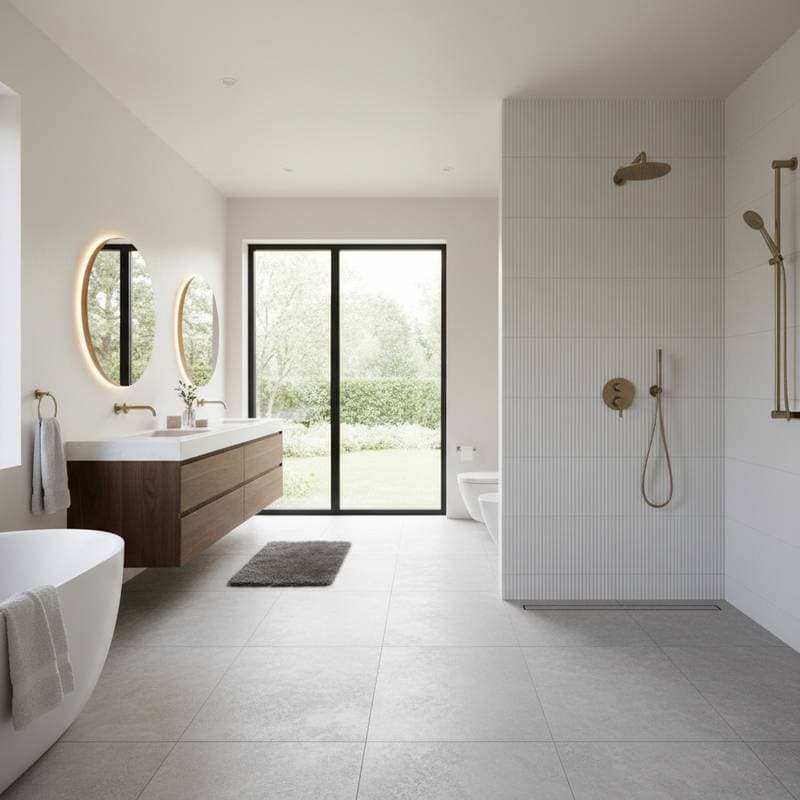
Understanding Wet Rooms and Their Value Impact
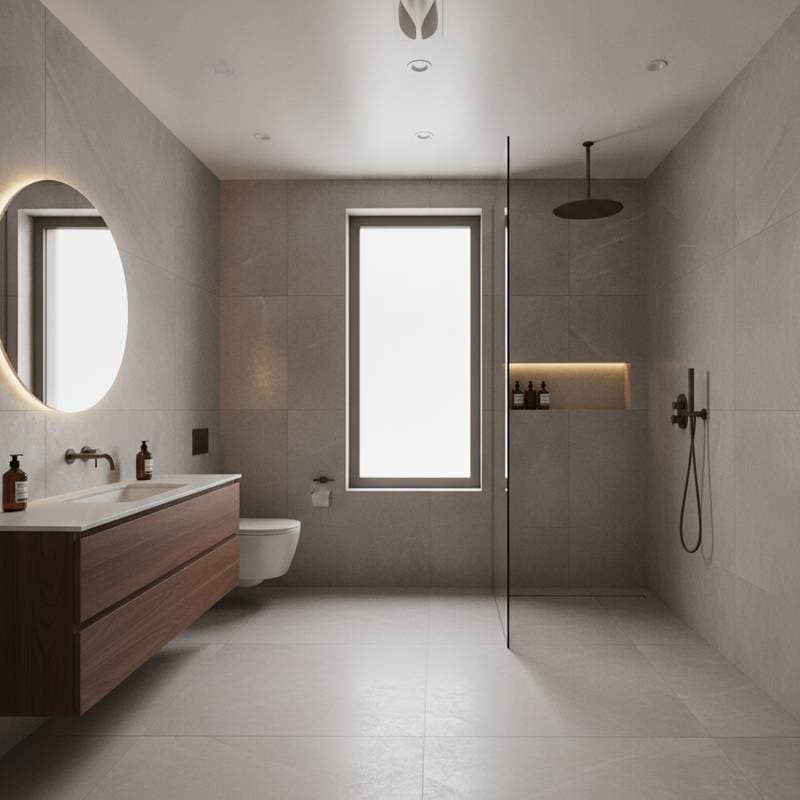
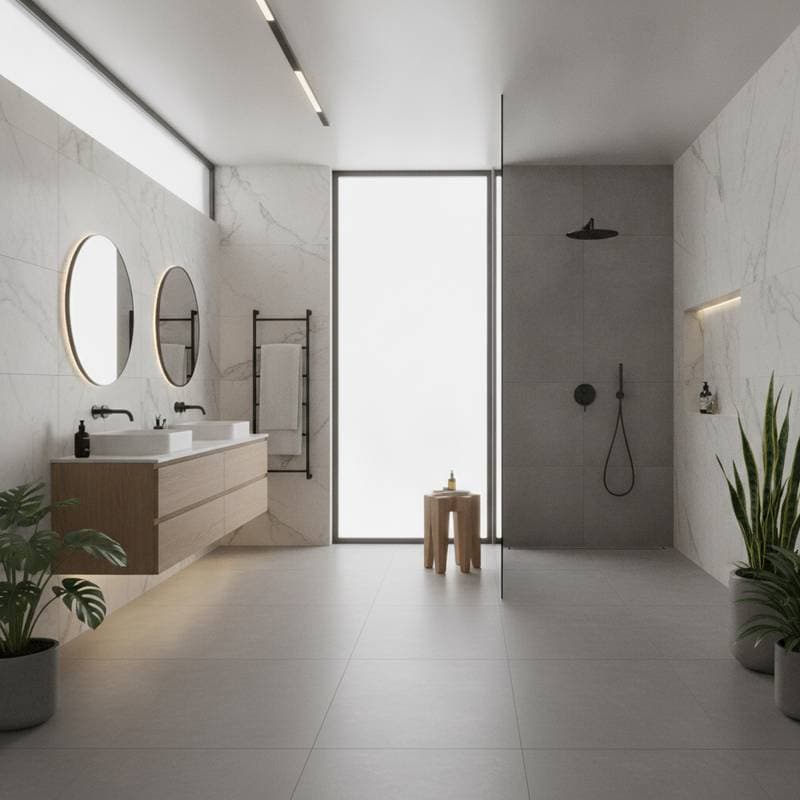
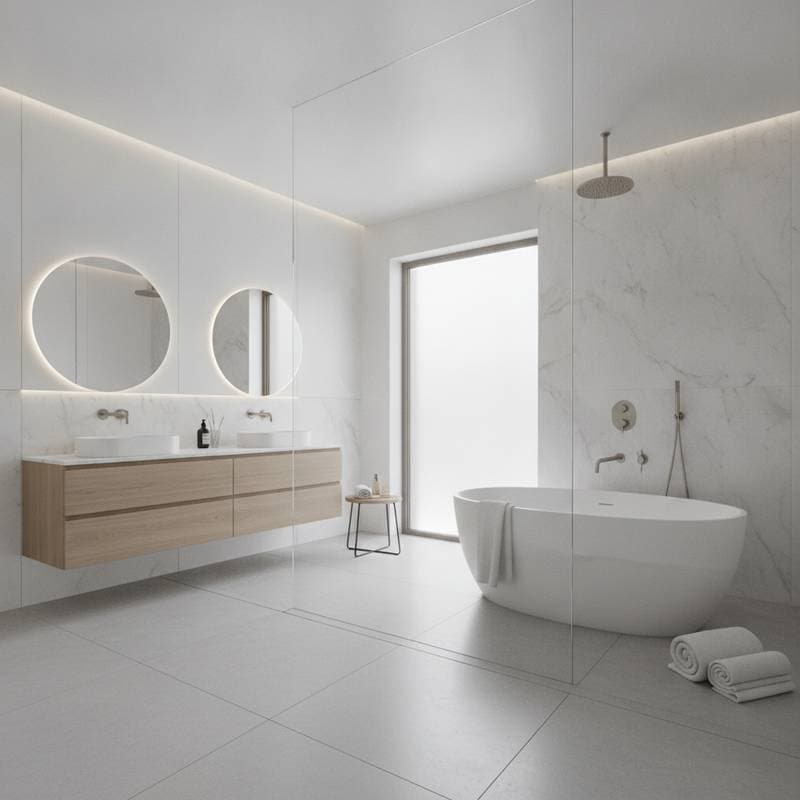
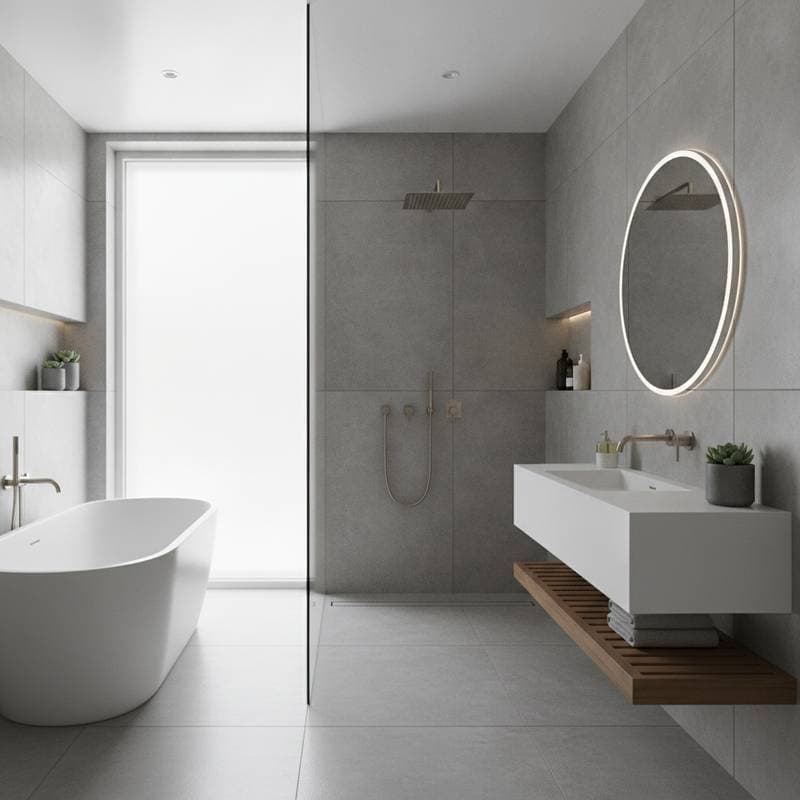
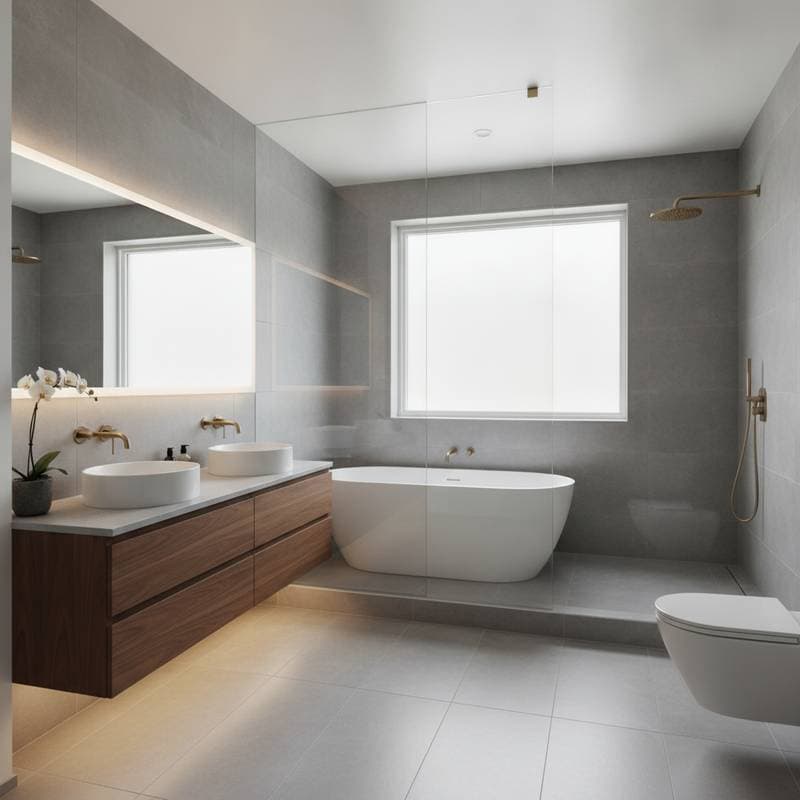
Wet rooms represent a shift in bathroom design, featuring fully enclosed waterproof environments with open-plan showers that drain directly into the floor. This eliminates traditional barriers such as shower trays or curbs, creating a fluid, barrier-free space. Homeowners seeking contemporary aesthetics, simplified upkeep, and inclusive access find wet rooms particularly appealing, especially for long-term residency or property enhancement.
Projections indicate that a thoughtfully executed wet room installation can boost property worth by up to 11 percent by 2026. This appreciation stems from the design's broad demographic appeal, enduring functionality across life stages, and alignment with evolving buyer preferences for low-maintenance, stylish interiors.
Advantages and Drawbacks
Advantages
- Enhances property valuation through superior accessibility features and contemporary visual appeal.
- Provides complete waterproofing to safeguard against water intrusion and structural deterioration.
- Simplifies maintenance by removing doors, thresholds, and enclosed areas prone to grime accumulation.
- Supports users of varying abilities with seamless entry points and provisions for support elements like grab bars.
- Delivers a refined, versatile aesthetic suitable for minimalist or high-end settings.
Drawbacks
- Involves elevated upfront expenses compared to conventional shower setups.
- Demands meticulous waterproofing techniques to prevent potential water seepage.
- May compromise seclusion in expansive, undivided layouts.
- Often perceives as cooler due to expansive tiled surfaces and lack of enclosures.
- Susceptible to water pooling if drainage gradients are inadequately calibrated.
Installation Approaches: DIY or Professional
Constructing a wet room necessitates precision in waterproofing and structural modifications, where errors can lead to costly repairs over time.
DIY Assessment:
- Difficulty level: Advanced
- Estimated duration: Five to ten days for a compact area
- Essential equipment: Tile cutter, application trowel, impermeable lining, drainage assembly, precision level
- Primary hazards: Water infiltration, inadequate runoff, irregular surfacing, concealed mold development
Opt for professional services in scenarios involving:
- Relocation of plumbing lines or drainage systems.
- Limited familiarity with impermeable barrier applications.
- Upper-level installations where leakage could impact lower structures.
Engage certified specialists in tiling and plumbing to guarantee appropriate inclines, securement methods, and adherence to regulatory standards.
Essential Installation Steps
- Evaluate the area and framework. Inspect subfloor integrity and spatial configuration.
- Design the drainage system. Select drain positioning and style, typically linear or point drains.
- Condition the base layer. Strip existing coverings, even the surface, and address any impairments.
- Apply the impermeable layer. Encase the floor and adjacent lower walls completely.
- Establish the incline. Form a subtle 1 to 2 percent descent directing toward the drain.
- Position the tiles. Employ anti-slip variants for floors paired with impermeable joint fillers.
- Secure edges and intersections. Utilize silicone or specialized sealants to block moisture entry.
- Fit the components. Secure shower outlets, controls, and optional transparent dividers.
- Verify functionality and finalize. Test water flow to ensure efficiency and examine all seals.
Upkeep and Durability
Properly constructed wet rooms endure for 20 to 30 years, with the impermeable barrier serving as the cornerstone of their resilience.
Daily and Periodic Maintenance
- Clean surfaces weekly to eliminate residue from soaps and conditioners.
- Examine drains monthly to clear obstructions.
- Renew seals on joints every three to five years.
- Monitor filler lines for fissures or wear.
Influencing Longevity
- Durability of tiles and filler integrity
- Consistent attention to inclines and runoff systems
- Effective air circulation to manage moisture levels
Vigilant ventilation practices and routine care mitigate mold risks and prolong material viability.
Comparable Options
For those where a comprehensive wet room proves unfeasible, consider these alternatives that deliver partial benefits at varied investment levels.
Curbless Shower Enclosure
This setup features a minimal or level threshold with contained waterproofing limited to the shower zone. It facilitates easier modifications to existing spaces while maintaining some openness.
Accessible Soaking Tub
This integrates mobility aids without overhauling the entire facility. Installation expenses range from $3,000 to $7,000.
Modular Shower Base
A pre-assembled foundation with reduced edging streamlines setup and minimizes exposure to leaks.
These selections advance usability and ease but typically yield lesser enhancements to market value than a complete wet room conversion.
Regional Considerations
Local environments and regulations shape both budgeting and execution.
Environmental Influences
- In moisture-prone zones, incorporate enhanced airflow and anti-fungal selections.
- For cooler climates, integrate radiant floor systems to counter surface coldness.
Regulatory Requirements
- Certain locales mandate pre-tiling waterproof evaluations.
- Drainage dimensions and exhaust systems must conform to sanitation norms.
- Inclusive modifications might access fiscal incentives or deductions.
Workforce Expenses
- Metropolitan and seaside locations often incur 15 to 25 percent premiums.
- Less populated regions face scarcity of experts versed in these assemblies.
Verify authorization protocols prior to commencement; select areas may deem wet rooms as major alterations necessitating oversight.
Investment Return and Market Appeal
An expertly crafted wet room elevates asset worth by up to 11 percent in the near term. Prospective purchasers regard it as a desirable attribute merging elegance with practicality.
Value-Adding Elements
- Broadens market reach to encompass seniors and households with physical considerations.
- Diminishes prospective outlays for adaptive alterations.
- Aligns with prevailing architectural preferences in contemporary constructions.
- Fosters a tranquil, retreat-like ambiance that enhances listing visuals.
Property specialists note accelerated transactions for residences featuring at least one adaptable lavatory. The greatest gains occur when substituting obsolete combined fixtures.
Prioritizing Security
Security forms the foundation of effective wet room planning.
Critical Safety Measures
- Select etched, traction-enhanced floor coverings meeting or exceeding 0.42 friction threshold under ANSI A137.1 guidelines.
- Incorporate stabilizing rails adjacent to bathing and sanitary areas.
- Position power sources no closer than three feet to wet zones.
- Employ moisture-rated illumination for damp environments.
- Maintain ventilation standards to curb condensation accumulation.
Executed with care, wet rooms rank among the most secure bathroom configurations.
Common Questions
What are the cost differences between a wet room and a standard bathroom renovation?
Standard updates average $8,000 to $12,000 for comparable dimensions. Wet rooms range from $12,000 to $15,000, reflecting premiums for specialized materials and labor in moisture protection.
Is an upper-floor wet room feasible?
Affirmative, provided substructures receive fortification and expert moisture barriers. Elevated positions amplify leak consequences, underscoring the need for skilled oversight.
Which floor tiles suit wet rooms best?
Opt for porcelain or ceramic options with grip textures. Oversized formats minimize seams, aiding water movement. Steer clear of glossy natural stone due to slip hazards.
Does a wet room require heated flooring?
It remains optional, yet beneficial for warmth and evaporation. Radiant systems add $10 to $20 per square foot.
Will a wet room diminish bathroom spaciousness?
Generally, it expands perceived area by eliminating partitions and rises. Translucent barriers or unobstructed plans preserve openness.
Advancing Your Project
Wet rooms merge utility with enhancement, streamlining care, bolstering inclusion, and infusing contemporary flair adaptable to diverse residences. Initial expenditures translate to sustained robustness and market uplift.
Initiate by mapping runoff and barrier strategies meticulously. Solicit comprehensive estimates from no fewer than three credentialed professionals experienced in wet room executions. Request documentation of prior projects and assurance guarantees.
Review jurisdiction-specific standards and inclusion provisions. Eligible areas may provide reimbursements for unobstructed configurations.
For individuals intending prolonged occupancy or imminent sales, this upgrade proves strategic. It harmonizes practicality, protection, and sophistication, ensuring enduring adaptability and tangible property appreciation.