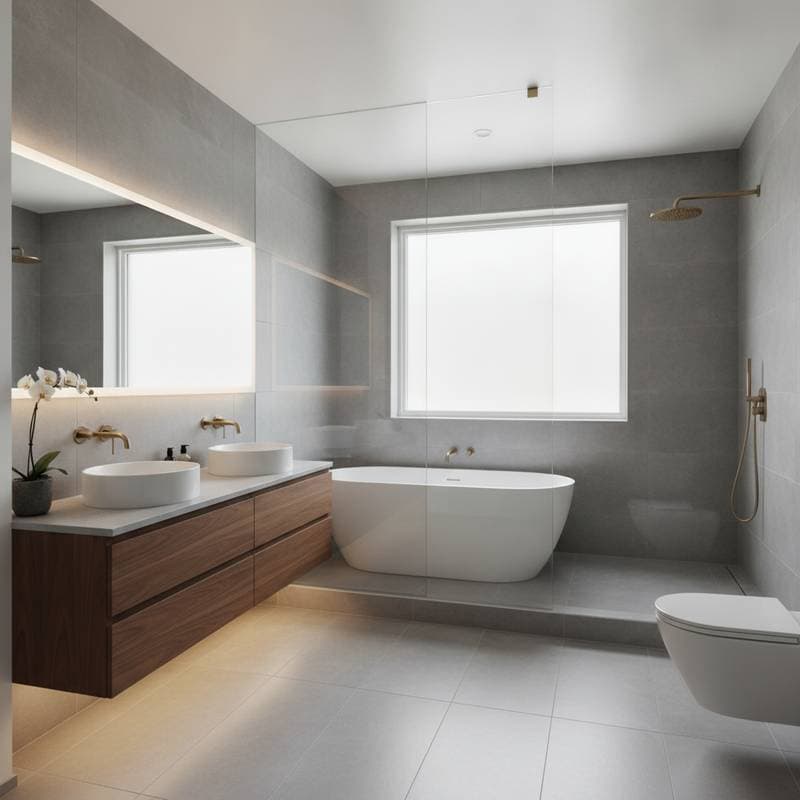

Wet Rooms: Achieving an 11 Percent Value Increase Through Universal Design
Average installation cost: $14,000, delivering an projected 11 percent uplift in resale value when incorporating universal design elements.
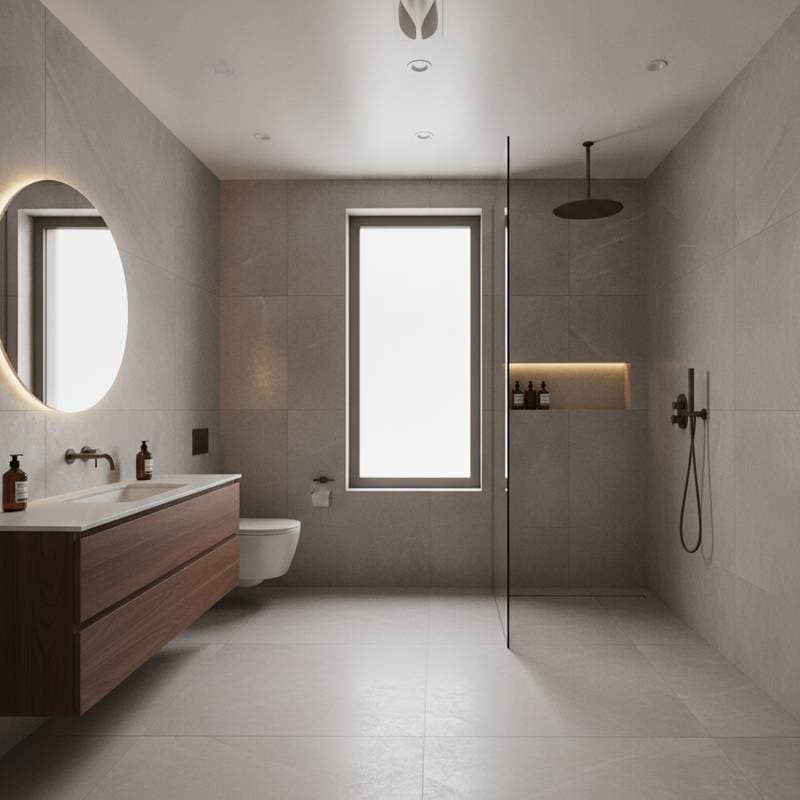
A wet room represents a fully waterproofed bathroom in which the shower zone integrates seamlessly at floor level with the surrounding area. When constructed properly, this design enhances safety, simplifies cleaning, and contributes significant value to properties, particularly those intended for new construction or adaptation for aging in place. Universal design principles ensure broad accessibility, making the space usable for individuals of all abilities and ages, which broadens its appeal in the real estate market.
Understanding Safety and Initial Setup
Prior to any work on plumbing or flooring, professionals or capable homeowners must isolate the water supply to prevent accidents. Protective equipment, including gloves, safety goggles, and a respirator, proves essential during tasks such as cutting tiles or preparing mortar mixtures. Verification of electrical lines remains critical before any drilling to avoid hazards.
Most jurisdictions mandate permits for projects involving plumbing alterations and drainage modifications. A qualified plumber handles the precise installation of sloped drains, while local building codes frequently require inspections to confirm the integrity of moisture barriers. These steps not only comply with regulations but also safeguard the structural longevity of the bathroom.
Exploring Design Options and Levels
Wet rooms offer flexibility across budget tiers, allowing customization to match aesthetic preferences and functional needs. Each level builds upon the previous, incorporating advanced features for enhanced performance and visual appeal.
Basic Wet Room
- Application of PVC or liquid waterproofing membranes for reliable protection.
- Installation of a standard drain paired with durable ceramic tiles.
- Inclusion of a single wall-mounted shower head for straightforward functionality.
- Projected cost range: $10,000 to $12,000.
This entry-level option suits modest renovations, focusing on core waterproofing and essential fixtures to achieve a clean, functional space without excess complexity.
Midrange Wet Room
- Use of porcelain tiles featuring textured surfaces for improved grip and elegance.
- Integration of a linear drain to promote quicker water evacuation and reduce pooling.
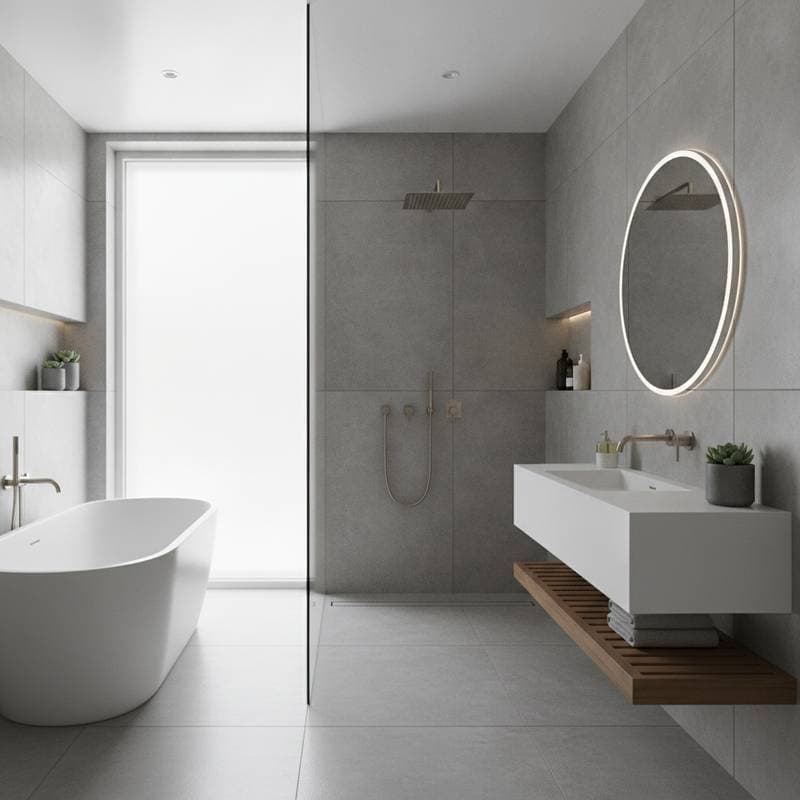
- Addition of a glass partition to manage water splashes effectively.
- Incorporation of a wall-hung toilet to facilitate thorough cleaning and maintenance.
- Projected cost range: $14,000 to $18,000.
At this level, the design balances practicality with subtle luxury, appealing to homeowners seeking a modern update that supports daily routines while hinting at premium quality.
Premium Wet Room
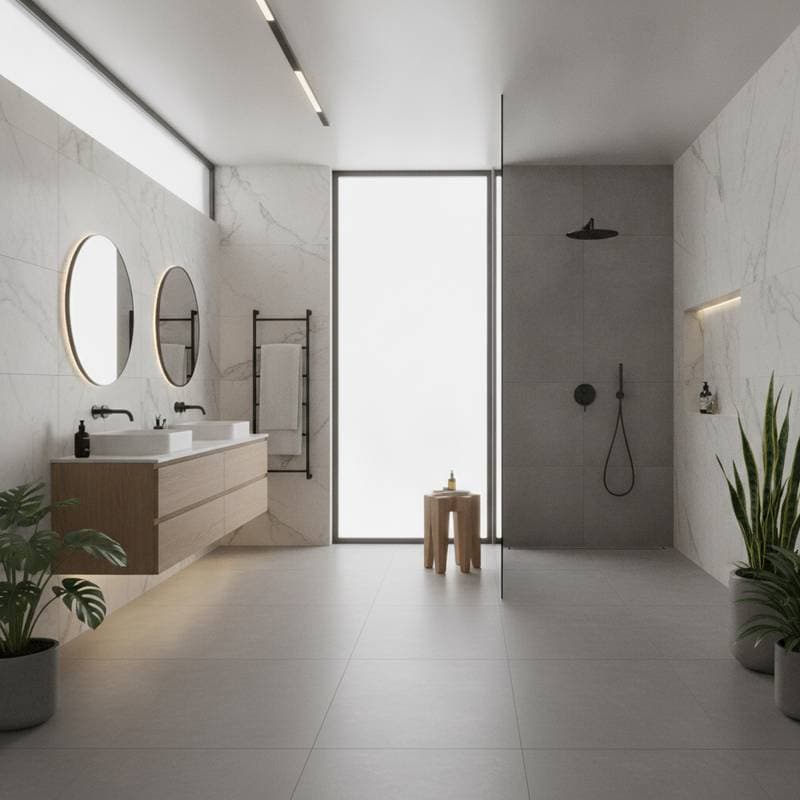
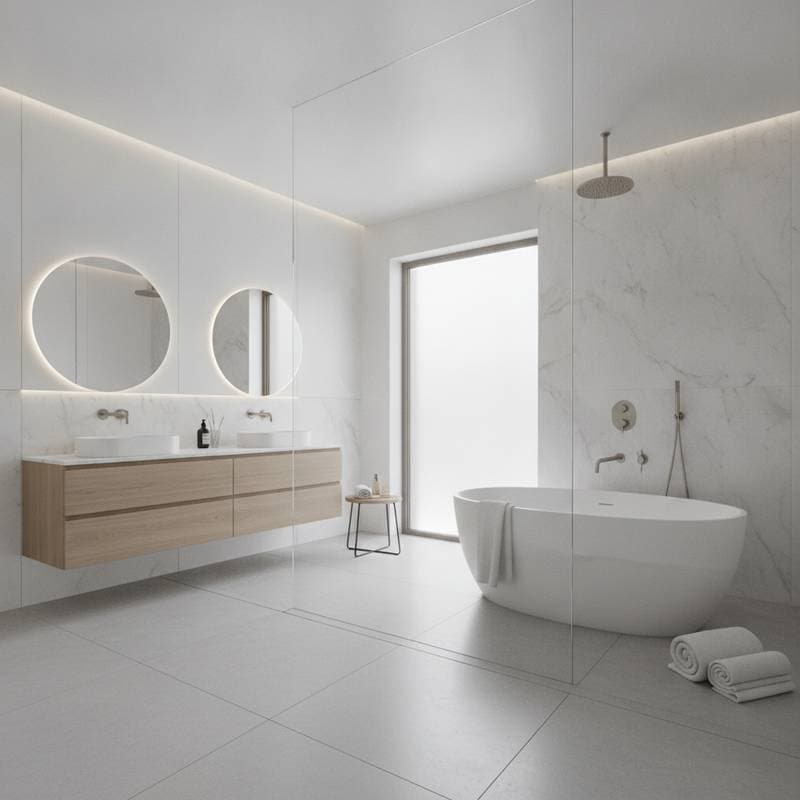
- Selection of large-format tiles mimicking natural stone for a sophisticated appearance.
- Dual drains combined with underfloor heating for optimal comfort and efficiency.
- Built-in benches and recessed lighting to elevate usability and ambiance.
- Frameless glass enclosures for an open, seamless aesthetic.
- Projected cost range: $19,000 to $22,000 or more.
High-end configurations emphasize innovation and durability, transforming the bathroom into a spa-like retreat that maximizes both form and function.
Weighing DIY Approaches Against Professional Services
Certain aspects of wet room projects lend themselves to do-it-yourself efforts, provided participants possess adequate skills and tools. Demolition tasks, selection and laying of tiles, and painting offer opportunities for hands-on involvement. Preparation of surfaces, such as installing cement board, falls within reach for those with prior experience in home improvement.
However, professional expertise becomes indispensable in several key areas. Precise floor sloping ensures proper drainage, a task requiring specialized knowledge to avoid water stagnation. Relocating drain lines or ventilation systems demands compliance with codes and precision to prevent future issues. Application of waterproof membranes must meet inspection standards, where errors could lead to costly failures.
The importance of these distinctions cannot be overstated. Inadequate waterproofing ranks among the most expensive pitfalls, as even a single overlooked seam may result in leaks that compromise framing, insulation, and adjacent structures. Engaging certified professionals for critical phases secures the project's success, upholds warranty validity, and bolsters the home's resale potential through demonstrated quality.
Optimizing Timing and Cost-Saving Strategies
Material procurement influences project timelines significantly, with tiles and fixtures often requiring 2 to 3 weeks for delivery. Coordinating tradespeople in a logical sequence minimizes downtime between plumbing rough-ins, waterproofing applications, and final tiling, streamlining the overall process.
Environmental conditions play a role in execution quality. Seasons like spring and fall provide balanced humidity levels that aid in the even curing of waterproofing membranes, reducing the risk of imperfections. Advance booking proves wise, as skilled tile installers maintain tight schedules during peak periods.
Several tactics help control expenses without sacrificing standards. Opting for smaller tile formats on walls decreases cutting waste and labor time. Retaining existing plumbing positions avoids relocation fees, potentially saving $1,500 to $3,000. Repurposing compliant lighting and ventilation components further trims costs. For older homes, allocating an additional 10 to 15 percent of the budget accommodates unforeseen repairs, such as subfloor reinforcements.
Ensuring Maintenance and Securing Warranties
Preserving the wet room's condition requires consistent, straightforward care. Application of a neutral pH cleaner weekly maintains surface integrity. Rinsing the area after each use prevents accumulation of soap residues and mineral deposits. Reapplication of grout sealant every 12 to 18 months protects against moisture penetration.
Regular assessments keep potential problems at bay. Quarterly examinations of caulk lines detect cracks early, allowing prompt resealing. Monitoring for sluggish drainage signals possible slope adjustments or debris buildup, warranting immediate attention. Proactive replacement of deteriorated gaskets and seals averts leaks that could escalate into major repairs.
Warranty protections enhance long-term assurance. Reputable waterproofing systems typically offer 10- to 15-year coverage when installed by authorized professionals. Documentation, including photographs and receipts, proves invaluable for claims, ensuring coverage remains enforceable over time.
Realizing Long-Term Value and Appeal
A well-executed wet room serves as a compelling asset in property sales. Elements of universal design, such as curbless entries, strategically placed grab bars, and non-slip flooring, resonate with prospective buyers prioritizing safety and adaptability. These features accommodate diverse needs, from young families to seniors planning to age in place, thereby expanding the buyer pool.
Additional efficiencies amplify the investment's worth. Energy-conserving fixtures, including low-flow shower heads, and systems like radiant floor heating lower utility bills, a factor discerning buyers evaluate for ongoing savings. Collectively, these attributes position the wet room as a forward-thinking enhancement that justifies premium pricing and facilitates smoother transactions.
Steps to Launch Your Wet Room Project
- Assess and Sketch. Measure the existing bathroom precisely and diagram the layout, noting all plumbing and electrical positions to inform design decisions.
- Establish Budget Parameters. Select a tier from $10,000 to $22,000 based on desired features, incorporating a 15 percent buffer for contingencies.
- Select Contractors Wisely. Obtain quotes from at least two licensed specialists in waterproofing and tiling; request client references and evidence of successful flood tests from completed projects.
- Procure Materials Ahead. Anticipate delays in tile shipments by ordering promptly to align with your construction timeline.
- Incorporate Universal Elements. Integrate accessible options like handheld showers, seating, and support bars during initial build to eliminate future modification expenses.
- Arrange for Inspections. Verify and fulfill local code stipulations prior to enclosing walls or floors, ensuring regulatory approval.
Investing in a universal design wet room yields immediate benefits in safety and convenience, alongside substantial resale advantages. With meticulous planning and emphasis on robust waterproofing, this upgrade creates an enduring, low-maintenance sanctuary that enriches home life for years to come.