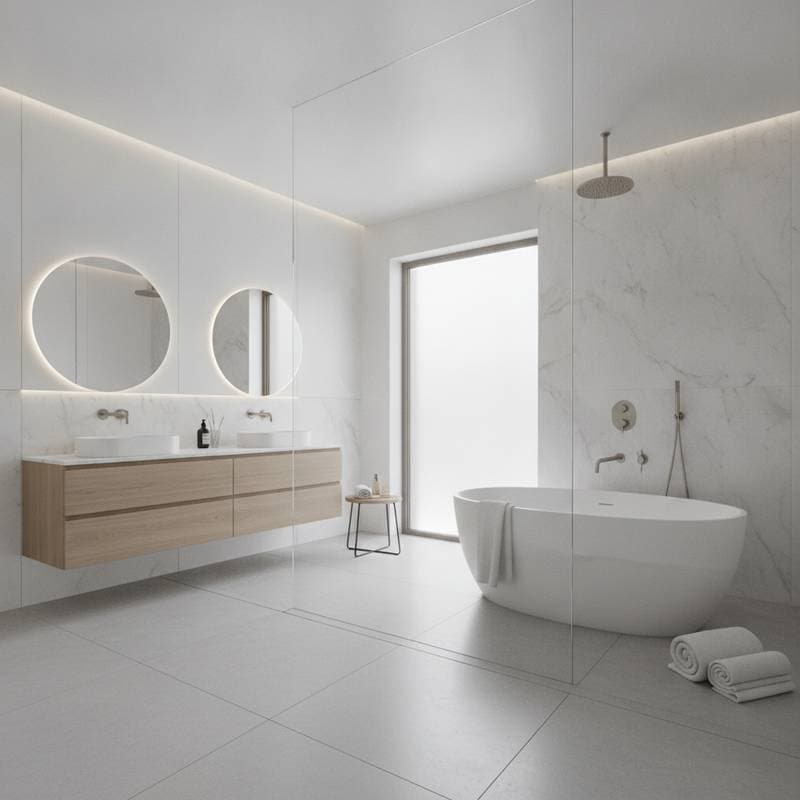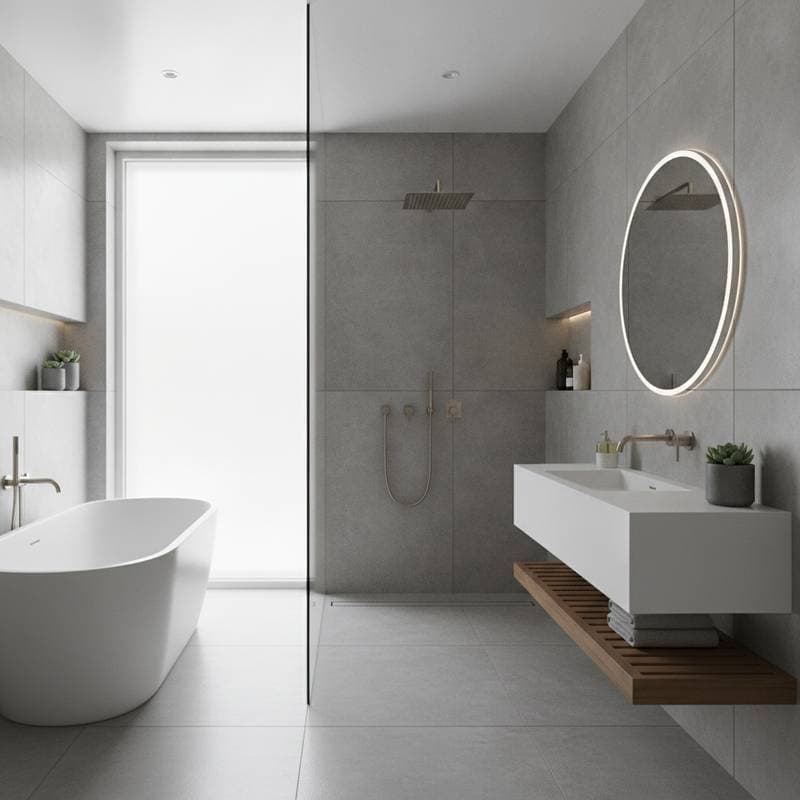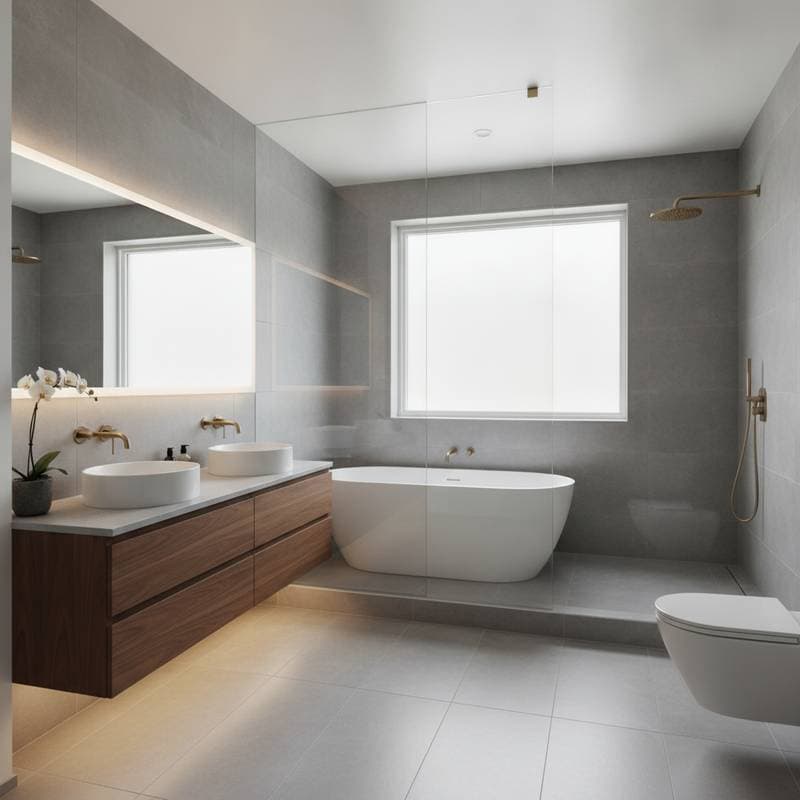
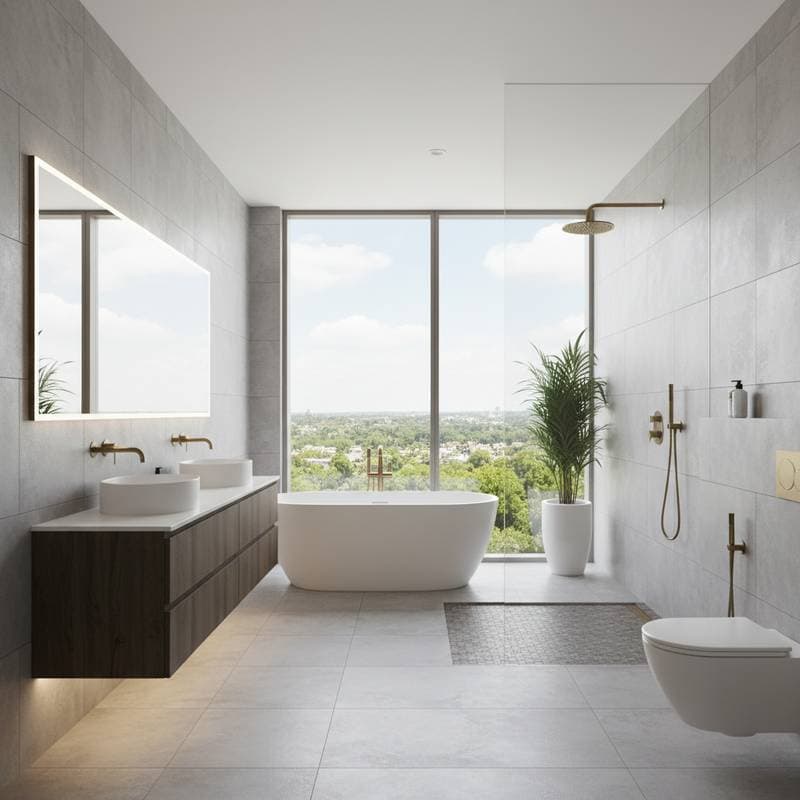
Understanding Wet Rooms and Their Value Proposition
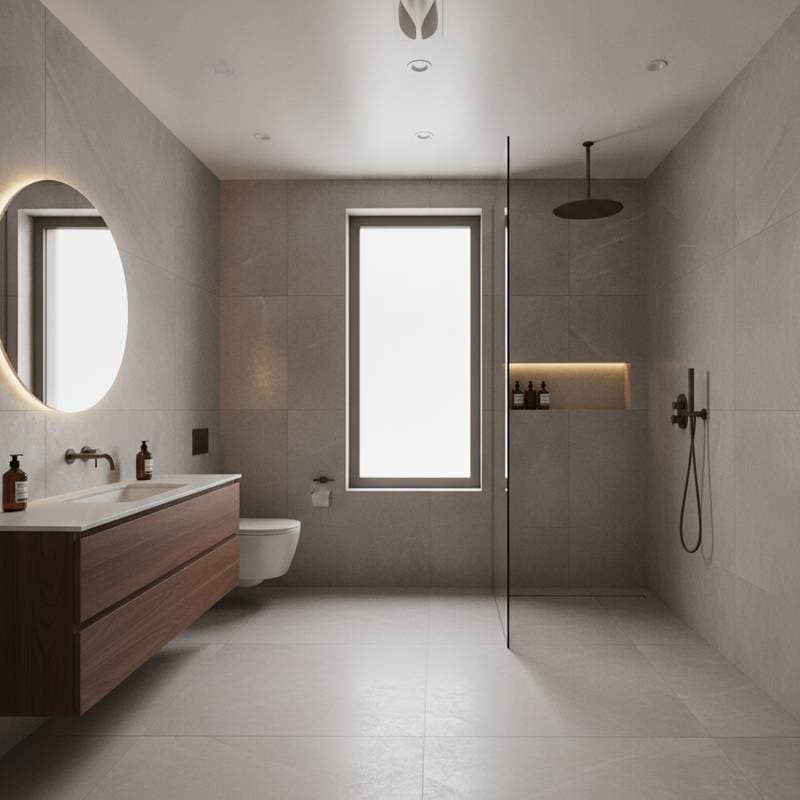
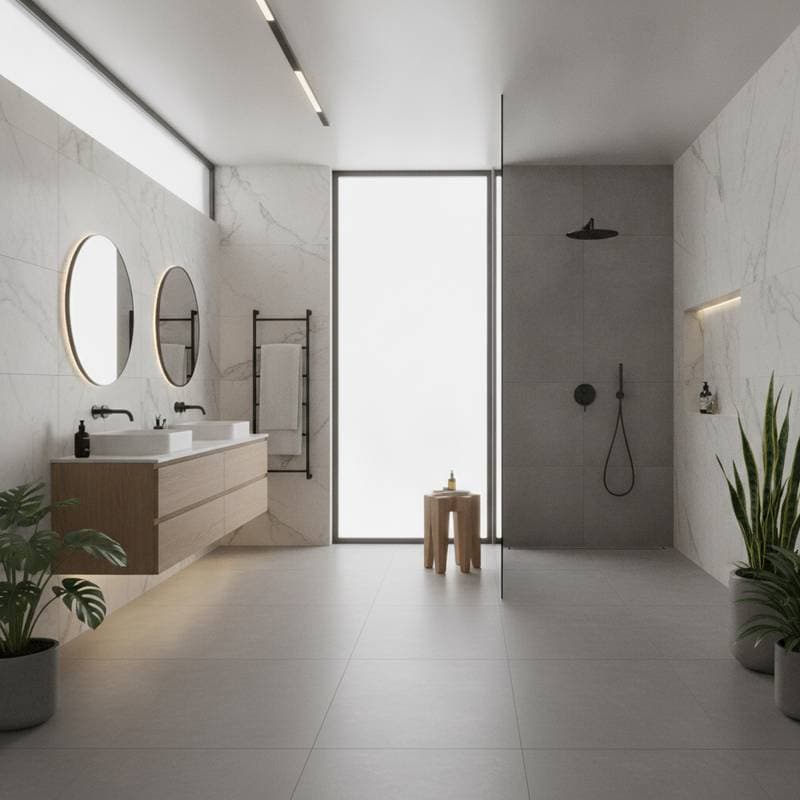
Wet rooms represent a modern approach to bathroom design, featuring fully waterproofed floors and walls that eliminate traditional shower enclosures. This seamless integration creates an open, spacious environment ideal for contemporary living. Homeowners increasingly favor wet rooms for their blend of functionality and elegance, which directly influences property appeal in competitive real estate markets.
Projections indicate that high-quality wet room installations could boost resale values by up to 11 percent by 2026, based on trends in buyer preferences for accessible and low-maintenance features. This uplift stems from the perceived luxury and practicality these spaces offer, particularly in urban and suburban settings where space efficiency matters. Appraisers note that well-executed wet rooms align with evolving standards for aging-in-place designs and sustainable home improvements.
Cost Breakdown for Wet Room Installation
Budgeting accurately forms the foundation of a successful wet room project. Total expenses typically range from $10,000 to $25,000 for a standard 50-square-foot space, depending on materials, size, and complexity. Factors such as custom fixtures or heated flooring can push costs higher, while basic conversions remain more affordable.
Key Expense Categories
- Materials: Large-format porcelain tiles cost $5 to $15 per square foot, while premium glass mosaics exceed $20 per square foot. Waterproof membranes and sealants add $500 to $1,500.
- Labor: Skilled waterproofing and tile installation can run $60 to $120 per hour. Labor intensity rises with complex slopes or full-wall tiling.
- Glass panels or screens: Optional, but most homeowners spend $600 to $1,200 for partial splash guards.
- Plumbing and Fixtures: Drain relocation or new showerheads range from $800 to $2,500. Underfloor heating systems add $1,000 to $3,000.
Other costs include plumbing adjustments, lighting upgrades, and any structural reinforcement. Plan a 10 to 15 percent contingency if you are working in an older home where subfloor repair or plumbing relocation may be needed. Timelines vary from four to eight weeks, influenced by material availability and permitting processes.
DIY Versus Professional Installation
Deciding between a do-it-yourself approach and hiring professionals hinges on your skill level and project scope. Waterproofing serves as the critical dividing line, demanding precision to prevent future issues.
Scenarios for DIY Installation
- You possess prior experience with tiling and access to specialized tools like laser levels and wet saws.
- The project involves a small space where you can meticulously create the required floor slope.
- You adhere strictly to manufacturer specifications for waterproof membranes, adhesives, and sealants.
Reasons to Engage Professionals
- You plan to convert an existing tub or multi-level floor, which requires structural modifications.
- Plumbing or electrical lines necessitate rerouting to comply with safety standards.
- You seek code-approved waterproof certification to enhance resale documentation.
Improper slope or sealing can lead to slow leaks that damage joists and insulation. A small mistake can cost $5,000 to $10,000 in hidden repairs later. For safety, use waterproof gloves, a respirator for tile cutting, knee pads, and safety glasses. Always shut off water and electricity before starting demolition.
Factors Driving Increased Home Value
Real estate professionals observe growing demand for open, accessible bathrooms, with wet rooms at the forefront. Buyers appreciate how these designs address multiple contemporary requirements simultaneously.
- Accessibility: Absence of steps or curbs facilitates entry for individuals of all ages, appealing to those preparing for long-term residency.
- Luxury Perception: The open shower layout conveys a custom, spa-inspired ambiance, even within modest home sizes.
- Ease of Cleaning: Reduced corners and barriers minimize mold accumulation, attracting buyers who prioritize low-maintenance lifestyles.
- Durability: Comprehensive waterproofing prolongs the bathroom's lifespan, thereby lowering prospective renovation expenses.
- Space Efficiency: In compact residences, eliminating shower curbs or tubs enhances both visual openness and practical usability.
Market analyses confirm that properties featuring superior wet rooms may secure up to 11 percent higher sale prices relative to comparable homes lacking such upgrades. The extent of value addition correlates with installation quality and harmony with the property's overall aesthetic.
Ensuring Safety and Regulatory Compliance
Prior to commencing work, verify adherence to local building codes, as wet room projects often require inspections for waterproofing, slope, and ventilation. Non-compliance risks project delays or diminished resale potential.
Common Permit Requirements
- Relocating plumbing lines to optimize drainage.
- Incorporating underfloor heating systems.
- Expanding the bathroom's overall footprint.
Essential Code Considerations
- Establish a minimum floor slope of 1/4 inch per foot directing toward the drain to facilitate proper water runoff.
- Install ventilation fans capable of managing elevated humidity to prevent moisture-related damage.
- Equip electrical outlets with ground-fault circuit interrupter protection for safety in wet environments.
Engage licensed tradespeople for electrical or significant plumbing tasks to safeguard warranties and meet resale stipulations. Professional oversight ensures the installation withstands scrutiny from future buyers and inspectors.
Executing Your Wet Room Project
Initiate the process by outlining your layout and evaluating slope feasibility. Sketch the drain placement and water flow patterns to visualize the final design. Collect finish samples aligned with your selected budget level to guide material choices.
Structured Installation Steps
- Establish your budget ceiling. Incorporate a 15 percent cushion for unforeseen expenses.
- Hire a professional for waterproofing if uncertain. This foundational element safeguards the entire investment.
- Order materials in advance. Supply chain disruptions for tiles occur frequently in constrained markets.
- Schedule inspections where permits are required. Early approvals avert expensive modifications.
- Implement daily cleanup protocols. Construction generates substantial dust and debris that must be contained.
Throughout the project, monitor progress against timelines to accommodate curing periods for membranes and grouts, typically spanning 24 to 48 hours per phase.
Advancing Toward Resale Readiness
- Define project scope. Determine whether to pursue a full remodel or adapt an existing shower area.
- Obtain three detailed quotes. Evaluate waterproofing techniques and included warranty durations.
- Assess subfloor integrity. Address any weaknesses prior to introducing additional weight and moisture exposure.
- Establish a realistic timeline. Account for material delivery delays and household routines.
- Prioritize robust waterproofing. Neglecting this aspect invites long-term financial repercussions.
By focusing on these elements, you position your wet room as a standout feature that not only enhances daily living but also maximizes financial returns upon sale.