Transform Garage into EV Hub: 92% ROI by 2026
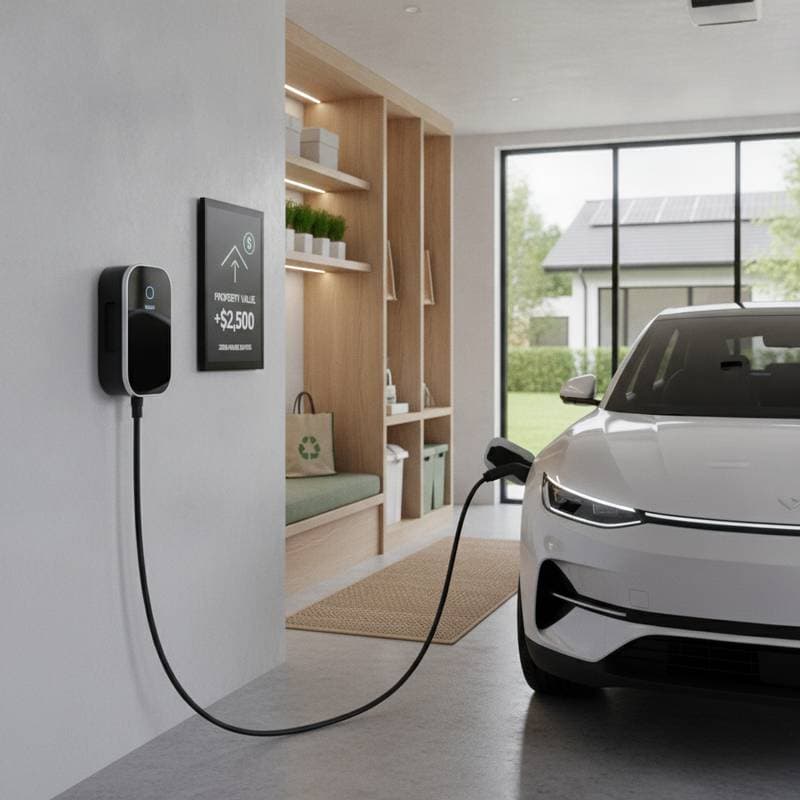
Typical cost: $4,200 total, with a 92% return on resale value within two years.
EV-ready garages are becoming one of the smartest home upgrades. With more buyers seeking electric vehicle access, adding a charging hub now can raise property value, cut daily fuel costs, and prepare you for the next generation of cars.
Cost Factors
1. Electrical Capacity and Panel Upgrade
If your home’s panel is under 200 amps, expect an extra $1,200 to $2,500 for an upgrade. This is often the biggest cost driver.
2. Charger Type
- Level 1 (120V) chargers plug into a standard outlet. Cost: $300 to $600.
- Level 2 (240V) chargers charge 4 to 6 times faster. Installed cost: $1,000 to $2,200.
- Smart chargers with Wi-Fi or load balancing add $300 to $700.
3. Garage Condition
Finishing walls, sealing floors, or adding insulation can add $500 to $1,500. Clean surfaces protect wiring and improve resale presentation.
4. Permit and Inspection Fees
Most cities require an electrical permit, usually $100 to $300. Always confirm before starting.
5. Cable Management and Accessories
Cord reels, wall mounts, or conduit casings cost $50 to $200 but keep your setup safe and tidy.
Safety and Compliance
Before starting, turn off power at the main breaker and confirm voltage. Wear safety glasses and insulated gloves during any electrical work.
Permit triggers:
- Adding or modifying circuits.
- Installing a new subpanel.
- Hardwiring a Level 2 charger.
Licensed pro required when:
- You upgrade service panels.
- You run conduit through walls or ceilings.
- You connect directly to the main line.
Skip permits and you risk failed inspections or insurance issues later.
Timing and Savings
Plan for 3 to 10 days from consultation to final inspection. The biggest delays come from panel parts and city permit processing.
Smart Timing Tips
- Schedule in shoulder seasons. Electricians have shorter wait times and better pricing.
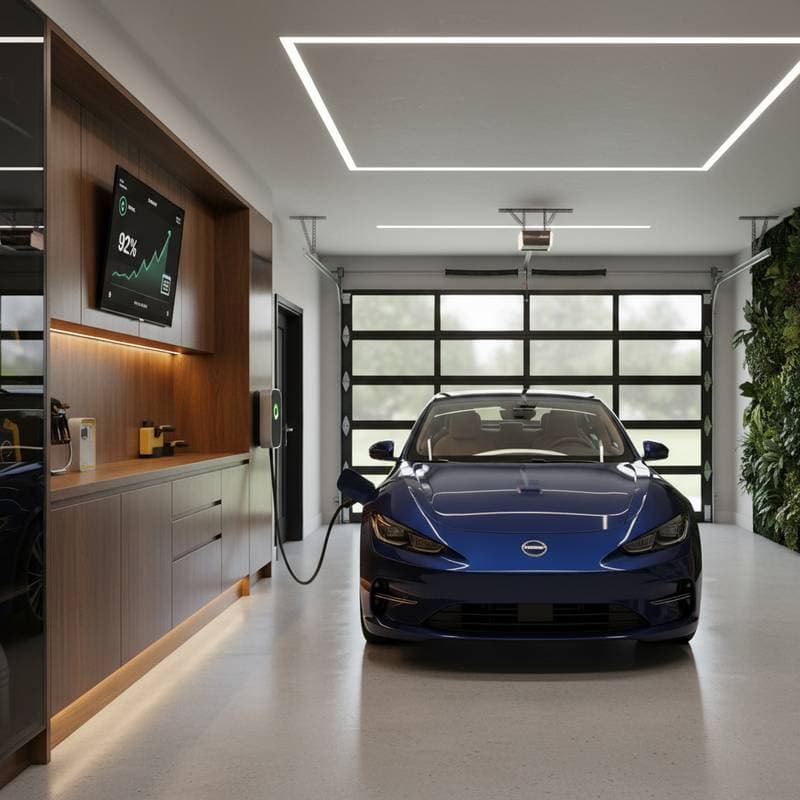
- Combine this project with a garage lighting or insulation upgrade to share labor costs.
- Ask your utility about time-of-use rates. Many offer $200 to $800 rebates for verified EV installations.
Savings Potential
- Charging at home costs 60 to 75 percent less than public stations.
- Over five years, that can offset the entire installation cost.
If you do one upgrade, make it a 240V circuit. It prevents future rewiring when you add a second EV or switch to solar power.
Making It Happen
1. Get a Load Assessment
Ask a licensed electrician to measure your available capacity. This determines if you need a panel upgrade or can add a new breaker safely.
2. Select Your Charger Type
Pick between Level 1 for simplicity or Level 2 for speed. If you plan to own multiple EVs, go directly to Level 2.
3. Prepare the Space
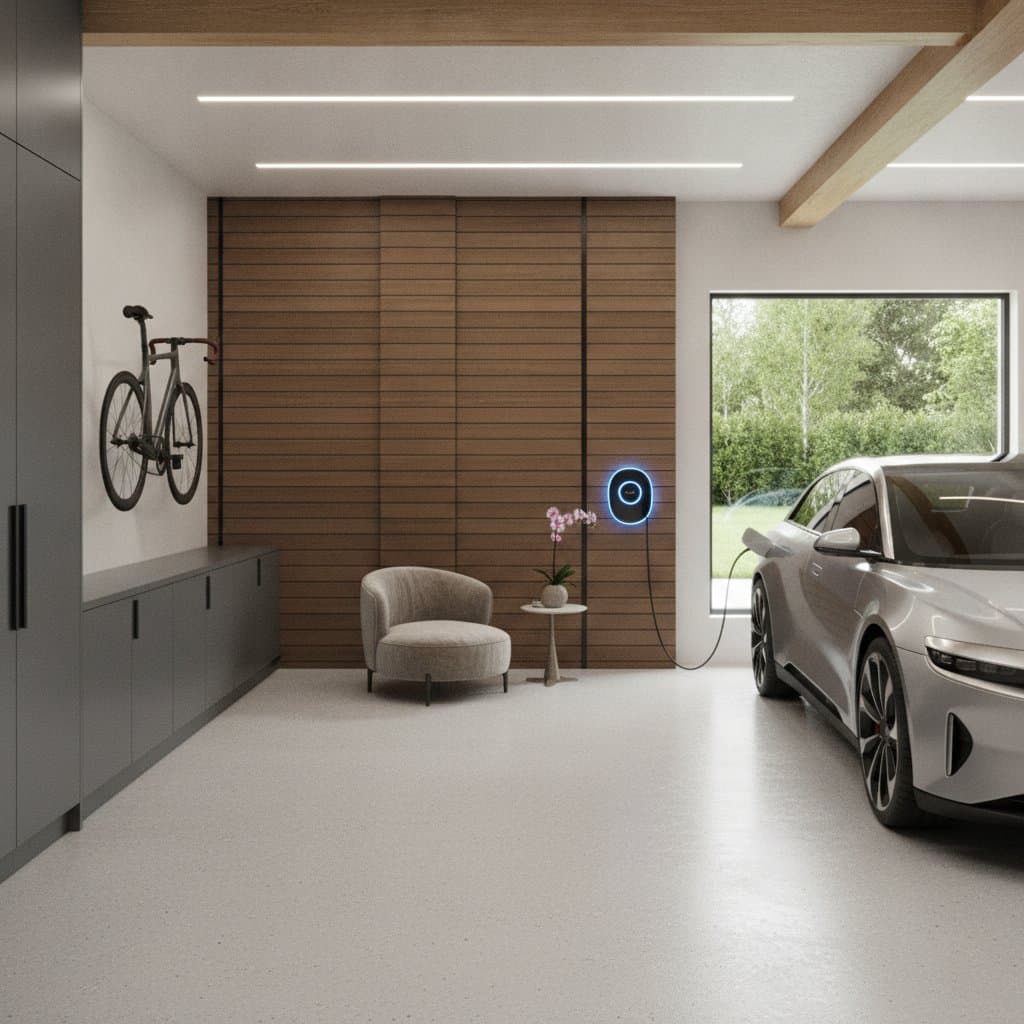
Clear one wall, patch holes, and improve lighting. It signals readiness for inspection and resale.
4. Confirm Permits Early
Apply before buying equipment to prevent delays. Some cities require model numbers on the permit form.
5. Schedule Installation
Expect one day for wiring and mounting, then one short inspection visit. Keep your paperwork for rebate claims.
6. Add Finishing Touches
Paint the wall behind the charger, label the breaker, and mount a small shelf for charging accessories. Small details improve safety and resale impressions.
Your Next Steps
- Start with a quote. Get at least two estimates covering panel capacity, conduit length, and charger model.
- Apply for rebates. Check your utility, air quality district, and state programs.
- Plan your layout. Keep cords off the floor and near your vehicle’s charge port.
- Think ahead. If your next car will be fully electric, size your circuit for two chargers now.
Turning your garage into an EV hub is not just a green statement. It is a practical, value-driven move that pays back almost every dollar invested. The payoff comes from lower fuel costs, higher home value, and a ready future for electric mobility. Take the first step today, and your garage will power more than your car. It will power your home’s next chapter.