The Appeal of Hidden Wine Cellars in Luxury Homes
Hidden wine cellars represent a pinnacle of refined living, seamlessly integrating functionality with elegance. These concealed storage solutions not only preserve prized collections but also elevate the overall aesthetic and market worth of a property. In the competitive landscape of luxury real estate, such features distinguish a home, appealing to discerning buyers who value both practicality and prestige.
The surge in demand for these installations stems from a growing appreciation for wine culture among affluent homeowners. A well-designed cellar maintains optimal conditions, preventing spoilage and ensuring bottles age gracefully. Beyond preservation, these spaces serve as sophisticated gathering points, fostering intimate social experiences within the home.
Boosting Property Value Through Strategic Design
Incorporating a hidden wine cellar can add up to 15 percent to a luxury home's value, according to recent market analyses projecting trends through 2026. This enhancement arises from the perceived luxury and customization it offers, making the property stand out in listings. Buyers in premium markets often prioritize homes with unique, high-end amenities that reflect personal taste and investment in quality.
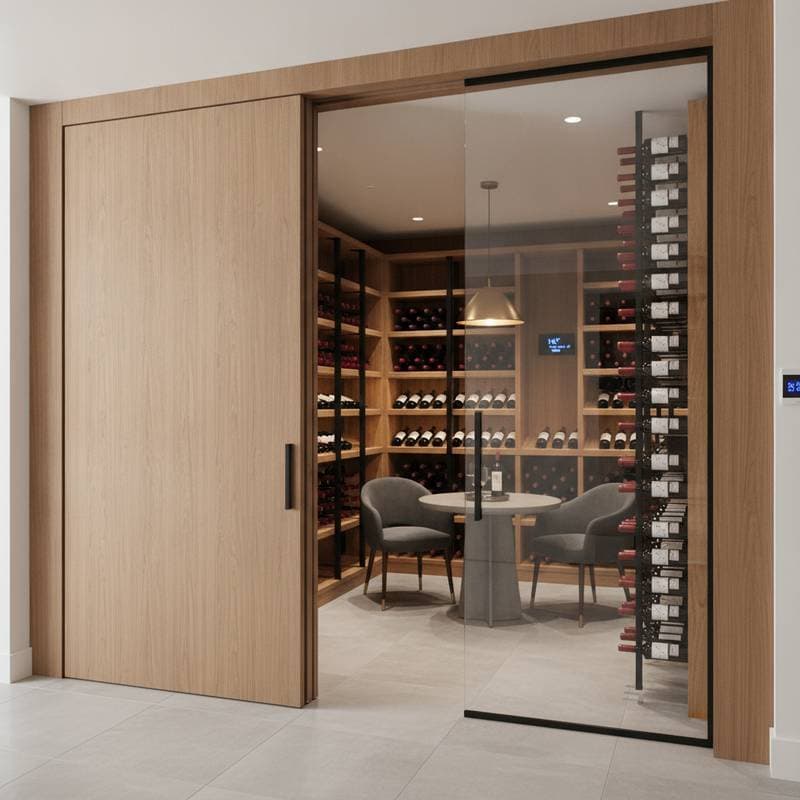
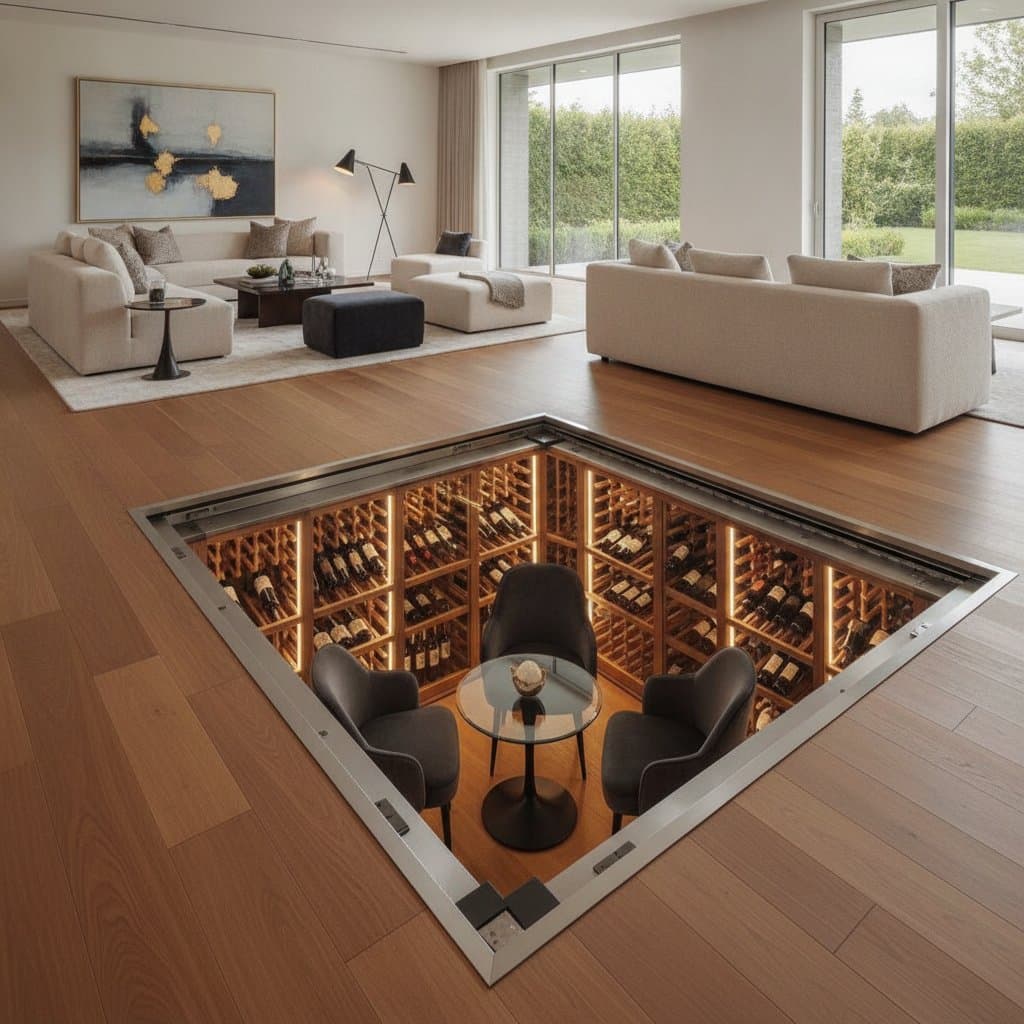
The design process begins with selecting a location that maximizes discretion while ensuring accessibility. Common placements include beneath staircases, within closets, or behind false walls in basements. Each choice requires careful consideration of space constraints and integration with the home's architecture to avoid disrupting the flow.
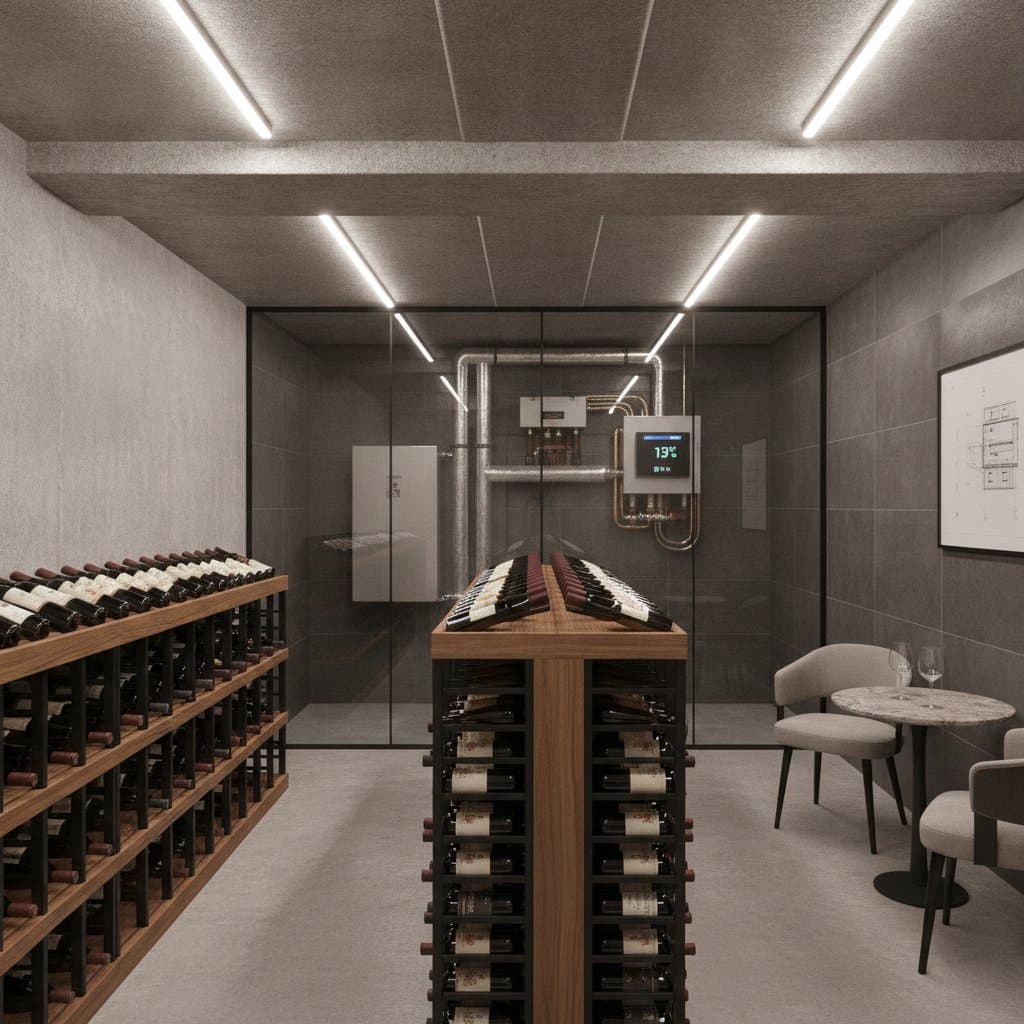
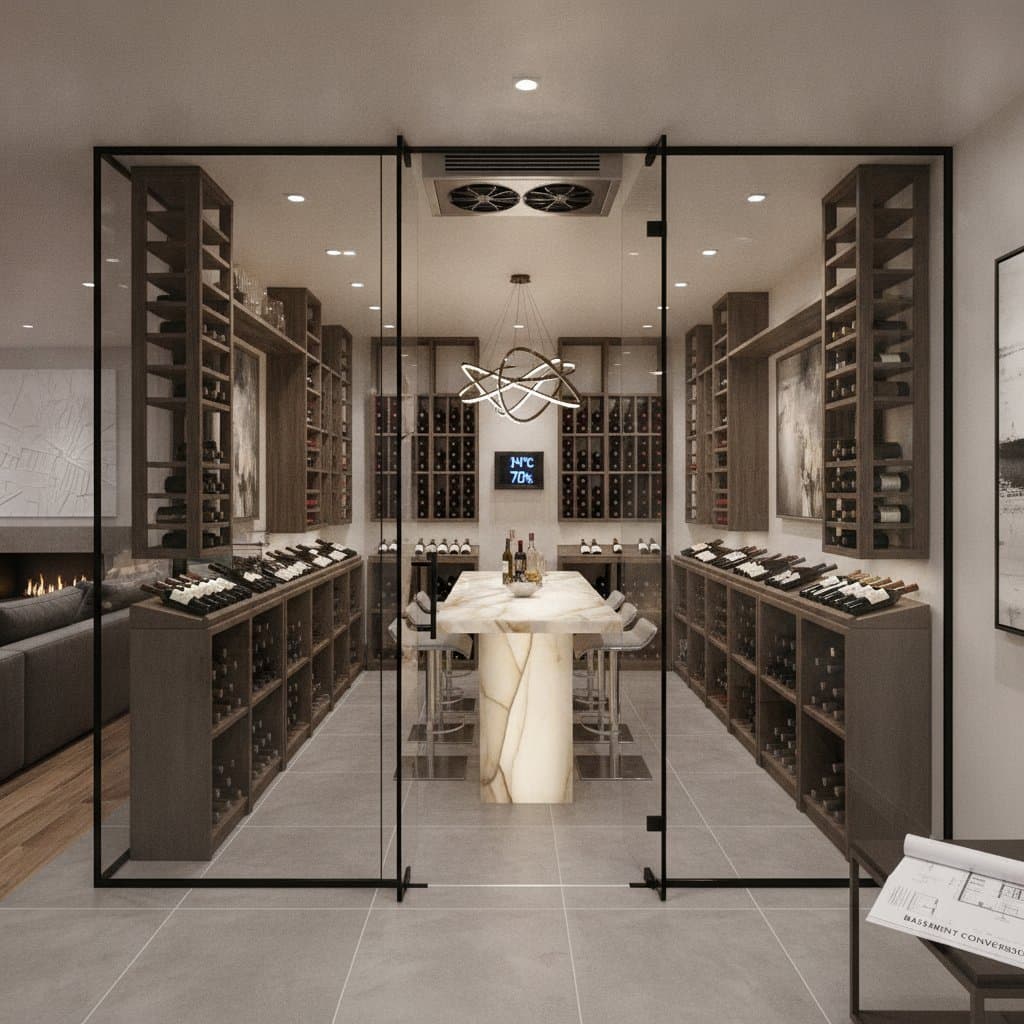
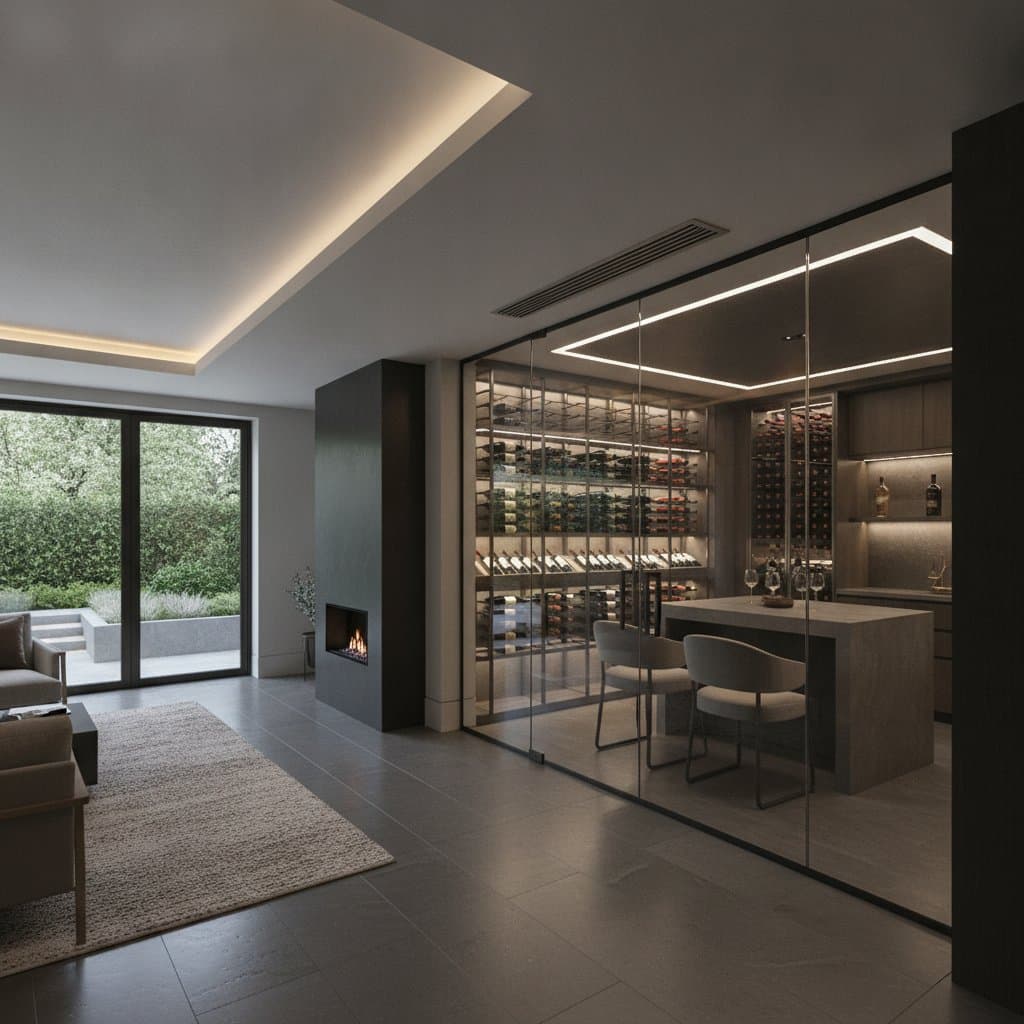
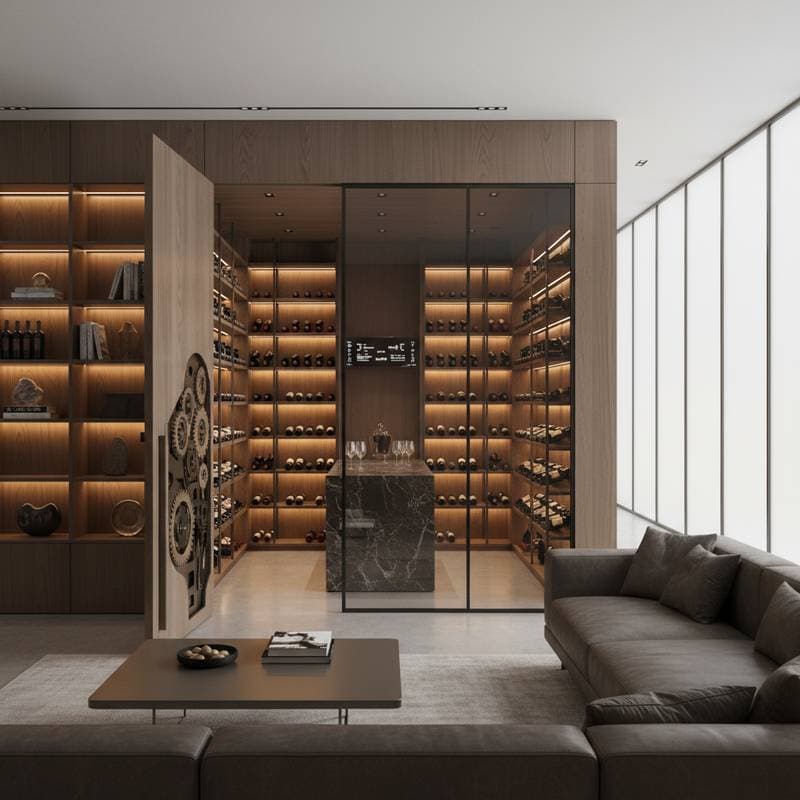
Advanced features further amplify value. Motorized glass doors that retract into walls create a dramatic reveal, while integrated lighting highlights bottle displays without compromising temperature stability. Smart sensors monitor humidity and vibration levels, alerting owners to potential issues via mobile apps. These technological integrations position the cellar as a modern marvel, appealing to tech-savvy collectors.
Essential Components for Longevity and Performance
A durable wine cellar relies on robust construction to protect investments over time. Insulation and vapor barriers form the foundation, typically lasting 20 to 30 years when properly installed. These elements shield against external temperature fluctuations and moisture infiltration, critical for maintaining the ideal 55-degree Fahrenheit environment.
Structural components, such as racks and shelving made from redwood or metal alloys, endure 25 to 50 years with regular maintenance. Hardwood flooring and stone accents add timeless appeal but demand vigilant moisture control to prevent warping or degradation. Cooling units, the heart of the system, often come with 3 to 5 year warranties, though high-quality models operate reliably for a decade or more.
Proper ventilation prevents mold growth and ensures even air circulation. Dual-zone systems allow separation of reds and whites, each requiring specific humidity levels between 50 and 70 percent. Security measures, like biometric locks and surveillance integration, safeguard collections valued at tens of thousands of dollars.
Cost Considerations for Custom Installations
Budgeting for a hidden wine cellar varies widely based on size, materials, and complexity. Basic setups for 100 to 200 bottles start at $25,000, covering essential cooling and basic racking. Midrange options, accommodating 300 to 500 bottles with custom cabinetry and automated features, range from $45,000 to $80,000.
Luxury builds exceeding 1,000 bottles can reach $120,000 or more, incorporating exotic materials like reclaimed wood or marble countertops for tasting areas. Labor costs, often 40 percent of the total, depend on location and contractor expertise. Hidden installations add 10 to 20 percent to expenses due to structural modifications and concealment efforts.
Ongoing maintenance, including annual filter replacements and inspections, adds $500 to $1,000 yearly. Investing in energy-efficient systems reduces long-term utility bills, enhancing the feature's financial appeal. Homeowners should factor in potential tax benefits for home improvements that increase appraised value.
Design and Installation Best Practices
Successful implementation starts with professional assessment. Architects specializing in wine storage evaluate structural integrity and zoning restrictions. They recommend layouts that optimize bottle orientation—horizontal for corks to stay moist—and airflow paths to avoid hot spots.
Material selection influences both aesthetics and durability. Glass fronts provide visibility while UV-filtered panes protect contents from light damage. Acoustic panels dampen noise from nearby living areas, preserving the cellar's serene ambiance.
Installation demands precision to meet building codes. Electrical wiring for cooling and lighting must comply with safety standards, often requiring licensed electricians. Plumbing for humidifiers integrates subtly to maintain vapor balance without visible fixtures.
Step-by-Step Guide to Building Your Cellar
-
Assess Available Space: Identify underutilized areas such as basements, pantries, or stairwells. Measure dimensions accurately and consult load-bearing charts to ensure the structure supports added weight from racks and units.
-
Establish a Budget Framework: Allocate funds across categories: 30 percent for cooling and climate control, 40 percent for structure and racking, and 30 percent for finishes and labor. Begin with $45,000 for a standard midrange project to allow flexibility.
-
Consult a Specialized Designer: Partner with experts in wine cellar architecture to refine concepts and avoid common pitfalls like inadequate insulation. Their input ensures compliance with international wine storage standards.
-
Secure Necessary Permits: Obtain approvals for electrical, mechanical, and structural changes. Inspections verify safety and preserve documentation essential for future appraisals or insurance claims.
-
Procure Materials in Advance: Source cooling systems and custom racks early, as lead times can extend 8 to 12 weeks. Coordinate with suppliers to match delivery with construction phases.
-
Oversee Construction and Documentation: Monitor progress to align with timelines, typically 4 to 8 weeks for completion. Maintain records of all warranties, permits, and service logs in a dedicated file for easy access.
-
Test and Maintain Post-Installation: Run full system diagnostics before stocking. Schedule biannual professional tune-ups to sustain performance and extend component life.
Realizing Lasting Benefits and Enjoyment
A thoughtfully executed hidden wine cellar delivers more than storage; it enriches daily life and secures financial returns. Homeowners gain a private retreat for tastings and events, enhancing social connections. In resale scenarios, the feature attracts premium offers, with appraisers recognizing its contribution to overall property enhancement.
Sustainability plays a role too, as efficient designs minimize energy use compared to standalone units. Collectors appreciate the peace of mind from controlled conditions, allowing focus on curation rather than preservation worries. Ultimately, this investment aligns personal passion with market savvy, creating a legacy of luxury within the home.