Why Homebuyers Prioritize Hidden Walk-In Pantries
Typical cost: $3,000 to $8,500 for a hidden walk-in pantry integrated into an existing kitchen configuration.
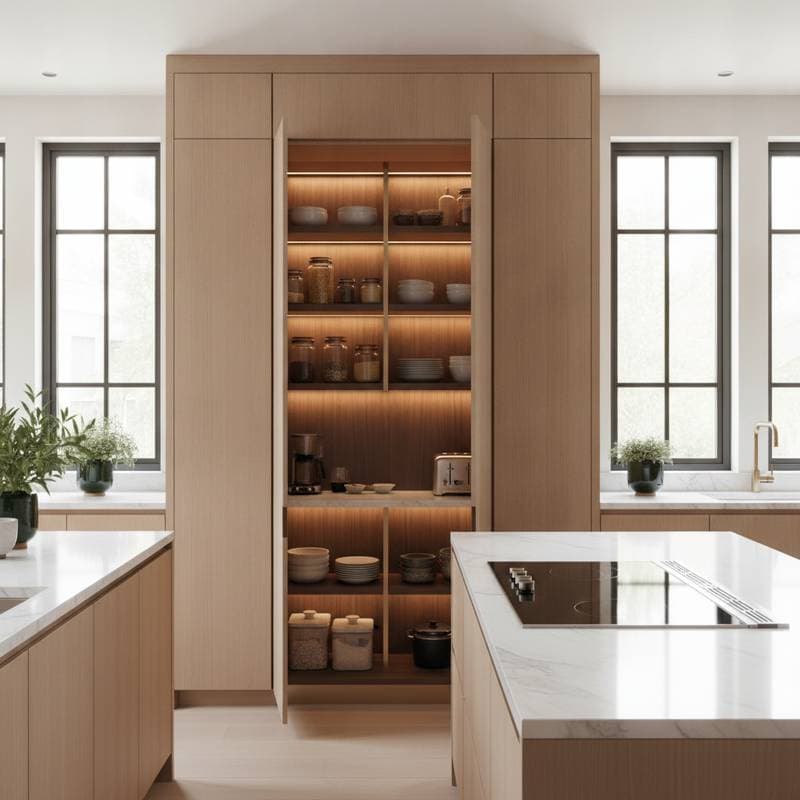
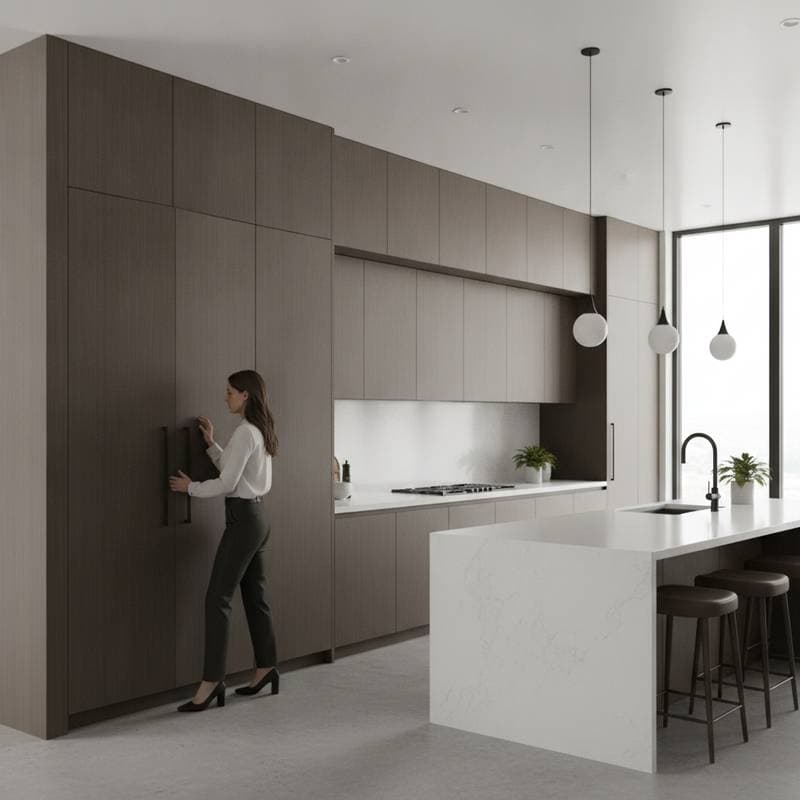
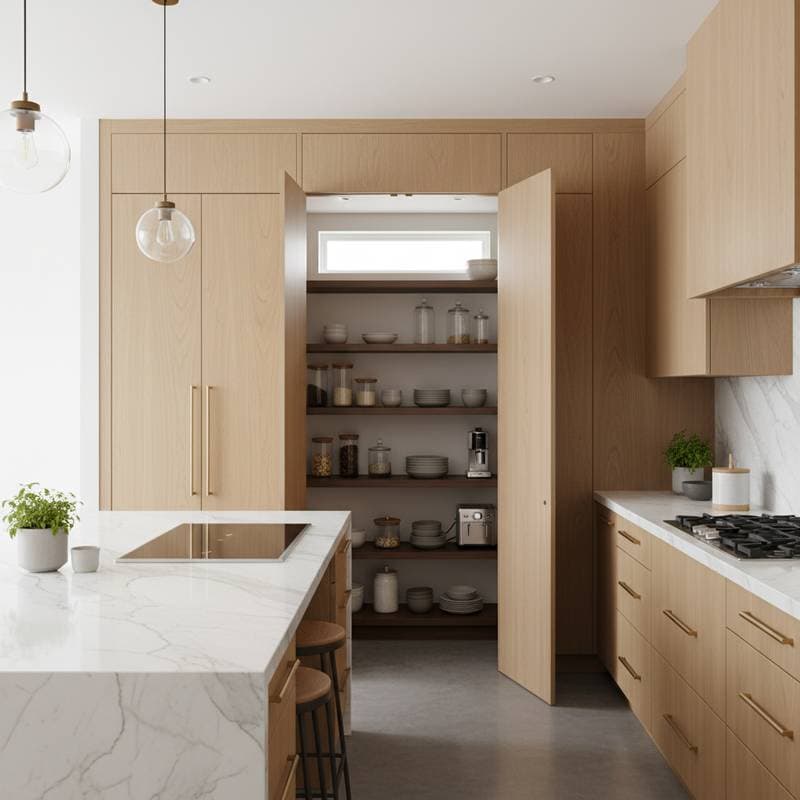
Homebuyers frequently inquire about hidden walk-in pantries because these features address two key challenges concurrently. They conceal everyday clutter while creating the illusion of expanded kitchen space without requiring additional square footage. A thoughtfully designed pantry enhances daily kitchen operations and often influences purchasing decisions in competitive real estate markets.
Factors Influencing Costs
1. Space Conversion
Converting an underutilized closet or alcove into a pantry proves more economical than altering structural walls. Anticipate expenses of $1,500 to $2,500 for basic framing, drywall installation, and finishing touches.
2. Entry Design
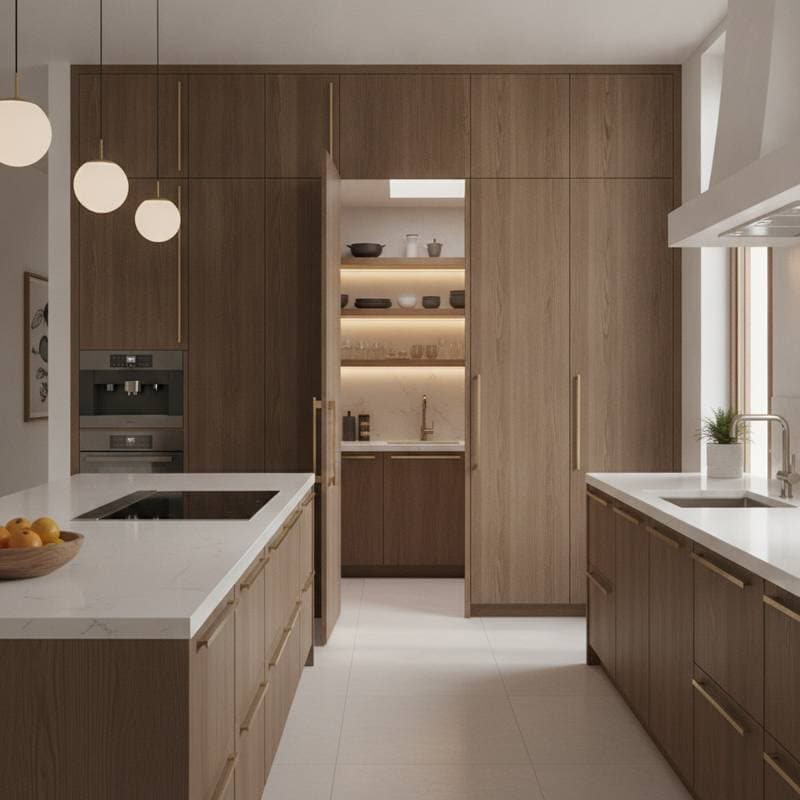
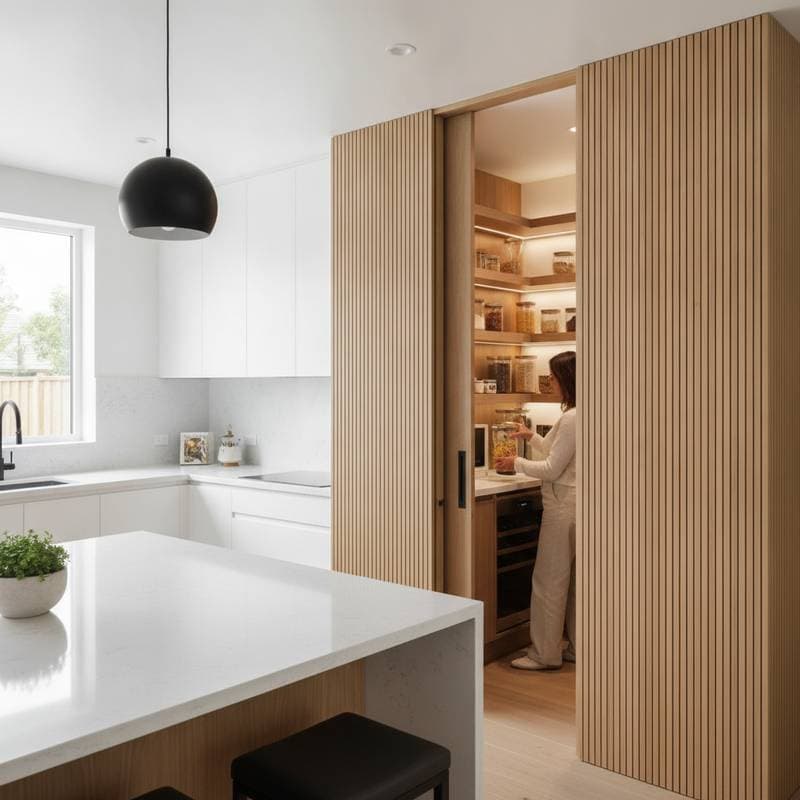
Doors camouflaged as cabinet fronts contribute $800 to $1,500 to the total. Alternatives such as pocket doors or barn-style sliders reduce costs but compromise the hidden aspect by making the entry more visible.
3. Shelving and Material Choices
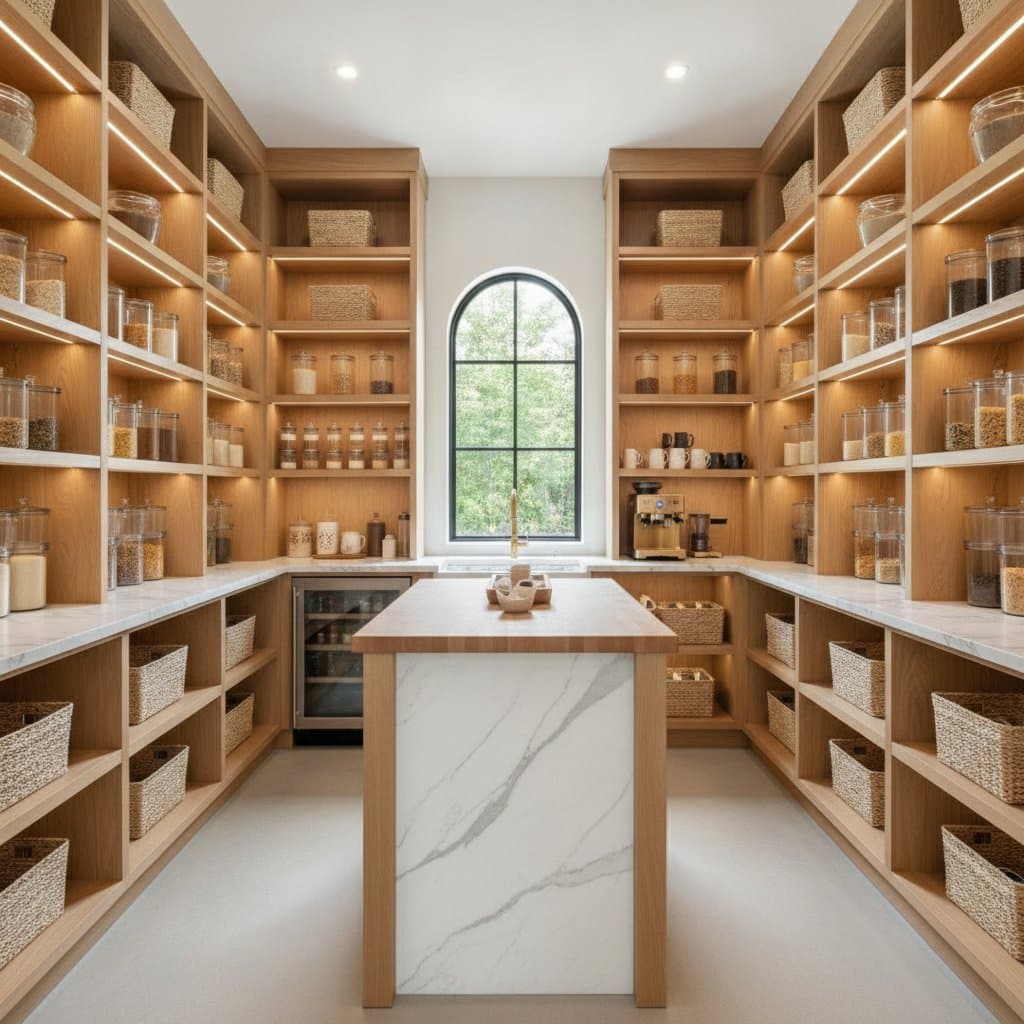
Basic wire shelving units begin at approximately $200, whereas bespoke wooden or laminate options escalate to $1,200 to $2,000. Opt for adjustable shelving systems, which incur higher upfront costs yet offer durability and adaptability to evolving storage requirements.
4. Lighting and Airflow Solutions
Incorporating LED strip lights or recessed fixtures ranges from $150 to $400. In areas prone to heat buildup or lingering odors, include a compact exhaust fan or incorporate louvered panels in the door for improved circulation.
5. Permits and Utility Additions
Projects involving new electrical outlets or plumbing for elements like a sink or compact refrigerator necessitate an additional $500 to $1,200, along with obtaining necessary permits to comply with local regulations.
Budget-Tiered Implementation Options
Basic Level:
Repurpose a section of a laundry room closet or entryway coat closet for storage. Install straightforward open shelving paired with a standard door. Total cost falls between $1,500 and $3,000. This setup maintains functionality for 10 to 15 years, provided regular repainting occurs to preserve appearance.
Midrange Level:
Transform a corner or recessed area adjacent to the refrigerator into a dedicated space. Feature a concealed cabinet-style door, adjustable shelving, and integrated lighting with soft-close mechanisms. Expenses range from $4,000 to $6,000. Such installations endure beyond 20 years with minimal upkeep.
Premium Level:
Construct a full walk-in area concealed behind an entire wall of cabinetry. Incorporate custom millwork, motion-activated lighting, and a dedicated preparation countertop. Costs vary from $7,000 to $12,000 based on dimensions and materials. These high-end designs offer longevity exceeding 25 years.
Project Timelines and Cost-Saving Strategies
Allocate 2 to 4 weeks for the entire process, from initial design through to final installation. Custom door fabrication often represents the primary bottleneck, potentially extending up to two weeks. Coordinate electrical and painting tasks at the outset to prevent workflow disruptions.
Practical Recommendations for Efficiency:
Order shelving components prior to any demolition to ensure precise measurements. Salvage and repurpose existing cabinet doors that align with the overall aesthetic. Inquire with contractors about seasonal promotions during late summer or winter periods. Reserve an additional 10 to 15 percent of the budget to accommodate unforeseen issues, particularly in homes constructed before 1980.
Ongoing Maintenance and Warranty Considerations
Clean shelving surfaces with a damp cloth on a routine basis and inspect anchors for stability annually. Apply protective paint or sealant to wooden elements every few years to guard against humidity-related wear. Lubricate hinges and sliding tracks on concealed doors biannually to ensure smooth operation.
Retain all records for installed lighting and electrical components to facilitate warranty processes. LED systems typically include coverage for three to five years. Secure at least a one-year warranty on custom carpentry work to protect against installation defects.
Steps to Implement Your Hidden Pantry
-
Assess Available Space: Identify areas with a minimum depth of 36 inches to allow comfortable access and movement within the pantry.
-
Develop a Preliminary Design: Draft a basic layout incorporating door placement, optimal shelf heights for various items, and positions for lighting fixtures.
-
Obtain Multiple Quotes: Consult both carpenters and cabinet specialists to compare labor charges, material selections, and overall project scopes.
-
Verify Building Codes: If electrical modifications are planned, confirm requirements for licensed professionals, even for low-voltage installations, as regulations vary by municipality.
-
Finalize Aesthetic Details: Address structural elements first, then select complementary trim, hardware, and paint colors to harmonize with the existing kitchen palette.
A hidden walk-in pantry extends beyond mere storage enhancement. It fosters a serene, efficient kitchen environment that supports daily routines and impresses visitors with its organized sophistication.