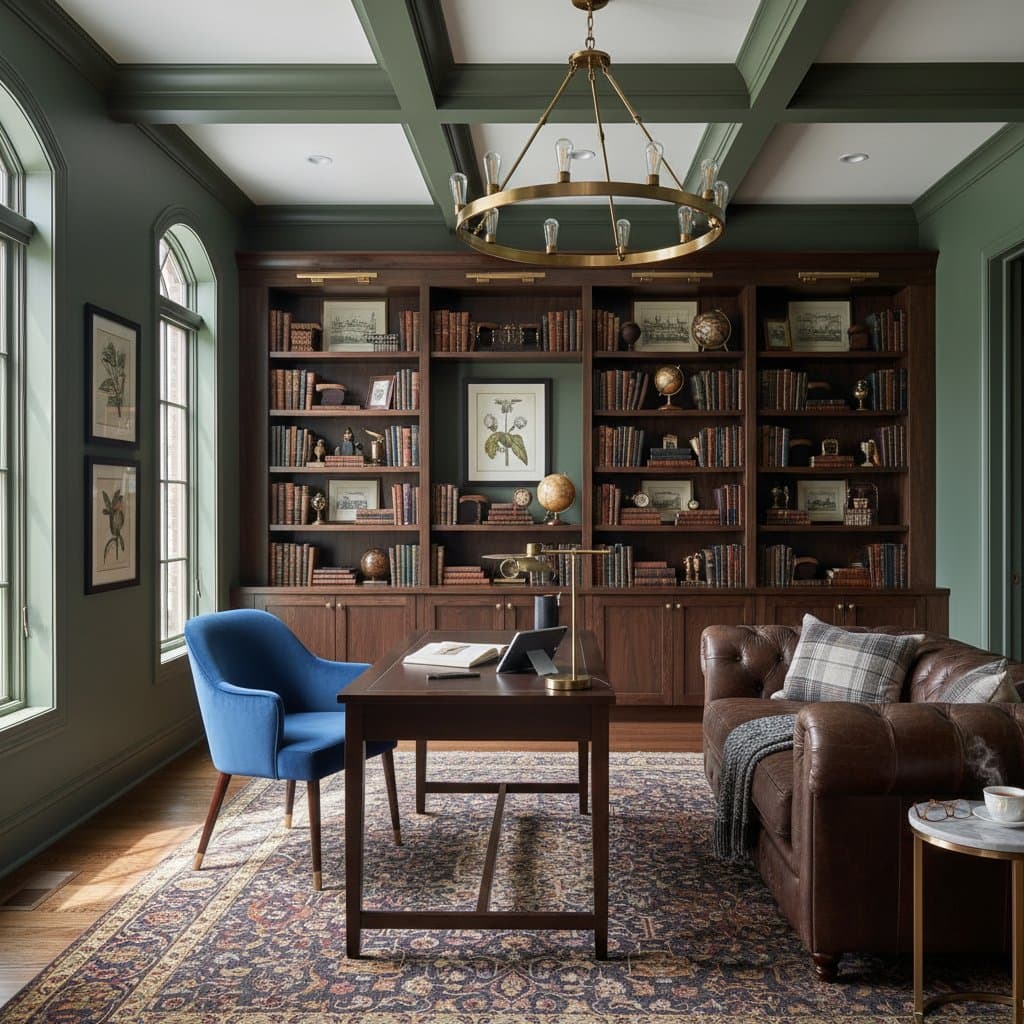
Understanding Dark Academia and Its Impact on Home Values
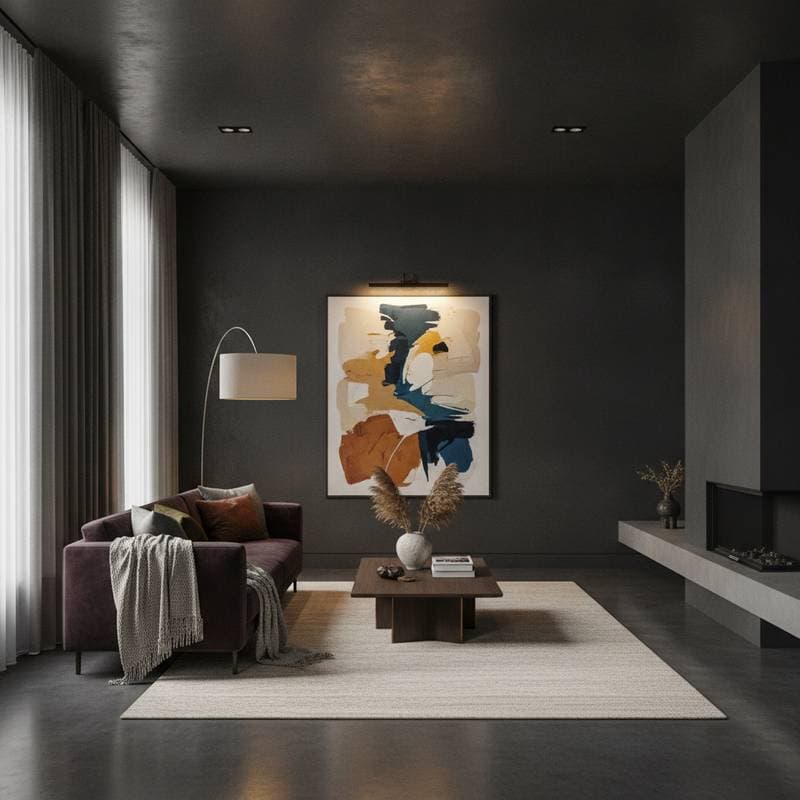
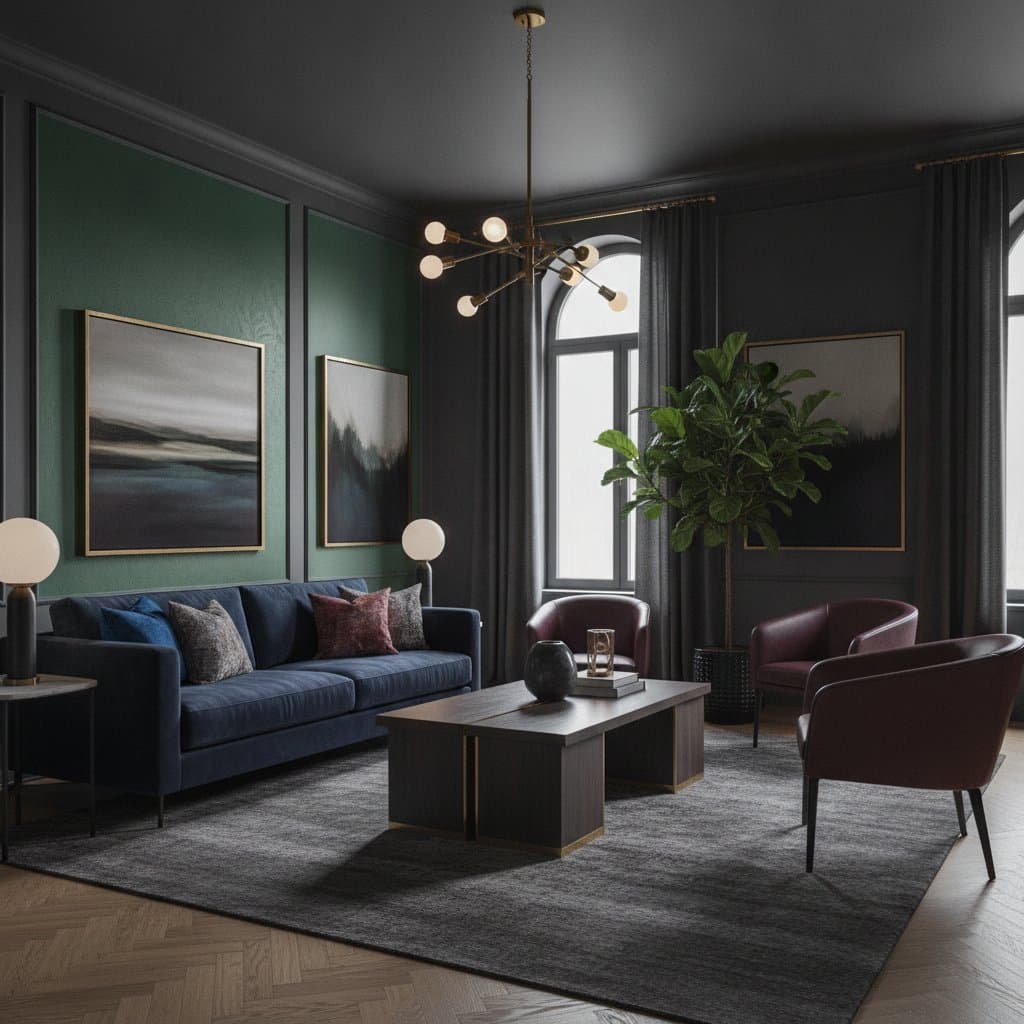
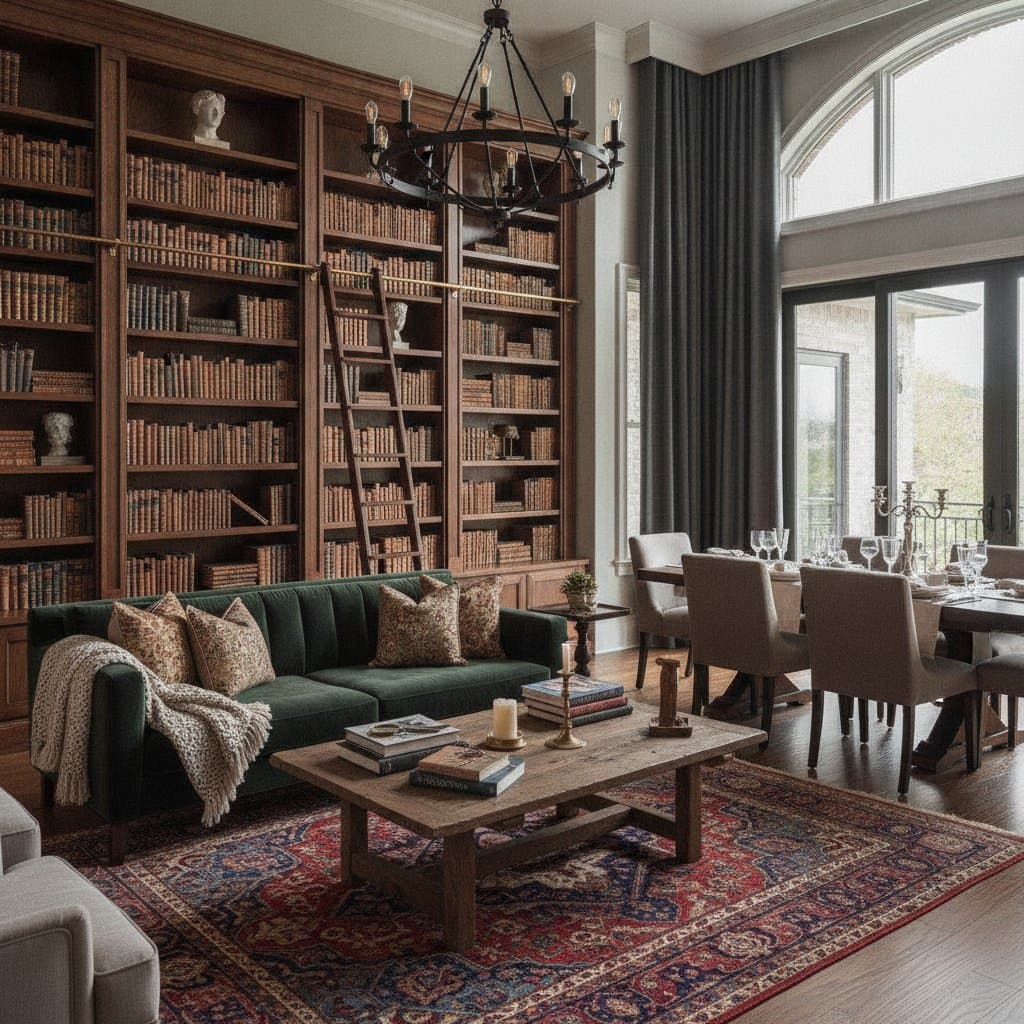
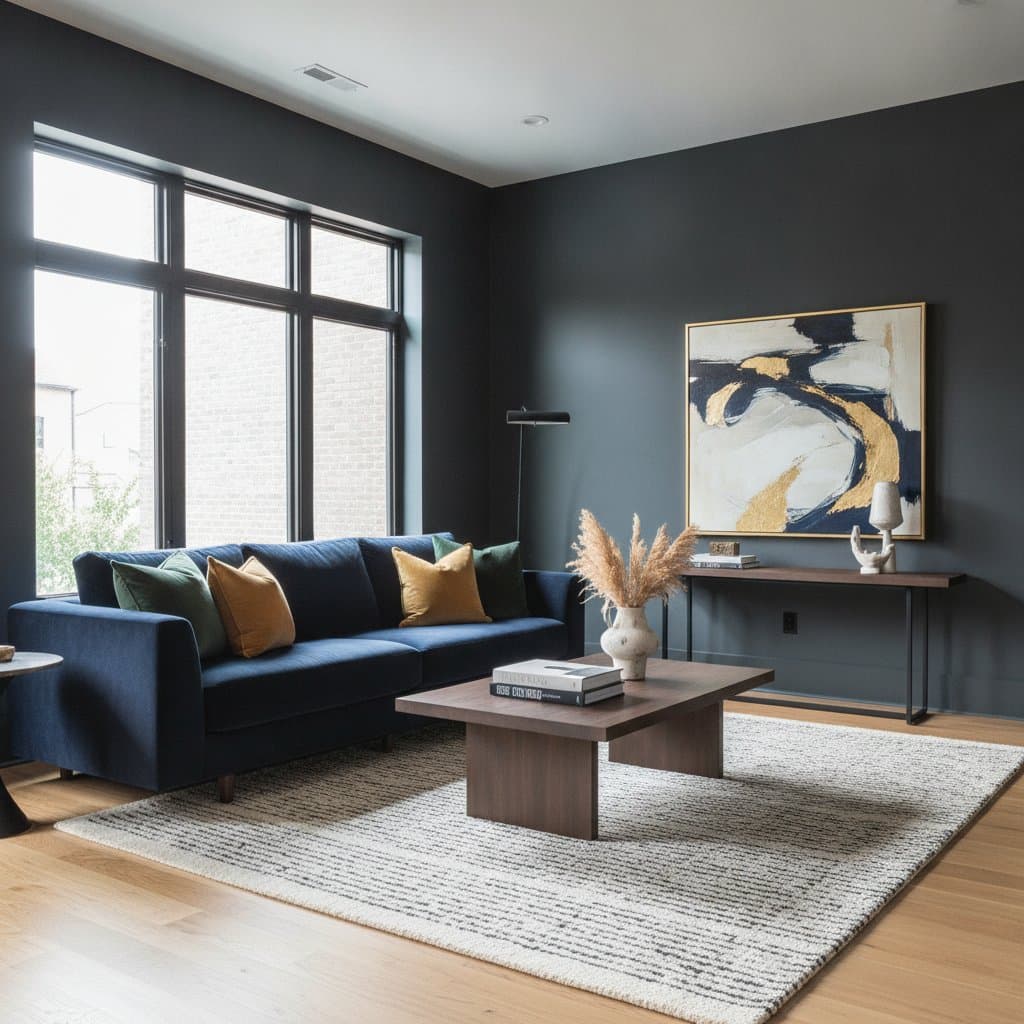
Dark Academia represents a moody, bookish interior design trend that combines classic architectural elements, deep color palettes, and scholarly accents. Homeowners who favor quiet sophistication over bright minimalism find this style particularly appealing. It adapts well to historic houses, modern condominiums, and spaces capable of accommodating contrast and depth, evoking an old-world atmosphere that contemporary buyers perceive as timeless rather than dated.
Many homeowners adopt Dark Academia interiors to foster warmth, drama, and character within their living spaces. The aesthetic conveys intelligence and comfort, reminiscent of a private library or study. When executed effectively, it elevates the perceived value of a property by imbuing rooms with purpose and personality, often contributing up to $40,000 to resale prices through enhanced appeal.
Advantages and Drawbacks
Advantages
- Establishes visual depth and warmth that attract potential buyers seeking character.
- Integrates seamlessly with existing architectural features in diverse home types.
- Incorporates durable materials such as solid wood and brass for long-term resilience.
- Infuses a sense of history and permanence that endures beyond fleeting trends.
- Facilitates the creation of quiet, focused areas ideal for reading or reflection.
Drawbacks
- May cause smaller rooms to feel confined if not balanced properly.
- Requires strategic lighting placement to prevent an overly gloomy atmosphere.
- Dark wall surfaces tend to highlight dust accumulation and fingerprints.
- Vintage furniture pieces often necessitate repairs or restoration.
- Proves challenging in open-plan modern layouts without intentional contrasting elements.
Approaching the Project: DIY Elements Versus Professional Expertise
Dark Academia design allows for partial do-it-yourself implementation, though certain aspects demand professional involvement to ensure quality and safety.
Do-It-Yourself Tasks
- Apply deep-toned paints to walls or ceilings using high-quality brushes and rollers for even coverage.
- Source and arrange vintage furniture, artwork, and decorative objects from local markets or online auctions.
- Mount basic shelving units or wall sconces with standard tools and hardware.
- Curate displays of books, candles, and textured fabrics to enhance the scholarly vibe.
Professional Services
- Upgrade electrical systems to support layered lighting configurations, including dimmers and recessed fixtures.
- Fabricate custom cabinetry or intricate millwork tailored to the room's dimensions.
- Restore fireplaces or install decorative wall paneling with precision craftsmanship.
- Apply specialized wallpaper or textured plaster finishes for authentic depth.
Timeline and Challenges
A refresh for a single small room typically requires two to four weekends of focused effort. Comprehensive renovations incorporating built-in features may extend to three to six weeks, depending on material availability and complexity.
Common do-it-yourself pitfalls include uneven paint application, suboptimal lighting arrangements, or disproportionate furniture scaling. Engage a professional for any structural modifications or electrical alterations to mitigate risks and comply with regulations.
Upkeep and Durability
Dark-colored paints maintain their appearance for five to ten years with periodic retouching. Matte finishes benefit from gentle cleaning every few months using a soft cloth and mild solution. Wood paneling and furniture demand weekly dusting and annual conditioning with appropriate oils to preserve integrity.
Vintage brass or iron fixtures may develop tarnish over time, yet simple polishing with non-abrasive products restores their luster. Built-in shelving and millwork boast lifespans of ten to twenty years when sealed against moisture and wear. Upholstered fabrics in sun-exposed areas degrade more quickly, so apply UV-protective films or use lined curtains to extend usability.
Most materials associated with Dark Academia develop an appealing patina with age, aligning with the style's emphasis on enduring elegance. Verify local building codes prior to electrical modifications for added sconces or fixtures. Quality paints and lighting products typically carry warranties of three to five years.
Regional Considerations
Local environmental and market conditions influence the performance, cost, and suitability of Dark Academia interiors.
Climate Influences
- In humid regions, select mold-resistant paints and ensure adequate ventilation to prevent moisture buildup.
- Dry areas call for regular wood conditioning to avoid cracking or warping.
- Coastal properties require hardware resistant to corrosion from salt air.
Labor and Cost Variations
- Urban centers such as Los Angeles or New York command premium rates for cabinetry installation and custom lighting.
- Rural or suburban locations offer more affordable hourly labor, though access to specialized Dark Academia experts may be limited.
Regulatory Aspects
- Older homes often necessitate electrical upgrades before integrating built-in lighting systems.
- Certain municipalities mandate permits for structural alterations or fireplace restorations.
- Historic districts impose restrictions on modifications to trim, windows, or facade elements.
Style Alignment by Region
- Colder climates enhance the appeal of dark, warm interiors to prospective buyers.
- Sunny or tropical areas favor lighter adaptations of the trend to maintain openness.
Accounting for these variables prevents unnecessary expenses and ensures the design harmonizes with the local context.
Prioritizing Safety in Implementation
Assess electrical capacity before installing sconces, chandeliers, or additional outlets to avoid overloads. Consult a licensed electrician for all wiring adjustments or dimmer switch integrations. Refrain from using extension cords or adapters to power multiple fixtures simultaneously.
During wood refinishing or furniture restoration, maintain proper ventilation and utilize protective gloves. Oil-based stains and waxes emit potentially harmful fumes, so work in well-aired spaces. Anchor heavy shelving units securely to wall studs, employing load-rated hardware suitable for books and decorations.
For ambient lighting, position real candles distant from fabrics, papers, or combustible materials. Opt for battery-operated or LED alternatives to minimize fire hazards. Adhere strictly to local permitting requirements for electrical and structural projects, placing safety above aesthetic considerations.
Steps to Implement Dark Academia Successfully
Dark Academia interiors thrive on deliberate planning and incremental progress. Begin with a single space, such as a reading nook or home office, by prioritizing paint selection, lighting enhancements, and select high-quality furniture acquisitions. Gradually incorporate built-ins or paneling as the design evolves and the room's potential becomes evident.
This enduring trend emphasizes craftsmanship, comfort, and understated elegance over transient novelty. A thoughtfully crafted Dark Academia environment reflects intentional investment, fostering buyer enthusiasm and owner contentment alike. To maximize value, maintain detailed records of materials, finishes, and installations for future appraisals, including receipts for millwork, fixtures, and paints.
When preparing to sell, emphasize these enhancements in property listings to underscore their premium appeal. For optimal results, obtain quotes from at least three licensed professionals specializing in painting, electrical services, or custom shelving. Evaluate pricing, review portfolios and references, and verify compliance with permit stipulations prior to commencement.
Through meticulous execution, Dark Academia transforms standard rooms into refined havens of personal and monetary value, blending timeless allure with practical sophistication.