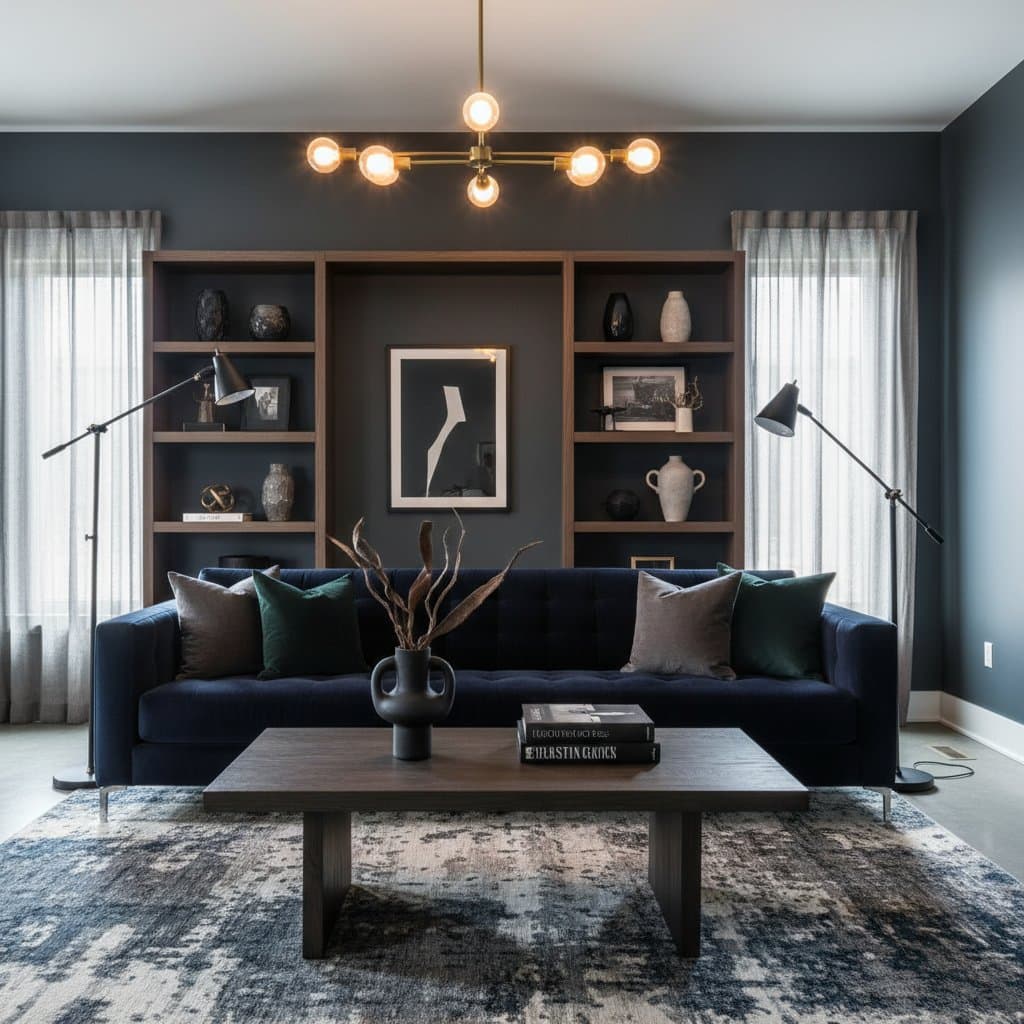
Why Dark Moody Interiors Accelerate Home Sales
Homes featuring dark, moody interiors sell approximately 15 percent faster than those with lighter palettes. This trend stems from the unique ability of rich, dramatic colors to evoke warmth, sophistication, and intentional design. Buyers perceive these spaces as luxurious and inviting, which shortens the time on market and potentially increases offers.
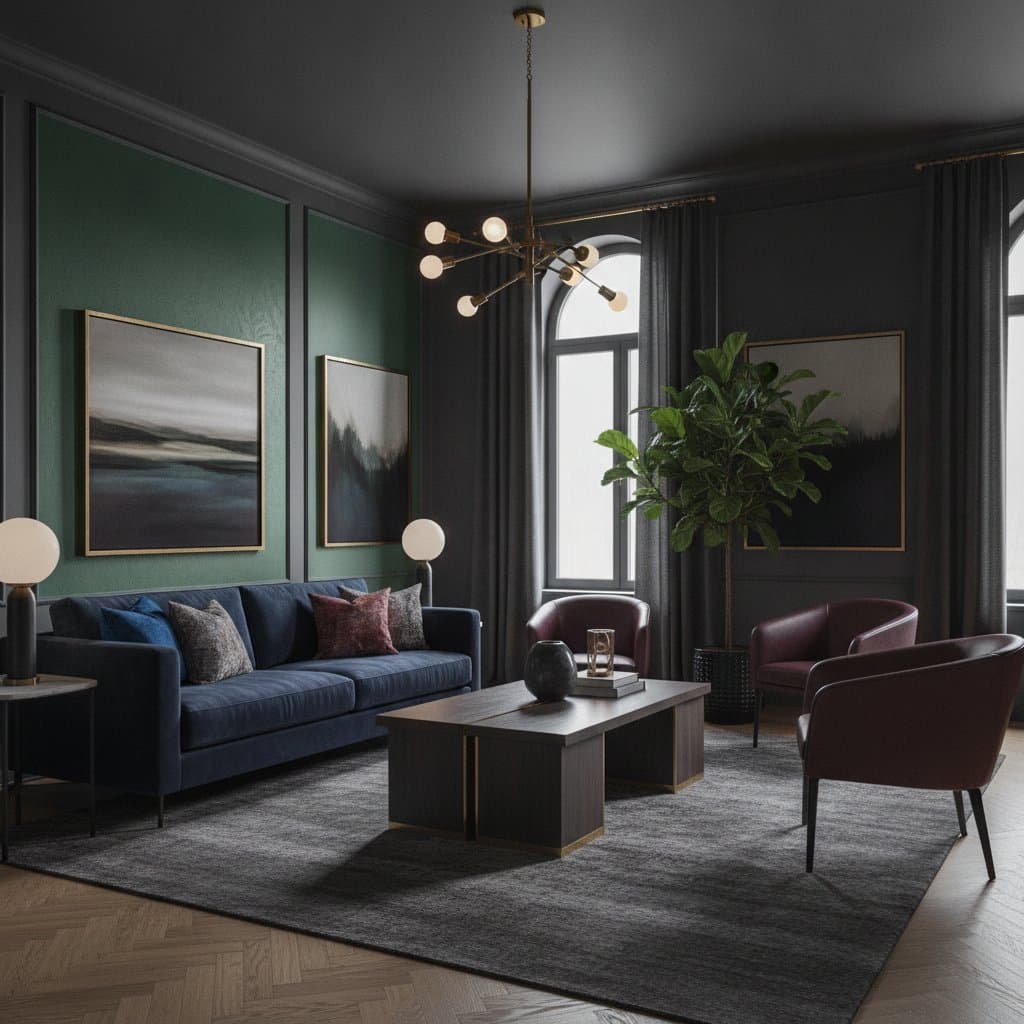
Real estate data from recent market analyses supports this observation. Properties with charcoal walls, navy accents, or deep emerald tones attract more showings and generate stronger emotional connections. The key lies in balancing intensity with functionality to create environments that appeal broadly.
The Psychological Draw of Dramatic Colors
Dark moody interiors tap into fundamental human responses to color and light. Deep hues like burgundy or slate gray create a sense of enclosure and comfort, mimicking cozy retreats. This psychological comfort encourages buyers to envision long-term residency rather than transient occupancy.
Studies in environmental psychology indicate that such palettes reduce perceived chaos in rooms by absorbing light and minimizing visual clutter. In contrast, stark white walls can feel cold and expose every imperfection. Moody designs thus foster a narrative of curated elegance that resonates with modern tastes.
Photographically, these interiors excel in listing presentations. Smartphones and professional cameras capture the depth of dark tones with subtle highlights, producing images that stand out on platforms like Zillow or Realtor.com. This visual allure drives initial inquiries and foot traffic.
Practical Benefits for Sellers
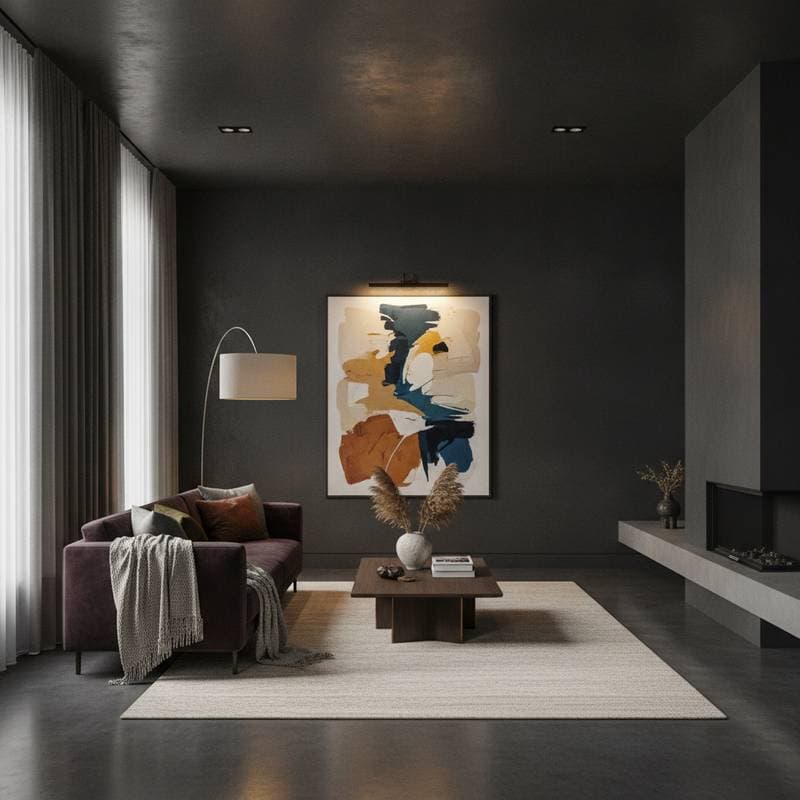
One major advantage involves concealing wear and tear. Dark walls mask scuffs, fingerprints, and minor damages far better than light surfaces, reducing pre-sale preparation costs. For instance, a living room painted in matte black absorbs light inconsistencies, making the space appear larger and more polished.
These designs also enhance perceived value. Buyers associate deep colors with high-end hospitality venues or boutique hotels, elevating the home's status. In competitive markets, this differentiation can tip the scales toward quicker closings at favorable prices.
Energy efficiency plays a subtle role as well. Darker interiors pair naturally with layered lighting schemes, which highlight architectural features without overwhelming the eye. This strategic illumination guides attention to strengths like crown molding or built-in shelving.
Selecting the Right Moody Palette
Choose colors that harmonize with the home's architecture and natural light. For sunlit rooms, opt for cooler tones such as indigo or forest green to prevent overheating visually. In dimmer spaces, warmer shades like oxblood or taupe add necessary vibrancy.
Test samples in various lighting conditions throughout the day. Apply them to poster boards and observe how they interact with furniture and flooring. This method ensures the final selection enhances rather than dominates the room's character.
Consider the overall flow between spaces. A cohesive moody theme might feature accent walls in living areas while keeping bedrooms slightly lighter for restful atmospheres. Professional color consultants recommend starting with a neutral base and layering bolder elements gradually.
Integrating Lighting and Textures
Effective lighting transforms moody interiors from shadowy to sophisticated. Install dimmable LED fixtures in recessed cans or sconces to create ambient glows. Layer with table lamps and floor uplights to define zones and add warmth.
Textures prevent monotony in dark schemes. Pair velvet upholstery with linen drapes or wool rugs to introduce tactile interest. Wood elements in walnut or ebony tones ground the palette, while metallic accents in brass or nickel provide subtle sparkle.
Balance is essential; avoid over-saturating a room. Use mirrors strategically to reflect light and amplify space perception. This approach maintains openness even in smaller homes, appealing to diverse buyer preferences.
Staging Strategies for Maximum Impact
Stage moody rooms to emphasize livability. Arrange furniture in conversational clusters that invite interaction, using oversized throws in complementary shades. Accessorize sparingly with artisanal pieces like ceramic vases or framed botanicals to add personality without clutter.
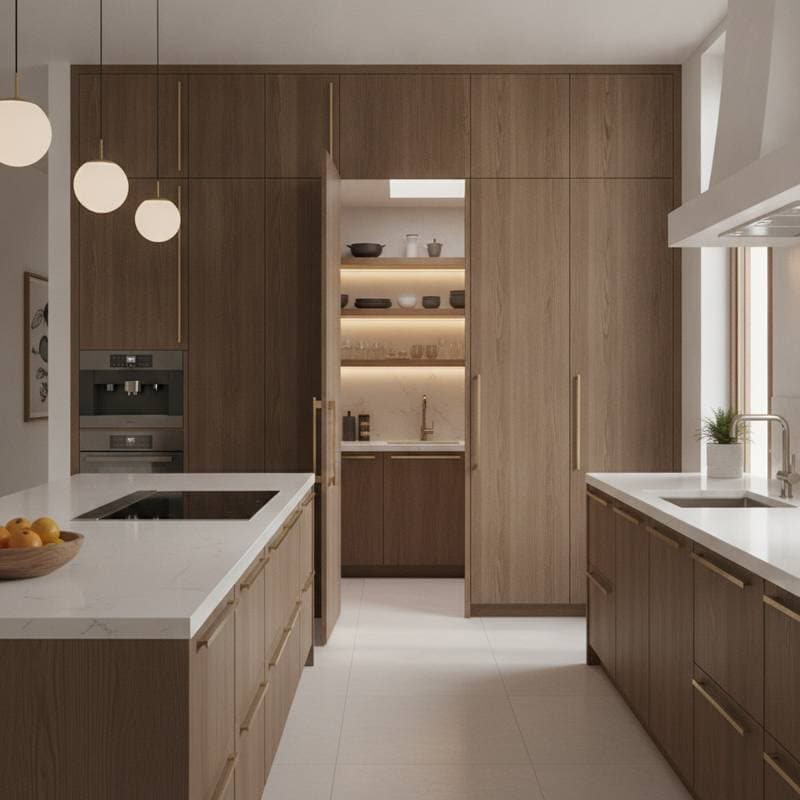
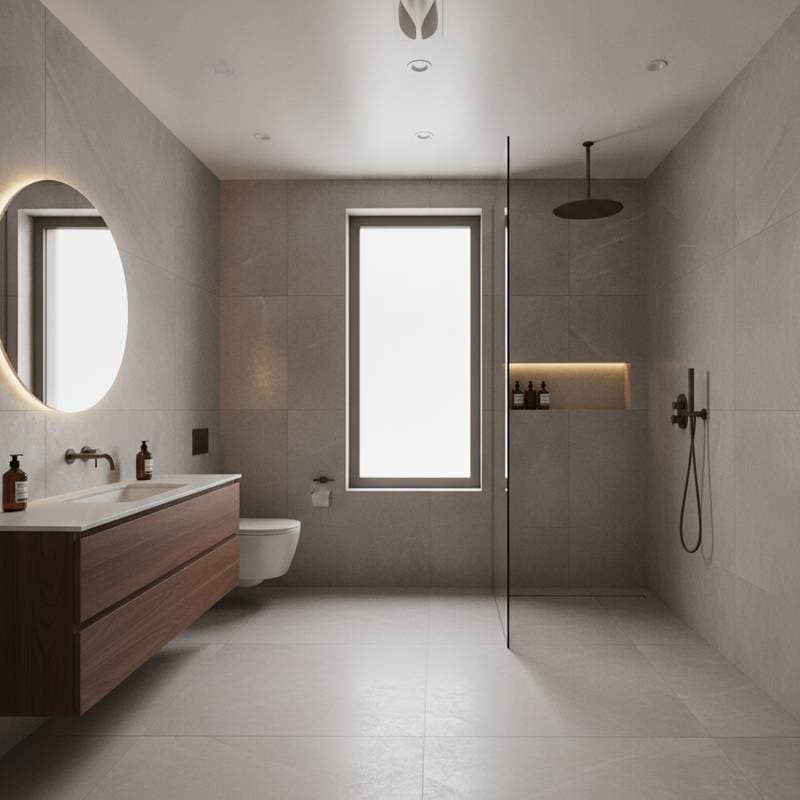
In kitchens, dark cabinetry paired with marble countertops creates a chef's haven. Highlight appliances with under-cabinet lighting to showcase functionality. Bathrooms benefit from matte black fixtures against deep gray tiles, evoking spa-like serenity.
For outdoor transitions, extend the mood with entryway consoles in similar tones. This seamless connection reinforces the home's cohesive aesthetic, impressing agents and buyers alike during tours.
Addressing Potential Challenges
Not all buyers embrace dark interiors immediately. Mitigate concerns by incorporating flexible elements, such as removable wallpaper in secondary rooms. This allows personalization post-purchase while showcasing the trend during sales.
Budget considerations matter; high-quality paints with low VOCs ensure durability and health safety. Allocate funds for professional installation to achieve flawless finishes that withstand scrutiny.
Market timing influences success. In colder seasons, moody warmth shines; in summer, blend with airy linens to temper intensity. Adapt based on local buyer demographics for optimal results.
Unlocking Faster Sales Through Moody Design
Embracing dark moody interiors positions properties as standout options in crowded markets. Sellers gain a competitive edge through enhanced appeal, reduced listing times, and elevated offers. Consult with interior specialists to tailor these elements to specific homes, ensuring transformations that captivate and convert.
The investment yields tangible returns, with many agents reporting up to 15 percent faster sales cycles. This approach not only accelerates transactions but also creates memorable first impressions that linger in buyers' minds.