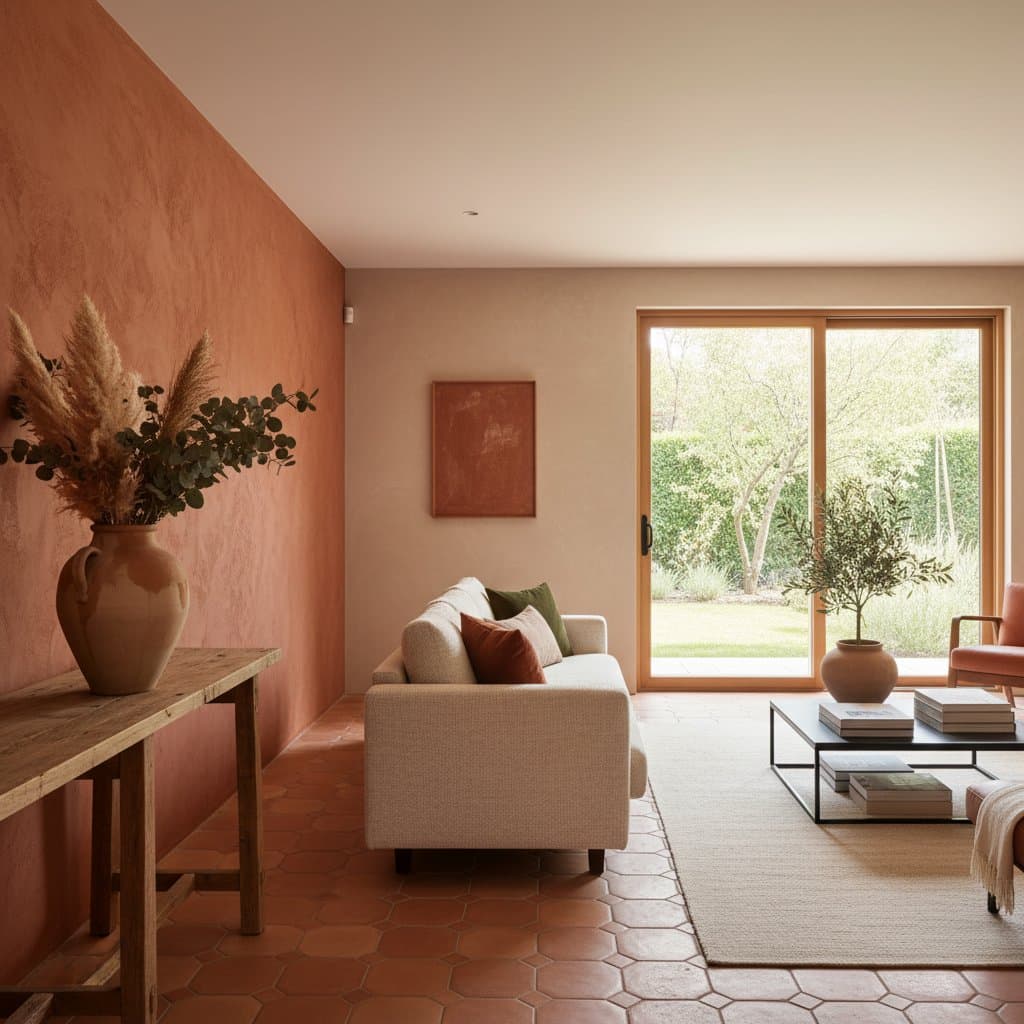
Terracotta Revival: Warm Tones Elevate 2026 Home Values
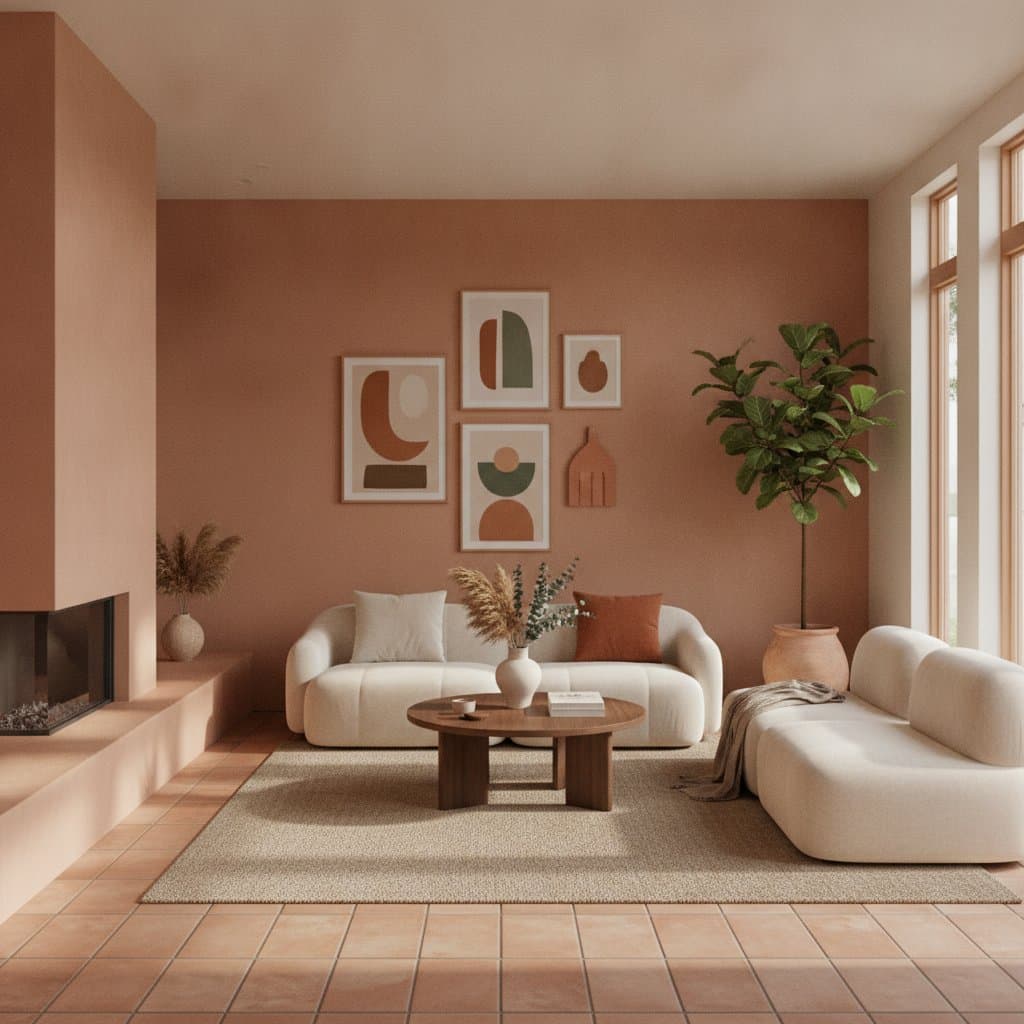
Terracotta finishes paired with warm color schemes experience renewed popularity among homeowners. These elements introduce comfort, visual depth, and enhanced resale potential. The preference for natural materials and grounded hues aligns with contemporary design principles that emphasize serene, connected environments. Terracotta integrates seamlessly into modern and traditional settings alike, providing warmth in areas previously characterized by cooler gray palettes.
This comprehensive guide details the essence of terracotta, its contributions to property value, associated expenses, and application methods for enduring home improvements.
Cost Breakdown
Across the nation, terracotta materials for tile or paver applications range from $4 to $20 per square foot. Professional installation elevates this to $9 through $25 per square foot, influenced by design complexity, surface finish, and local market conditions. Premium options, such as artisanal or imported varieties, may exceed $40 per square foot.
Key factors influencing expenses include:
- Dimensions and quality of the tiles
- Chosen installation patterns and grout specifications
- Preparation of underlying surfaces
- Selection of sealants and ongoing care protocols
- Regional labor costs
For wall applications like plaster or limewash, installed prices span $7 to $15 per square foot. Terracotta-inspired paints or simulated finishes prove more economical at $2 to $5 per square foot, varying with surface preparation and application layers.
Varieties and Applications
Terracotta Tile: Formed from fired clay, this option features inherent color inconsistencies that add character. It excels in flooring, outdoor patios, and kitchen backsplashes. Regular sealing prevents stain penetration in porous surfaces.
Terracotta Pavers: Designed with greater thickness for exterior durability, these suit pathways and courtyards, particularly in arid regions. Periodic resurfacing maintains their appearance over decades.
Terracotta Plaster or Limewash: This interior technique delivers a subtle, velvety finish ideal for living areas and foyers. The material breathes, regulating humidity while enhancing acoustic softness.
Terracotta Paint Colors: A budget-friendly alternative to clay products, paints replicate the hue for accent walls or trim. They require minimal disruption and allow experimentation with shades.
Terracotta Roofing: Crafted from durable clay, these tiles prevail in sun-drenched locales, offering longevity upward of 100 years. Their weight demands structural assessment prior to installation.
All variants share a signature reddish-brown warmth, adaptable to diverse financial plans and expertise levels.
Installation Fundamentals
Terracotta Tile Process
- Thoroughly clean and ensure the subfloor remains level and stable.
- Arrange tiles without adhesive to visualize joint placements and overall pattern.
- Apply thin-set mortar in manageable sections to avoid premature drying.
- Position each tile with gentle pressure, using spacers for uniform gaps.
- Permit the mortar to set completely, typically 24 hours.
- Fill joints with grout, then remove surplus using a damp sponge.
- Once grout hardens, coat with a penetrating sealer for protection.
- Examine the surface for imperfections and address any voids promptly.
- Maintain cleanliness with a neutral pH cleaner to preserve integrity.
Image Placeholder: Terracotta tile installation sequence, illustrating layout planning and sealer application.
For plaster or paint, consult professionals to match existing architecture and achieve even coverage. Always verify ventilation during curing phases to minimize dust and fumes.
Comparable Choices
Porcelain Tile: Replicates terracotta aesthetics with superior stain resistance and moisture tolerance. It forgoes organic variations for consistent uniformity.
Concrete Pavers: Provide robust performance at reduced expense. Tinting options approximate terracotta warmth, though the base material feels denser.
Vinyl or Laminate Options: Deliver color similarity at low cost, suitable for indoor traffic zones. These avoid suitability for extreme temperatures or exteriors.
Painted or Simulated Surfaces: Facilitate rapid refreshes, especially in leased properties. They sacrifice tactile depth for ease of change.
These alternatives balance authenticity against practicality, allowing customization based on project scope.
Investment Returns and Market Impact
Natural, inviting finishes draw prospective buyers through enhanced visual storytelling. Properties featuring terracotta elements capture light favorably in photographs and evoke immediate coziness. Market analyses indicate that textured, earth-toned surfaces elevate perceived quality in spacious layouts.
Well-executed terracotta enhancements recover 60 to 80 percent of investment upon sale, contingent on meticulous installation and upkeep. The enduring aesthetic mitigates obsolescence risks associated with fleeting styles. Strategic applications, such as a feature wall or perimeter detailing, underscore artisanal value without overwhelming the design.
Frequently Asked Questions
Does terracotta appear dated?
Far from it. Its organic warmth aligns with prevailing emphases on tactile comfort and sustainability. Pair it with timber elements, metallic accents, or stone for contemporary relevance.
Must terracotta receive sealing treatment?
Absolutely. The porous nature invites liquid absorption, so apply a penetrating sealant post-installation and refresh periodically.
Is terracotta viable for bathroom environments?
It performs effectively when sealed and grouted meticulously. Opt for non-slip textures and mitigate prolonged moisture exposure.
Which paints harmonize with terracotta?
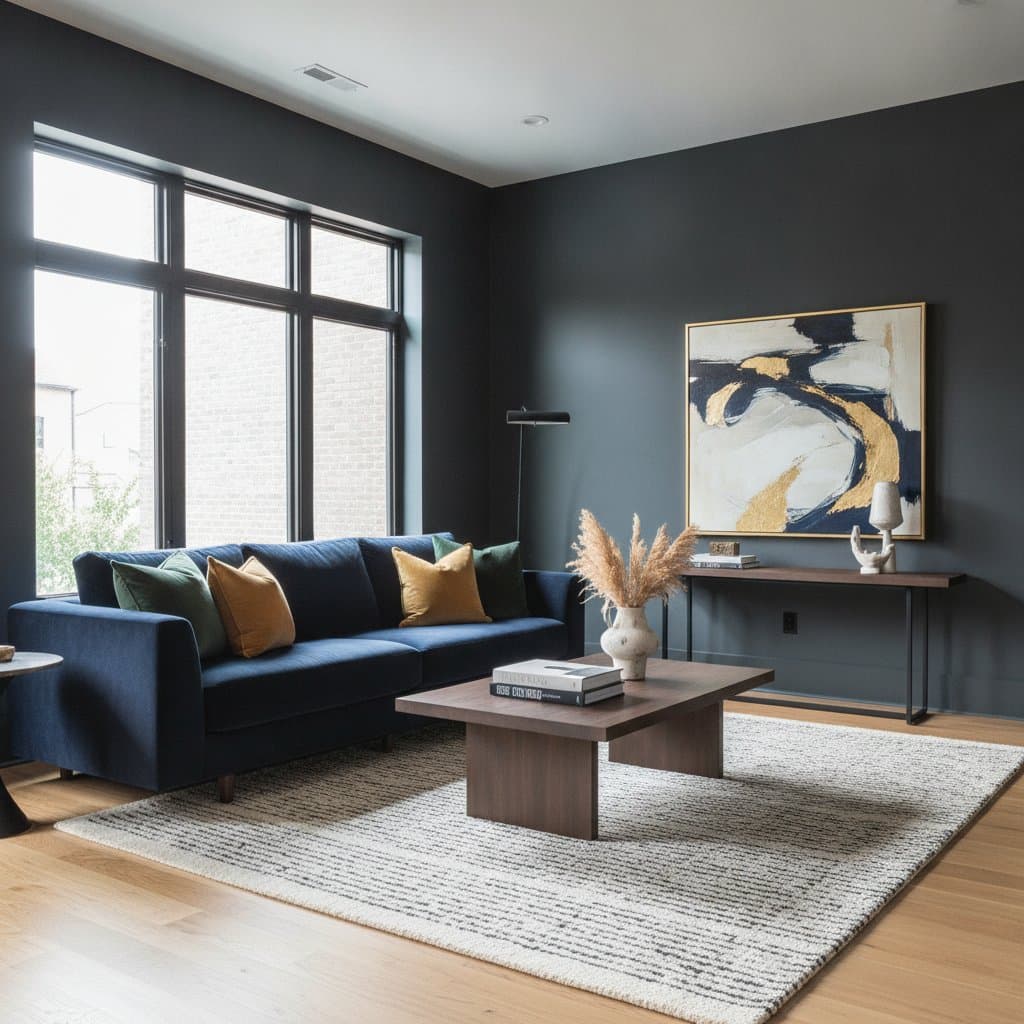
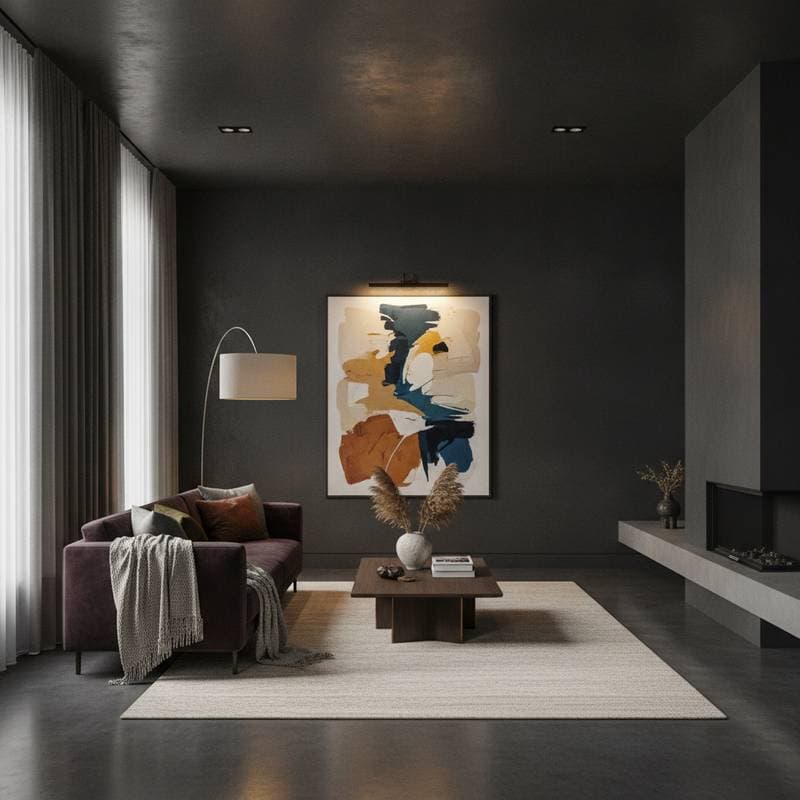
Neutral palettes like soft beiges, warm neutrals, subdued foliage greens, and deep grays enhance its character. Steer clear of stark, cool contrasts.
Will terracotta elevate property worth?
Indeed. It signals thoughtful design and material authenticity, appealing to buyers seeking enduring appeal when applied judiciously.
Implementing Terracotta Updates
Terracotta appeals to those seeking sustained warmth over transient fads. Initiate with modest changes like painted accents or border tiles, or pursue comprehensive transformations in flooring and exteriors for pronounced effect. Coordinate hues with current fixtures and evaluate long-term care requirements.
Solicit estimates from certified contractors for substantial projects. Inquire specifically about protective sealants, vapor barriers, and product guarantees to ensure lasting performance.