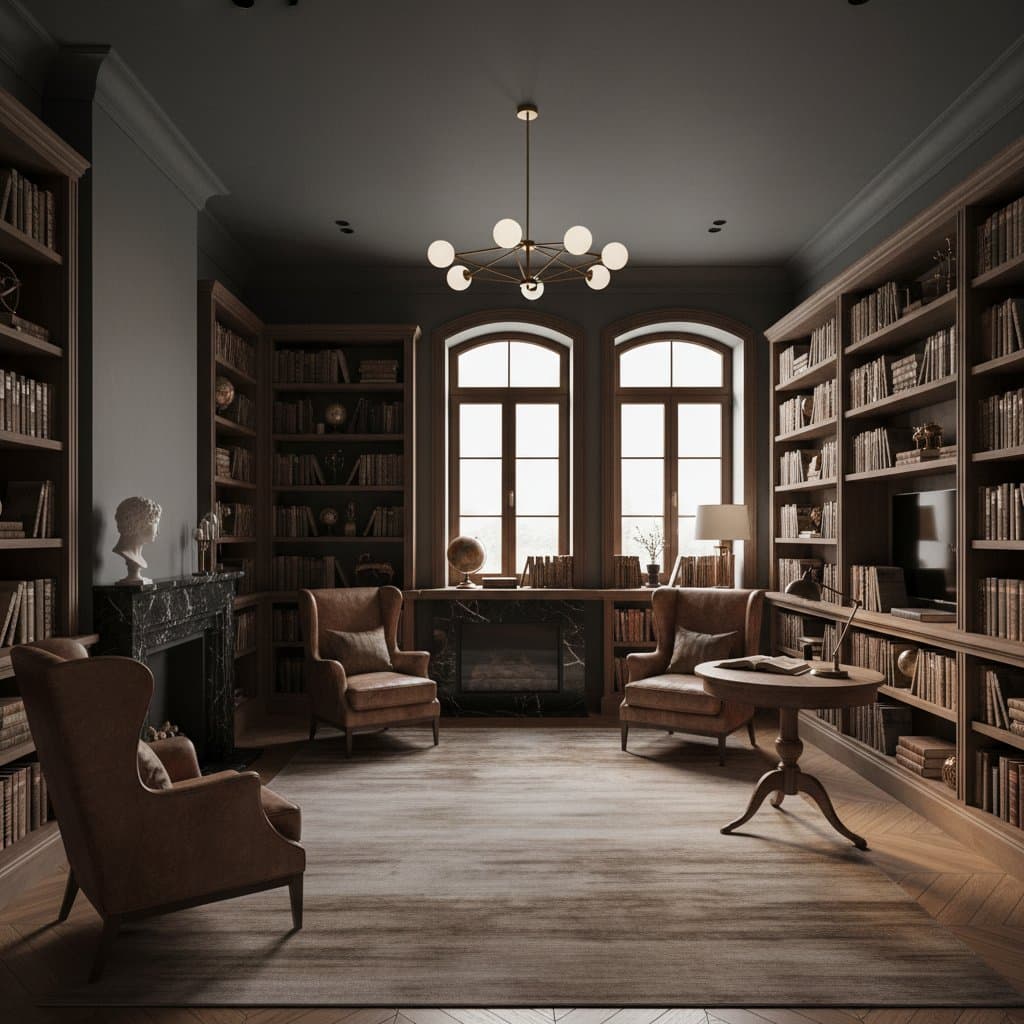
Dark Academia: The 2026 Trend Elevating Home Values
Dark Academia emerges as a compelling design movement in 2026, infusing residences with an air of scholarly introspection and refined warmth. This aesthetic captivates buyers through its emphasis on deep, enveloping colors, tactile materials, and elements evoking historic libraries and ivy-clad campuses. Properties featuring this style often command higher prices, as they project permanence and cultural depth in a market favoring distinctive, narrative-driven spaces.
The Value Proposition of Dark Academia
Intentional design choices resonate deeply with discerning buyers, and Dark Academia excels in this regard by weaving narrative into every detail. Elements such as polished mahogany paneling, embossed leather upholstery, and gilded picture frames convey sophistication and longevity, attributes that justify premium valuations. Real estate professionals observe that such interiors generate heightened engagement on listing platforms, where stark, minimalist alternatives often fade into uniformity.
Photogenic qualities further amplify appeal; moody vignettes with strategic lighting create inviting atmospheres that encourage extended viewings. This trend accelerates sales cycles while supporting elevated offers, particularly in urban and suburban markets where buyers seek sanctuaries for remote work and personal reflection.
Defining Elements of the Aesthetic
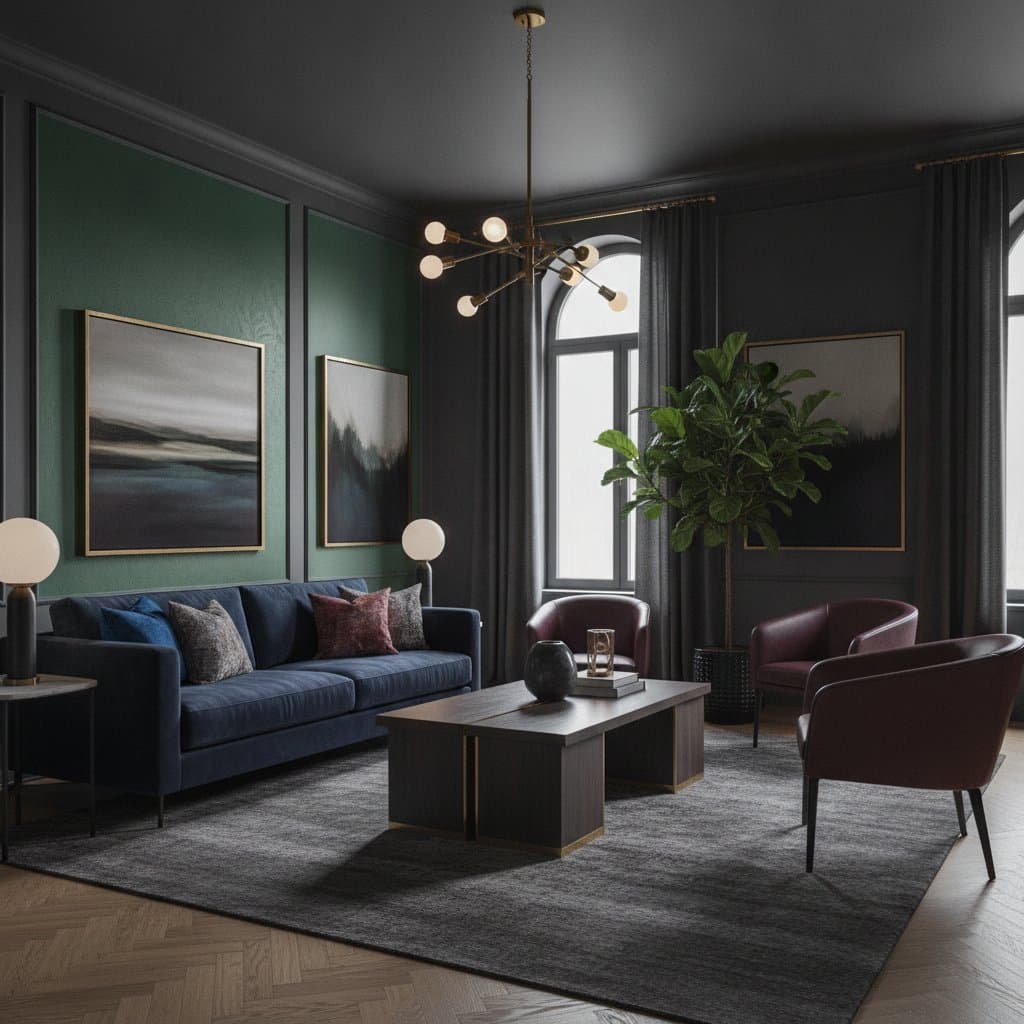
Inspired by Gothic Revival architecture and Edwardian studies, Dark Academia prioritizes atmospheric depth over brightness. Core components include walls in profound shades like forest green or eggplant purple, complemented by antique oak furnishings and sumptuous velvet textiles.
Essential features encompass:
- Deeply pigmented walls in hunter green, midnight blue, or rich burgundy
- Tufted leather armchairs and plush velvet settees
- Ebonized wood cabinetry or reclaimed timber accents
- Oriental rugs with intricate motifs overlaid on woolen layers
- Gallery walls of sepia-toned etchings, botanical illustrations, or heraldic maps
- Floor-to-ceiling bookcases laden with leather-bound volumes
- Oxidized brass lanterns or crystal pendants for ambient illumination
The overarching aim is to foster environments rich in patina and provenance, achieved through selective curation that favors patinated over pristine finishes.
Implementing the Design
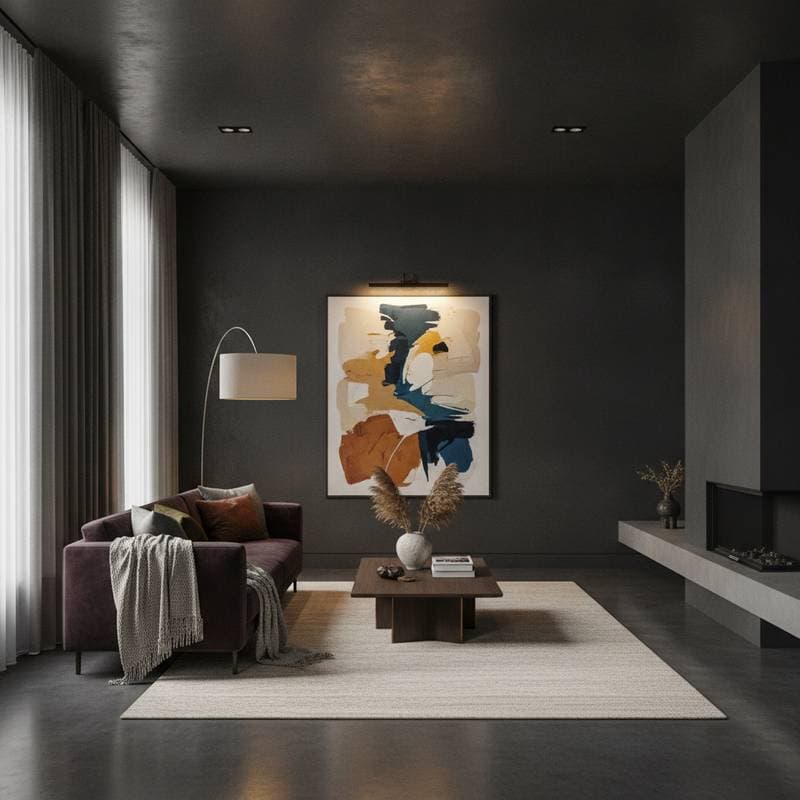
- Establish a Cohesive Palette. Select a foundational deep hue, a grounding mid-tone, and a metallic highlight; for instance, raven-black walls paired with chestnut upholstery and antique bronze hardware.
- Incorporate Multifaceted Textures. Combine glossy lacquered surfaces with matte linens and nubby knits to counteract potential oppressiveness in shadowed areas.
- Modulate Natural and Artificial Light. Employ blackout velvet panels alongside tiered sconces to sculpt drama, ensuring versatility for daily use.
- Integrate Thematic Decor. Arrange folios of classical literature on open shelves and suspend reproductions of Renaissance masterpieces to infuse intellectual resonance.
- Incorporate Heirloom-Quality Anchors. Source a patinated brass desk or distressed leather trunk; opt for artisan replicas if authentic pieces prove elusive.
Cost Breakdown
Budgeting for Dark Academia varies based on scope and sourcing; economical approaches leverage existing assets, while bespoke installations demand greater investment.
| Element | Estimated Cost Range | Influencing Factors |
|---|---|---|
| Dark Wall Finishes | $2–$5 per square foot | Paint grade, surface preparation, labor |
| Fixture Upgrades | $150–$800 per unit | Craftsmanship, electrical integration |
| Period Furniture Acquisition | $300–$2,000 per item | Provenance, restoration needs |
| Custom Shelving Installation | $1,000–$6,000 | Wood species, dimensional complexity |
| Decorative Accents and Artwork | $200–$1,200 | Custom framing, material authenticity |
Regional labor rates and material sourcing impact totals; phased implementations allow gradual progression without financial strain.
Project Timeline
Refreshing a solitary space demands minimal effort—a weekend suffices for repainting and accessorizing with on-hand items. Comprehensive overhauls span one to three months, factoring in procurement delays and fabrication periods. Structural modifications, such as installing wainscoting, may extend timelines by several weeks.
DIY Approaches Versus Professional Expertise
Opt for DIY When:
- Proficiency in surface preparation and aesthetic assembly exists.
- Time permits scouring estate sales for authentic relics.
- Personal flair guides experimentation with illumination and vignettes.
Engage Professionals For:
- Intricate millwork, bespoke joinery, or textured plasters.
- Electrical revisions accompanying fixture placements.
- Unified schemes spanning multiple interiors.
Design consultants excel at mitigating the claustrophobic risks of somber palettes, sourcing investment-grade antiques, and ensuring harmonic integration.
Essential Tools and Supplies
- Rollers with extension poles and fine-tipped brushes for precise edging
- Masking tape, protective sheeting, and ventilation aids
- Abrasive papers or penetrating stains for furniture revival
- Mounting hardware, spirit levels, and wall scanners for secure installations
- Ambient sources including floor lamps, wall-mounted readers, and rheostat controls
- Sample fabrics for upholstery and window treatments
- Precision measuring devices for spatial planning
These fundamentals align with standard renovation kits, distinguished by their application in cultivating layered, evocative settings.
Adapting to Regional Contexts
In temperate zones, the palette's warmth enhances coziness against chillier ambients. Coastal or arid locales benefit from pale stone floors or airy cottons to temper intensity. Humid environments necessitate antimicrobial coatings on paints and fabrics. For fire-prone or storm-vulnerable areas, verify compliance of draperies and claddings with jurisdictional standards prior to commitment.
Safety Considerations
Secure fixings for substantial artworks and cabinetry to prevent hazards. Disconnect circuits before manipulating luminaires. Select non-combustible treatments proximate to hearths. During legacy furniture restoration, utilize respirators in well-aired spaces to counter potential toxins. Delegate complex wiring to certified specialists.
Buyer Perceptions and Market Edge
The trend's visual allure stems from its capacity to evoke heritage craftsmanship, prompting emotional connections that transcend superficial appeal. Subtle enhancements, such as ebony-stained thresholds or verdigris hardware, transform mundane areas into evocative retreats. This resonance particularly suits hybrid lifestyles, converting alcoves into contemplative workspaces reminiscent of Oxbridge reading rooms.
Listings adorned in this manner garner superior digital traction, blending opulence with restraint to attract connoisseurs over casual observers.
Comparative Analysis with Contemporary Styles
| Aesthetic | Sensory Profile | Market Draw | Upkeep Demands |
|---|---|---|---|
| Minimalist | Airy, unadorned | Tech-savvy millennials | Minimal dusting |
| Hygge-Inspired | Gentle woods, muted pastels | Family-oriented households | Simple maintenance |
| Dark Academia | Opulent, contemplative | Aesthetic enthusiasts | Balanced care routine |
| Industrial Loft | Exposed, utilitarian | Urban adventurers | Frequent cleaning |
Dark Academia particularly enhances properties with architectural heritage, such as vaulted ceilings or herringbone parquetry, amplifying inherent charms.
Climate-Responsive Adjustments
Summer configurations incorporate sheer organza overlays to diffuse glare. Winter iterations layer shearling accents and beeswax tapers for tactile comfort. Variable-intensity bulbs facilitate seasonal mood shifts. Fabric guardians mitigate moisture in enervated atmospheres.
Maintenance Strategies
To counteract tonal heaviness, introduce pale accents periodically. Reapply protective oils to timber elements biennially. Periodic curation sustains editorial precision over accumulation. Interventions every 24–36 months preserve vitality without obsolescence.
Sustainable and Economical Pathways
Prioritize salvaged cabinetry to align with the motif's patina ethos and fiscal prudence. Refresh trim via resurfacing rather than substitution. Integrate energy-efficient filaments emitting golden hues. Blend salvaged illustrations within contemporary mounts for eclectic authenticity.
The essence thrives on reclamation; imperfections in relics impart narratives unattainable through novelty.
Pitfalls to Sidestep
- Uniform sombreness: Counter with luminous metallics and varied grains.
- Disproportionate scaling: Tailor furnishings to volumetric constraints.
- Light deprivation: Retain reflective surfaces or apertures.
- Excessive density: Edit collections for purposeful sparsity.
Discipline yields erudite composure over disarray.
Expert Recommendations
Lighter ceiling treatments expand perceived volume. Dedicated illuminants accentuate pictorial narratives. Intermingle tomes with sculptural artifacts for dynamic equilibrium. Uniform alloy selections unify hardware ensembles. Foliage in somber varietals, such as fiddle-leaf figs, inject vitality.
These refinements elevate execution to professional caliber.
Final Implementation Guidance
For ventures encompassing infrastructural alterations or expansive palettes, consult credentialed artisans to navigate regulations and optimize outcomes. Such collaborations guarantee resilience, safety, and illumination harmony, culminating in enduring enhancements that bolster long-term equity.
Frequently Asked Questions
What hues characterize Dark Academia schemes? Profound emeralds, sapphire indigos, earthy umbers, and claret reds form the base, accented by patinated coppers or auric elements.
Does this style demand substantial expenditure? Budgets remain flexible; a focal area transformation costs below $1,000 through resourceful repurposing and marketplace finds.