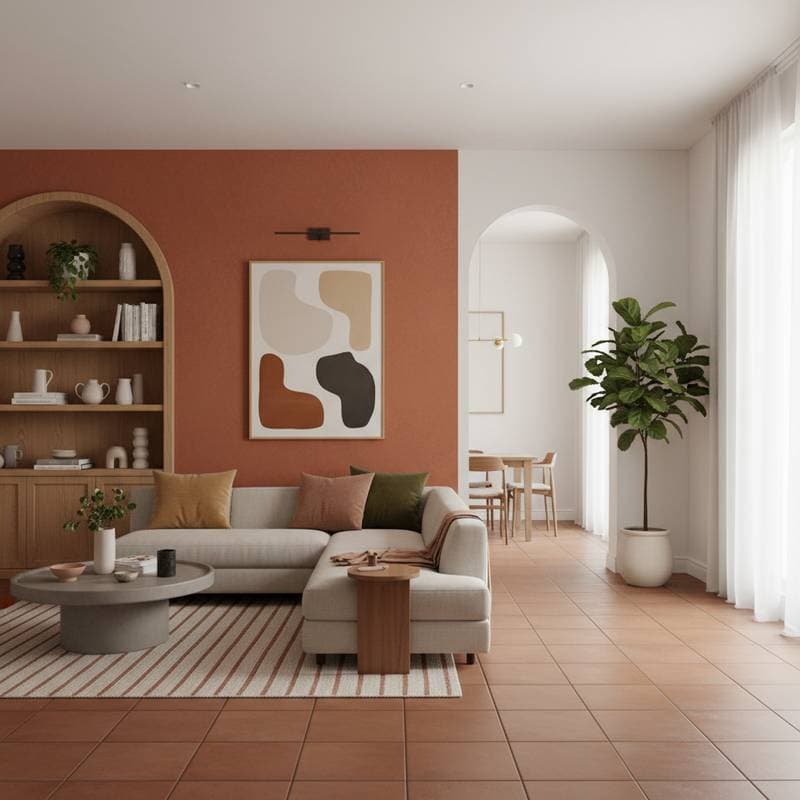
Warm Terracotta Tones That Increase Home Value by 11%
Warm terracotta tones elevate a home's value by up to 11 percent when applied thoughtfully in prominent areas. Homebuyers appreciate the earthy, authentic quality that combines coziness with refined style. This versatile color suits contemporary, Mediterranean, and arid-inspired designs, providing depth while maintaining lightness.
Why Terracotta Enhances Appeal
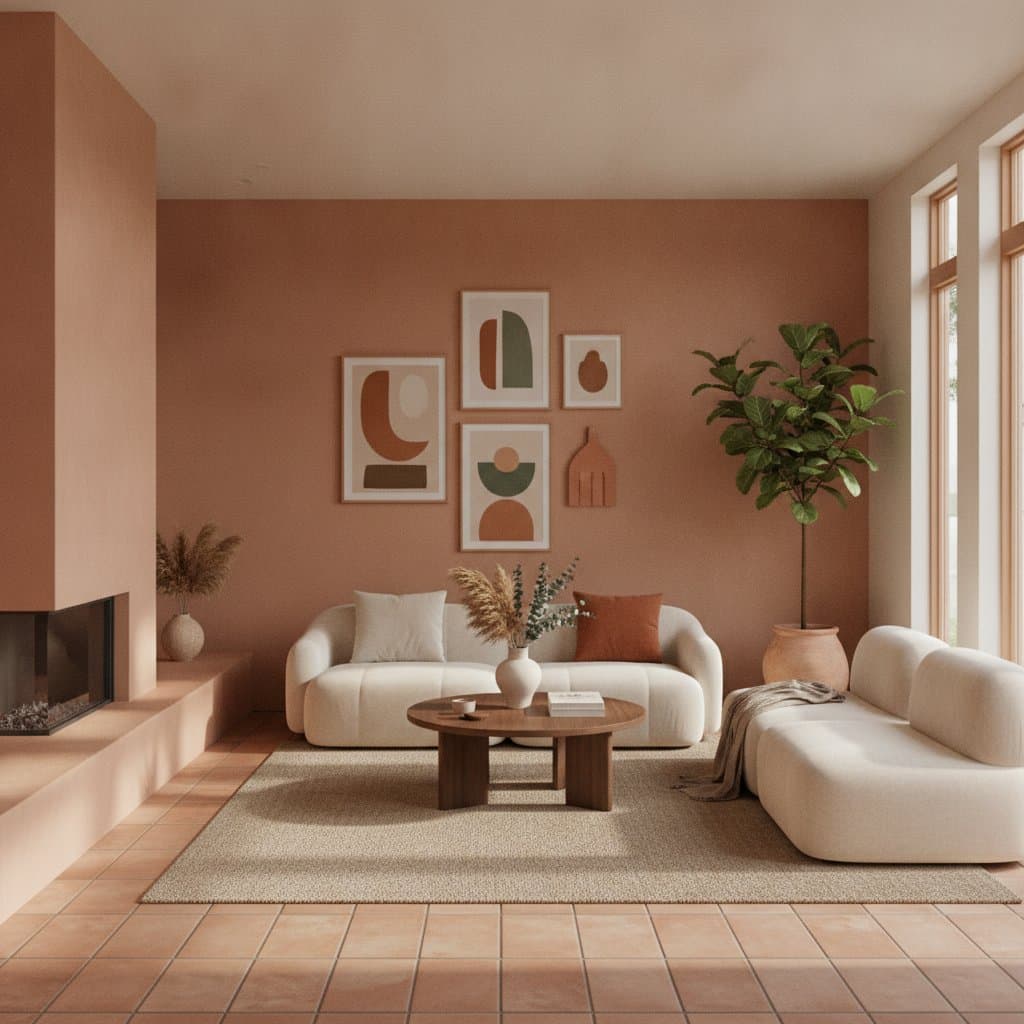
Terracotta draws from natural elements, evoking sun-warmed clay and terraced landscapes. Its blend of subtle orange, red, and brown undertones creates an immediate sense of grounding and invitation. Rooms painted or accented in terracotta appear more spacious and harmonious, especially when combined with crisp whites, soft creams, pale grays, or subdued greens for a cohesive, enduring aesthetic.
Prospective buyers perceive terracotta as a marker of discerning taste and high-quality craftsmanship. Unlike bold or trendy shades, it conveys understated luxury that appeals across demographics. Proper application in staging scenarios transforms modest spaces into premium environments, directly influencing perceived worth.
Strategic Locations for Terracotta Application
Focus on high-impact zones where warmth influences first impressions. Kitchens, living areas, and entry points respond particularly well to terracotta's nurturing vibe.
- Accent walls. Select one wall in a living or dining room for a terracotta feature; this focal point adds visual interest and subtle texture without overwhelming the space.
- Tile flooring. Opt for genuine clay tiles or durable porcelain replicas in kitchens or outdoor patios to infuse enduring warmth and authenticity.
- Cabinetry or island surfaces. Apply a softened terracotta shade to base cabinets, which complements granite or quartz countertops for a seamless, upscale look.
- Soft furnishings. Incorporate terracotta via area rugs, lightweight linen drapes, or patterned cushions to introduce the hue gradually and flexibly.
- Outdoor elements. Paint front doors or window trim in terracotta to enhance exterior allure, drawing potential buyers closer with its welcoming glow.
Cost and Value Analysis
| Task | Typical Cost | Factors Influencing Price |
|---|---|---|
| Interior painting (per room) | $200 to $600 | Dimensions of the room, surface preparation, premium paint brands |
| Terracotta tile installation (per square foot) | $9 to $18 | Material variety, pattern complexity, regional labor costs |
| Decorative accent refreshes | $100 to $500 | Selection of furnishings, fabrics, and supplementary items |
| Exterior trim or door painting | $150 to $400 | Surface condition, specialized paint formulations, professional labor |
Costs fluctuate based on location, yet modest terracotta enhancements yield significant returns. Pair these updates with neutral backdrops and organic textures to maximize buyer interest and justify the investment.
Timeline for Implementation
Many terracotta projects fit into a weekend schedule. Interior painting for one room requires one to two full days, accounting for priming, application, and curing periods. Tile laying demands three to five days, influenced by design intricacy and grout setting times. Fabric or accessory changes complete in mere hours, offering quick wins for immediate impact.
DIY Approaches Versus Professional Services
Pursue DIY for: Painting tasks, textile replacements, or accessory integrations. These methods demand minimal expertise and carry low risk of error.
Engage professionals for: Tile setting, stucco restoration, or exterior coatings. Experts deliver uniform results, appropriate sealing, and adherence to building regulations.
Professionals excel at matching terracotta shades to ambient lighting, avoiding undesirable orange tinges in dimly lit interiors.
Essential Tools and Supplies
- High-quality paint rollers and angled brushes for precise coverage
- Blue painter's tape for clean edges
- Protective drop cloths to safeguard floors and furniture
- Terracotta-inspired tiles or porcelain alternatives
- Strong tile adhesive and color-matched grout
- Absorbent rags and sponges for cleanup
- Complementary neutral decor pieces like woven baskets or stone vessels
Considerations for Regional Climates
In high-humidity zones, select paints and grouts with moisture barriers to resist staining or mold. Arid or seaside environments call for UV-resistant formulas that preserve terracotta's rich tones against sun exposure. Colder climates favor interior uses, as authentic clay tiles risk cracking under freeze-thaw cycles.
Expert Recommendations for Optimal Results
Apply test swatches across various walls to observe how terracotta interacts with natural and artificial light throughout the day. Counterbalance its warmth with cool-toned whites or verdant foliage for equilibrium. Steer clear of clashing with vivid reds or intense purples, which disrupt harmony.
Favor matte or satin sheens to maintain a realistic, tactile quality; high-gloss versions often appear contrived. Integrate organic elements such as reclaimed wood, woven rattan, or polished stone to reinforce the palette's grounded essence.
Frequently Asked Questions
Does terracotta ever fall out of favor in design?
Terracotta endures across eras, resurfacing in trends due to its inherent connection to nature and versatility.
Is terracotta suitable for compact rooms?
Absolutely. Lighter variants, such as dusty rose clay or pale peach, prevent the space from feeling confined.
Which hues complement terracotta most effectively?
Creams, sage greens, soft charcoals, and warm off-whites provide ideal contrast and serenity.
Are terracotta paints notably costly?
Generally, no. Reputable brands price them comparably to other sophisticated neutral options.
Elevating Your Home with Terracotta
Terracotta transcends mere pigmentation; it embodies solace, skilled artistry, and distinctive personality. Strategic incorporation reshapes a property's atmosphere, fostering emotional connections that drive higher valuations and lasting admiration.