Moody Paints: The 2026 Dark Trend Accelerating Home Sales
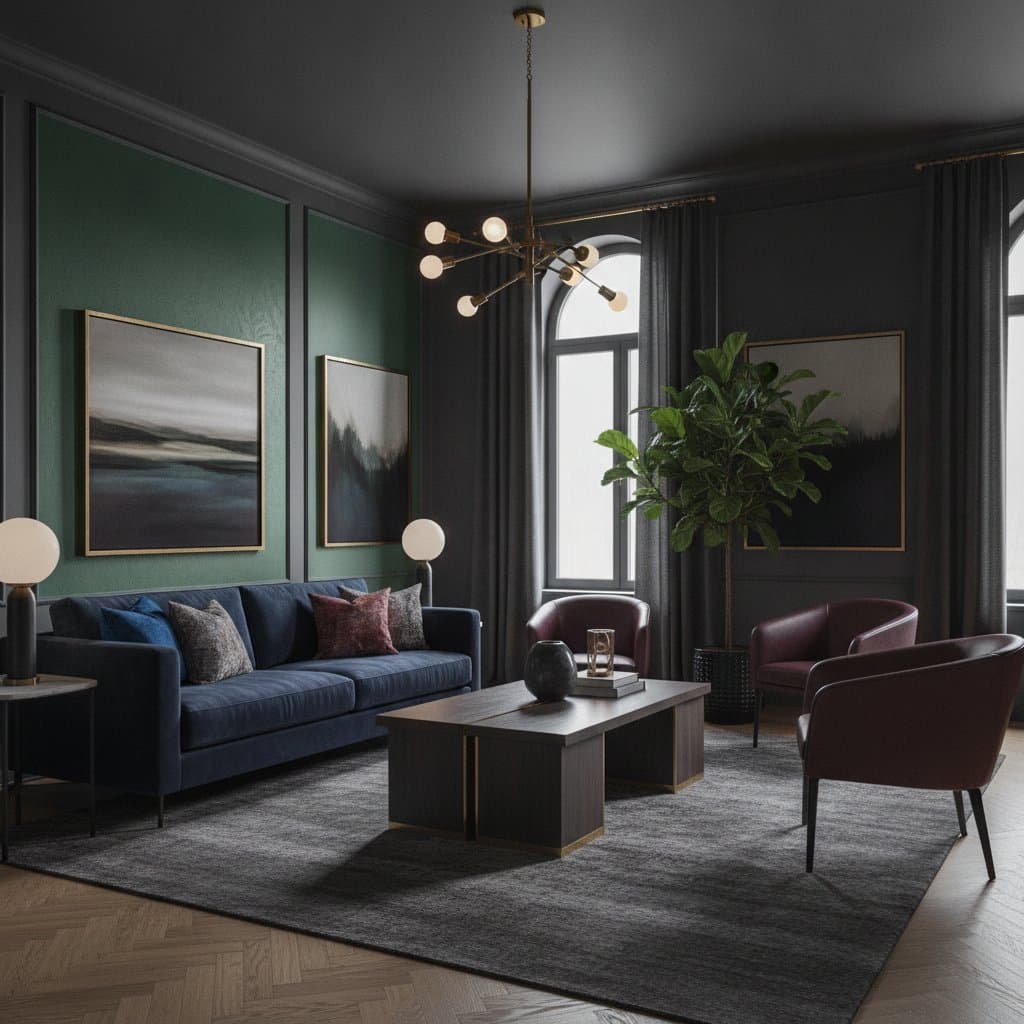
Deep, moody paint colors lead the way in 2026 interior design trends, significantly speeding up home sales and attracting higher offers. Real estate professionals observe that these dramatic wall treatments create an air of intentional luxury, transforming ordinary spaces into compelling showcases. Homeowners achieve this elevated appeal without undertaking extensive renovations, often at a cost of $250 to $600 per room, including supplies and basic tools.
The appeal lies in how dark tones add depth and sophistication, making properties stand out in competitive markets. Buyers perceive these choices as thoughtful investments in style, which encourages quicker decisions. Proper application ensures the colors enhance rather than overwhelm a space, drawing potential purchasers in from the first viewing.
Typical cost: $250 to $600 per room, including supplies and touch-up tools
Factors Influencing Painting Costs
Several elements determine the overall expense of applying dark paint colors. Understanding these helps homeowners budget effectively and avoid surprises.
1. Paint Quality
Premium interior paints cost between $45 and $85 per gallon. Darker pigments require specialized formulas that provide superior coverage to prevent visible streaks or uneven application. Professionals recommend applying at least two coats, and occasionally three, to achieve the desired richness and uniformity.
2. Room Dimensions
For a standard 12x12 room, two gallons of paint suffice, along with one gallon of primer. Larger areas, such as open-plan living spaces, may demand double the quantity, increasing material costs proportionally. Accurate measurement of square footage ensures precise purchasing.
3. Surface Preparation
Existing walls with satin or glossy finishes often require scuff sanding or a bonding primer for adhesion. Allocate $20 to $60 for these essential supplies, including sandpaper, primers, and cleaning agents. Thorough prep prevents peeling and ensures longevity.
4. Lighting Considerations
Rooms with limited natural light may necessitate additional coats to counteract absorption issues. Spaces abundant in daylight accommodate deep tones more readily, reducing the need for extensive corrections. Testing samples under various lighting conditions proves invaluable.
5. Professional Labor
Experienced painters charge $2.50 to $5 per square foot, depending on location and complexity. Accent walls involve lower fees due to reduced surface area, while full-room projects demand precise edging techniques to eliminate seams. Labor rates reflect the skill required for flawless results.
6. Trim and Ceiling Details
Contrasting light trim against dark walls sharpens the overall aesthetic but adds time to the process. Budget an additional $100 to $200 for extra paint, painter's tape, and careful application. This step elevates the professional finish.
Choosing Between DIY and Professional Services
Homeowners weigh options based on their skills, time availability, and project scope. Each approach offers distinct advantages.
Opt for DIY when:
- Walls present a clean, smooth surface and you possess steady hands for application.
- The space measures small or features simple rectangular shapes.
- Basic tools such as rollers, trays, and ladders already form part of your toolkit.
Engage a professional when:
- Architectural elements include vaulted ceilings or intricate trim details.
- Precision matters for clean boundaries between dark walls and lighter accents.
- Surfaces involve texture or require coverage over deeply colored existing paint.
Hiring experts typically yields quicker completion, with a single room finished in one to two days, encompassing preparation, painting, and cleanup. This method minimizes material waste and guarantees a polished outcome.
Long-Term Maintenance and Protection Strategies
Dark paint finishes reveal scuffs and marks more readily than lighter shades. Select washable matte or eggshell sheens to simplify cleaning routines. Gently wipe surfaces with a damp microfiber cloth, steering clear of abrasive chemicals that could damage the finish.
Quality paints maintain their vibrancy for five to ten years under normal conditions. Direct sunlight accelerates fading, so position furniture to shield walls where possible. Certain manufacturers provide limited lifetime warranties against peeling, provided application follows primer guidelines.
To preserve the investment:
- Store excess paint in sealed containers for future touch-ups.
- Refresh trim every few years to maintain crisp edges.
- Install felt pads beneath furniture legs to avoid dents in confined areas.
Regular upkeep ensures the space retains its sophisticated allure over time.
The Design Principles Behind Dark Paint Success
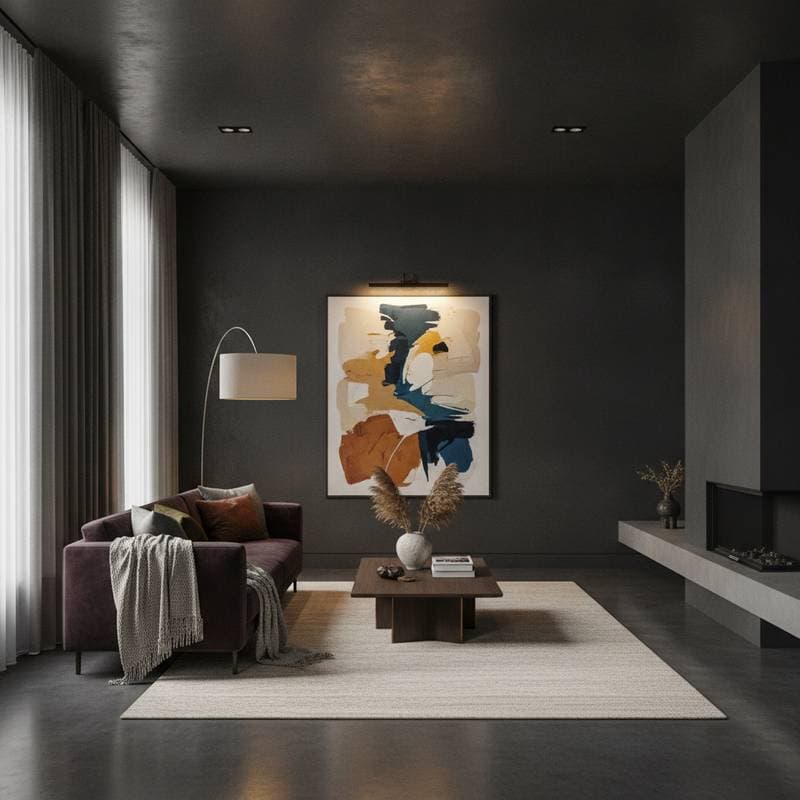
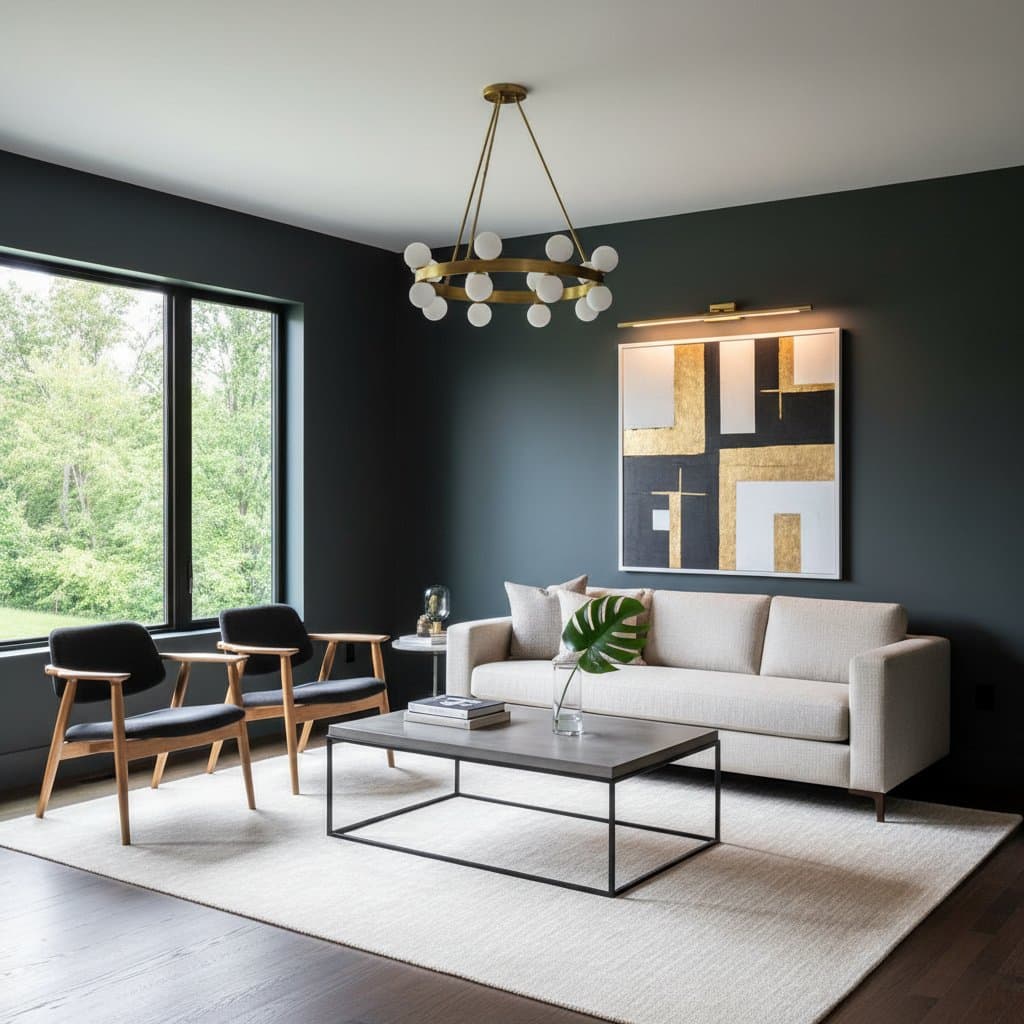
Buyers gravitate toward the visual drama that dark walls provide. These shades amplify the prominence of white trim, natural wood elements, and artwork, creating dynamic focal points. In expansive open layouts, they delineate functional zones without introducing structural barriers.
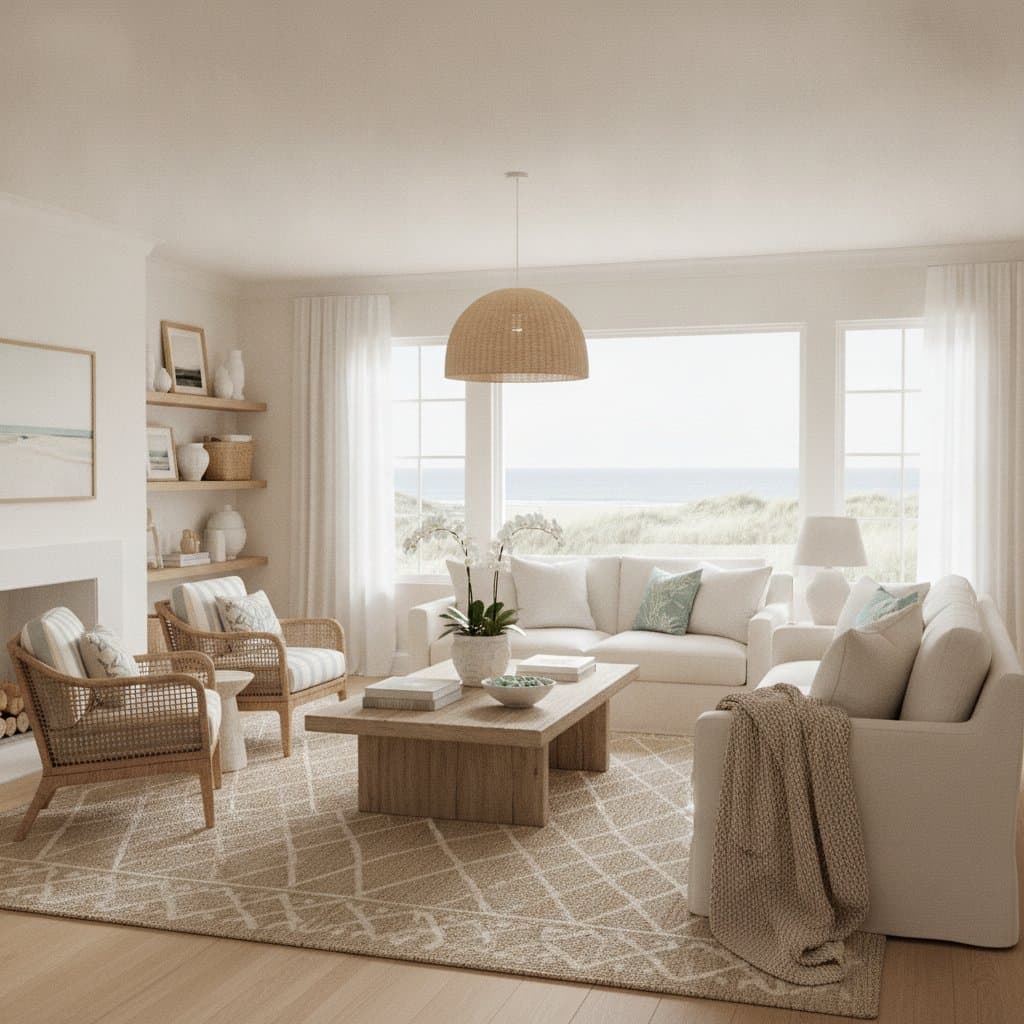
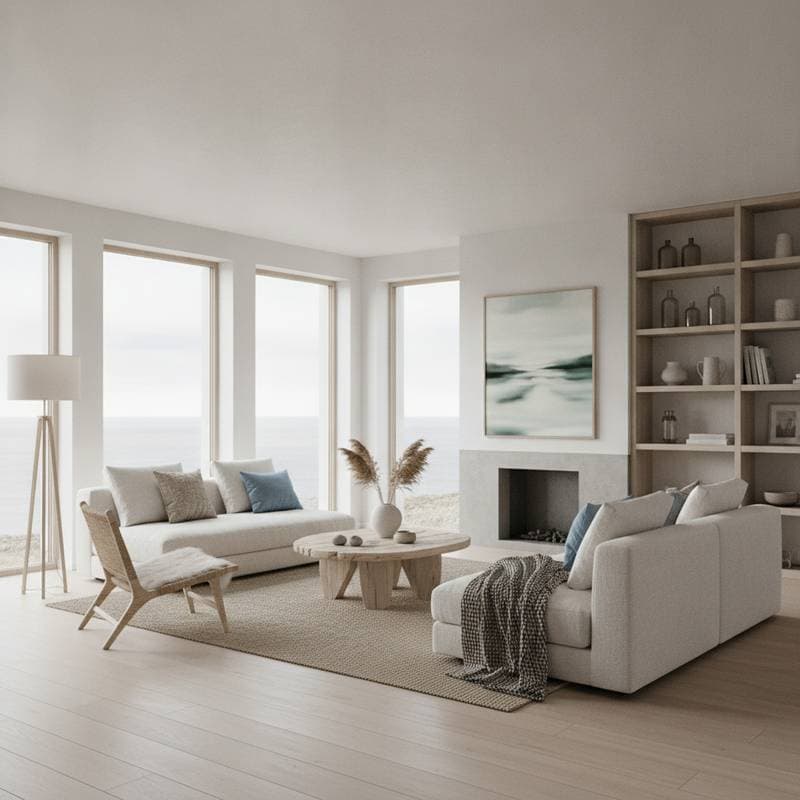
Dark palettes also conceal subtle imperfections, such as minor cracks or uneven plaster, which brighter colors might highlight. Interior designers emphasize equilibrium as essential: balance moody walls with pale flooring and understated fabrics. This harmony fosters an inviting atmosphere that appeals broadly.
Consider integrating metallic accents or textured rugs to add warmth and prevent the space from feeling cavernous. Experimenting with sample swatches on multiple walls reveals how tones interact with existing decor, guiding informed selections.
Practical Steps to Implement Dark Paint
Transitioning to moody interiors requires methodical planning for optimal results.
-
Select a test surface. Apply samples of two or three shades on a prominent wall, observing them in both natural daylight and evening illumination to assess true tones.
-
Calculate required materials. Plan for two gallons of paint, one gallon of primer, along with rollers, brushes, painter's tape, and drop cloths. DIY projects typically total $250 to $400 in expenses.
-
Incorporate lighting enhancements. Choose fixtures and bulb types that complement darker hues, such as warm LEDs, to illuminate features effectively.
-
Time the project appropriately. Schedule during a dry period, ideally a weekend, to allow for uninterrupted drying and minimal disruptions.
-
Consult professionals in advance. If dealing with high ceilings or irregular surfaces, secure a painter early to align with your timeline.
Achieving Lasting Value Through Strategic Updates
Embracing dark paint colors represents an efficient method to refresh a home's aesthetic and enhance its marketability. Thoughtful preparation and shade selection yield a refined finish that conveys timeless elegance. This transformation not only captivates prospective buyers but also positions the property as a desirable, move-in-ready gem in 2026's dynamic real estate landscape.