Introduction to Hidden EV Chargers
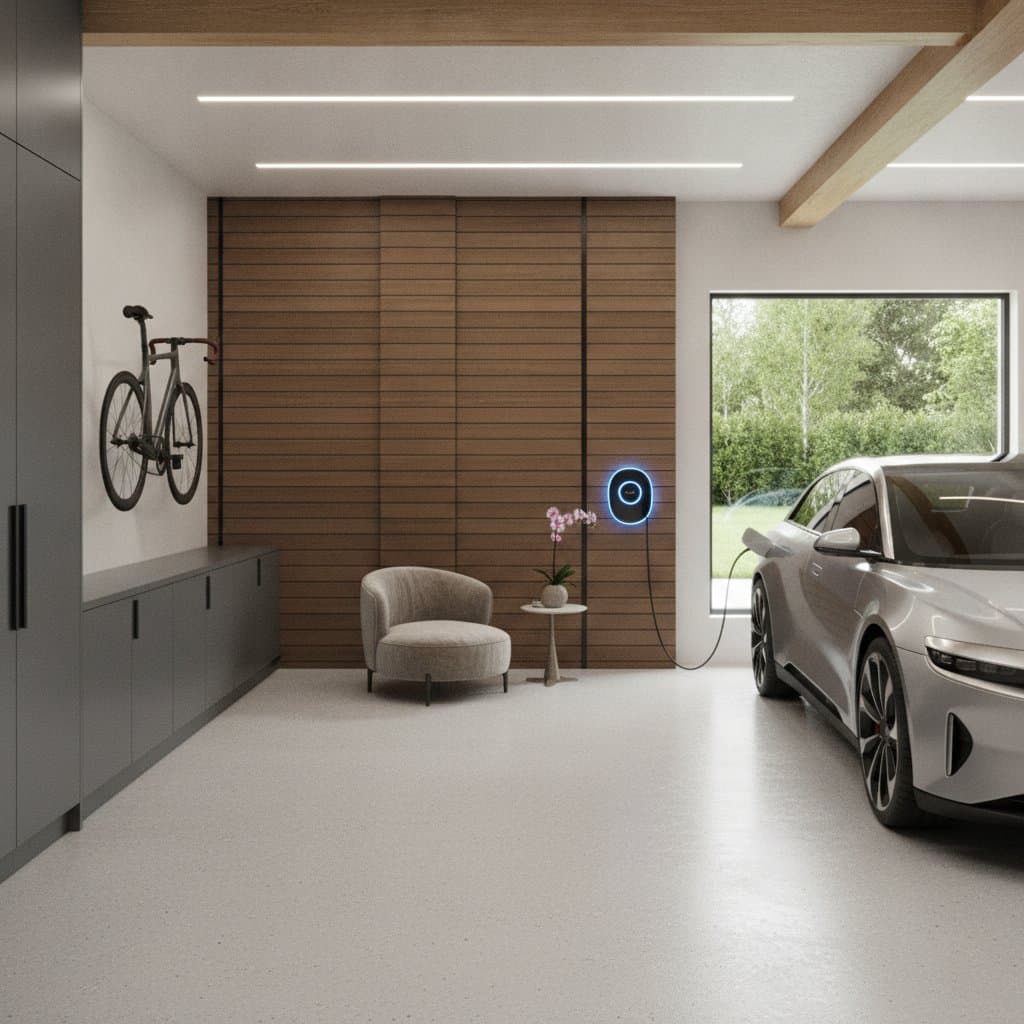
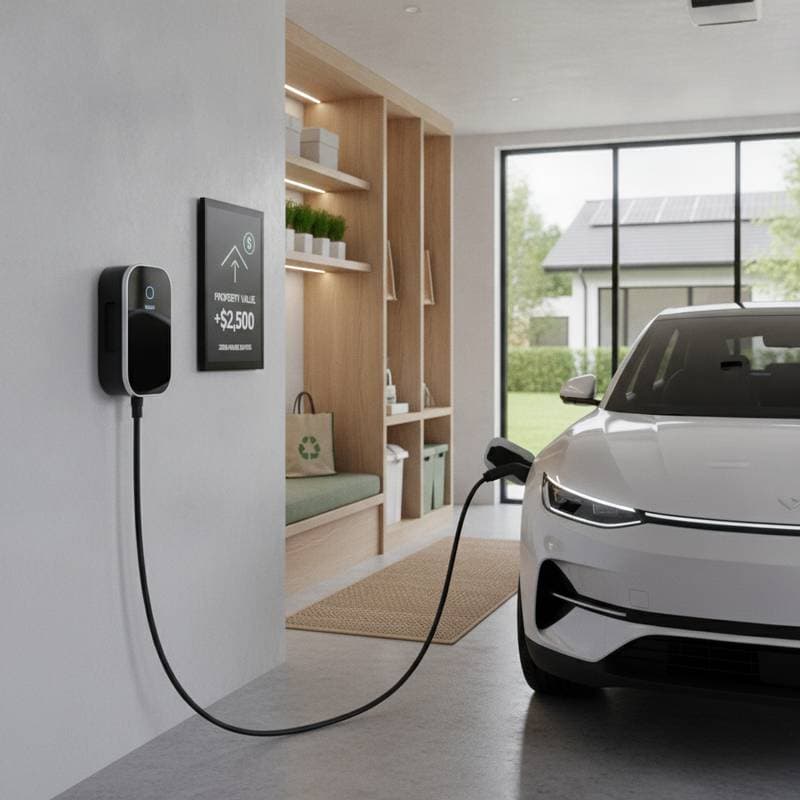
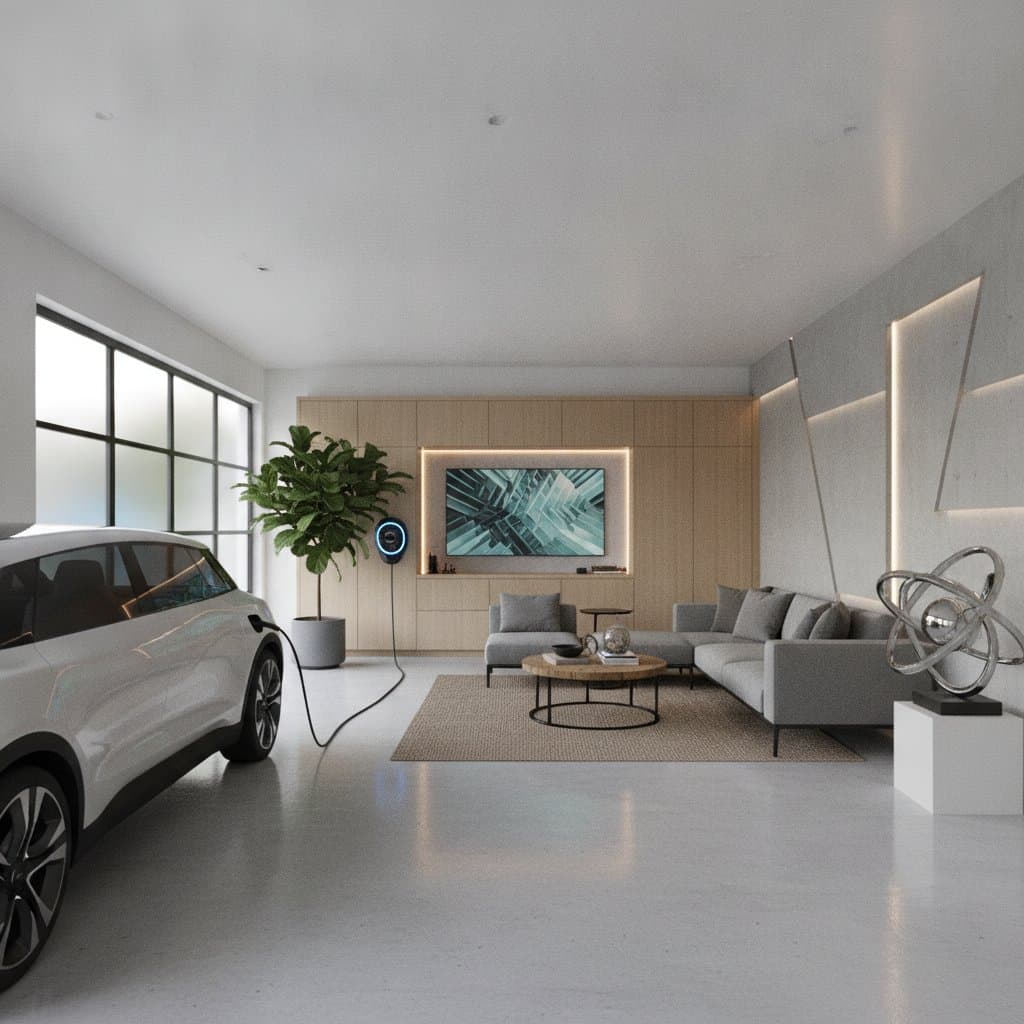
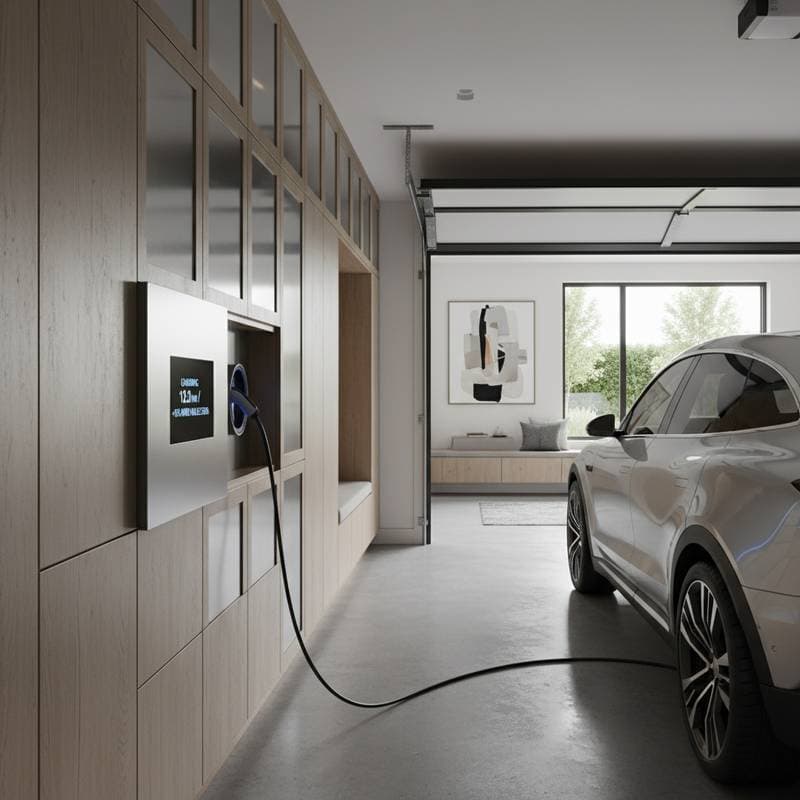
Hidden EV chargers represent a discreet upgrade that embeds charging stations within garage structures or walls, eliminating visible cords and bulky units. This approach appeals to homeowners seeking a clean, modern look while preparing for the rise in electric vehicle adoption. By 2026, real estate experts project that such installations could elevate home values by up to 15%, driven by demand from eco-conscious buyers who prioritize sustainable features.
The appeal lies in combining functionality with subtlety. Buyers increasingly view EV readiness as a must-have, similar to high-speed internet or smart thermostats. Installing one now positions your property ahead of market trends, offering both immediate utility and long-term financial returns.
Why Hidden Chargers Drive Home Value
Electric vehicles continue to gain popularity, with projections indicating that over 30% of new car sales will be EVs by 2026. Homes equipped with charging infrastructure stand out in listings, often selling 10% to 20% faster than comparable properties without them. Hidden designs enhance this advantage by preserving aesthetic integrity, avoiding the cluttered appearance of exposed chargers.
Appraisers recognize the added value through improved energy efficiency and reduced reliance on public charging stations. This upgrade signals forward-thinking ownership, appealing to younger demographics who dominate the housing market. Studies from real estate associations highlight that sustainable modifications like these yield the highest return on investment among home improvements.
Installation Costs and Process
The total cost for a hidden EV charger typically ranges from $1,000 to $3,500, depending on home layout and electrical needs. This includes the charger unit, wiring, and labor. Basic models start at $500, while advanced Wi-Fi-enabled versions with load management features reach $1,200.
Key components involve installing 240-volt wiring to support faster charging speeds. Upgrading electrical panels or breakers may add $300 to $800 if capacity is insufficient. Running conduit through finished walls or ceilings requires precision to minimize disruption, often necessitating temporary access points.
Homeowners must handle permits and inspection paperwork, which vary by locality but generally cost $50 to $200. Engaging a certified installer ensures compliance with national electrical codes, preventing costly rework.
Potential Risks and Mitigation
Wiring errors pose risks such as overheating or frequent breaker trips, which could lead to fire hazards or system failures. Proper grounding and load balancing are essential to distribute power safely across household circuits.
Hire licensed electricians who specialize in EV installations to guarantee code compliance. Professional labor costs approximately $500 to $1,200, providing peace of mind and avoiding expenses from future repairs. Regular post-installation checks further reduce liability.
Timing and Cost-Saving Strategies
Most installations complete in 1 to 3 days, encompassing wiring, mounting, and initial testing, followed by a mandatory inspection. Delays may arise from charger supply shortages, extending timelines by 1 to 2 weeks. Schedule orders in advance and align with your electrician's calendar, especially before enclosing walls or installing cabinetry.
Early spring often brings seasonal discounts as installers clear schedules for summer projects. Utility companies provide rebates of $100 to $500 for chargers that integrate with smart grids to monitor and optimize energy consumption. Confirm eligibility through local providers prior to purchasing to maximize savings.
Maintenance for Longevity
EV chargers demonstrate durability, with most units lasting 10 to 15 years under normal conditions. Routine care involves keeping ventilation areas free of dust and storing cords neatly to prevent wear. Exposure to moisture demands immediate attention, as does monthly testing of ground fault circuit interrupter (GFCI) mechanisms.
Replace any damaged cables promptly to maintain safety and performance. Manufacturers offer standard warranties of 3 to 5 years, covering defects in materials and workmanship. Extended plans, priced at $50 to $150, prove valuable in areas with high humidity or frequent temperature fluctuations.
For Wi-Fi connected models, perform software updates regularly to resolve connectivity issues and enhance security. Installations must include accessible panels for inspections, avoiding permanent enclosures that complicate servicing. This practice upholds warranty terms and insurance coverage.
Steps to Install Your Hidden EV Charger
-
Assess your electrical panel for available capacity, ideally consulting a professional for a load calculation.
-
Obtain quotes from at least two licensed electricians experienced in EV systems to compare pricing and timelines.
-
Select a mounting type suited to your garage, such as wall-integrated or ceiling-recessed, based on vehicle size and parking habits.
-
Submit permit applications early, coordinating with local building authorities to avoid delays.
-
Arrange for inspection right after completion to certify the setup and activate any rebates.
Realizing the Benefits
Upon installation, enjoy streamlined daily charging that cuts costs compared to public stations, often by 50% or more. The hidden design keeps your garage organized, enhancing overall home appeal. As EV adoption accelerates, this feature becomes a key selling point, recouping your investment through higher resale prices and quicker market entry.
Consider this upgrade as a strategic move toward sustainability and property enhancement. It prepares your home for emerging technologies while delivering practical advantages today.