Dark Walls Now Sell Homes Faster in 2026
In the evolving landscape of real estate, interior design choices significantly influence buyer perceptions and market speed. Dark wall colors, once viewed with caution, emerge as a powerful tool for sellers in 2026. These deep tones create sophisticated atmospheres that appeal to modern buyers seeking personality and depth in living spaces.
Homeowners who incorporate dark walls report quicker sales and higher offers. Real estate experts note that such choices align with current trends toward bold, immersive environments. This shift marks a departure from neutral palettes, offering a fresh approach to staging.
The Rise of Dark Walls in Home Design
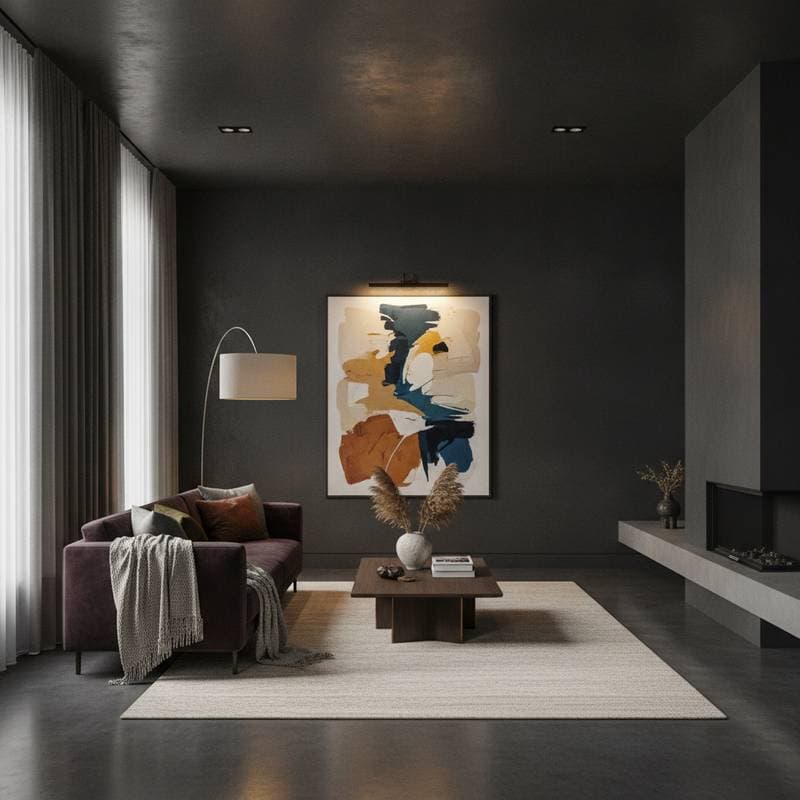
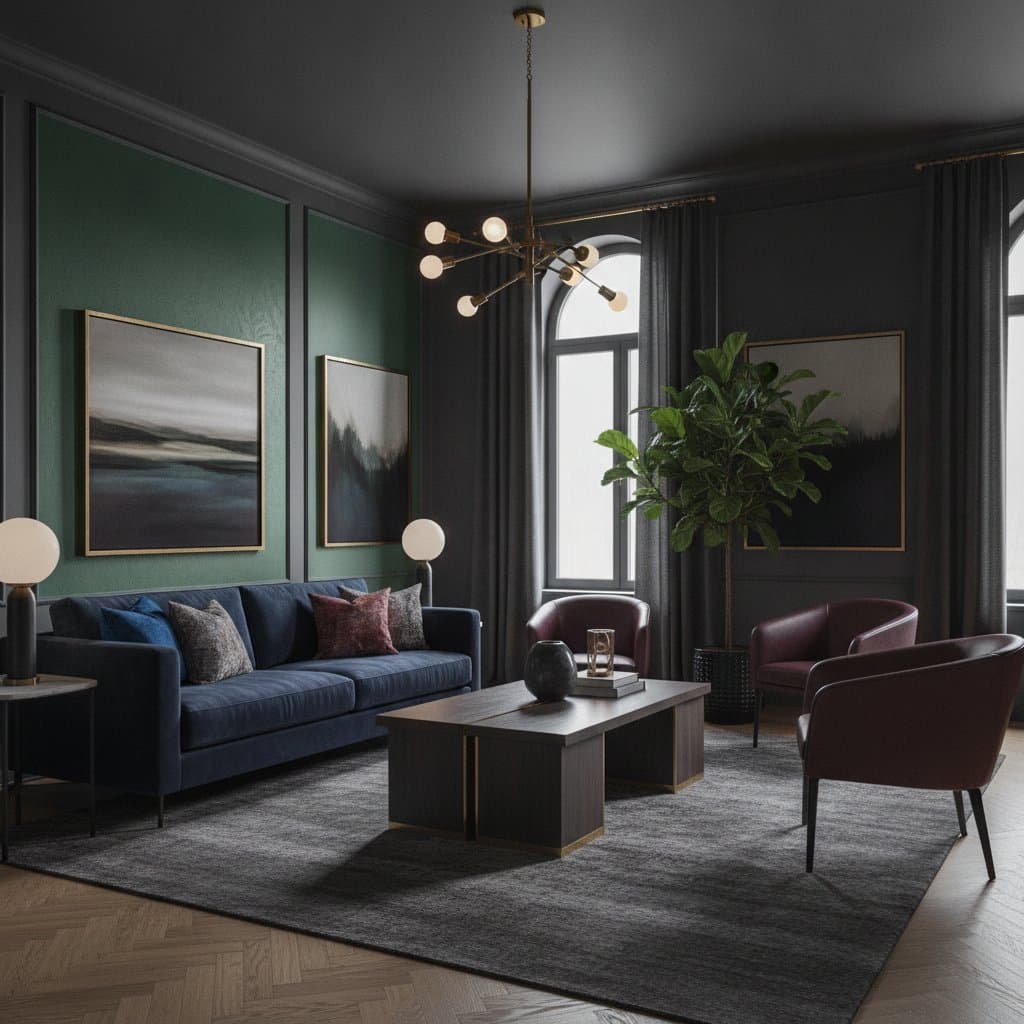
Dark walls gain popularity due to their ability to transform ordinary rooms into striking focal points. Colors like deep charcoal, midnight navy, and rich forest green absorb light in ways that enhance architectural features. Buyers in 2026 prioritize homes that feel curated and intentional, and dark walls deliver that curated aesthetic.
Market data from recent years supports this trend. Listings with dark accents sell up to 20 percent faster than those with all-light schemes. The visual drama provided by these hues captivates online viewers, who scroll through countless photos before scheduling viewings.
Psychologically, dark colors evoke luxury and tranquility. They encourage buyers to envision cozy evenings or elegant gatherings in the space. This emotional connection accelerates decision-making processes.
Why Dark Walls Accelerate Home Sales
Photogenic qualities play a central role in the appeal of dark walls. High-quality images of rooms painted in deep tones stand out in listing galleries. Shadows and highlightscolors add dimension, making spaces appear larger and more inviting than flat neutrals might.
Perceived value increases with dark wall applications. Buyers associate bold choices with high-end renovations, often willing to pay premiums for homes that exude contemporary style. In competitive markets, this edge can mean the difference between weeks and days on the market.
Sustainability factors also contribute. Dark paints, especially low-VOC options, align with eco-conscious buyer preferences. They reduce the need for excessive lighting, promoting energy efficiency in daily use.
Choosing the Right Dark Colors for Your Home
Select shades that complement your home's natural light and architecture. For sunlit rooms, opt for warmer darks like eggplant or taupe to maintain balance. In dimmer areas, cooler tones such as slate blue prevent the space from feeling oppressive.
Test samples in various lighting conditions before committing. Apply them to small sections and observe changes throughout the day. This step ensures the color enhances rather than overwhelms the room's character.
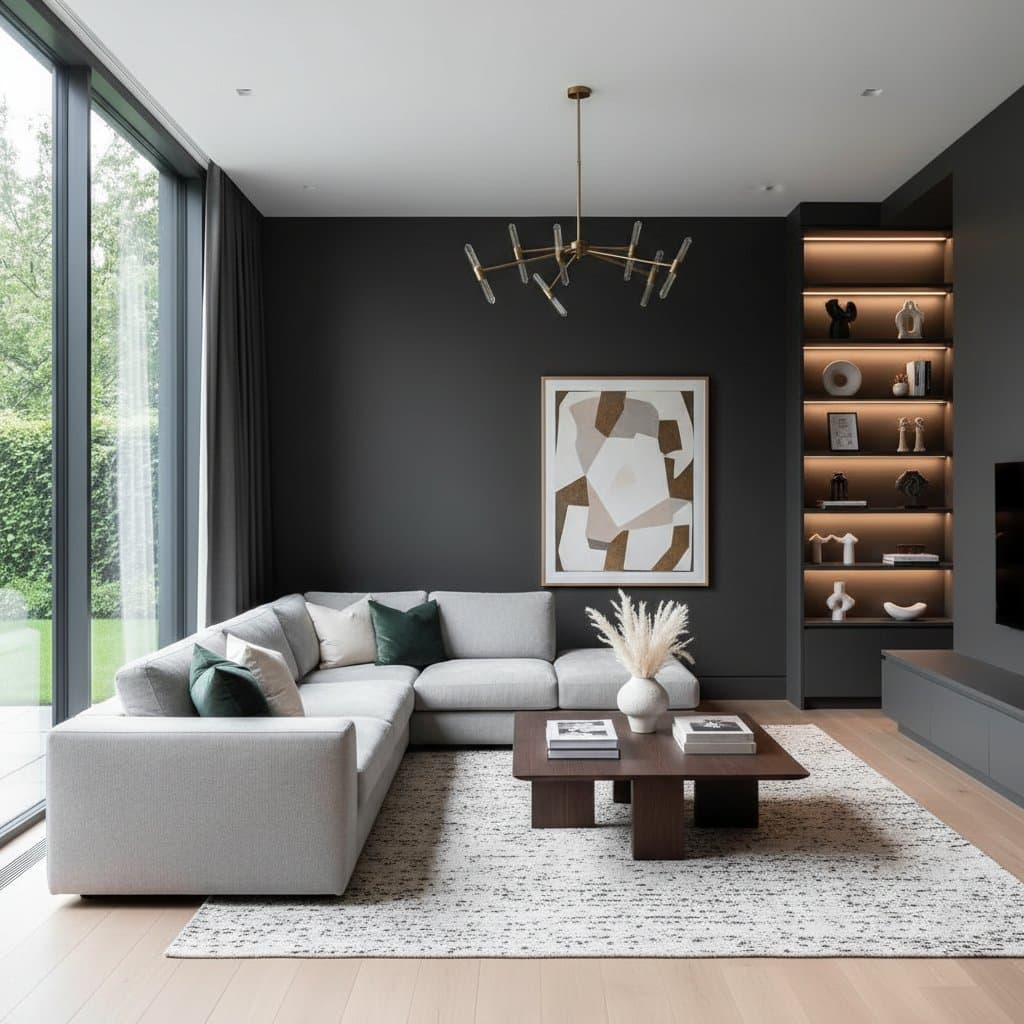
Consider the room's function when deciding. Bedrooms benefit from soothing navies that promote rest, while living areas shine with versatile grays that adapt to different moods. Balance dark walls with light furnishings to avoid a cave-like effect.
Preparation and Application Best Practices
Proper surface preparation forms the foundation of successful dark wall painting. Clean walls thoroughly to remove dust and grease, then apply a high-quality primer suited for dark topcoats. This prevents bleed-through and ensures even coverage.
Use multiple thin coats rather than one heavy layer. Each coat should dry fully before the next application, typically 24 hours apart. Professional painters recommend matte or eggshell finishes for dark colors, as they minimize glare and imperfections.
Incorporate strategic lighting during the process. Install dimmable LEDs or sconces to highlight textures and prevent flatness. This setup not only aids painting but also showcases the final result to potential buyers.
Step-by-Step Guide to Painting Dark Walls
- Assess the room: Evaluate light sources, furniture, and existing decor to choose compatible shades.
- Gather materials: Select primer, paint, brushes, rollers, and drop cloths for a clean workspace.
- Prime the surface: Apply primer evenly and allow it to cure for the recommended time.
- Paint in sections: Work from top to bottom, feathering edges to blend seamlessly.
- Add accents: Introduce metallic or textured elements for depth and interest.
- Inspect and touch up: Review under different lights and correct any inconsistencies.
Integrating Dark Walls with Overall Staging
Pair dark walls with reflective surfaces to bounce light around the room. Mirrors, glossy tiles, and metallic accents counteract potential heaviness. This combination keeps spaces airy while retaining the dramatic impact.
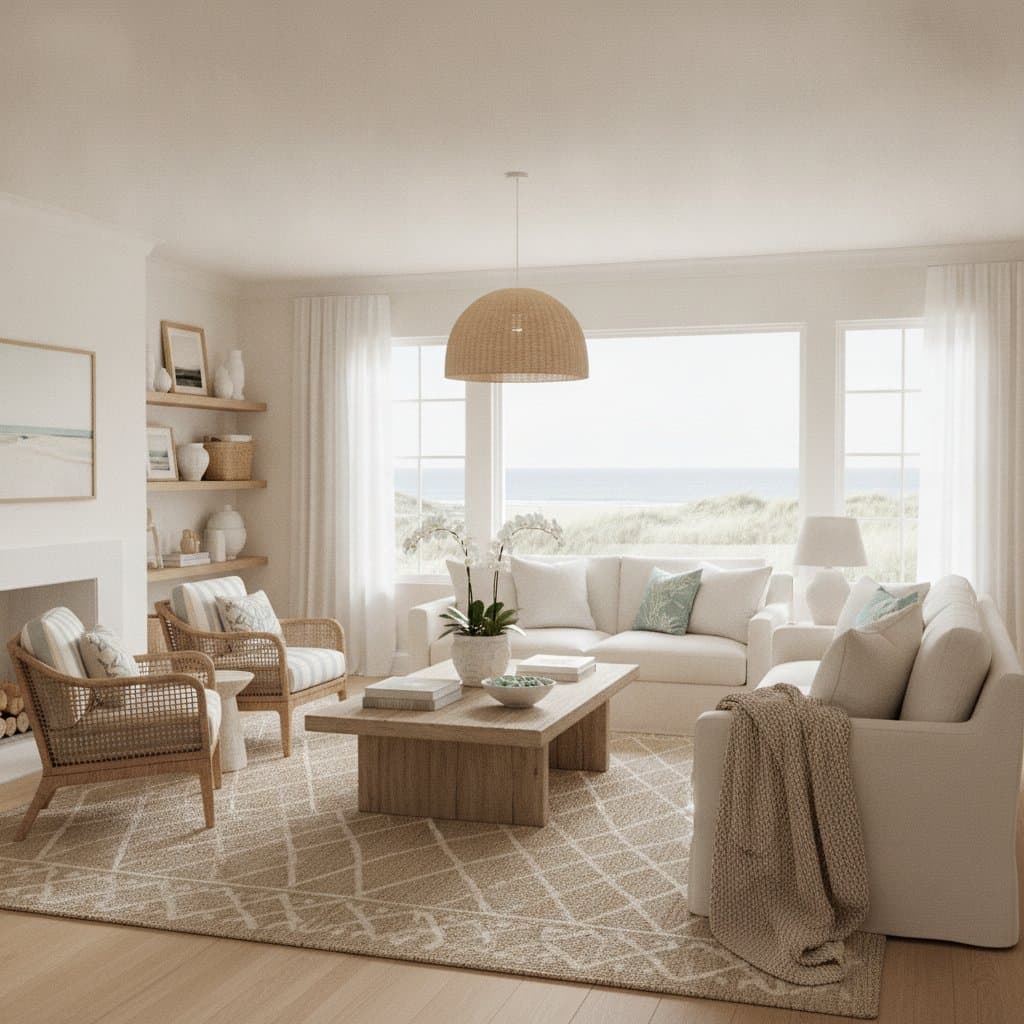
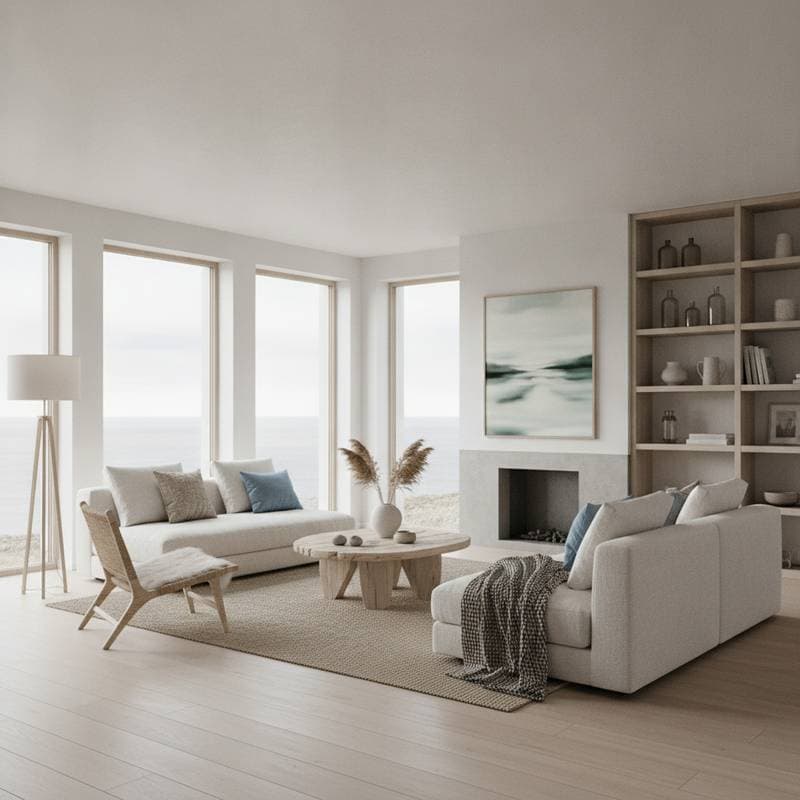
Furniture selection matters greatly. Light woods or upholstered pieces in creams and beiges provide contrast. Rugs in subtle patterns ground the design without competing for attention.
For open-concept homes, extend dark walls selectively. Accent one feature wall in the living area while keeping adjacent spaces lighter. This creates flow and prevents visual overload.
Real Estate Insights for 2026
Agents report that homes with dark walls attract younger demographics, particularly millennials and Gen Z buyers. These groups value authenticity over cookie-cutter designs. Listings featuring such elements generate more inquiries through virtual tours.
ROI calculations favor dark wall investments. The cost of painting averages under 5,000 dollars per home, yet it can yield 10 to 15 percent increases in sale prices. Time saved on the market further compounds these financial benefits.
Regional variations influence effectiveness. In urban settings, dark walls align with sleek, modern lofts. Suburban sellers find success by using them to add warmth to family-oriented layouts.
Overcoming Common Concerns with Dark Walls
Many hesitate due to fears of making rooms feel smaller. Strategic placement alleviates this issue. Focus dark colors on shorter walls to elongate spaces visually.
Maintenance worries often arise, but quality paints resist scuffs better than expected. Regular dusting and occasional touch-ups keep surfaces pristine. Professional cleaning services handle deeper refreshes efficiently.
Allergy concerns prompt questions about paint types. Choose zero-VOC formulas to ensure air quality remains high. These options perform as well as traditional paints in durability tests.
Maximizing Impact for Faster Sales
Document the transformation with before-and-after photos. Share these in listings to illustrate the upgrade's value. Buyers appreciate transparency and the story behind design decisions.
Consult local real estate professionals for tailored advice. They provide insights into neighborhood preferences and staging trends. This collaboration refines your approach for optimal results.
Ultimately, dark walls position your home as a standout in 2026's market. They blend timeless elegance with forward-thinking style, drawing buyers who seek more than the ordinary. Embrace this trend to unlock quicker sales and enhanced value.