Terrazzo's Resurgence in 2026: Streamline Renovations and Elevate Property Value
Typical installation costs average $18 per square foot, with ranges from $12 to $25 based on material selection, surface preparation, and design elements.
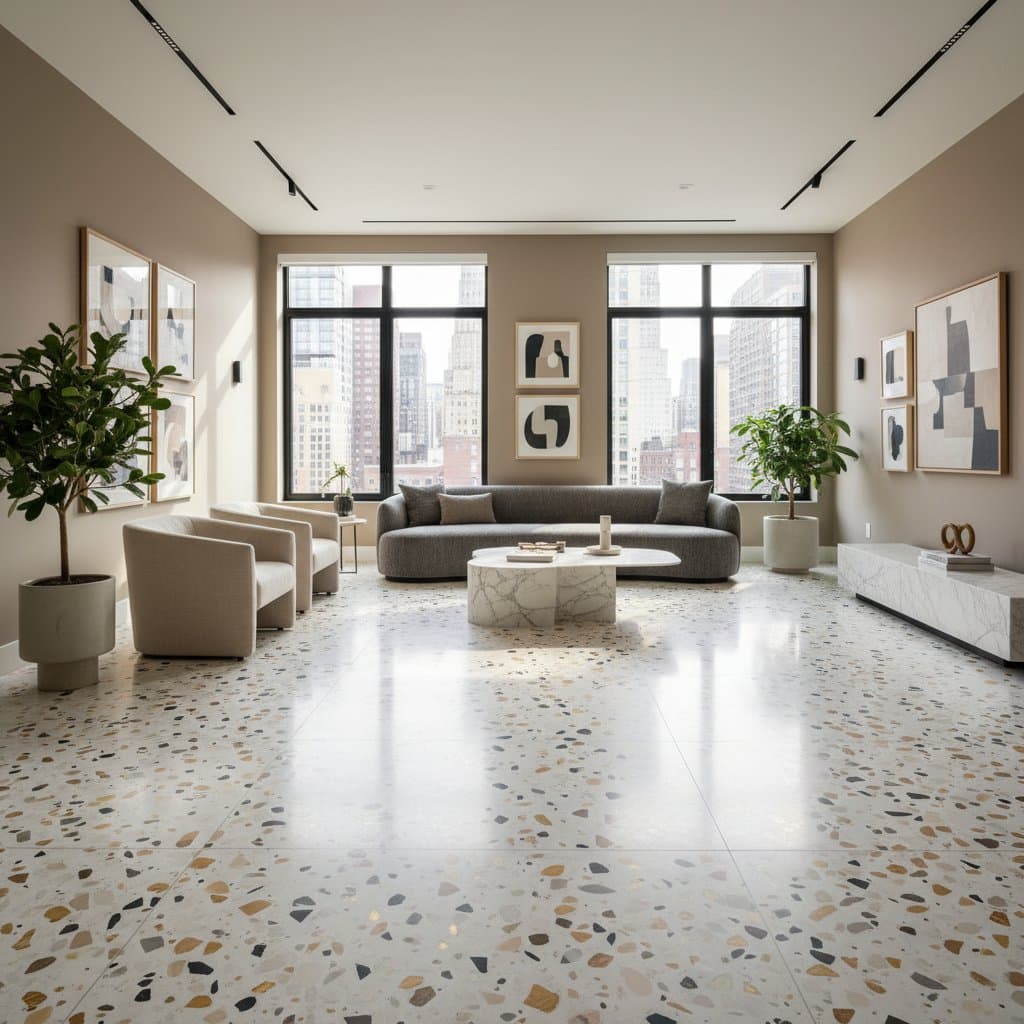
Terrazzo flooring combines aesthetic sophistication with robust performance, making it ideal for high-traffic areas in contemporary and traditional residences. This composite material, composed of chips embedded in a binder, withstands daily wear while offering customization opportunities. Selecting terrazzo early in the planning process allows integration with other elements, potentially reducing overall project duration by aligning timelines with subcontractors.
Key Cost Considerations
Understanding the components that influence pricing helps in budgeting effectively for a terrazzo project.
1. Material Choices
Cement-based terrazzo serves as an economical option, priced at $12 to $16 per square foot. It provides a classic, matte appearance suitable for indoor applications but requires longer curing periods of up to 72 hours before grinding. Epoxy-based variants, at $18 to $25 per square foot, offer superior flexibility and quicker curing times of 24 to 48 hours, minimizing downtime and reducing the risk of cracks in uneven subfloors. Precast terrazzo tiles, costing $10 to $15 per square foot, arrive ready-made and install via adhesive, halving labor time compared to poured systems while maintaining a seamless look when grouted properly.
2. Labor Expenses
Skilled craftsmanship drives a significant portion of the budget, with labor fees typically ranging from $8 to $12 per square foot for poured installations. Professionals employ diamond grinders to achieve a smooth surface and ensure even chip distribution. In regions with high demand, such as urban centers, rates may increase due to the specialized tools and expertise required for polishing to a high gloss.
3. Surface Preparation Requirements
Existing subfloors often demand assessment and modification, adding $2 to $5 per square foot. Leveling compounds address minor imperfections, while moisture barriers prevent issues in damp environments. For homes with prior vinyl or tile coverings, complete removal ensures adhesion and longevity.
4. Design and Customization Elements
Intricate patterns, such as inlaid borders or custom aggregates like glass or mother-of-pearl, can elevate costs by 20 to 40 percent. Divider strips in metal or plastic guide the pour and define sections, contributing to both functionality and visual interest. Simple monochromatic designs keep expenses lower, whereas multicolored compositions demand precise mixing and placement.
5. Additional Fees for Disposal and Compliance
Demolition of outdated flooring incurs $1 to $3 per square foot, including hauling and eco-friendly disposal. Local regulations may mandate permits for dust-generating activities like grinding, particularly in residential zones. Factoring these in advance avoids delays and unexpected charges.
Installation Approaches: DIY Versus Professional
Deciding between self-installation and hiring experts depends on project scale, skill level, and desired outcome.
DIY for Tile-Based Systems
Precast tiles suit smaller areas, such as bathrooms or entryways, where precision tools like wet saws and grout floats suffice. Begin by cleaning the subfloor thoroughly, applying thin-set mortar, and pressing tiles into place before grouting. This method empowers homeowners to control costs but demands patience to avoid gaps or misalignment, which could compromise the floor's integrity over time.
Professional Installation for Poured Terrazzo
Large-scale or custom poured applications require certified contractors equipped with industrial grinders, polishers, and ventilation systems to manage dust. These specialists handle complexities like integrating underfloor heating or ensuring compliance with building codes. For any project exceeding 100 square feet or involving structural modifications, professional involvement guarantees safety and performance.
Recommendation: Engage professionals for polishing stages, embedded artwork, or subfloor adjustments to prevent costly errors and achieve a flawless finish.
Long-Term Care and Assurance
Proper maintenance preserves terrazzo's luster and extends its service life to 40 to 75 years.
Routine care involves weekly sweeping to remove debris, followed by damp mopping with a pH-neutral solution diluted in water. Avoid abrasive pads that could scratch the surface. Periodic resealing every five to seven years creates a protective barrier against spills and foot traffic, particularly in kitchens or hallways.
Warranties from installers typically cover workmanship for five to 10 years, focusing on defects like delamination or uneven polishing. Address minor cracks promptly with epoxy fillers to halt progression. Steer clear of acidic substances, such as vinegar-based cleaners, which etch the binder, and wax products that attract grime.
Practical Steps to Launch Your Project
- Calculate the precise square footage of the area, accounting for irregularities like closets or thresholds, and solicit quotes from at least three certified installers.
- Evaluate epoxy versus tile options by weighing curing speeds against upfront costs and your tolerance for site disruption.
- Inspect the subfloor for levelness, moisture levels, and stability using a straightedge and moisture meter prior to commitment.
- Schedule installation well in advance, ideally during off-peak seasons, to secure availability and potentially lower rates for polished finishes.
Investing in terrazzo delivers enduring benefits: effortless cleaning, heightened resale appeal, and reduced need for future interventions. This flooring choice transforms spaces into durable showcases of style, supporting lifestyles that demand both beauty and resilience.