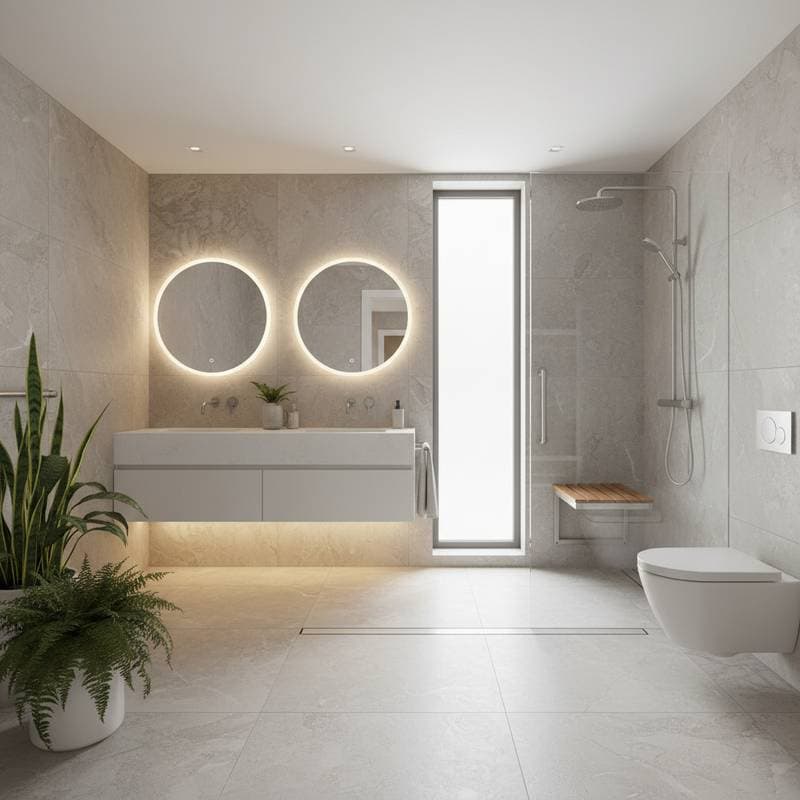
Wet Rooms Add Value Through Accessibility Design
Wet rooms represent a leading trend in bathroom renovations for 2026. These spaces combine sleek aesthetics with practical functionality, creating fully waterproof environments without traditional barriers like shower trays or curbs. Homeowners appreciate how wet rooms enhance daily living while increasing property appeal.
The design eliminates thresholds, allowing seamless movement across the floor. This approach supports universal access, making bathrooms suitable for all ages and abilities. As populations age, such features become essential for long-term home usability.
Understanding Wet Rooms
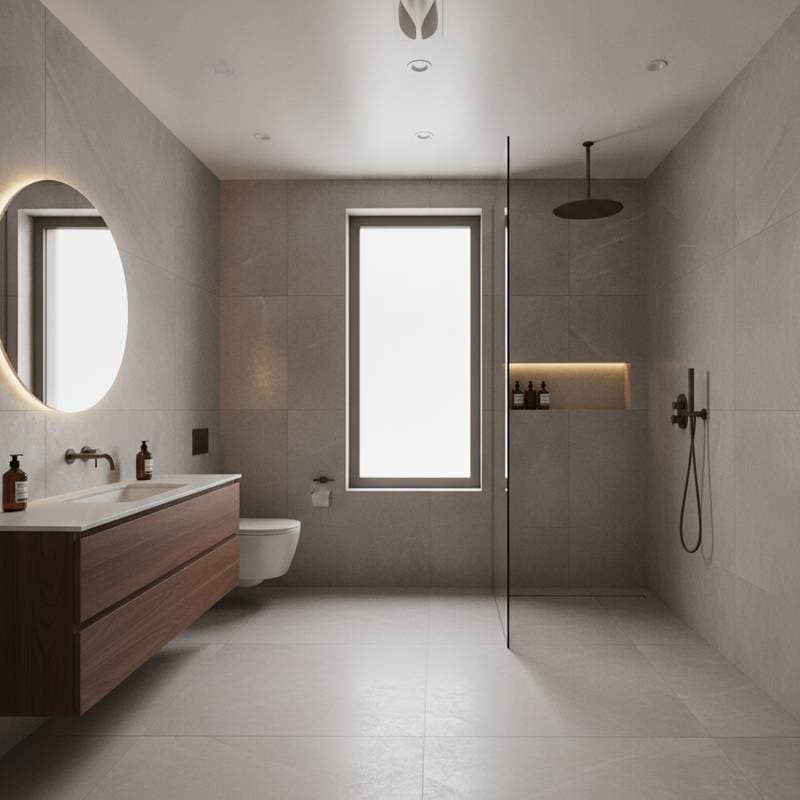
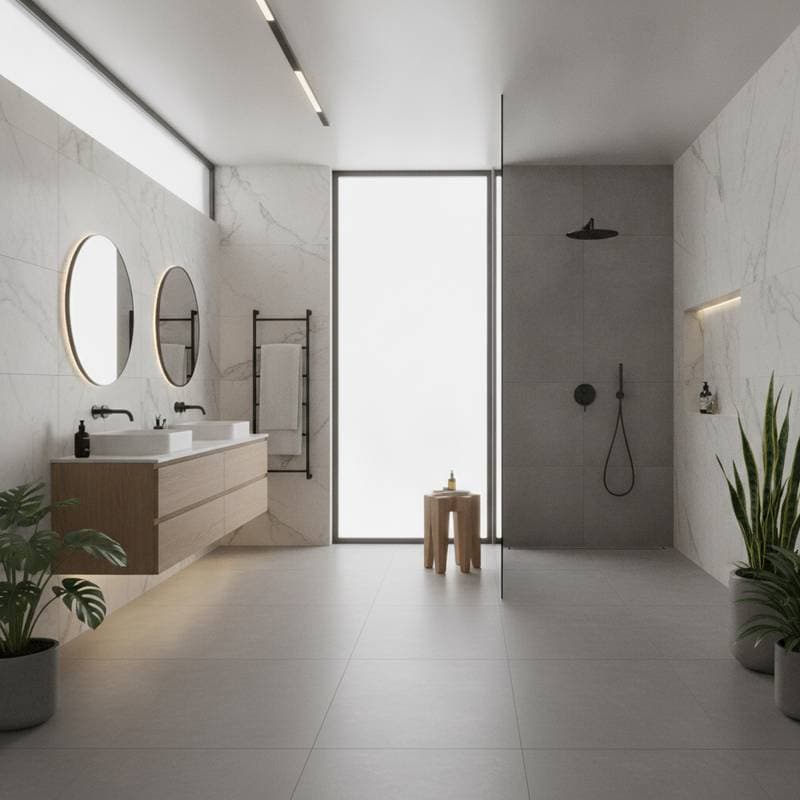
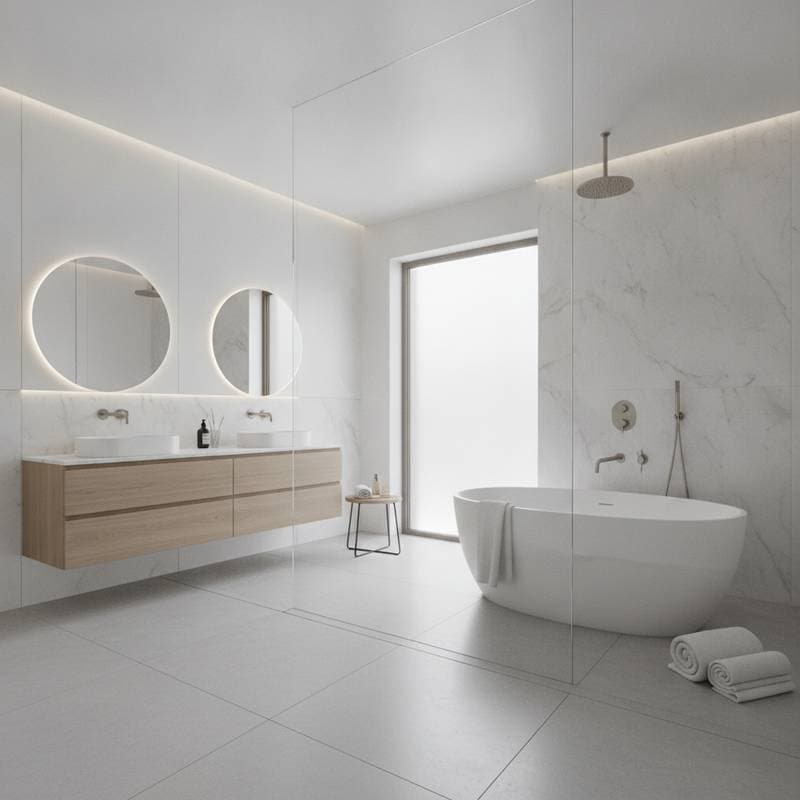
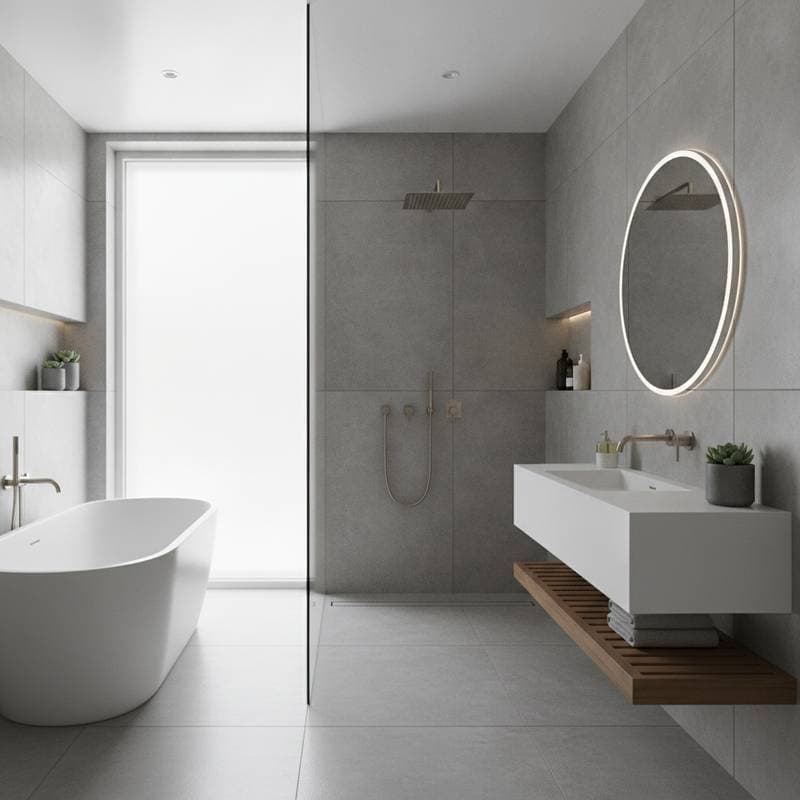
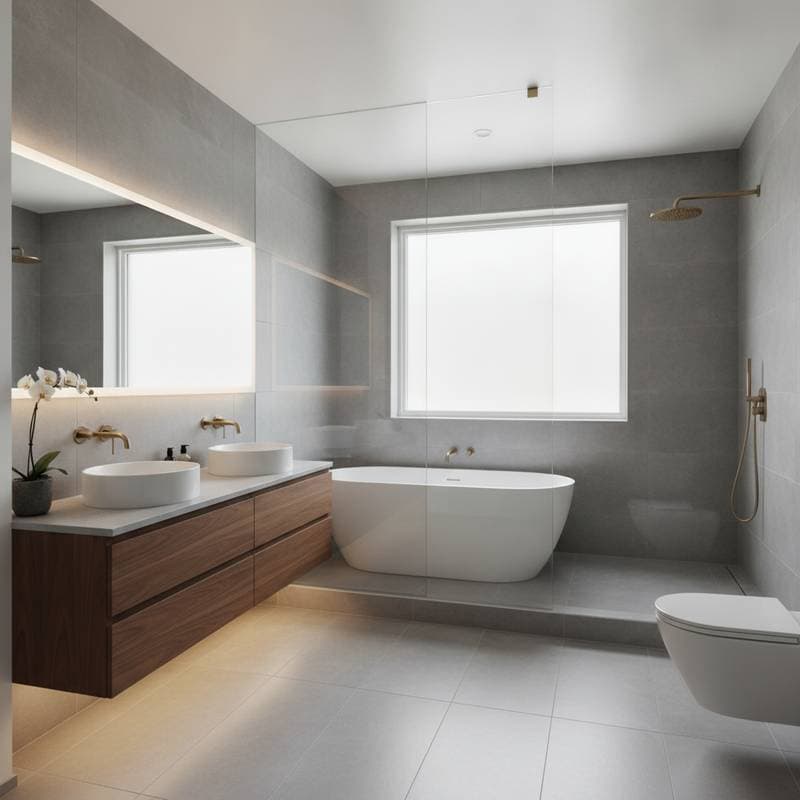
A wet room is a bathroom where the entire floor and walls are waterproofed to contain water from showers or baths. Unlike conventional setups, it features a level-entry shower area integrated into the room's layout. This creates an open, spacious feel that maximizes available square footage.
Installation involves applying a waterproof membrane over the subfloor and tiling throughout. Walls receive similar treatment up to a splash height, often with drainage integrated into the floor slope. The result is a cohesive space that feels modern and efficient.
Professionals recommend consulting certified installers to ensure proper waterproofing. Poor execution can lead to leaks or mold, undermining the room's benefits. With correct implementation, wet rooms offer durability and low maintenance over time.
Enhancing Accessibility
Wet rooms excel in promoting accessibility for individuals with mobility challenges. The absence of steps or doors in the shower area reduces fall risks and eases navigation. Grab bars and non-slip flooring further enhance safety without compromising style.
These designs accommodate wheelchairs and walkers effortlessly. Wide doorways and open layouts allow ample turning radius, aligning with universal design principles. Families find value in preparing homes for future needs, such as aging parents or personal health changes.
Beyond physical access, wet rooms support independent living. Lowered sinks and adjustable fixtures enable comfortable use by people of varying heights. This thoughtful integration fosters inclusivity throughout the household.
Boosting Home Value
Incorporating a wet room can increase a property's market value by up to 10 percent, according to industry trends. Buyers prioritize homes with adaptable features, viewing them as forward-thinking investments. In competitive real estate markets, such upgrades differentiate listings.
Resale appeal stems from the room's versatility and luxury perception. Open designs evoke spa-like serenity, attracting design-conscious purchasers. Appraisers recognize the added functionality, often reflecting it in higher valuations.
Long-term savings contribute to overall value. Reduced water damage risks and easier cleaning lower upkeep costs. Homeowners recoup expenses through energy-efficient elements like low-flow fixtures integrated into the design.
Practical Design Tips
Select materials that balance durability and aesthetics. Porcelain or ceramic tiles resist water while offering varied textures and colors. Opt for large-format tiles to minimize grout lines, simplifying maintenance.
Incorporate strategic lighting to highlight the space's openness. Recessed LEDs provide even illumination, reducing shadows in wet areas. Dimmable options allow customization for relaxation or task-oriented use.
Plan drainage carefully for efficient water flow. Linear drains along walls handle higher volumes than point drains, preventing pooling. Ensure the floor slopes gently, typically one percent, toward the drain for quick drying.
- Choose matte finishes for floors to enhance grip without visible water spots.
- Integrate built-in benches for seated showering, supporting accessibility.
- Use frameless glass panels if partial enclosure is desired, maintaining the open feel.
- Coordinate colors with adjacent rooms for a unified home aesthetic.
Costs and Installation Considerations
Budget for a wet room renovation ranges from $15,000 to $30,000, depending on size and materials. Basic setups in smaller bathrooms fall toward the lower end, while luxury additions like heated floors push costs higher. Factor in labor, which comprises 40 to 50 percent of the total.
Preparation involves assessing the existing structure. Older homes may require subfloor reinforcement to support waterproofing layers. Permits ensure compliance with local building codes, particularly for drainage modifications.
Hire specialists experienced in wet room conversions. They handle membrane application, tiling, and plumbing adjustments precisely. Timelines vary from two to four weeks, minimizing disruption during the process.
Compare this investment to traditional remodels, which often cost similarly but offer less adaptability. Wet rooms provide superior longevity, potentially saving on future repairs. Detailed planning upfront avoids surprises in expenses.
Investing in Future-Ready Living
Wet rooms transform bathrooms into versatile sanctuaries that adapt to life's changes. Their blend of style, safety, and efficiency positions them as a worthwhile enhancement for any home. Owners gain peace of mind knowing their space supports wellness and independence.
Consider how this upgrade aligns with personal lifestyle goals. Whether for immediate family needs or resale preparation, the benefits extend far beyond installation. Embrace the shift toward inclusive design to elevate daily comfort and property worth.