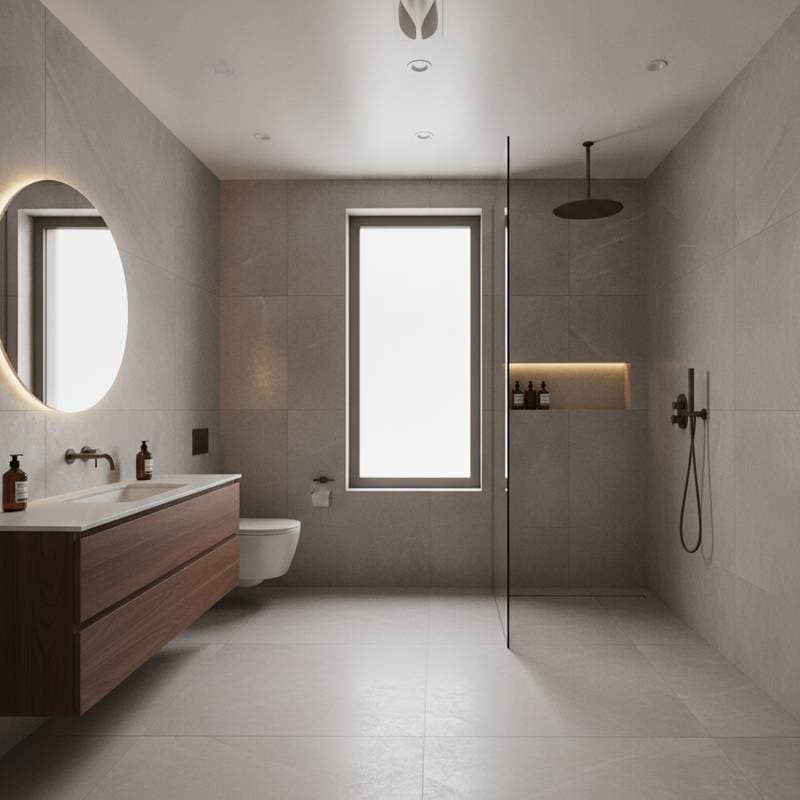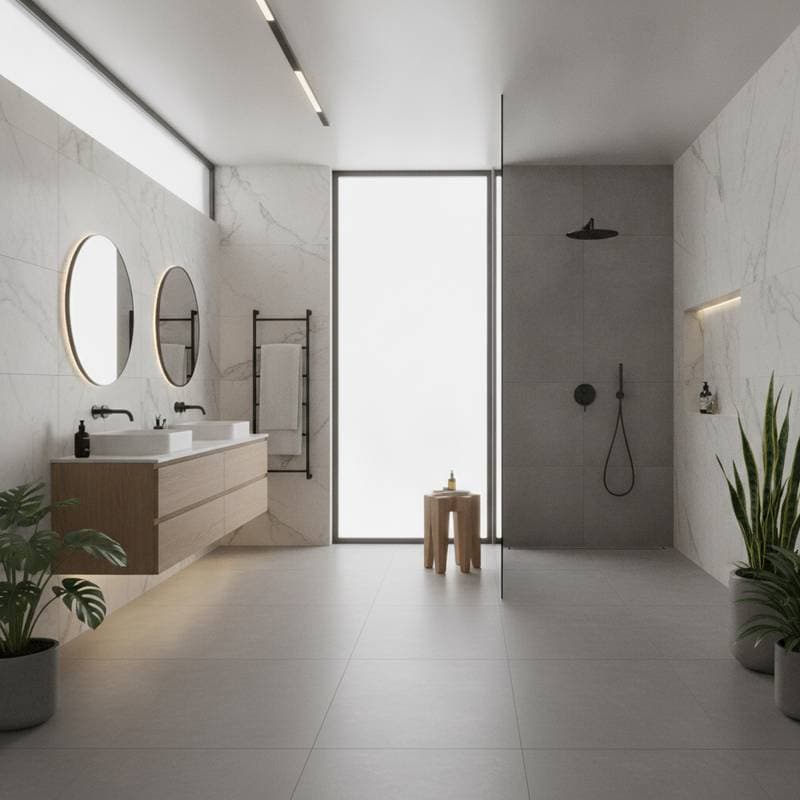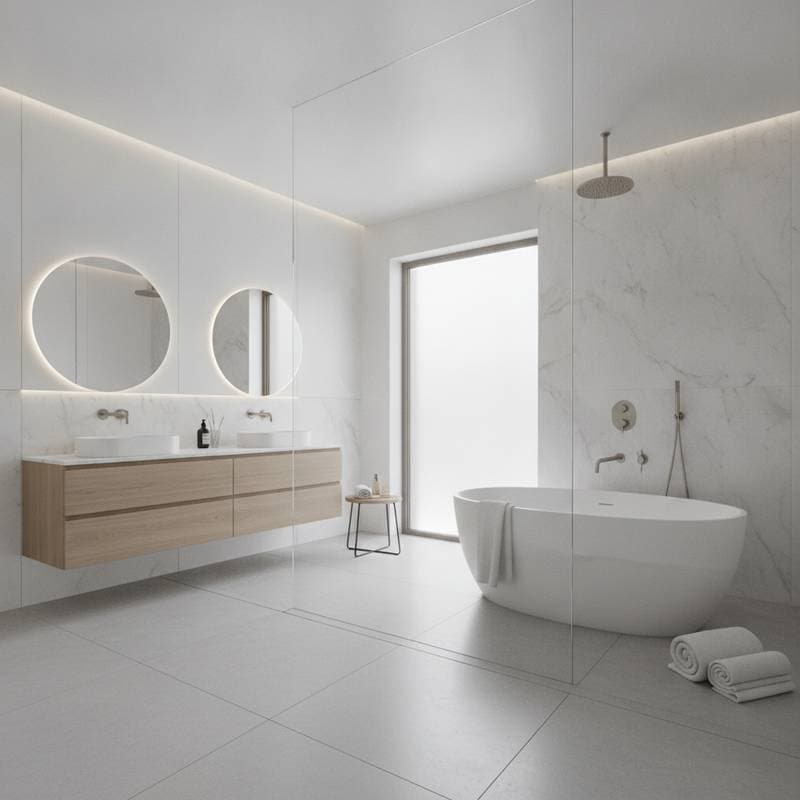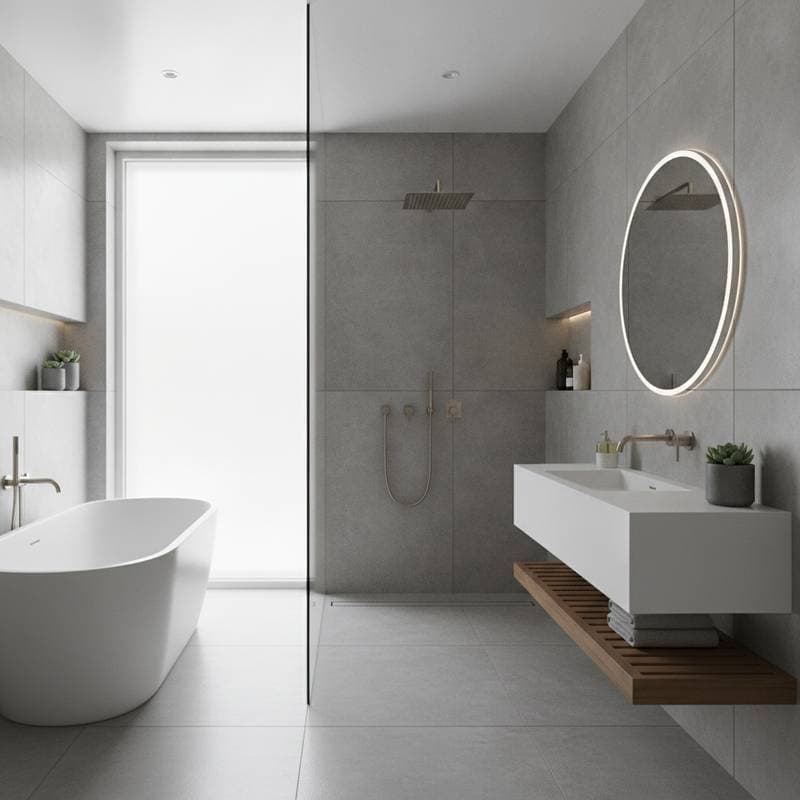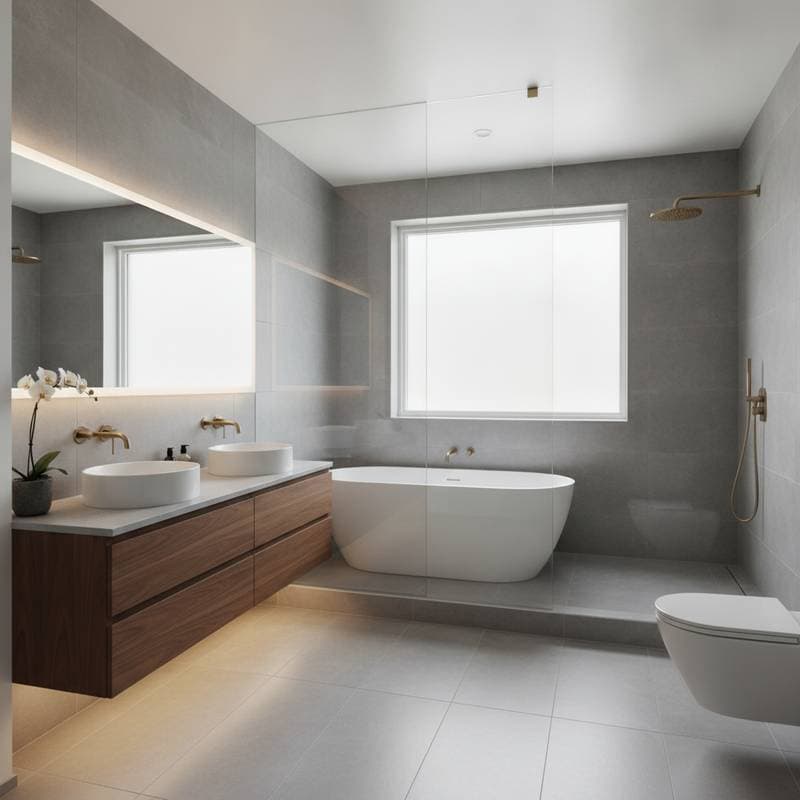

Installation Steps for a Wet Room
Creating a wet room requires precise preparation to ensure waterproofing and proper drainage. Professionals handle most projects, but understanding the process helps you plan effectively. Below is a complete step-by-step guide.
-
Demolish the existing tub area: Remove the tub, surrounding tiles, and fixtures carefully to avoid damaging the subfloor or walls. Dispose of debris responsibly and protect adjacent areas from dust.
-
Prepare the subfloor: Inspect for levelness and reinforce if needed, especially on wood frames. Clear any old adhesives or mortar to create a stable base.
-
Install the drain and plumbing: Position a linear or point drain according to local codes. Connect new piping if relocating lines, ensuring secure seals.
-
Create the floor slope: Apply a self-leveling compound or mortar bed to form a gentle slope toward the drain, typically 1/4 inch per foot. This directs water efficiently without visible pooling.
-
Apply waterproof membrane: Coat floors and lower walls with a liquid or sheet membrane. Overlap seams thoroughly and allow full curing time for a barrier against moisture.
-
Tile the floor: Begin tiling from the drain and radiate outward to maintain the slope. Select tiles with textured surfaces for safety.
-
Tile the walls: Apply waterproof adhesive and grout to walls up to the desired height. Use consistent patterns for a seamless appearance.
-
Seal edges and joints: Caulk corners, fixtures, and transitions with silicone sealant. This prevents water infiltration over time.
-
Install glass panel or screen: Secure a frameless panel to the wall with brackets, ensuring it aligns with the floor for containment without restricting access.
-
Test drainage: Flood the area with water and observe flow to the drain. Adjust as necessary before final grouting.
After installation, clean off any grout residue and apply additional sealant once everything dries completely. Expect the full process to take 5 to 10 days, depending on the bathroom size and complexity.
Practical Alternatives
A complete wet room conversion demands significant investment and expertise. If budget or timeline constraints apply, explore these scaled-back options that deliver similar benefits with less disruption.
-
Curbless shower kit: This prefabricated system includes a sloped pan and built-in drain. Installation costs range from $4,000 to $7,000, offering quick setup and reliable waterproofing.
-
Low-threshold shower base: Retain a minimal 1-inch lip to contain water while easing entry. This choice suits smaller spaces and costs $3,000 to $6,000.
-
Walk-in tub: Preserve soaking functionality with safer, low-step access. Prices start at $5,000, though it adds less resale appeal than open designs.
-
Glass-enclosed shower: Achieve an airy feel with enclosed panels over a traditional base. Budget $2,500 to $5,000 for a modern update without full room waterproofing.
These alternatives balance aesthetics, functionality, and expense, allowing customization to your needs.
Return on Investment and Resale Impact
Wet rooms attract buyers seeking contemporary, low-maintenance bathrooms. Industry reports indicate an average 11% increase in home value for mid-range to luxury properties after installation.
Factors Influencing Value
-
Waterproofing and craftsmanship quality: Flawless execution in membranes and tiling signals durability, justifying premium pricing.
-
Accessibility features: Seamless entry appeals to families across generations, broadening market appeal.
-
Timeless design elements: Opt for neutral colors, large-format tiles, and minimal hardware to suit diverse tastes.
Returns strengthen when replacing worn tubs or inefficient layouts. Avoid overly personalized features; standard finishes maximize buyer interest and recoup costs faster, often within 70 to 90% on resale.
Essential Safety Measures
Water management defines wet room safety. Prioritize materials and techniques that minimize risks from slips, electrical hazards, and structural issues.
Critical Precautions
-
Select floor tiles with a slip resistance rating of at least 0.42 per ANSI A137.1 standards to reduce fall risks.
-
Incorporate a ventilation fan equipped with humidity sensors to control moisture and prevent mold growth.
-
Position electrical outlets no closer than 3 feet to wet zones, and equip all with ground-fault circuit interrupter (GFCI) devices.
-
Confirm subfloor integrity can bear added weight from tiling and slopes without sagging.
-
Adhere to local codes for drain sizing, venting, and pipe materials to ensure long-term reliability.
For enhanced accessibility, install grab bars directly into wall studs, providing firm support without compromising aesthetics.
Frequently Asked Questions
How does the cost of a wet room compare to a standard shower remodel?
Wet rooms typically range from $9,000 to $18,000, accounting for advanced waterproofing, custom slopes, and specialized drainage. Standard shower updates cost $6,000 to $12,000 but lack the open, versatile layout.
Is installation possible on a wood subfloor?
Yes, provided the floor receives reinforcement and sealing treatments. Engage a contractor to test for movement before proceeding with drains or tiling.
Does a wet room make the bathroom feel colder?
Open designs can amplify chill, particularly in cooler climates. Counter this with radiant floor heating systems or warmed towel racks for added comfort.
Do permits apply to wet room projects?
Permits become necessary when altering plumbing, electrical, or structural elements. Contact your local building authority early to avoid delays.
Which tiles suit wet rooms best?
Porcelain varieties excel in durability and water resistance. Mosaic formats aid grip and slope conformity on floors, whereas large slabs deliver a sophisticated wall finish.
Planning Your Wet Room Project
Transforming a bathroom into a wet room enhances daily use and elevates property worth. Begin with a layout assessment and subfloor evaluation to identify feasibility.
Solicit bids from three or more certified contractors experienced in waterproof systems and tiling. Review their portfolios, warranty details, and adherence to codes. For hesitation on full commitment, pilot a curbless shower to sample the style affordably.
Address ventilation needs and material choices based on your regional climate. A thoughtfully executed wet room delivers enduring accessibility, style, and financial benefits for personal enjoyment or future sale.