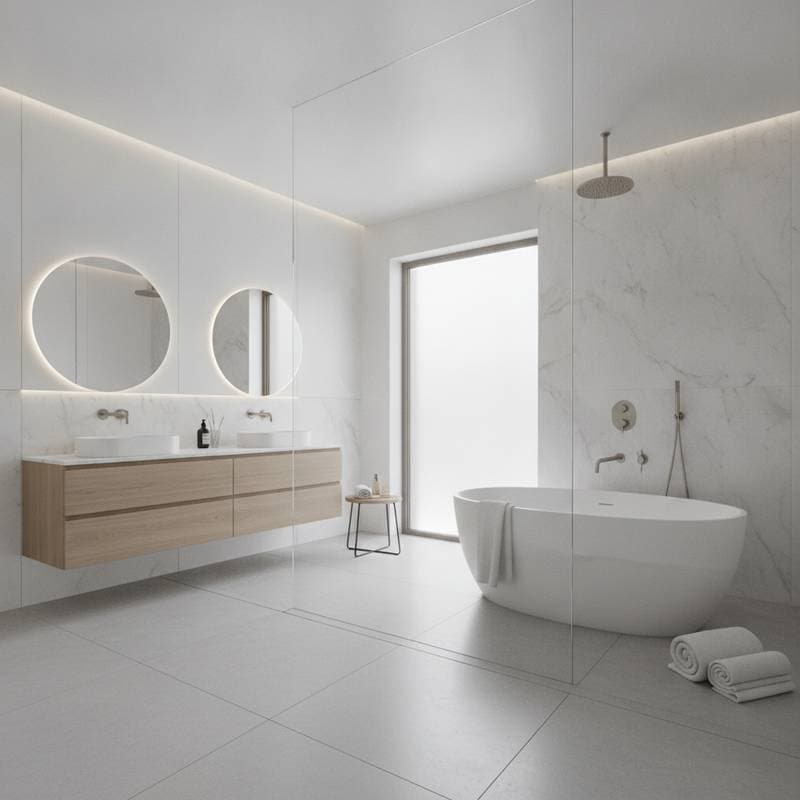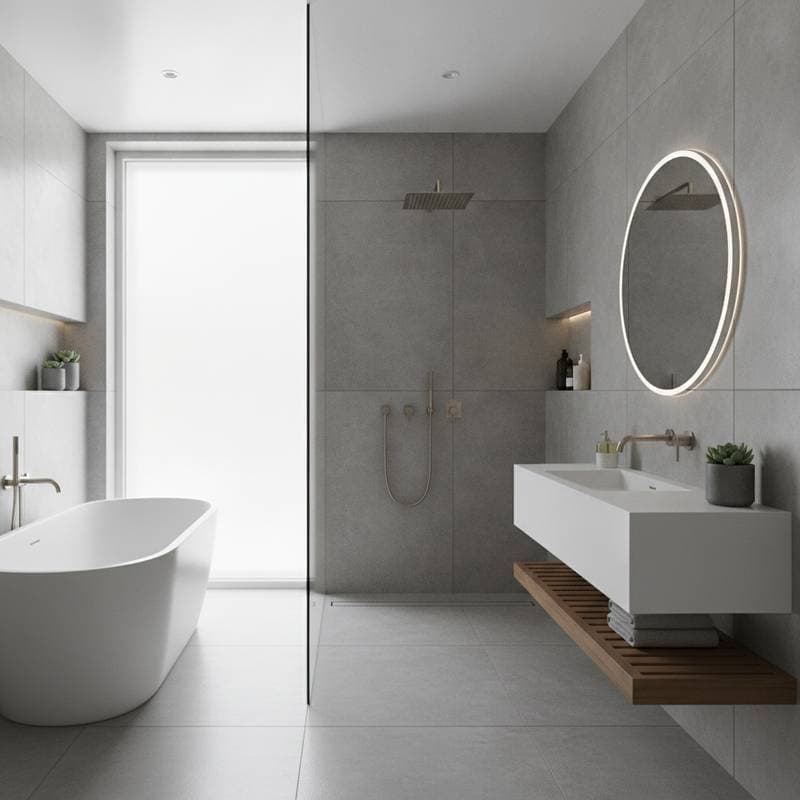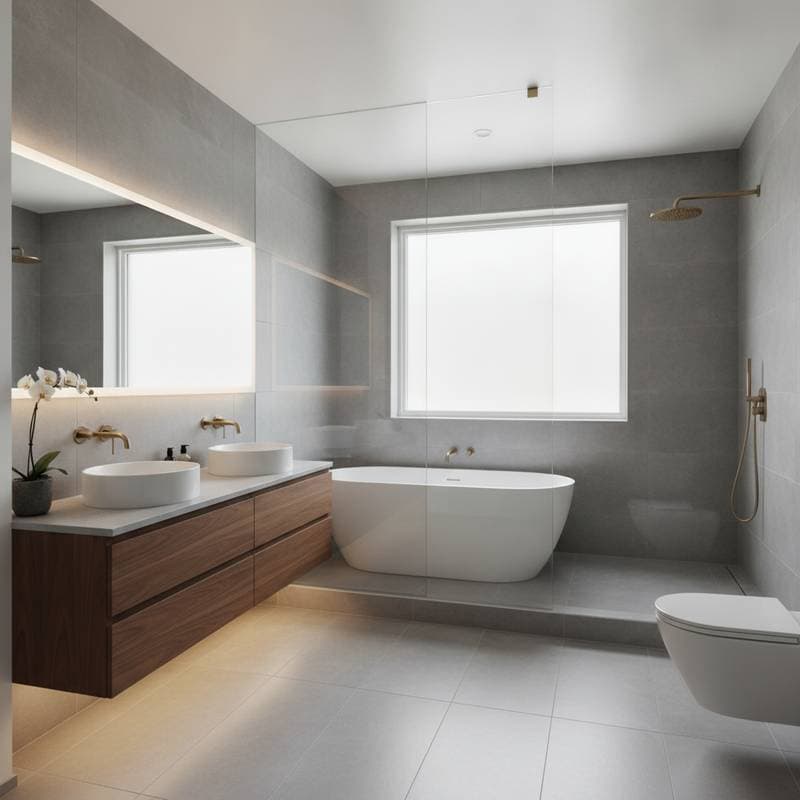
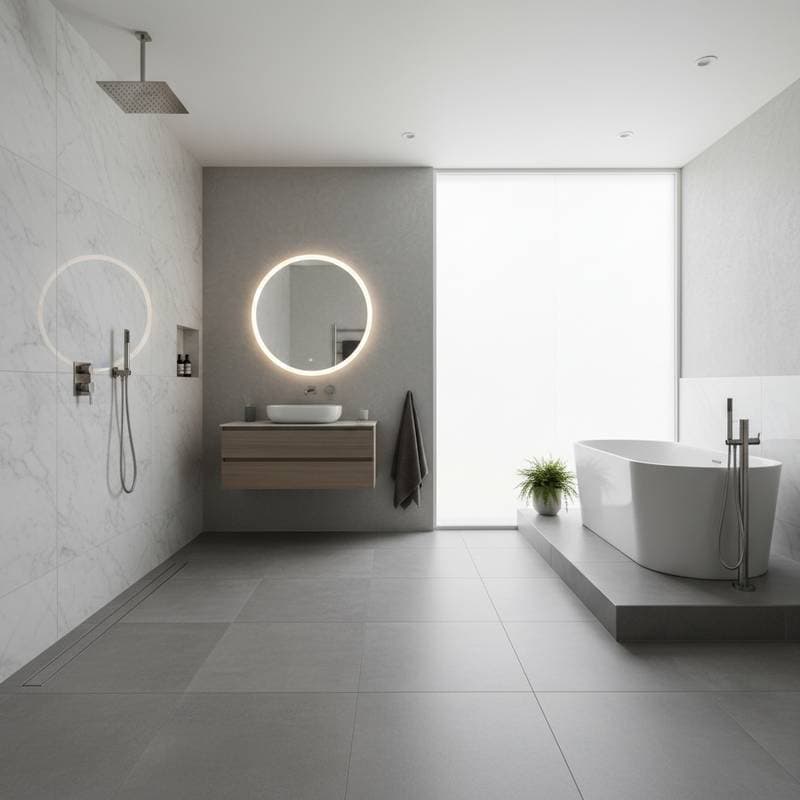
How Wet Rooms Enhance Home Value by 11% by 2026
Homeowners who incorporate wet rooms into their bathrooms often see a significant uplift in property value, projected at approximately 11% by 2026. This increase stems from the appeal of their streamlined, open aesthetics, simplified cleaning routines, and inclusive design elements. In competitive real estate markets, these features position a property as forward-thinking and desirable.
Wet rooms eliminate traditional barriers such as shower curbs, thereby expanding perceived space and accommodating diverse user needs. They integrate effortlessly into both high-end renovations and compact layouts. Achieving this value boost requires meticulous attention to waterproofing, aesthetic choices, and structural integrity, ensuring the upgrade delivers lasting benefits.
Key Reasons Homebuyers Seek Wet Rooms
Buyers increasingly prioritize bathrooms that balance form and function for all household members. Wet rooms fulfill this demand through their versatile, hazard-free construction and elegant presentation. The following factors explain their premium pricing:
- Universal Accessibility: Absence of steps or thresholds accommodates varying mobility levels, from young families to aging residents.
- Effortless Maintenance: Smooth surfaces without grout seams or enclosures reduce cleaning time and prevent grime buildup.
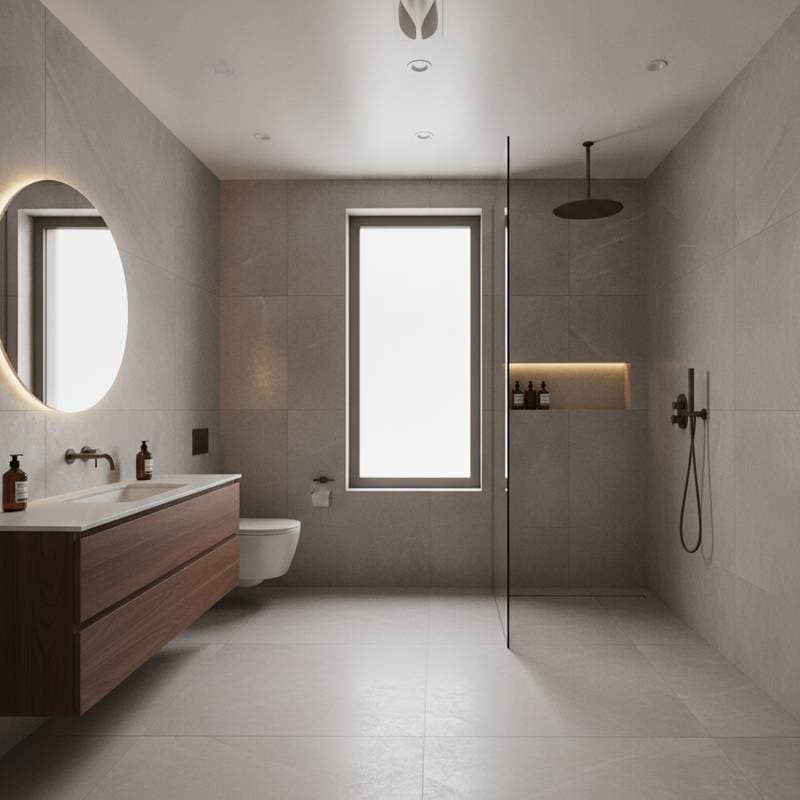
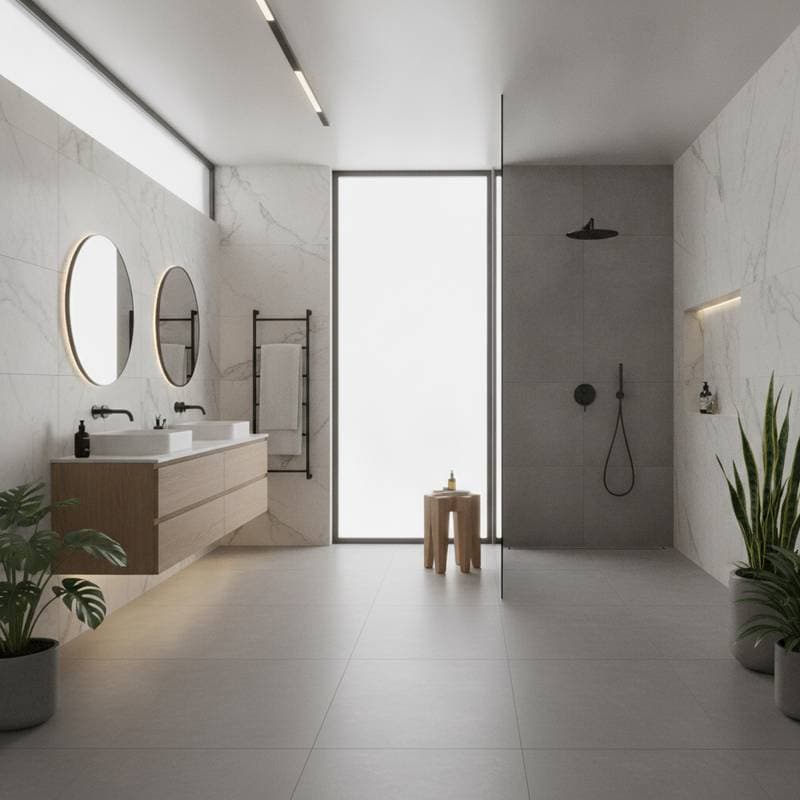
- Contemporary Aesthetics: Minimalist lines, expansive flooring, and premium materials evoke a sophisticated, spa-inspired ambiance.
- Optimized Space Utilization: Ideal for compact areas where conventional tubs or showers prove impractical.
- Premium Ambiance: The fluid layout fosters a sense of luxury, signaling thoughtful design to potential purchasers.
This combination of practicality and elegance elevates wet rooms in both contemporary constructions and existing home updates, broadening their market draw.
Detailed Cost Analysis
Installation expenses fluctuate based on geographic location, selected materials, and room dimensions. The table presents average national estimates to guide budgeting.
| Component | Estimated Cost Range | Influencing Factors |
|---|---|---|
| Waterproofing and Tanking | $800 to $1,800 | Room size, membrane quality, regional labor costs |
| Tiling and Layout | $1,500 to $4,000 | Material grade, pattern intricacy, surface preparation |
| Drainage and Plumbing Adjustments | $600 to $1,200 | Drain configuration, extent of pipe modifications |
| Fixtures and Surface Finishes | $1,000 to $3,500 | Manufacturer reputation, stylistic elements, add-ons |
| Skilled Labor | $2,000 to $5,000 | Hourly rates, expertise required, permitting fees |
Overall Average Investment: $6,000 to $15,000
High-End Options: Projects exceeding $20,000 incorporate natural stone surfaces or bespoke glass partitions.
These figures account for standard implementations; custom specifications may adjust totals accordingly.
Evaluating DIY Installation Against Professional Services
Consider DIY for Projects Where:
- Prior experience includes precise tiling and application of waterproof barriers.
- The space features a stable concrete base with straightforward drain connectivity.
Opt for Professional Expertise When:
- The subfloor involves timber framing or irregular surfaces demanding reinforcement.
- Extensive plumbing reconfiguration or comprehensive redesign is necessary.
- Documentation for warranties, regulatory adherence, and future sales is essential.
Professionals guarantee proper gradient formation for drainage and robust sealing against moisture intrusion. Leaks frequently arise from inadequate waterproofing, underscoring the importance of certified execution.
Essential Safety and Regulatory Considerations
Wet rooms manage substantial water volumes, rendering effective waterproofing paramount to avoid extensive damage. Consult local ordinances before commencing work. Certain jurisdictions mandate certified plumbers for drainage integrations or approvals for floor alterations.
Select flooring with slip resistance rated at R10 or higher to minimize fall risks. Install Ground Fault Circuit Interrupter outlets in proximity to water sources for electrical protection.
In cooler regions, integrate radiant floor heating to maintain comfortable temperatures and curb moisture condensation. For humid environments, equip the area with high-capacity ventilation systems to inhibit mold proliferation.
The Tangible Value Wet Rooms Provide
Prospective buyers associate wet rooms with innovative design and user-friendly living. The unobstructed layout amplifies room dimensions visually, while the accessible configuration supports long-term residency preferences. Industry professionals note that refreshed bathrooms, particularly wet rooms, correlate with elevated bids and quicker transactions.
Strategic investments in durable waterproof layers, tasteful tiling, and transparent enclosures yield reliable returns. Even modest spaces gain from enhanced luminosity and spatial illusion, captivating viewers during tours.
Pitfalls to Sidestep in Wet Room Projects
- Neglecting Waterproof Integrity Checks: Conduct thorough flood testing prior to final surfacing.
- Inadequate Gradient Planning: Ensure consistent slopes direct water toward drains without stagnation.
- Inappropriate Surface Selections: Avoid polished finishes that compromise traction when wet.
- Overlooking Air Circulation: Insufficient exhaust promotes dampness and microbial growth.
- Amateur Piping Adjustments: Incorrect drain positioning disrupts efficient water evacuation.
Implementing these precautions during construction averts substantial corrective expenses.
Expert Recommendations for Optimal Results
Maintain uniform flooring extending from the shower zone to adjacent areas for visual continuity. Incorporate fixed, edge-less glass screens over enclosed booths to preserve openness. Select understated hardware to reinforce the airy composition.
For enhanced usability, consider embedding hydronic heating systems or recessed illumination within wall recesses. When preparing for sale, capture high-quality images highlighting brightness, pristine surfaces, and inclusive attributes that simplify daily routines.
Frequently Asked Questions
Do wet rooms require specialized drainage solutions?
Yes, they incorporate shallow linear or central drains engineered for level flooring integration.
Can water infiltration affect surrounding areas?
Not if comprehensive waterproofing covers all seams and transitions effectively.
Steps to Implement Your Wet Room Upgrade
Begin by assessing your bathroom's structural suitability and consulting certified contractors for feasibility. Prioritize quality materials that align with your aesthetic vision while adhering to safety standards. Track the project's progress to ensure compliance, culminating in a feature that not only beautifies your home but also secures a strong financial return upon resale.