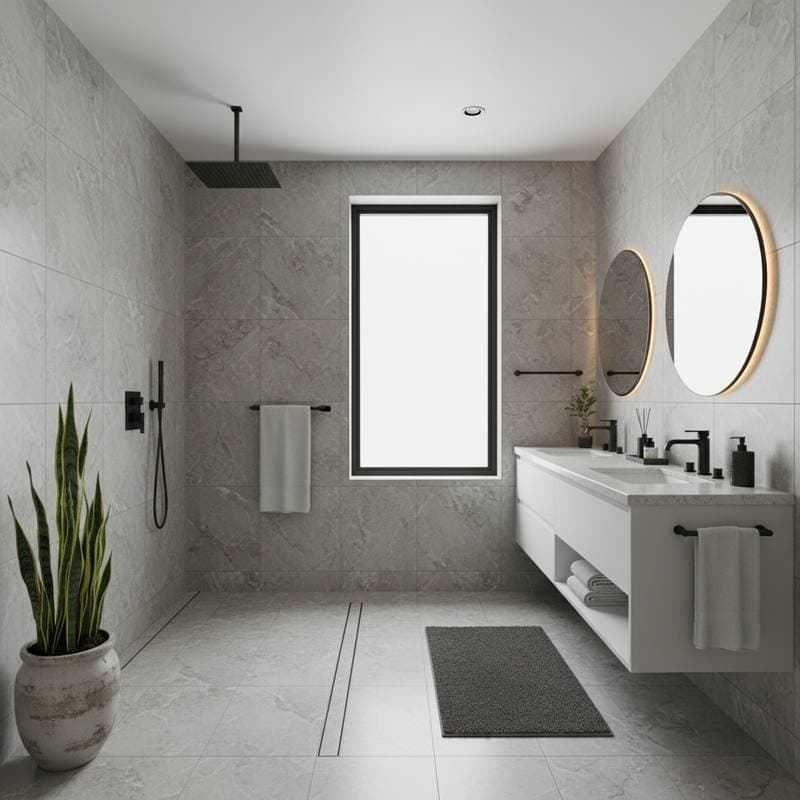
Wet Rooms: The 2026 Trend for Enhancing Bathroom Value by 11%
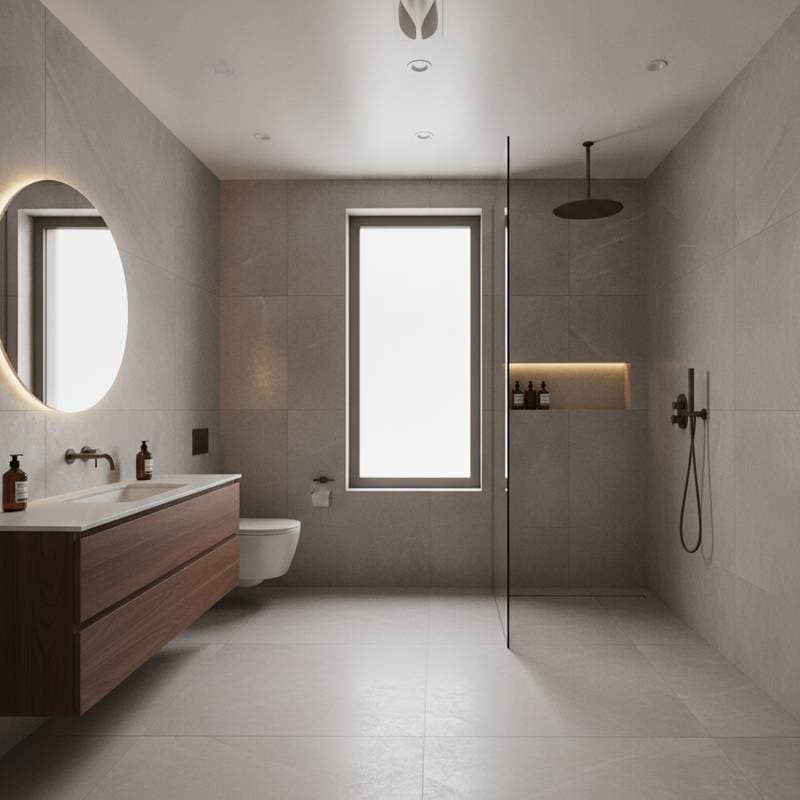
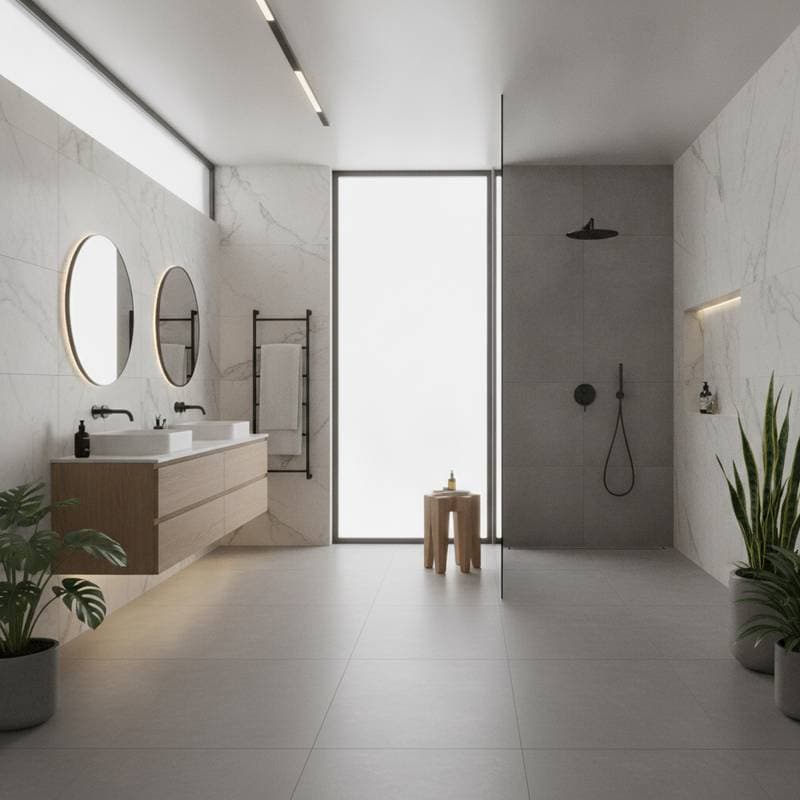
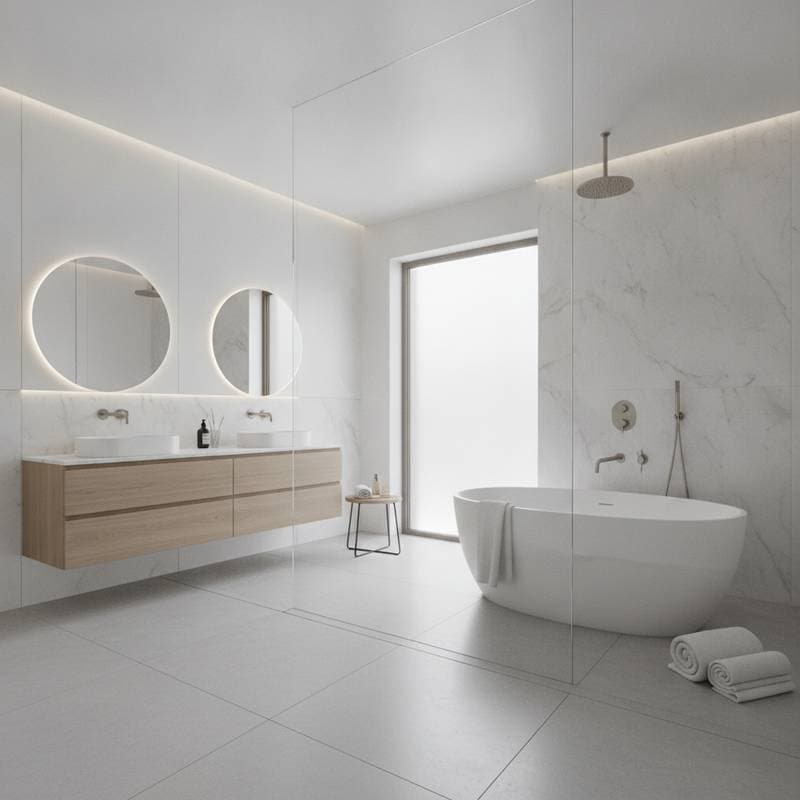
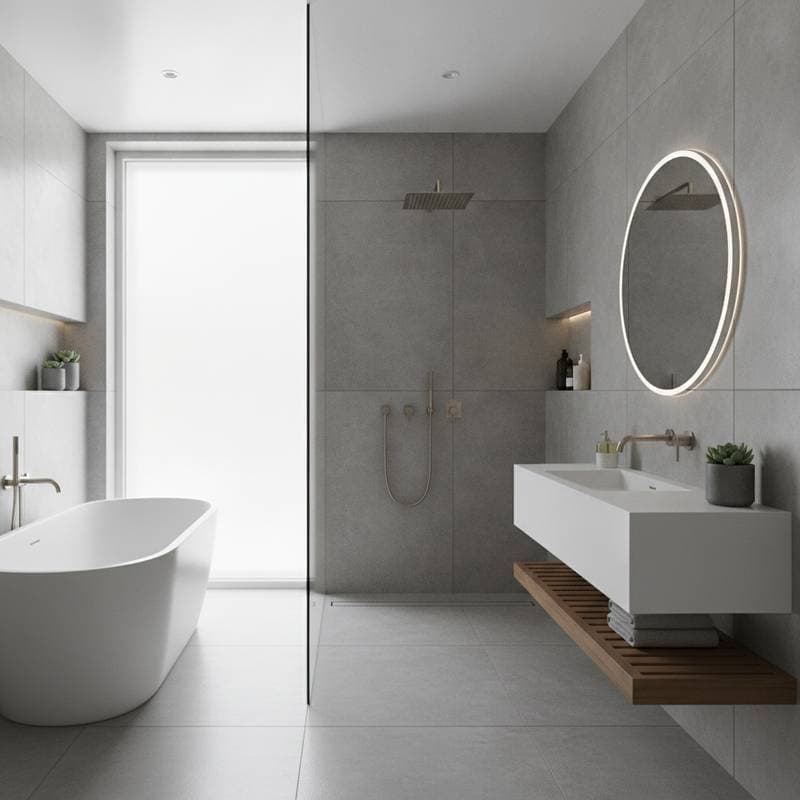
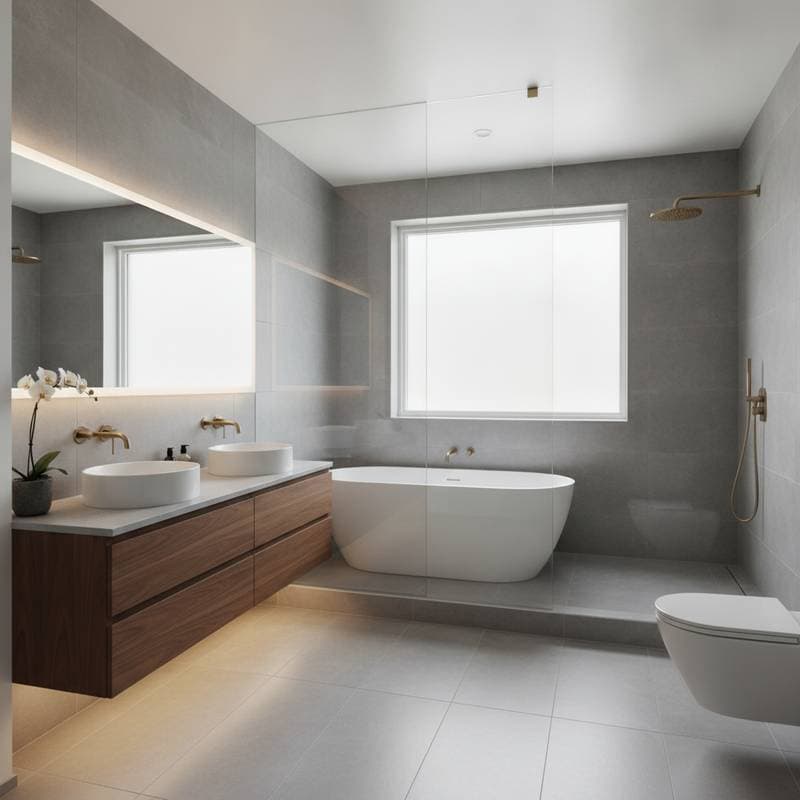
A thoughtfully designed wet room represents a smart investment in home improvement. This open-concept shower area eliminates traditional barriers like shower curtains or doors, creating a seamless and luxurious bathing experience. Property experts project that such upgrades will add approximately 11 percent to bathroom valuation by 2026, driven by growing demand for modern, spa-like features in residential spaces.
The appeal lies in both aesthetics and functionality. Wet rooms offer spaciousness and accessibility, making them ideal for aging-in-place designs or high-end renovations. With proper planning, homeowners can realize significant returns on investment while enjoying daily comfort.
Key Insight: Expect installation costs to range from $14,000 to $28,000, influenced by room size, material selections, and drainage complexity. These figures account for professional labor, which ensures compliance and longevity.
Understanding Cost Factors
Budgeting for a wet room requires careful consideration of multiple elements. Each component contributes to the overall expense, but strategic choices can optimize value without compromising quality.
Materials
Tile and stone options form the foundation of the design. Porcelain tiles, known for durability and water resistance, typically cost $4 to $9 per square foot. Natural stone alternatives, offering a premium texture, range from $15 to $25 per square foot.
Waterproof membranes provide essential protection against moisture. A complete system, including sealants and backer boards, averages $3 to $6 per square foot. These layers prevent leaks and extend the lifespan of the installation.
Glass panels define the space elegantly. Frameless varieties, prized for their minimalist look, cost $900 to $2,000 per panel, varying by thickness and dimensions.
Labor
Professional expertise drives a substantial portion of expenses. Labor often comprises 45 to 55 percent of the total budget, particularly for intricate tasks like waterproofing and floor sloping.
Specialized work, such as installing mosaics or large-format tiles, extends project timelines and increases material waste. This can elevate costs by $1,500 to $3,000 on average, underscoring the importance of experienced contractors.
Size and Layout
Standard dimensions guide planning. A 5x8-foot wet room suits compact bathrooms, while a 6x10-foot configuration accommodates additional fixtures or accessibility features.
Modifications like relocating drains or walls add complexity. Such adjustments typically incur an extra $2,000 or more, depending on structural demands.
Access and Plumbing
Location impacts feasibility and price. Second-floor installations require subfloor reinforcement and plumbing rerouting, adding $1,200 to $2,500 to the estimate.
Ground-level concrete slabs demand precise drain integration. Cutting or channeling for proper flow often costs $800 to $1,500 beyond standard preparations.
Permits and Compliance
Regulatory adherence is non-negotiable. Plumbing and waterproofing permits average $200 to $600 across most municipalities.
Enhancements to ventilation or electrical systems necessitate additional inspections. Factor in these steps to avoid delays or fines.
Disposal and Preparation
Initial demolition sets the stage for success. Removing old fixtures and debris in a small bathroom generally costs $400 to $700.
Unexpected issues, such as mold or water damage, can inflate preparation expenses by 20 percent or higher. Early assessments mitigate these risks.
DIY Versus Professional Installation
Deciding between self-directed efforts and expert involvement hinges on project scope and personal capabilities. While minor tasks offer savings, core elements demand professional precision.
Suitable DIY Tasks
Certain updates fall within reach for handy homeowners. Repairing tiles or resealing joints requires basic tools and follows straightforward guidelines.
Installing accessories like towel bars, mirrors, or LED lighting strips proves manageable with standard hardware. These additions enhance functionality without structural changes.
Painting walls or performing touch-ups benefits from moisture-resistant products. Ensure adequate ventilation during application to maintain air quality.
Essential Professional Services
Waterproofing stands as a critical area for experts. Errors lead to leaks, warranty invalidation, and subfloor deterioration.
Drain sloping requires exactitude, with floors pitched at 1/4 inch per foot for effective water flow. Professionals guarantee this standard.
Electrical components, including heating mats, must comply with local codes. Licensed installers handle these safely.
Structural alterations, such as wall shifts or plumbing relocations, invite inspections. Pros navigate these requirements seamlessly.
Risk Assessment: Full DIY projects carry high risks, including mold growth from improper sealing or sloping. Required Skills: Advanced proficiency in tiling, plumbing, and waterproofing techniques. Essential Tools: Wet saw, laser level, membrane roller, and mixing equipment for mortar and adhesives.
Recommendation: Limit DIY to minor repairs; engage professionals for comprehensive builds involving drains or waterproofing.
Maintenance and Warranty Essentials
Sustaining a wet room's performance involves consistent care. Proactive habits preserve appearance and prevent costly repairs.
Daily and Routine Upkeep
Squeegee glass and tiles after each use to minimize mineral deposits. This simple step reduces cleaning frequency.
Weekly floor cleaning with pH-neutral solutions maintains hygiene. Steer clear of bleach or acids, which can etch surfaces.
Seasonal inspections of grout and drains allow early intervention. Reseal tiles every two to three years to protect against wear.
Warranty Details
Many tile and membrane products offer 10-year warranties when installed by certified professionals. Heated floors and linear drains feature distinct coverage terms.
Retain all receipts and registration documents. These prove compliance during claims.
Prolonging Durability
Control humidity with a vent fan sized at 80 to 110 CFM, matched to room volume. This prevents condensation buildup.
Monitor and replace silicone joints at signs of cracking or fading. Prompt action averts water intrusion.
Address soft spots or lingering moisture swiftly. Consult a licensed contractor to diagnose and resolve underlying problems.
Safety Measures and Code Compliance
Prioritizing safety during installation and use safeguards health and property. Adhering to standards minimizes accidents and liabilities.
Protective Equipment
Wear non-slip footwear to navigate wet surfaces securely. Use eye protection and gloves when cutting tiles.
Employ a respirator mask for mixing thinset or grout, avoiding inhalation of dust particles.
Precautionary Checks
Disconnect power sources before working near electrical outlets or fixtures. This eliminates shock hazards.
Isolate water supply at the main valve prior to plumbing tasks. Verify shutoff effectiveness.
Conduct flood tests on membranes before tiling. These confirm leak-proof integrity.
Regulatory Standards
Ensure floor slopes align with local drainage codes for optimal runoff. Non-compliance invites water pooling.
Incorporate ground-fault protection for electrical heating mats. This feature enhances user safety.
Direct ventilation fans to exterior outlets, bypassing attics or ceilings. Proper exhaust maintains indoor air quality.
Incorporate grab bars and anti-slip tiles for accessible designs. These elements meet inclusivity requirements.
Secure licensed plumbers and electricians for required inspections. Omitting permits may lead to expensive resale corrections.
Design Levels: Good, Better, Best
Selecting finishes and features tailors the wet room to lifestyle and budget. Each tier balances cost, convenience, and luxury.
| Level | Surface Finish | Drain Type | Heating | Maintenance |
|---|---|---|---|---|
| Good | Porcelain tile | Center drain | None | Basic reseal every 2 years |
| Better | Large-format porcelain | Linear drain | Optional mat | Reseal every 3 years |
| Best | Stone or microcement | Hidden slot drain | Full underfloor heating | Reseal every 4 years |
Advancing from good to better adds $3,000 to $4,000, streamlining cleaning and elevating comfort. The best level amplifies resale value in upscale markets, appealing to discerning buyers.
Long-Term Advantages
Wet rooms deliver enduring benefits beyond initial costs. Enhanced property value stems from their alignment with contemporary preferences for open, efficient spaces.
Accessibility improves daily living, supporting universal design principles that accommodate varied mobility needs. This foresight appeals to future buyers, potentially shortening sale times.
Energy efficiency arises from integrated heating options, reducing reliance on separate systems. Durable materials withstand heavy use, lowering replacement frequencies over decades.
Overall, these installations foster a sense of luxury while promoting sustainability. Homeowners report higher satisfaction and easier upkeep, translating to tangible financial gains at resale.
Steps to Plan Your Wet Room Upgrade
Embark on this project with structured preparation. These actions ensure a smooth process and optimal results.
- Evaluate your current bathroom. Measure dimensions and note plumbing positions to inform design feasibility.
- Establish a budget. Allocate at least 10 percent for unforeseen challenges like hidden damage.
- Consult licensed professionals. Inquire about their waterproofing expertise, past projects, and warranty offerings.
- Choose materials upfront. Finalize tiles, drains, and glass selections to prevent on-site delays.
- Integrate ventilation improvements. Verify fan specifications and duct paths for effective moisture control.
- Time the construction. Schedule for spring or fall seasons to manage humidity levels optimally.
- Document warranties and upkeep. Perform regular resealing and retain records to support future value claims.