Mudroom EV Charging: Unlocking $1,500 in Added Home Value for 2025
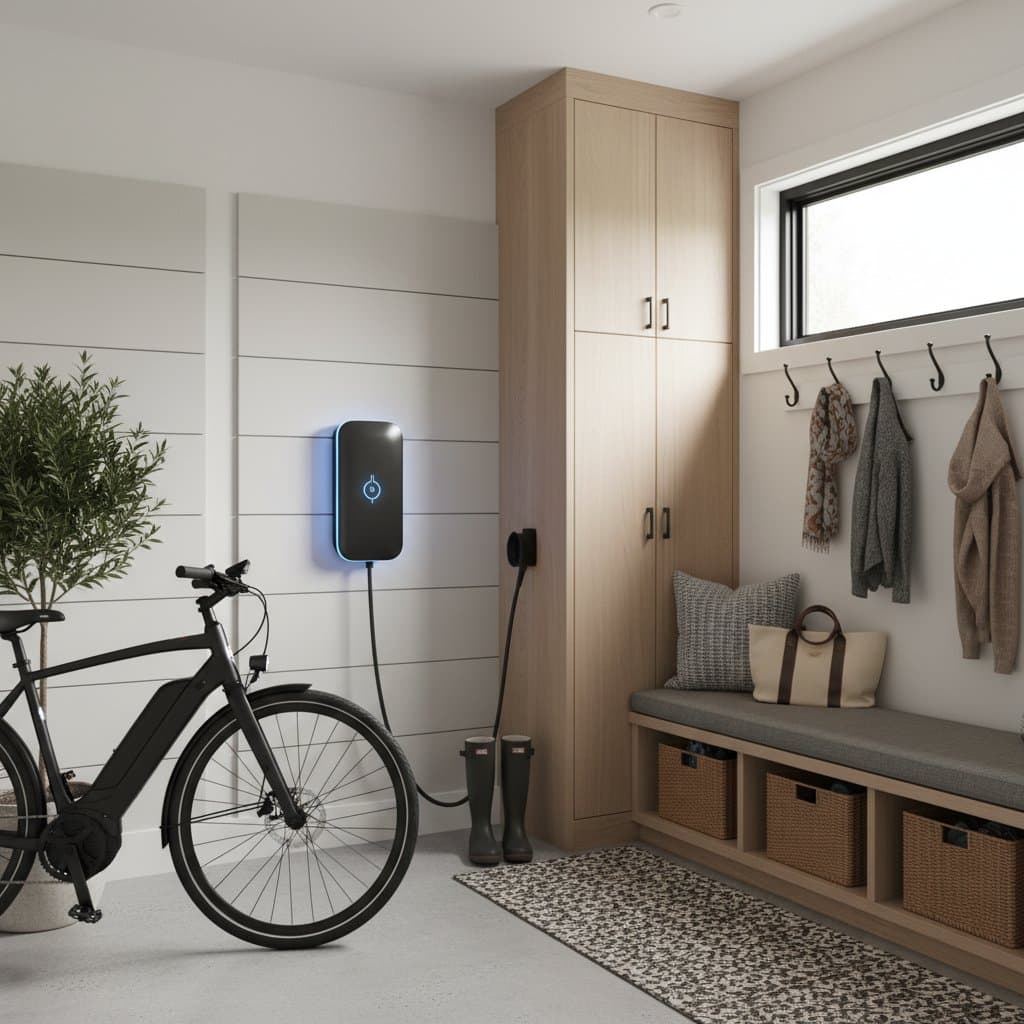
Mudroom EV charging integrates vehicle power needs seamlessly into the entryway area. Homeowners benefit from a tidy space that serves as both a drop zone and a charging point. This enhancement proves particularly valuable during renovations, expansions, or new constructions, where electrical planning aligns with spatial design.
The appeal lies in its practicality for daily life. Electric vehicle adoption continues to rise, and built-in charging options signal forward-thinking home features. Buyers in 2025 prioritize such conveniences, often translating to measurable increases in property appeal and resale price.
Breaking Down Installation Costs
Expect to invest between $1,000 and $3,500 for a mudroom EV charger setup. The average falls within $1,500 to $2,800 for a reliable Level 2 unit, which provides efficient charging speeds. Expenses climb beyond $4,000 when factors like extended wiring distances, premium materials, or additional ports come into play.
Several elements influence the final price tag. Proximity to the main electrical panel affects wiring length and labor. Charger specifications, including amperage and model, determine equipment costs. Mudroom surfaces, such as tile or wood paneling, may require specialized mounting. Regional labor variations and necessary permits or panel upgrades further shape the budget.
To manage costs effectively, obtain multiple quotes from certified electricians. Factor in long-term savings from reduced reliance on public stations. This strategic addition not only charges vehicles but also positions the home as energy-efficient.
Weighing the Advantages and Drawbacks
Key Advantages
- Enhances property value by accommodating growing EV ownership trends.
- Conceals charging equipment, maintaining a clutter-free entryway.
- Maximizes utility in transitional spaces without major redesigns.
- Integrates easily with broader garage electrical improvements.
- Promotes consistent charging routines for better battery health.
Potential Challenges
- Requires adequate airflow, especially adjacent to interior walls, to prevent overheating.
- Might necessitate electrical panel expansions for sufficient capacity.
- Space constraints in compact mudrooms can limit optimal positioning.
- Exposure to dirt and dampness demands robust protective measures.
Balancing these factors ensures the setup aligns with household needs. Professional assessment early in the process mitigates drawbacks while amplifying benefits.
Selecting the Right Charger Type
Level 1 Charger
This option relies on a standard 120-volt household outlet. Charging occurs at a modest pace, making it suitable for plug-in hybrids or vehicles with minimal daily mileage. Installation remains straightforward, often leveraging existing outlets.
Level 2 Charger
Operating at 240 volts, this charger delivers significantly faster rates, ideal for full electric vehicles. Position it on a dedicated mudroom wall or adjacent garage surface for optimal access. Most models support overnight charging to full capacity.
Smart Charger
These units connect via Wi-Fi, enabling app-based scheduling and usage monitoring. They optimize charging during off-peak hours, which proves advantageous in areas with time-of-use electricity rates. Integration with home automation systems adds further control.
Outdoor-Rated Charger
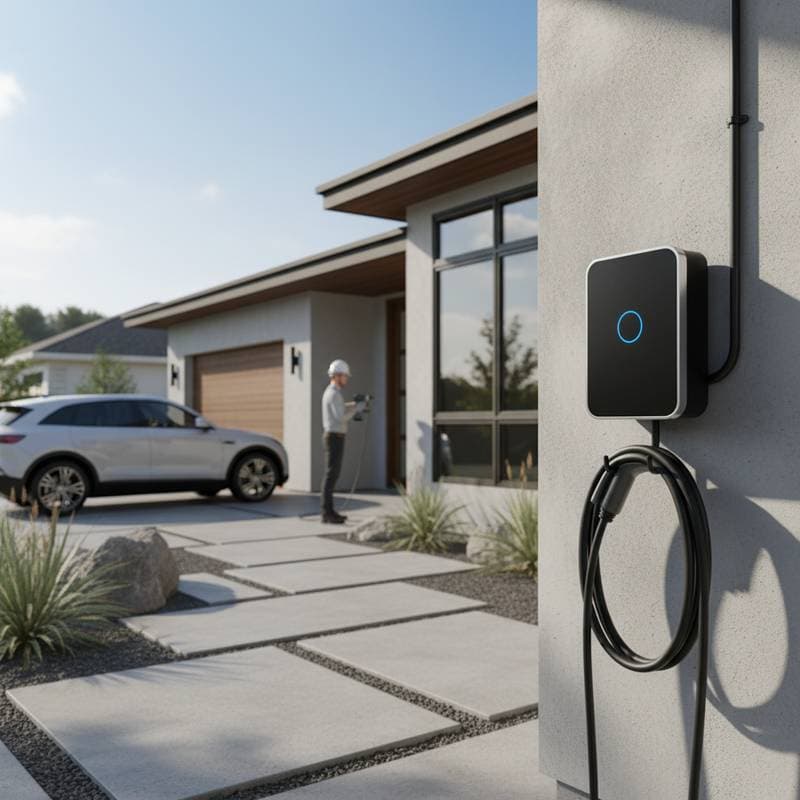
If the mudroom borders an exterior driveway, select a weather-resistant model. This choice protects against elements while routing wiring indoors for safety. It suits homes where direct garage access proves impractical.
Choose based on vehicle requirements, budget, and space. Consult manufacturer guidelines to match charger capabilities with specific EV models.
DIY Installation or Professional Service?
For a simple Level 1 setup using an existing circuit, capable homeowners might handle the task themselves. However, Level 2 systems demand the expertise of a licensed electrician to ensure compliance and safety. The process typically spans 2 to 6 hours, varying with wiring demands.
Essential tools include a voltage tester for safety checks, a stud finder for secure mounting, and a conduit bender for neat cable routing. Risks such as circuit overloads, building code infractions, or fire dangers underscore the value of professional involvement. Engage experts for any new circuit installations, panel modifications, or permitting needs.
Prioritize safety certifications and insurance when selecting a contractor. A well-executed installation avoids costly corrections and provides peace of mind.
Essential Installation Steps
- Evaluate the electrical panel's available capacity to support the new load.
- Select the appropriate charger and pinpoint the ideal mudroom location.
- Securely mount the charger unit or outlet enclosure to the wall.
- Route protective conduit from the panel directly to the installation site.
- Add a dedicated breaker sized correctly for the charger's requirements.
- Attach and insulate wiring connections, then verify voltage levels.
- Organize cable management and allocate storage for accessories.
- Perform a full test with the connected vehicle to confirm operation.
- Remove all debris, label the circuit clearly, and schedule any inspections.
Follow these steps methodically to achieve a reliable outcome. Document the process for future reference or resale disclosures.
Ongoing Maintenance and Durability
Perform monthly inspections of cords and outlets to remove dust and check for wear. Address any signs of moisture ingress or corrosion promptly to prevent failures. Replace damaged components immediately to maintain functionality.
Quality chargers endure 8 to 10 years under normal conditions, backed by warranties of 3 to 5 years. Ensure vents remain unobstructed and circuits stay below capacity limits. Adhere to local regulations regarding ground-fault circuit interrupter (GFCI) protections for added safety.
Routine care extends lifespan and efficiency. Integrate checks into seasonal home maintenance schedules for consistency.
Viable Alternatives to Mudroom Charging
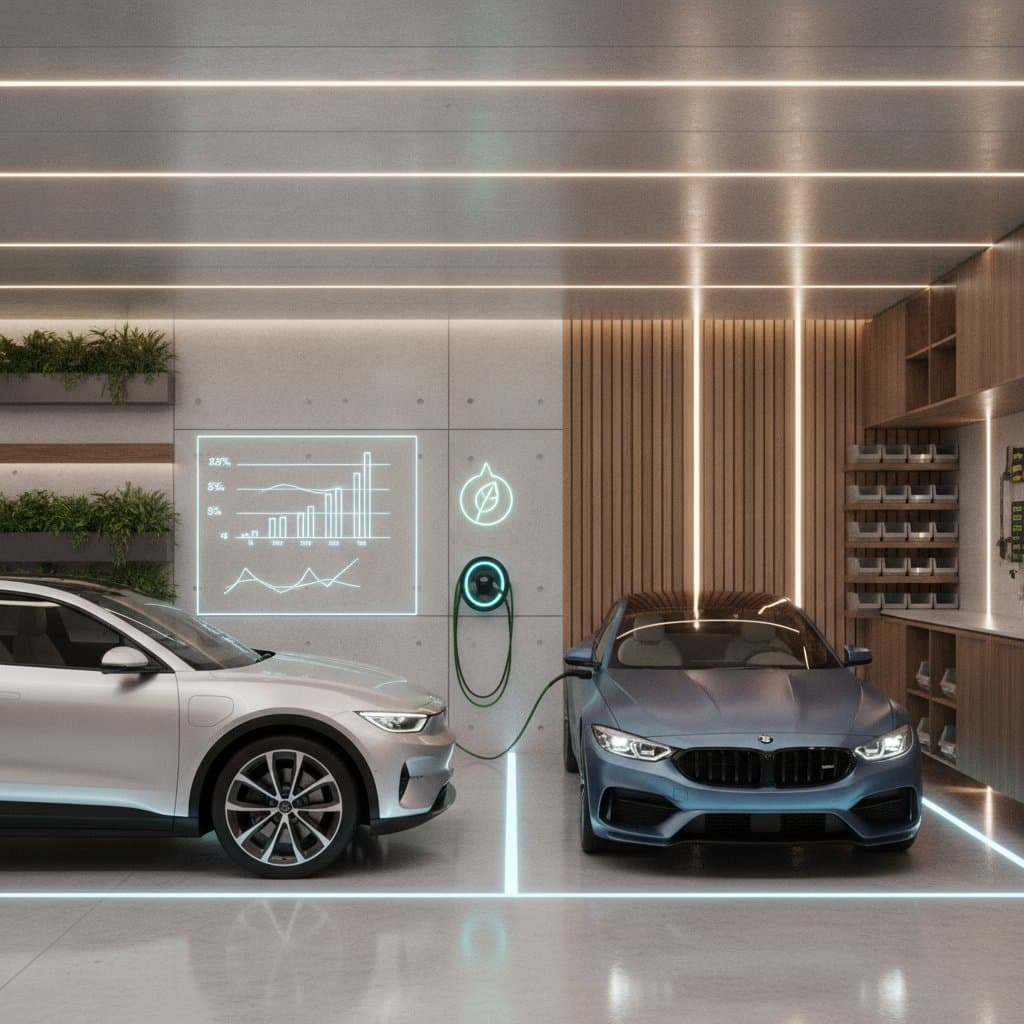
- Garage Charging Station: Simplifies wiring due to proximity but separates it from entry routines.
- Outdoor Pedestal Unit: Suits driveway access, requiring durable, weather-sealed installations.
- Utility Room Setup: Isolates electrical work for safety, though it reduces daily convenience.
- Portable Charging Solution: Offers flexibility across locations but charges slower and invites clutter.
Each alternative carries trade-offs in convenience and integration. Assess based on home layout and usage patterns.
Considering Regional and Environmental Influences
In colder regions, incorporate insulated barriers and sealed pathways to combat condensation risks. Coastal areas benefit from materials resistant to salt corrosion for longevity. Urban settings often impose stricter permitting for circuits exceeding 240 volts, alongside higher labor expenses of 20 to 30 percent.
Always review local building codes and electrical standards prior to starting. Consult municipal offices for inspection timelines. These preparations ensure compliance and avoid delays.
Calculating Return on Investment and Resale Impact
Properties equipped with integrated EV charging command premium prices and quicker sales. Pairing this with a polished mudroom underscores modern, sustainable living. Expect to recoup 50 to 70 percent of installation costs through enhanced market value, influenced by regional EV demand and upgrade quality.
Market data from 2025 highlights this trend among eco-aware buyers. The feature differentiates listings in competitive areas. Long-term, it reduces utility expenses via efficient home charging.
Prioritizing Safety in Every Detail
Dedicate a circuit matched to the charger's amperage rating to prevent overloads. Steer clear of extension cords, which compromise safety. Position outlets elevated from potential wet zones in the mudroom.
Comply with National Electrical Code Article 625 guidelines for EV equipment. During remodels, verify inclusion of GFCI and arc-fault circuit interrupter (AFCI) devices. Shut off power at the main panel before any wiring work.
Safety measures protect occupants and preserve the system's integrity. Regular professional audits reinforce these standards.
Implementing Your Mudroom EV Upgrade
This charging solution bridges everyday entry needs with forward-looking home enhancements. Integrate planning into broader projects, select equipment aligned with your vehicle's demands, and rely on certified professionals for execution. The result transforms a standard space into an efficient, value-adding asset that supports sustainable routines.