The Resurgence of Terrazzo: A 2026 Trend Driving Rapid Home Value Increases
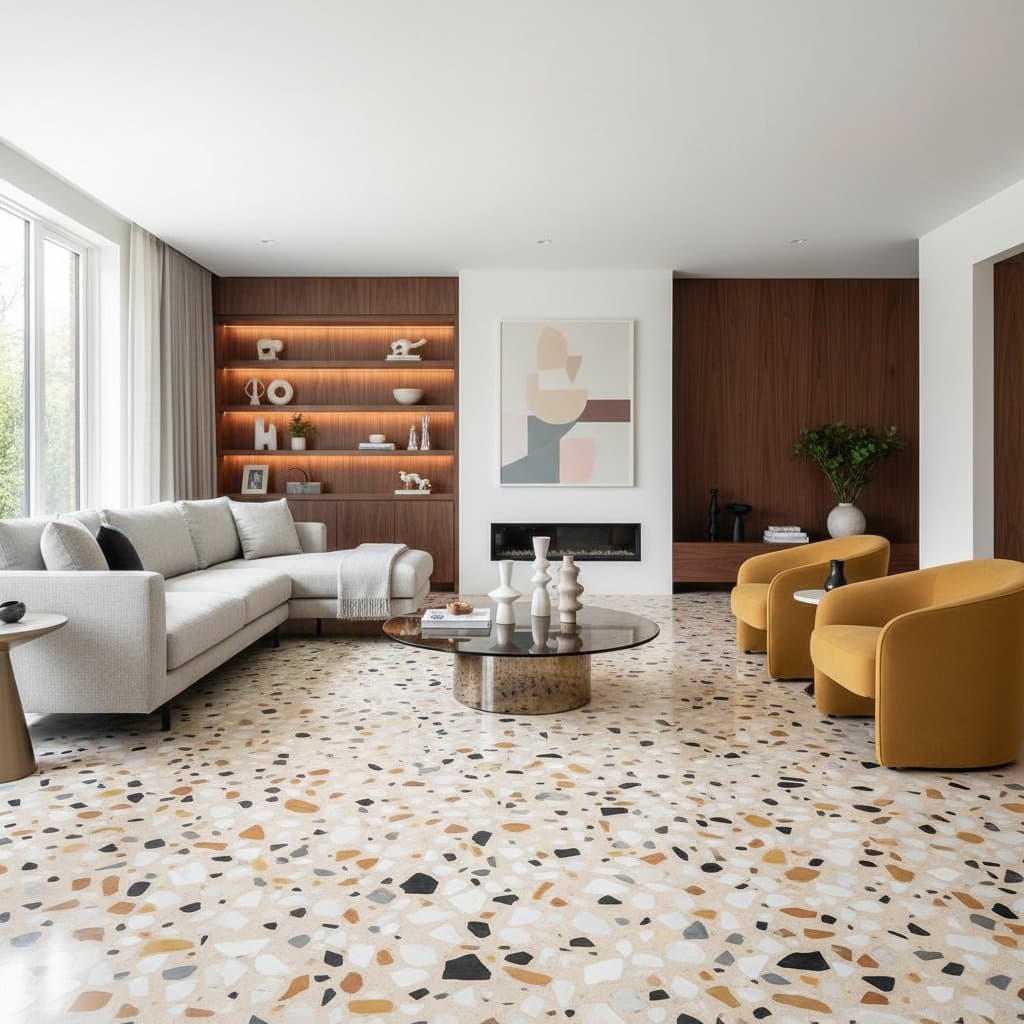
Terrazzo flooring returns with significant impact, elevating property values more effectively than many contemporary finishes. Homebuyers appreciate its combination of nostalgic hues and sleek, modern sheen. For those seeking a premium surface that endures for generations, terrazzo emerges as a subtle yet powerful choice.
This material gains traction due to its ability to merge aesthetic appeal with practical benefits. It withstands heavy foot traffic while maintaining a sophisticated appearance. Property appraisers often highlight terrazzo installations as key factors in boosting market prices, particularly in regions favoring sustainable upgrades.
Key Features That Distinguish Terrazzo
Terrazzo consists of aggregates such as marble, quartz, glass, or granite embedded in a binder of cement or epoxy. After grinding and polishing, the result forms a continuous, lustrous expanse that captures and diffuses light effectively. This process yields a floor resistant to scratches, stains, and fading, suitable for both historic renovations and contemporary constructions.
The appeal lies in its versatility across design eras, from mid-century modern interiors to sleek minimalist spaces. Sustainability plays a central role, as many formulations incorporate up to 80 percent recycled content, reducing environmental footprint without compromising performance. Maintenance proves straightforward, requiring only regular sweeping and occasional buffing to preserve its vibrancy.
Homeowners report that terrazzo not only enhances daily living but also positions properties favorably in competitive markets. Real estate data indicates an average value uplift of $15,000 to $25,000 for full-room installations, depending on square footage and location.
Guide to Incorporating Terrazzo in Your Home
Implementing terrazzo demands careful planning to maximize its benefits. Begin by evaluating your space's needs, such as traffic levels and moisture exposure, to select the optimal system.
-
Select the binder type. Opt for cement-based terrazzo in areas exposed to weather, including patios and garages, due to its robustness against expansion and contraction. Reserve epoxy-based versions for interior applications, where their seamless, non-porous quality excels in kitchens and bathrooms.
-
Choose aggregates thoughtfully. Marble chips deliver an elegant, veined pattern reminiscent of natural stone. Introduce glass or quartz for subtle iridescence, ideal for contemporary designs seeking a touch of glamour.
-
Engage qualified professionals. Certified installers possess the expertise to blend aggregates uniformly and ensure precise leveling, preventing uneven wear over time.
-
Allow adequate curing time. Cement mixtures require seven to ten days to harden fully, while epoxy sets in 24 to 48 hours. Rushing this phase risks structural weaknesses.
-
Apply protective finishes. Seal the surface annually with a penetrating product to guard against spills and enhance gloss. Routine care involves mopping with neutral solutions to avoid etching the polished layer.
Installation Costs Breakdown
Budgeting for terrazzo involves several variables, from material choices to site preparation. The following table outlines average expenses based on standard projects.
| Task | Typical Cost per Square Foot | Factors Influencing Price |
|---|---|---|
| Full Installation | $25 to $80 | Binder type, aggregate variety, subfloor preparation |
| Grinding and Polishing | $3 to $7 | Project scale, desired sheen intensity |
| Repairs or Patching | $5 to $15 | Extent of damage, need for color blending |
Regional differences affect totals; urban areas with higher labor rates may push costs toward the upper end. Economies of scale apply to expansive layouts, lowering per-unit expenses compared to intricate, small-scale work. Epoxy systems command a premium for their speed but offer long-term savings through minimal upkeep.
Project Timeline Considerations
A typical terrazzo installation spans one to two weeks, encompassing surface preparation, pouring, curing, and final polishing. Multi-room endeavors or those involving demolition extend this to three weeks or more. During curing, restrict access to avoid indentations, coordinating with installers for phased occupancy.
Disruptions remain minimal once polishing begins, as the process generates dust managed by professional vacuums. Homeowners should anticipate temporary relocation of furnishings to facilitate smooth execution.
Weighing DIY Against Professional Installation
Consider DIY approaches for minor tasks, such as overlaying small concrete accents or repairing superficial chips with pre-mixed kits. These projects suit experienced hobbyists equipped with basic trowels and sealants.
Professional intervention proves essential for comprehensive floors or restorations. Experts deploy industrial grinders, diamond polishing pads, and vapor barriers to mitigate moisture issues, tools beyond standard household arsenals. Errors in proportioning binders or inadequate curing lead to costly corrections, often exceeding initial savings.
Essential Tools and Materials List
Gather these items for optimal results, whether assisting pros or tackling small jobs:
- Industrial mixer and trowel for even aggregate distribution
- Diamond grinder and variable-speed polisher for surface refinement
- Assorted terrazzo chips and matching binder (cement or epoxy)
- High-quality penetrating sealer and microfiber application pads
- Personal protective equipment, including nitrile gloves, safety goggles, and a particulate respirator
Source materials from reputable suppliers to ensure consistency in color and quality.
Adapting Terrazzo to Local Conditions
Climate influences terrazzo performance significantly. In humid or coastal zones, epoxy formulations resist water infiltration better, preventing mold growth beneath the surface. Cement options fare superior in arid or cold climates, accommodating freeze-thaw cycles without cracking.
Compliance with building codes remains crucial, especially for exterior applications. Verify requirements for non-slip additives in high-traffic entryways or communal areas. Consult local inspectors early to align with standards for load-bearing and drainage.
Buyer Appeal and Design Versatility
Terrazzo captivates buyers with its bespoke appearance, even in standardized installations. The material's ability to integrate patterns, such as borders or medallions, adds architectural interest without overwhelming budgets. Beyond floors, it adorns countertops, backsplashes, and even vertical surfaces like shower enclosures, creating cohesive environments.
Surveys reveal that 70 percent of prospective buyers view terrazzo as a marker of superior craftsmanship, influencing bidding decisions. Its low-allergen properties and ease of sanitization appeal to families prioritizing health and hygiene.
Expert Recommendations for Optimal Results
Retain a physical sample of your custom mix for seamless future touch-ups. Protect the surface by affixing felt protectors to furniture bases, minimizing scratches from movement. Adhere to gentle cleaning protocols, using pH-balanced cleaners diluted in warm water to sustain clarity.
Schedule professional inspections every five years to address subtle wear, ensuring the floor's longevity. These proactive measures preserve both aesthetics and investment value.
Frequently Asked Questions
Does terrazzo pose a slip hazard?
While polished surfaces offer traction, applying matte sealers or incorporating textured aggregates mitigates risks, particularly in wet zones.
Is it feasible to install terrazzo over existing concrete?
Affirmative, provided the substrate proves flat within 1/8 inch over 10 feet and passes moisture emission tests to prevent delamination.
What is the expected lifespan of terrazzo?
With diligent maintenance, installations endure 75 years or longer, outlasting multiple generations of homeowners.
Are specialized cleaning methods required?
Avoid abrasives or acids; a soft mop with mild soap suffices to maintain brilliance without damage.
Will terrazzo genuinely enhance property worth?
Indeed, it elevates marketability by showcasing durable, eco-conscious design, often yielding returns exceeding installation costs.
Invest in Terrazzo for Lasting Home Enhancement
Terrazzo stands as a strategic upgrade, uniting aesthetic refinement with structural resilience. By selecting skilled installers and committing to upkeep, homeowners secure a feature that endures while appreciating in worth. Transform your space today and witness the tangible rise in appeal and equity.