The Value Proposition of Home EV Chargers by 2026
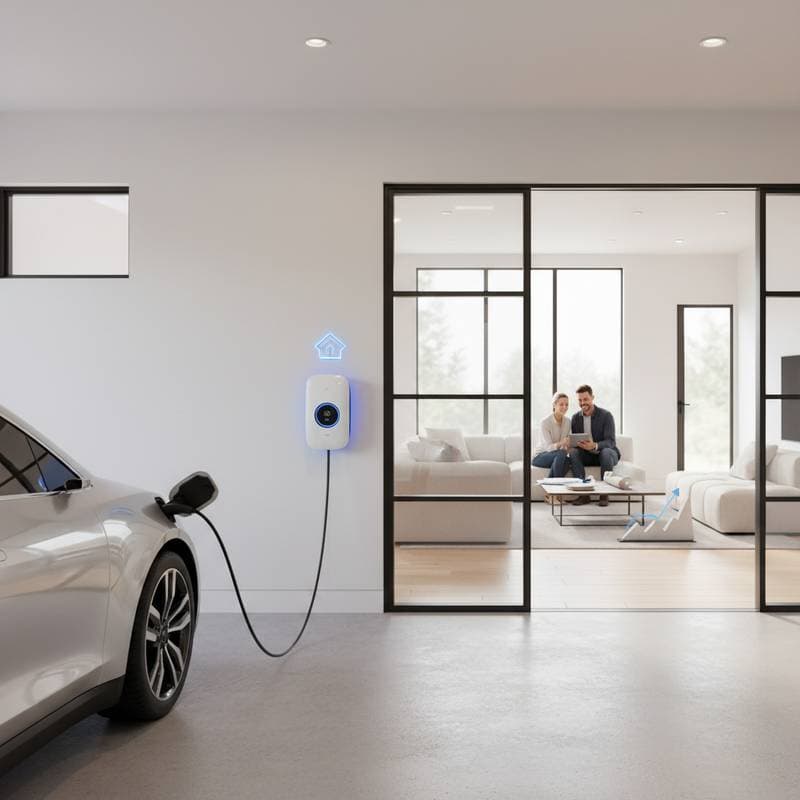
Homes equipped with dedicated EV chargers may command up to 15 percent higher resale values. This projection stems from evolving buyer preferences that prioritize sustainable features and technological integration. Prospective purchasers increasingly view an on-site charger as a marker of reduced long-term expenses, forward-thinking design, and alignment with eco-friendly lifestyles, elevating such properties in competitive markets.
Market trends indicate that electric vehicle adoption continues to accelerate, with projections estimating millions more EVs on roads by the mid-2020s. Properties without charging infrastructure risk appearing outdated to tech-oriented and environmentally aware demographics. Installing a charger not only addresses immediate needs but also future-proofs the home, potentially shortening sale times and maximizing offers.
Breaking Down Installation Costs
Understanding the financial aspects helps homeowners budget effectively for this upgrade. Costs vary based on equipment choices, existing infrastructure, and local requirements, but the investment often yields substantial returns through enhanced property appeal.
Charger Types and Initial Expenses
-
Level 1 Chargers: These connect to standard 120-volt household outlets and require no additional hardware if one exists nearby. Charging occurs at slower rates, suitable for overnight use with minimal daily driving needs.
-
Level 2 Chargers: These provide significantly faster charging via 240-volt connections. The unit itself ranges from $400 to $800, while professional wiring and permitting add $500 to $1,500. This option proves ideal for households with frequent or longer-distance EV use.
Electrical Panel Considerations
Many homes built before 2000 feature panels with limited capacity, often 100 or 200 amps, which may not support added loads from EV charging. Upgrading to a 200- or 400-amp panel typically costs $1,000 to $3,000, including labor and materials. Electricians assess amperage during consultations to determine if reinforcement or a full replacement becomes necessary.
Wiring Distance and Layout
The route from the electrical panel to the installation site influences expenses. Shorter distances minimize material needs; for instance, a 10-foot conduit run might cost $150, covering wire, tubing, and basic fittings. Longer spans, such as 50 feet across a driveway or yard, can escalate to $700 or higher due to increased wiring length and potential trenching.
Permits, Inspections, and Additional Fees
Most municipalities mandate permits for electrical modifications to ensure safety and compliance. These processes involve $100 to $300 in fees for application, review, and on-site inspection. Skipping this step exposes owners to fines, insurance complications, and challenges during home sales.
Enhanced Features for Added Appeal
Opting for smart chargers with Wi-Fi connectivity, energy monitoring, or compatibility with solar panels increases upfront costs by $200 to $500. However, these elements attract buyers interested in optimized energy use and remote control via smartphone apps, further justifying the premium through demonstrated efficiency.
Installation Options: DIY or Professional Assistance
Deciding between self-installation and hiring experts depends on the home's electrical setup and the owner's experience level. Both paths demand adherence to safety protocols to avoid hazards like electrical shocks or fires.
Scenarios for DIY Installation
- The garage already includes a 240-volt, 40-amp outlet compatible with Level 2 chargers.
- The homeowner possesses basic electrical knowledge and follows the manufacturer's step-by-step guidelines precisely.
Essential safety equipment includes insulated gloves, a non-contact voltage tester, and protective eyewear. Always de-energize the circuit by switching off the breaker before any connections.
When to Engage a Licensed Electrician
Professional intervention becomes essential in several cases:
- The electrical panel requires upgrades, extensive rewiring, or capacity expansions.
- Evidence of aluminum wiring, rust, or unidentified breakers appears, signaling potential risks.
- Local building codes stipulate licensed oversight and mandatory inspections.
Electricians ensure code-compliant work, which protects against liability and preserves home insurance validity. Unpermitted installations can complicate appraisals and deter buyers during resale.
Planning Timeline and Cost-Saving Strategies
Preparation typically spans one to three weeks, accounting for sourcing components and securing approvals. Demand peaks in spring and early summer, so scheduling ahead prevents delays.
Utility companies and government initiatives frequently offer rebates that offset 10 to 40 percent of expenses. For example, federal tax credits under clean energy programs may apply to qualified installations. Bundling the charger setup with any planned panel upgrades reduces duplicated labor costs, streamlining the project and enhancing overall savings.
Homeowners benefit from researching incentives early; many programs require pre-approval or specific equipment certifications to qualify.
Ongoing Maintenance for Longevity
Proper care extends the charger's lifespan and maintains its value as a home feature. Regular attention prevents common issues like connectivity failures or reduced performance.
- Wipe connector ports monthly with a dry cloth to ward off dust and corrosion buildup.
- Examine cables quarterly for signs of fraying, excessive bending, or insulation damage.
Most units come with warranties spanning three to five years, covering defects in materials and workmanship. Manufacturers often provide over-the-air software updates for smart models, improving security features and charging algorithms.
Address wear indicators promptly, such as discoloration from heat or loose fittings, by consulting the user manual or a technician. Neglect can lead to inefficient operation or safety concerns, diminishing the installation's resale benefits.
Steps to Implement Your EV Charger Upgrade
Taking structured action ensures a smooth process and optimal results.
- Evaluate your electrical panel's current capacity and consult an electrician for a free assessment.
- Obtain at least two detailed quotes from certified professionals to compare pricing and timelines.
- Inquire about available rebates through your local utility provider or state energy office.
- Select a Level 2 charger for superior performance and greater appeal to future buyers.
- Retain all records, including permits, receipts, and warranty details, for easy presentation during property showings.
Unlocking Enduring Home Advantages
An EV charger represents a strategic enhancement that underscores proactive property management. This single installation requires minimal upkeep yet delivers consistent utility and elevates market positioning. As electric mobility expands, such features transform standard homes into desirable, resilient assets ready for tomorrow's buyers.