Wet Rooms Outperform Tubs for Enhancing Home Resale Value
Wet rooms surpass traditional tubs in elevating home resale value through expanded space, enhanced safety, and luxurious appeal. These seamless bathroom designs integrate shower areas directly into the room, creating an open and modern aesthetic. A complete wet room renovation typically ranges from $12,000 to $25,000 and requires one to three weeks, offering substantial returns in contemporary home improvement projects.
Guide to Converting a Tub into a Wet Room
1. Assess Layout and Drainage
Begin by measuring the bathroom dimensions precisely. Determine the optimal drain location to ensure efficient water evacuation. The floor requires a subtle slope toward the drain to facilitate proper drainage without compromising aesthetics.
2. Demolish Existing Fixtures
Remove the bathtub, surrounding tiles, drywall, and any compromised subfloor materials. Inspect thoroughly for concealed water damage or mold growth during this phase. Address any structural issues immediately to prevent future complications.
3. Apply Waterproofing Layers
Install a robust waterproof membrane across the floor and walls up to the necessary height. Pay close attention to sealing all corners, joints, and transitions meticulously. This critical layer distinguishes a durable wet room from one prone to water intrusion.
4. Set Up Drainage and Floor Slope
Position a linear or central drain system suited to the space. Construct a gentle floor slope, typically one-quarter inch per foot, to direct water flow. Test the slope with water prior to proceeding to confirm even drainage.
5. Install Tiles and Grout
Select slip-resistant tiles for the floor and larger formats for walls to minimize grout lines. Opt for nonporous materials that resist staining and simplify maintenance. Apply grout with precision to create a watertight surface.
6. Incorporate Glass Enclosures
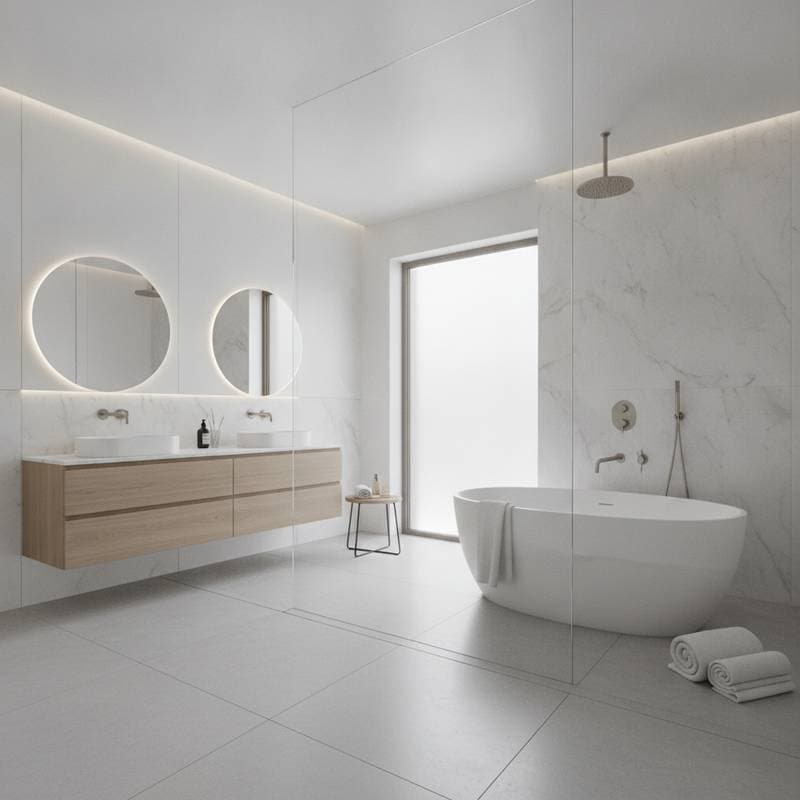
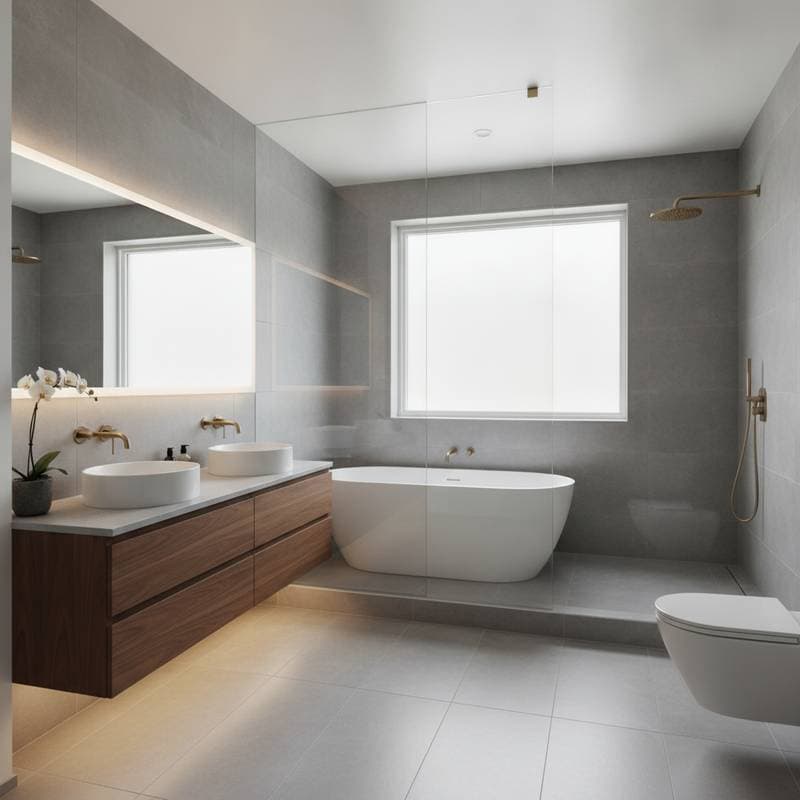
Consider an open layout for maximum spaciousness or install frameless glass panels to contain water splashes. Ensure panels align seamlessly with the tiled surfaces for a cohesive appearance. This choice balances functionality with design elegance.
7. Complete Finishing Elements
Mount fixtures, mirrors, lighting, and exhaust fans. Apply final sealants around edges and joints. Allow all materials to cure fully before introducing water to the space.
Project Timeline
The entire conversion process spans one to three weeks, depending on complexity and site conditions.
- Demolition and preparation: 1 to 3 days
- Plumbing adjustments and slope construction: 2 to 4 days
- Waterproofing application: 1 to 2 days, including drying periods
- Tile installation: 3 to 6 days
- Final fixtures and finishing: 2 to 4 days
Factors such as ambient humidity, material curing times, and tile intricacy influence the overall duration.
Considerations for DIY or Professional Installation
Suitable for DIY
Pursue a DIY approach if you possess expertise in tiling, waterproofing, and basic plumbing. Adhere strictly to manufacturer guidelines throughout the process. Handle moisture-sensitive components with care to avoid errors.
Benefits of Hiring Professionals
Engage certified contractors for projects involving drain relocations or floor height modifications. Professionals provide warranties on waterproofing systems and ensure compliance with local building codes. They guarantee precise slopes, secure seals, and uniform tile alignment, which manufacturers often require for warranty validity.
Adapting to Regional and Climate Variations
Wet rooms suit diverse environments, though adaptations enhance performance based on local conditions.
- In cold regions, incorporate radiant floor heating to maintain comfortable tile temperatures and accelerate drying. Bolster subfloor insulation to retain warmth effectively.
- For humid areas, integrate powerful ventilation systems and select grout formulations resistant to mildew.
- Coastal locations demand marine-grade stainless steel hardware to withstand corrosion from salt exposure.
- Properties in high water table zones require drains connected to approved municipal lines, avoiding sump pumps or alternative outlets.
Consult local regulations for specifications on slope gradients and waterproofing requirements to align with standards.
Value-Adding Design Features
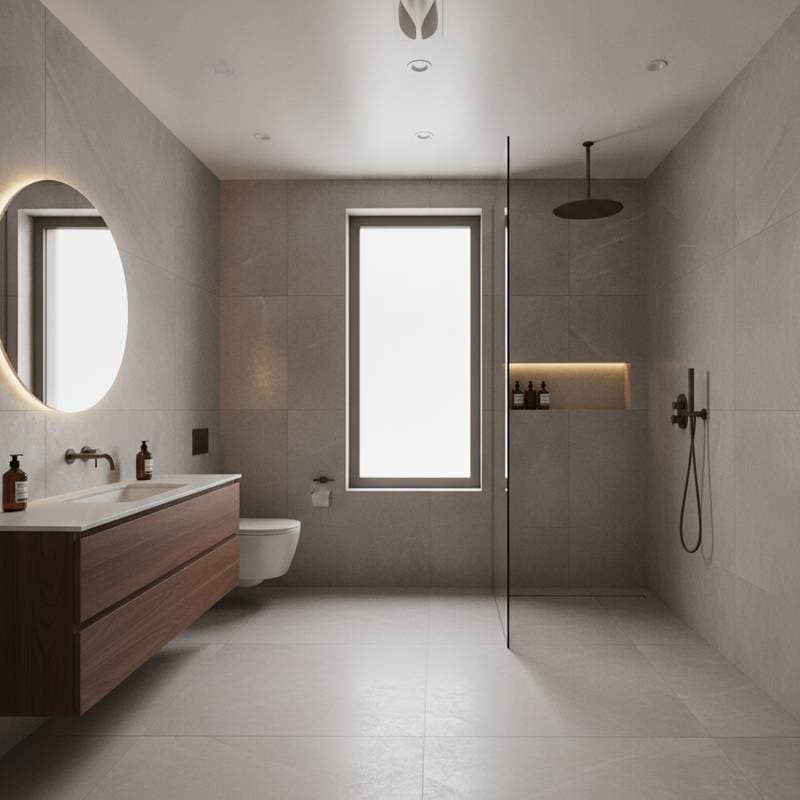
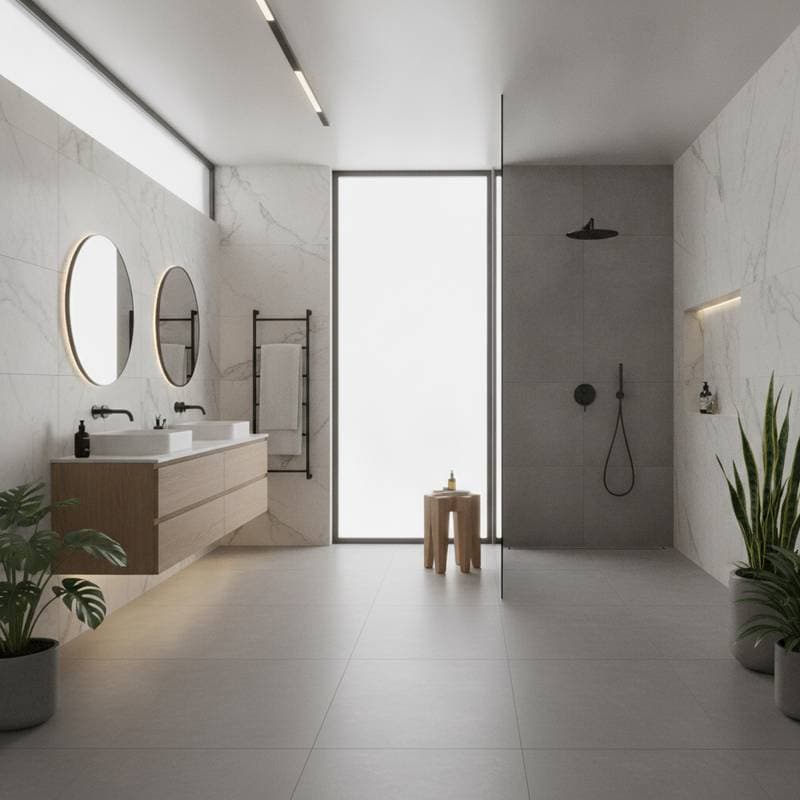
Curbless Thresholds
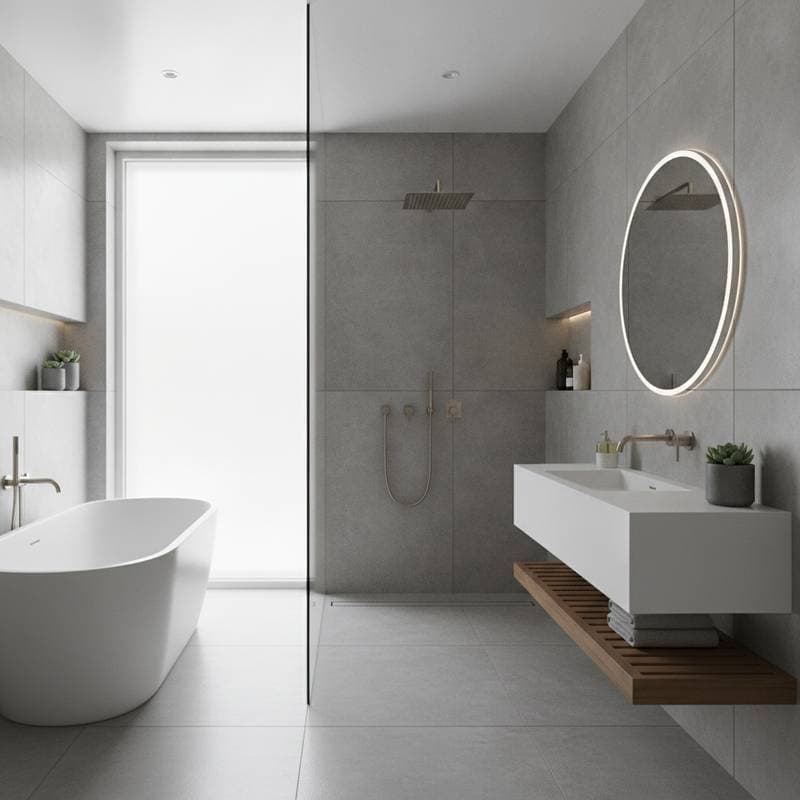
Eliminate raised curbs for fluid transitions between zones, simplifying cleaning and promoting accessibility. This design supports aging-in-place strategies by reducing fall risks.
Linear Drainage Systems
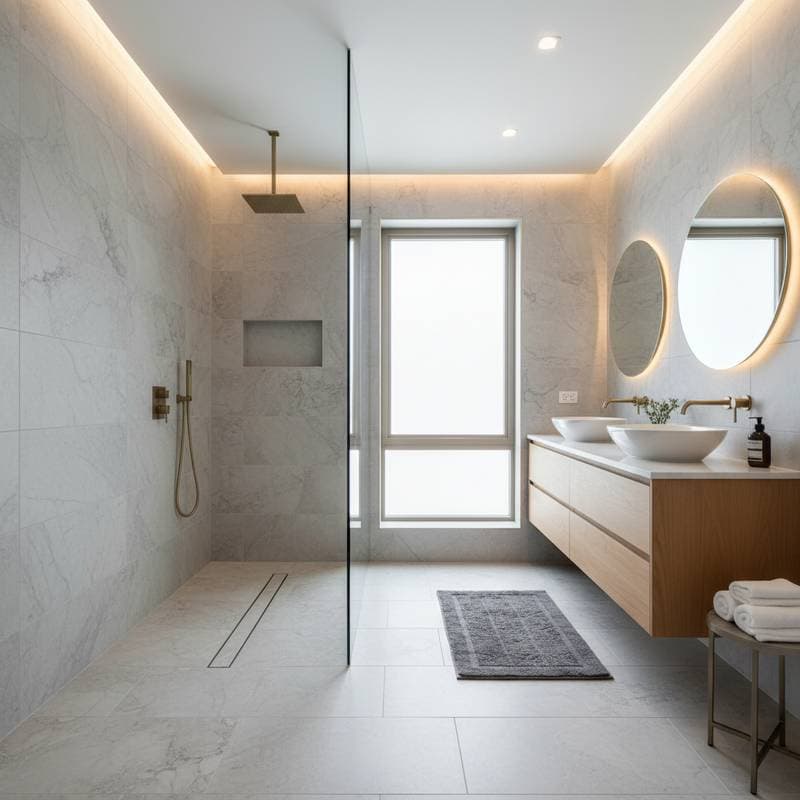
These elongated drains manage water flow adeptly while maintaining a minimalist profile. Position them along walls to accommodate expansive tile layouts seamlessly.
Wall-Mounted Vanities
Suspend vanities to expose the floor beneath, facilitating thorough cleaning and amplifying the sense of openness. This arrangement visually enlarges the bathroom footprint.
Recessed Storage Niches
Integrate waterproof niches into walls for organized storage of essentials. Waterproof these recesses diligently, as they represent potential vulnerability points for leaks.
Textural and Color Choices
Employ stone-inspired tiles, subdued matte finishes, and earthy tones to evoke serenity and enduring style. Steer clear of glossy floors that increase slip hazards when wet.
Factors Driving Buyer Premiums for Wet Rooms
The barrier-free, expansive configuration of wet rooms evokes high-end hotel spas, enhancing perceived room size. This illusion of additional square footage directly correlates with higher property valuations. Real estate professionals observe that bathrooms featuring these updates attract quicker offers at or near list prices.
Wet rooms broaden market appeal, particularly to those prioritizing long-term accessibility or mobility. Relative to conventional tub renovations, wet rooms recoup up to 80 percent of investment through increased resale value, varying by regional demand.
Scenarios for Retaining a Tub
While wet rooms elevate value, preserving at least one tub maintains versatility for certain households. Families with young children often prefer tubs for bathing routines. In homes with multiple bathrooms, designate one as a wet room and retain a tub in another to optimize buyer interest.
Ensuring Durability and Upkeep
Properly constructed wet rooms endure for decades, relying on impeccable waterproofing and airflow management.
- Reapply grout sealant every two to three years.
- Inspect and renew caulk annually.
- Clear drains regularly of debris like hair and soap residue.
- Activate exhaust fans post-shower to expel moisture.
Select gentle, pH-neutral cleaners to preserve protective coatings. Employ a squeegee after use to minimize water spots and extend surface life.
Pitfalls to Sidestep in Wet Room Projects
- Neglecting slope verification leads to water pooling; confirm flow with a hose test.
- Incompatible materials, such as standard drywall, invite moisture absorption and premature failure.
- Inadequate membrane overlaps at seams permit water penetration over time.
- Insufficient ventilation fosters mold growth despite waterproofing efforts.
- Glossy tiles heighten slip risks; prioritize textured options for safety.
Decision Framework
| Scenario | Recommendation | Rationale |
|---|---|---|
| Compact bathroom | Implement full wet room conversion | Maximizes floor area and usability |
| Primary ensuite renovation | Incorporate glass enclosures with premium tiles | Elevates luxury and market appeal |
| Accessibility-focused update | Select curbless entry | Mitigates mobility obstacles |
| Budget constraints | Retain existing plumbing positions | Reduces labor expenses significantly |
| Humid environment | Upgrade ventilation components | Controls moisture and prevents odors |
Expert Recommendations
- Validate floor slope functionality with a water test before committing to tiles.
- Deploy a unified waterproofing membrane extending from floor to ceiling in wet zones.
- Opt for drains featuring accessible traps for straightforward maintenance.
- Integrate lighting plans from the outset, illuminating niches and mirrors effectively.
- For resale optimization, favor neutral palettes and classic finishes.
Moving Forward with Your Upgrade
Evaluate your bathroom's suitability for a wet room by assessing structural capacity for sloping. Solicit estimates from three licensed specialists experienced in waterproof installations, verifying their portfolios and warranty offerings.
Prioritize slope feasibility measurements before demolition. If limitations arise, explore retrofit-friendly shallow linear drains.
The resulting space delivers an expansive, effortless experience with minimal upkeep demands. Beyond aesthetics, a meticulously crafted wet room enhances daily functionality, accessibility, and enduring property worth.
Frequently Asked Questions
Do wet rooms prone to leaks?
No, provided installation adheres to best practices. Comprehensive membranes and precise slopes safeguard against water escape when seals remain intact.