Storm-Ready Roofs: 11% Home Value Boost in 2026 Markets
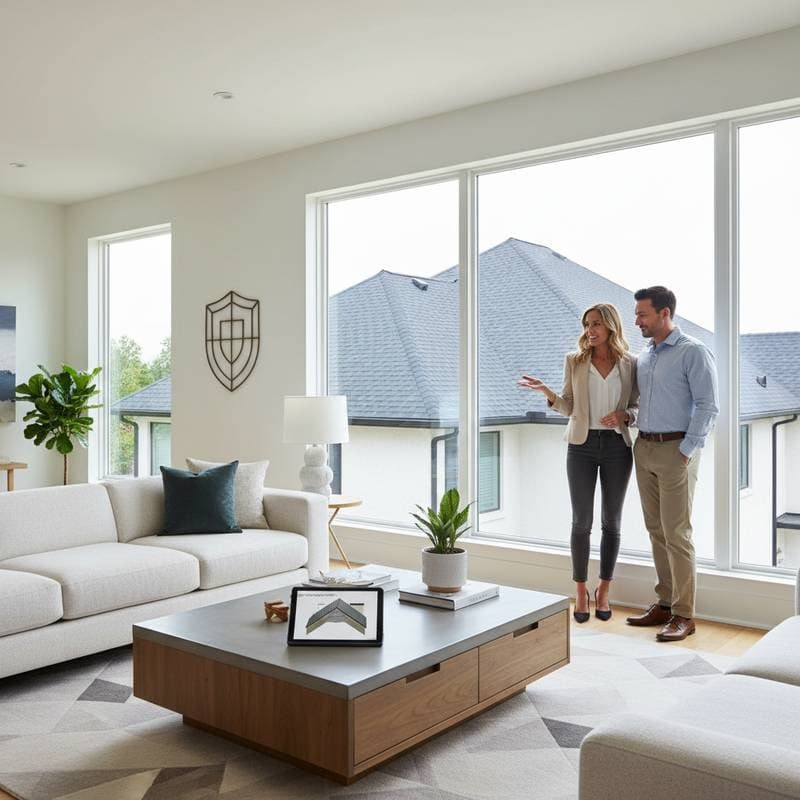
Storm-ready roofs demonstrate substantial value in today's real estate landscape. Properties equipped with impact-resistant roofing materials command up to 11 percent higher sale prices in competitive markets. Prospective buyers prioritize durability alongside reduced insurance expenses, and a fortified roof addresses both priorities effectively.
Why Storm-Ready Roofs Raise Value
Impact-resistant roofs shield homes from hail, high winds, and airborne debris. These materials prevent leaks and structural harm that often result in costly repairs. Homebuyers view such upgrades as prudent investments that minimize future risks. Financial institutions and insurance providers also favor them, leading to favorable loan terms and premium reductions.
A storm-ready roof extends beyond mere functionality. It represents a residence prepared for evolving weather patterns. This assurance translates directly into enhanced market appeal and monetary return.
Steps to Make Your Roof Storm-Ready
- Inspect existing conditions. Examine for signs of wear, such as curling shingles, deteriorated flashing, or weakened decking areas.
- Evaluate current roof composition. While asphalt shingles prevail in many installations, alternatives like metal, tile, or composite materials often provide superior storm resilience.
- Select upgraded materials. Opt for shingles classified as Class 4 for optimal impact resistance. Consider metal panels or concrete tiles for additional durability.
- Fortify the underlying structure. Install hurricane clips or straps to anchor the roof securely to the walls. Secure decking using ring-shank nails for enhanced hold.
- Apply a secondary barrier. Install an impermeable membrane over the roof deck to block water intrusion, even if outer layers fail.
- Update vents and flashing. Incorporate wind-resistant components and ensure all seams receive thorough sealing.
- Obtain professional certification. A verified assessment confirms adherence to standards, facilitating insurance benefits and elevated resale potential.
Typical Costs
| Task | Typical Cost | Factors Influencing Price |
|---|---|---|
| Roof inspection | $150 - $400 | Roof dimensions, pitch steepness, local labor rates |
| Class 4 shingles installation | $7,500 - $14,000 | Surface area, necessity of removal, compliance with regulations |
| Metal roofing installation | $12,000 - $24,000 | Material variety, design complexity, protective underlayment |
| Roof deck sealing | $500 - $1,200 | Barrier quality, installation duration, roof incline |
| Hurricane clip addition | $400 - $1,000 | Attic accessibility, existing framework condition |
Costs fluctuate based on geographic location. Expenses increase for intricate designs, aged supports, or premium selections. Savings emerge through deck reuse or combining projects with broader exterior renovations.
Time to Complete
Storm-proofing enhancements generally require three to seven days. Complete roof replacements might extend to two weeks, accounting for weather interruptions or foundational repairs. Structural reinforcements or deck sealing typically add one to two additional days. Advance scheduling during favorable weather conditions accelerates the process.
DIY vs Professional Installation
Consider DIY for:
- Isolated repairs, such as substituting damaged shingles or patching minor gaps.
- Scenarios where you possess roofing expertise and essential safety equipment.
Engage professionals for:
- Comprehensive replacements or structural modifications.
- Installations requiring certification to qualify for warranties or insurance incentives.
Experienced contractors provide specialized machinery, safety protocols, and factory-approved techniques. They deliver documentation of wind and impact ratings that individual efforts rarely achieve.
Tools and Materials Checklist
- Sturdy ladder suited to roof elevation
- Safety harness paired with secure anchors
- Hammer or pneumatic nailer
- Specialized roofing fasteners
- High-quality sealant and adhesive tape
- Class 4 impact-rated shingles or metal sections
- Synthetic underlayment and waterproof membrane
- Durable vents and ridge coverings
Store materials in a protected area to prevent moisture exposure. Verify each package for integrity prior to use.
Regional and Climate Considerations
Coastal regions susceptible to hurricanes demand roofs engineered against wind uplift. Regulations frequently mandate metal fasteners and impermeable decks. Inland areas prone to hail emphasize impact durability over wind resistance. Wildfire zones require Class A fire-rated coverings. Consult local authorities for permit requirements, as reroofing projects often necessitate approvals.
Insurance and Resale Advantages
Certain providers reduce premiums by 10 to 20 percent for roofs verified as impact-resistant. Discounts hinge on material specifications and professional validation. Retain documentation including invoices, images, and technical details. These records influence appraisals and accelerate transactions, particularly in storm-frequent locales, according to real estate professionals.
Common Mistakes to Avoid
- Overlooking the roof deck barrier, which leaves vulnerabilities beneath surface layers.
- Relying on ordinary fasteners rather than ring-shank varieties, risking detachment in gusts.
- Neglecting proper attic airflow, which accelerates deterioration from heat and humidity.
- Bypassing required permits, potentially complicating sales or invalidating coverage.
When to Call a Professional
Seek a licensed roofer upon detecting sagging sections, persistent leaks, or compromised supports. Consult a structural engineer for signs of instability or load imbalances. Specialized electricians or solar experts should address integrated systems. Insurance claims for storm damage benefit from expert evaluations to substantiate filings.
Long-Term Maintenance Practices
Conduct biannual inspections, especially following severe weather events. Clear debris from gutters, scrutinize flashing integrity, and repair sealant cracks promptly. Address shingle damage without delay. Maintain clearance around trees to mitigate branch-related hazards. Consistent care prolongs roof lifespan and sustains insurability.
Pro Tips for Success
- Specify Class 4 materials regardless of minimal code demands for extended performance in severe conditions.
- Request detailed wind certifications and warranties from installers.
- Time projects to coincide with dry periods, avoiding adhesive failures from humidity.
- Select reflective roof colors in warmer climates to lower energy demands for cooling.
- Store reserve materials for efficient future mends.
Frequently Asked Questions
Do impact-resistant roofs truly increase home value?
Yes, industry experts note boosts of up to 11 percent in storm-vulnerable regions.
How durable are impact-resistant roofs?
Expect 25 to 50 years of service, contingent on material choice and upkeep.
Is overlaying Class 4 shingles on existing ones feasible?
Permissible under certain codes if the base remains sound, though full removal ensures warranty eligibility.
Does metal outperform asphalt in storm resistance?
Metal excels in wind and hail deflection at a higher initial expense, while asphalt offers affordability and simpler upkeep.
Advancing Your Home's Resilience
Investing in a storm-ready roof yields dividends through enhanced security, cost savings, and market strength. Initiate the process with a thorough assessment, prioritize certified components, and archive all enhancements for future reference.