
Wet Rooms Increase Home Value by 15% Over Traditional Showers
Wet rooms elevate home resale values by up to 15% when compared to traditional shower installations. Homebuyers appreciate the open, streamlined layout and low-maintenance surfaces. Although the initial investment exceeds that of a standard shower renovation, the enhanced comfort and financial return justify the expense for many homeowners.
Understanding Wet Rooms
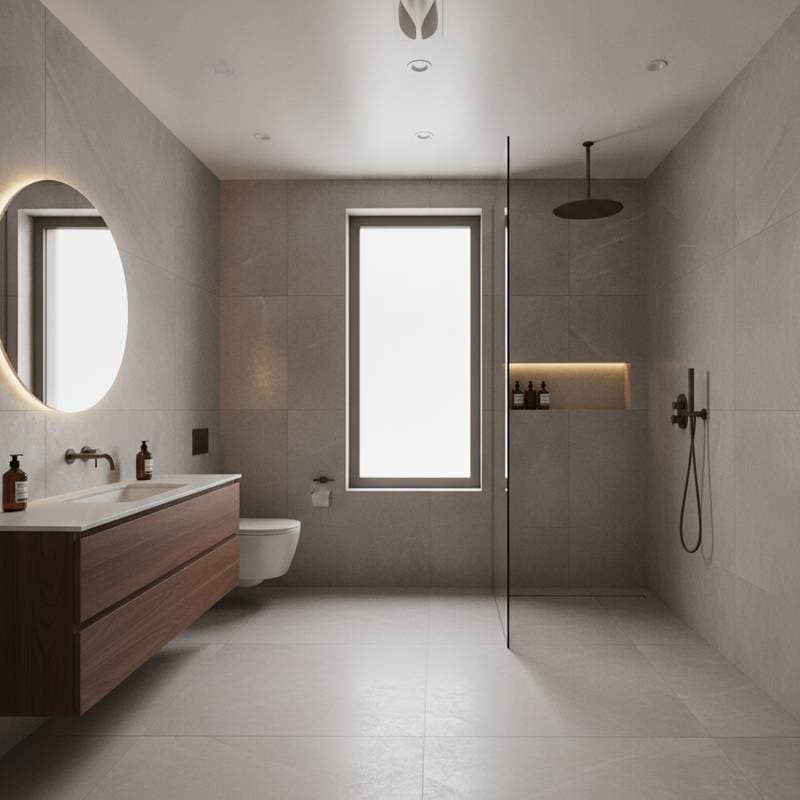
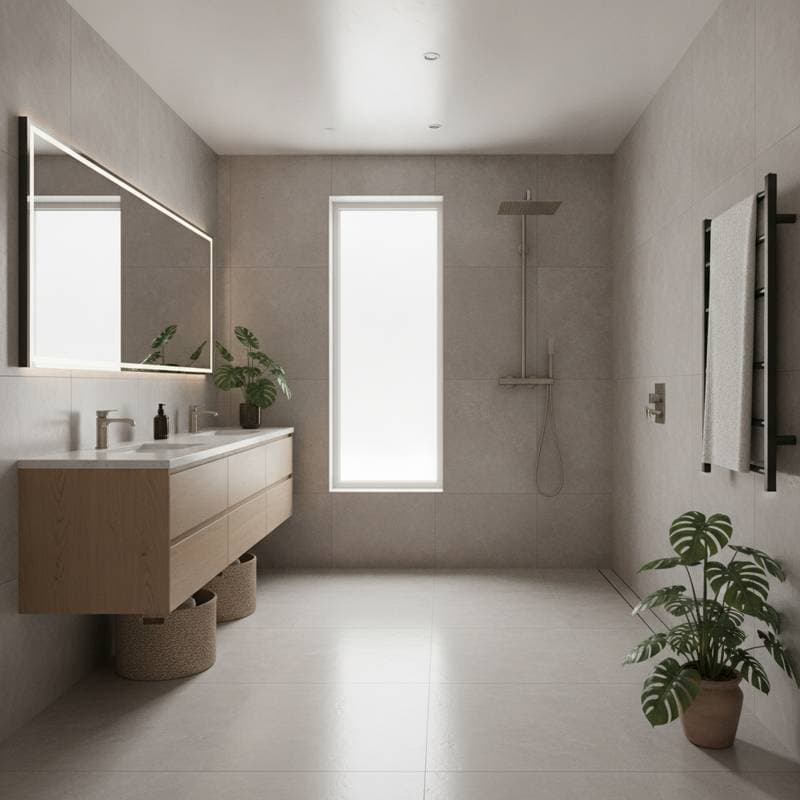
A wet room features a completely waterproofed bathroom space where the shower integrates fully with the surrounding area. Without a raised tray or enclosing door, the floor gently slopes to a central or linear drain, while walls and floors receive thorough sealing against water exposure. This design creates an expansive, contemporary atmosphere reminiscent of a high-end spa.
Factors Driving Value in Wet Rooms
Prospective buyers view wet rooms as premium amenities that blend aesthetics with practicality. These spaces make compact bathrooms appear larger and eliminate obstacles that hinder mobility, appealing to a broad range of lifestyles. Real estate professionals note that properties featuring wet rooms capture attention in photographs and attract quicker offers. For homeowners planning to age in place, wet rooms provide essential accessibility while building long-term equity.
Guide to Installing a Wet Room
- Assess the layout. Select a suitable corner or wall section that supports effective drainage. Verify that existing plumbing accommodates the required adjustments.
- Evaluate waterproofing requirements. Apply a comprehensive tanking system to seal all wall and floor surfaces.
- Create the floor slope. Angle the surface precisely to channel water toward the chosen drain type.
- Position the drain and apply the membrane. Install this foundational layer to prevent moisture from penetrating beneath tiles or subflooring.
- Lay and seal tiles. Opt for non-slip floor tiles and apply water-resistant grout to every seam.
- Incorporate fixtures. Choose wall-mounted showerheads and built-in niches to maintain an uncluttered appearance.
- Finalize and verify. Test the system by running water for an extended period to ensure proper drainage and sealing integrity.
Cost Estimates
Expenses vary based on room dimensions, material selections, and local labor rates. While wet room projects demand a greater upfront commitment than basic shower updates, the potential uplift in property value recoups a significant portion of the outlay.
| Task | Typical Cost Range | Key Price Influences |
|---|---|---|
| Converting an existing shower to a wet room | $8,000–$15,000 | Tile durability, waterproofing technique, drain configuration |
| Complete bathroom renovation including wet room | $15,000–$30,000 | Structural modifications, plumbing relocations, high-end fixtures |
| Integrating a wet room in new construction | $10,000–$20,000 | Streamlined process during build phase, reduced sealing challenges |
Regional differences influence totals, with material preferences, workforce costs, and subfloor conditions playing major roles.
Project Timeline
Wet room installations generally span one to three weeks. Allow curing time for waterproofing layers, plus additional days for tiling and grouting. Conversions from existing showers involve demolition and plumbing tweaks, extending the schedule. New construction projects proceed more efficiently by incorporating the design early.
Essential Tools and Materials
Gather these items for the project:
- Waterproof membrane or tanking kit
- Cement backer boards for walls
- Linear or point drain assembly
- Adhesive suitable for wet areas and waterproof grout
- Textured, slip-resistant tiles for flooring
- Notched trowel, grout applicator, and spirit level
- Clear silicone sealant
- Mixing bucket, cleaning sponges, and safety equipment
These supplies support intermediate DIY efforts, though achieving precise slopes and seals often requires professional expertise.
Deciding Between DIY and Professional Installation
Consider DIY when:
- You possess solid skills in tiling and basic plumbing.
- The area remains small, allowing thorough pre-finishing tests of waterproofing.
Opt for a professional when:
- Structural changes to the floor prove necessary.
- Relocating plumbing or drains enters the scope.
- Securing a warranty on the waterproofing system matters.
Experienced contractors guarantee accurate gradients, robust seals, and adherence to regulations. Certain tanking products mandate certified applicators to uphold warranty terms.
Compliance and Safety Considerations
Wet rooms require alignment with local building codes and plumbing standards. Permits may apply to floor modifications or drain installations. Electrical components demand ground-fault circuit interrupters and fixtures rated for damp environments. Conduct rigorous waterproofing tests to avert leaks, which could foster mold growth, compromise structures, and incur substantial repair bills. In upper-level bathrooms, incorporate subfloor barriers to safeguard lower ceilings.
Adapting to Regional and Environmental Conditions
In cooler regions, integrate radiant heating into floors for added warmth and quicker drying. Humid areas benefit from anti-mold grout and high-capacity exhaust fans. Wooden subfloors necessitate extra support or backer materials, unlike stable concrete bases. Consult local authorities prior to commencement, as some jurisdictions mandate pre-tiling inspections of waterproof layers.
Design Choices That Enhance Marketability
Homebuyers favor minimalist, airy aesthetics. Effective options include:
- Frameless glass enclosures. These manage water splash while preserving openness.
- Oversized porcelain tiles. Reduced seams simplify upkeep and promote uniformity.
- Integrated wall niches. They offer discreet storage solutions.
- Overhead rain showers. Such features evoke resort-like indulgence.
- Heated flooring systems. These eliminate chill and minimize surface moisture.
Select subdued color schemes like soft grays, warm beiges, or crisp whites to broaden appeal and ensure enduring style.
Return on Investment Analysis
Wet room additions yield 10% to 15% more in resale value relative to conventional shower overhauls. Benefits stem from striking visuals, inclusive design, and luxury perception. Premium markets or waterfront properties often experience amplified gains. Recovery proves most robust when replacing obsolete or confined shower enclosures.
| Upgrade Category | Expected ROI | Influencing Factors |
|---|---|---|
| Basic shower refresh | 60% | Routine enhancement with modest impact |
| Wet room transformation | 80%–90% | Compelling aesthetics and contemporary functionality |
| High-end wet room with luxury elements | 100% or greater | Exceptional uplift in affluent locales |
Upkeep and Durability
Correctly constructed wet rooms demand minimal ongoing care. Reseal grout periodically and clean surfaces to deter residue accumulation. Maintain drains free of debris to prevent blockages. Refresh deteriorated silicone seals every several years. Quality waterproofing endures for decades with proper installation.
Pitfalls to Sidestep
- Neglecting slope verification. Minor irregularities lead to water accumulation.
- Installing conventional drywall. Cement boards provide the necessary moisture resistance behind tiles.
- Omitting adequate airflow. Trapped humidity promotes fungal issues and unpleasant smells.
- Selecting diminutive tiles excessively. Increased joints complicate maintenance and heighten leak risks.
Addressing errors post-completion multiplies expenses compared to initial precision.
Indicators for Professional Intervention
Engage a qualified specialist if water collects beyond the intended area or if tiles begin to shift. Prompt detection averts subfloor deterioration from early leaks. Experts can assess membrane integrity and apply corrective seals. For comprehensive renovations, a general contractor streamlines coordination across plumbing, electrical, and finishing trades.
Enduring Advantages
Wet rooms maintain their appeal over time, accommodating diverse users from families to visitors with mobility considerations. The barrier-free layout eases thorough cleaning and curtails mold compared to enclosed showers. For properties aimed at quick sales, this versatility distinguishes them in competitive markets.
Planning Your Upgrade
Evaluate your current bathroom for signs of limitation or obsolescence, and explore wet room possibilities. Develop a detailed blueprint and financial outline. Weigh self-installation against expert involvement, particularly for critical elements like gradients and barriers. Solicit estimates from wet room specialists to evaluate pricing and guarantees. The finished result delivers a rejuvenating space that elevates both daily life and property worth.
Frequently Asked Questions
Do wet rooms experience more leaks than enclosed showers? Proper installation minimizes risks, as the enclosing system withstands total immersion.
Is a wet room feasible in a compact bathroom? Absolutely, provided drainage and inclines receive careful attention.