Why Hidden Pantries Increase Home Value by 6 Percent
Homeowners who install hidden pantries often see a resale value increase of approximately six percent. This boost stems from the combination of practical storage, unexpected functionality, and streamlined aesthetics that appeal to prospective buyers. Such features conceal everyday clutter while enhancing the overall kitchen experience, leading to higher offers during property showings.
Defining a Hidden Pantry
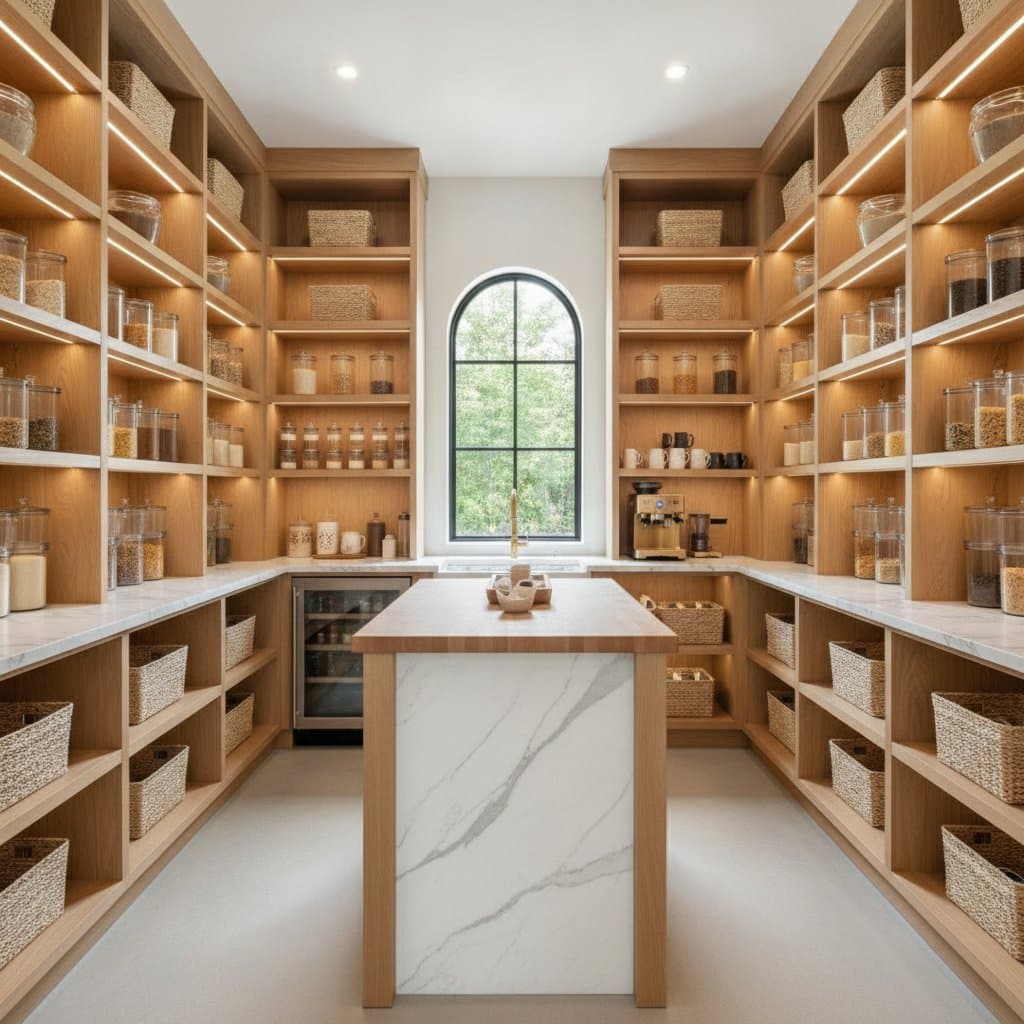
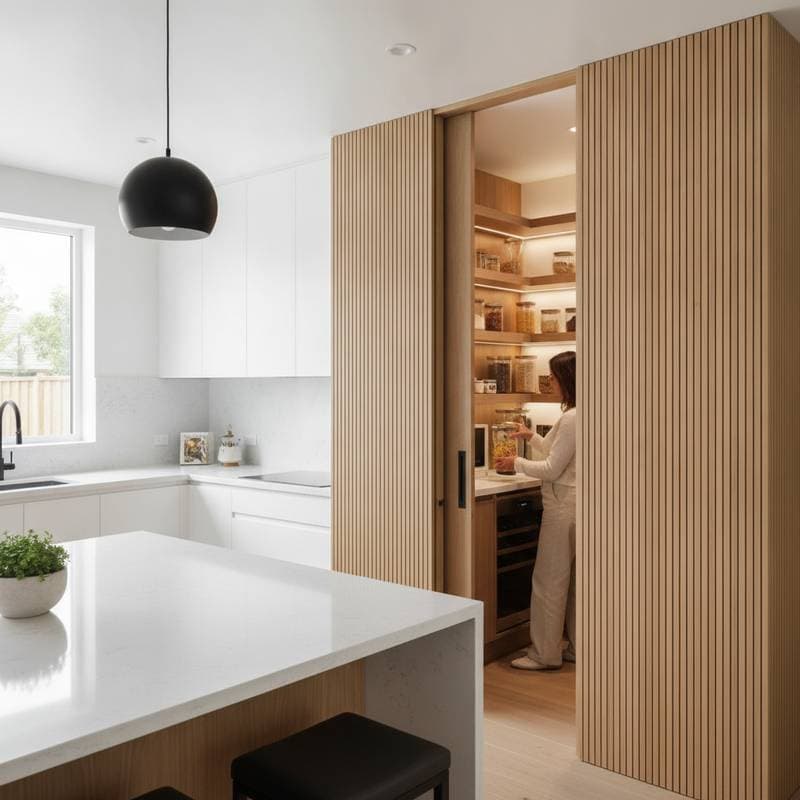
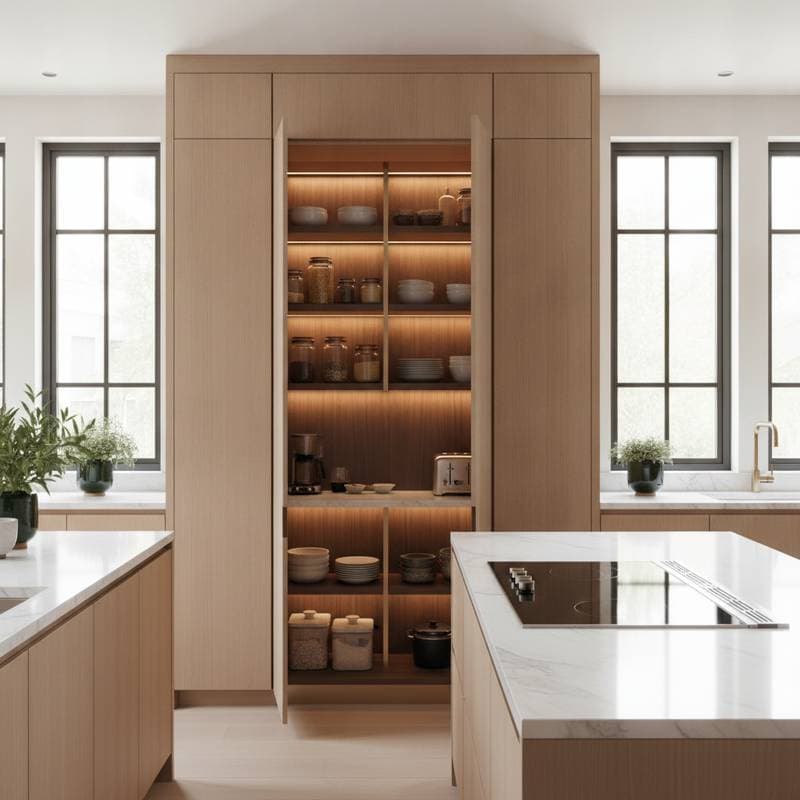
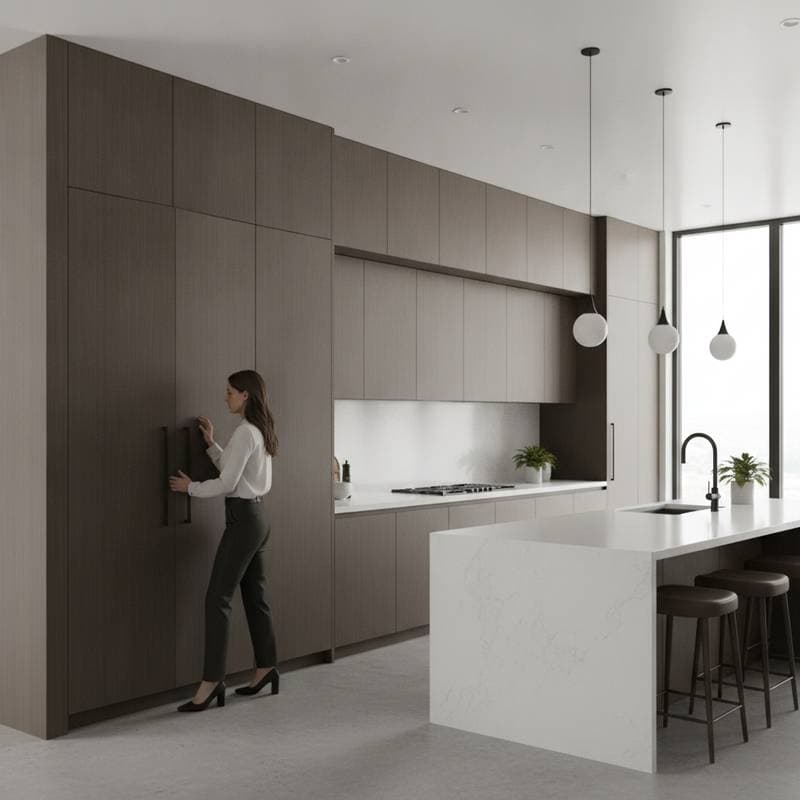
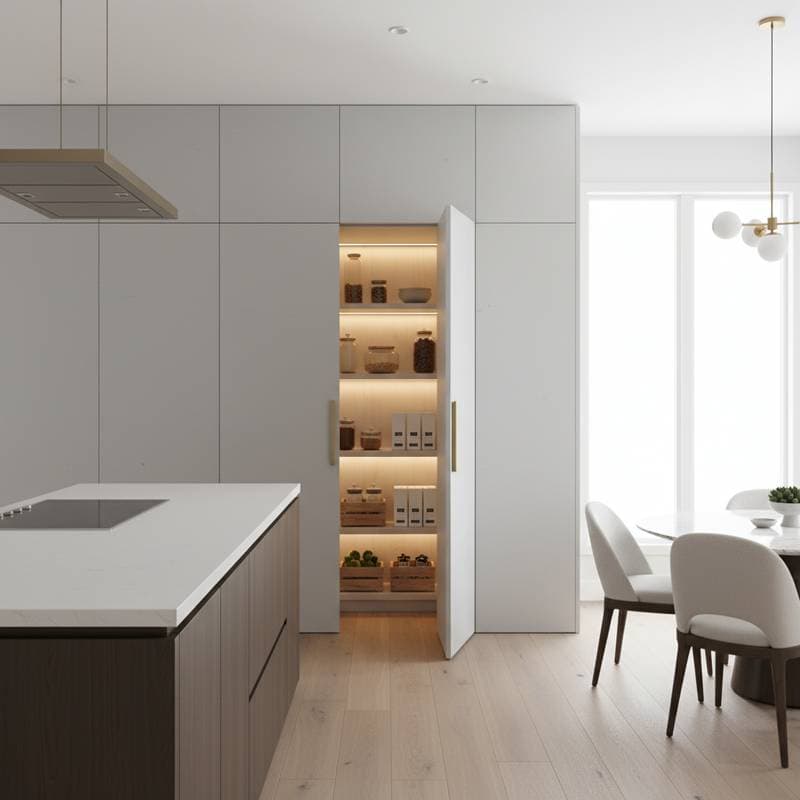
A hidden pantry integrates directly into kitchen cabinetry or walls, with its door camouflaged to match surrounding surfaces. Once opened, it reveals customizable interiors ranging from shallow shelving units to expansive walk-in areas equipped with countertops, adjustable shelves, integrated lighting, and even dedicated appliance zones. The concealed nature ensures the kitchen maintains a spacious, minimalist appearance.
This design aligns with broader trends in integrated storage solutions. It conveys a sense of bespoke craftsmanship, making standard kitchens feel upscale. Buyers perceive these elements as premium upgrades, even when installation costs remain reasonable.
Installation Costs Breakdown
Understanding expenses helps in budgeting effectively. The following table outlines key components and influencing factors.
| Task | Typical Cost Range | Factors Influencing Price |
|---|---|---|
| Design and Layout | $300 to $800 | Custom measurements, architect involvement |
| Framing and Drywall | $700 to $1,800 | Structural adjustments, wiring modifications |
| Custom Door or Panel | $1,000 to $3,000 | Material quality, concealed hardware, detailing |
| Shelving and Finishes | $500 to $2,000 | Species of wood, modular systems |
| Lighting and Electrical | $200 to $800 | Fixture count, additional outlets |
| Total Estimated | $2,700 to $8,400 | Location-specific labor rates, luxury options |
Projects utilizing existing cabinet depths typically approach the lower cost threshold. More elaborate setups, including solid-surface counters and artisanal woodworking, push toward the upper limit.
DIY Installation Versus Professional Services
Conditions for DIY Approach
- Proficiency in basic framing techniques and surface finishing exists.
- The space utilizes an underutilized closet or alcove without structural changes.
- Essential tools, such as a circular saw, power drill, and spirit level, are available.
Under these circumstances, individuals can achieve satisfactory results with careful measurement and alignment.
Reasons to Engage Professionals
- Seamless integration with bespoke cabinetry requires precise fabrication.
- Relocation of electrical or plumbing infrastructure demands licensed expertise.
- Modifications to load-bearing walls necessitate engineering assessments.
- Achievement of refined, market-ready aesthetics benefits from specialized skills.
Professional execution guarantees smooth operation, even illumination, and flawless detailing. Substandard installations risk operational issues like misalignment or visible seams, which diminish rather than enhance property appeal.
Factors Driving Buyer Premiums for Hidden Pantries
Hidden pantries elevate kitchens through multifaceted benefits that resonate with purchasers.
- Perception of Luxury: These features evoke tailored, high-end environments reminiscent of professional interior designs.
- Enhanced Visual Serenity: Concealment of bulk items and gadgets maintains countertops for active use, fostering a sense of openness.
- Superior Organization: Ample hidden capacity reduces surface accumulation, optimizing workflow in daily routines.
- Versatile Aesthetic Integration: Adaptable to contemporary, rustic, or classic motifs, they complement diverse home styles.
- Hospitality Functionality: Discreet preparation areas support seamless entertaining, echoing traditional butler's pantry roles.
During viewings, the discovery of such innovative storage creates memorable impressions. This element of surprise often prompts competitive bidding and elevated sale prices.
Regional Considerations and Design Adaptations
Environmental Adjustments
In areas with high humidity or proximity to water, incorporate passive ventilation or compact dehumidification units to mitigate condensation. Arid regions benefit from airtight seals and dust-filtering mechanisms to preserve interior contents.
Regulatory Compliance
Structural alterations or new electrical installations may require municipal approvals. Consult local ordinances prior to commencement; conversions of pre-existing spaces often bypass permitting.
Aesthetic Harmonization
For historic properties, replicate period-specific moldings and paneling to maintain authenticity. Modern constructions suit flush integrations with slab-front cabinetry for understated elegance. Uniform material applications ensure the addition appears inherent to the original build.
Investment Recovery Analysis
Homeowners typically recoup the majority of outlays upon sale. A mid-tier installation aligns closely with the six percent valuation uplift, often surpassing expenditures. Consider a $500,000 property: the addition could contribute $30,000 in enhanced market positioning.
Premium locales prioritize such refinements, where storage efficiency ranks highly among buyer criteria. In compact residences or urban units, these pantries expand perceived kitchen utility, further amplifying worth.
Safety Protocols and Upkeep Guidelines
Essential Safety Measures
- Install textured flooring to minimize slip hazards within the enclosure.
- Position outlets distant from potential moisture zones.
- Equip with adequate illumination to illuminate pathways and edges.
For sliding mechanisms, include safety stops to guard against accidental closures.
Routine Maintenance Practices
- Clean shelving surfaces periodically to eliminate spills or debris.
- Inspect hardware components biannually for signs of degradation.
- Refresh exterior coatings as wear appears to sustain camouflage.
Less frequent access to concealed doors extends their durability, though periodic lubrication prevents binding.
Optimal Timing for Installation
Integrate hidden pantries amid comprehensive kitchen overhauls or cabinet replacements for fluid incorporation. Concurrent appliance or flooring updates provide ideal opportunities to embed the feature without disruption.
Alternatively, repurpose adjacent utility areas like linen closets, provided they align with primary prep zones for practicality.
Styling Techniques to Enhance Marketability
- Coordinate Finishes: Apply identical stains or paints to doors and adjacent elements for invisibility.
- Incorporate Quiet Mechanisms: Soft-closing drawers and shelves convey superior build quality.
- Integrate Illumination: LED strips beneath shelves highlight contents and improve accessibility.
- Employ Clear Containers: Uniform jars and bins facilitate inventory and appeal in marketing images.
- Conceal Utilities: Dedicate zones for devices like toasters, preserving open counter real estate.
These refinements position the pantry as an intentional design asset, drawing buyer attention during tours.
Expert Recommendations for Optimal Results
- Maintain minimal clearances around door edges to preserve the disguise, avoiding friction.
- Extend flooring materials unbroken into the interior for visual continuity.
- Install automatic lighting activators for effortless operation.
- Implement labeling systems to streamline long-term categorization.
- Capture dual-angle photography—concealed and revealed—for compelling real estate presentations.
To accommodate future adjustments, design access widths compatible with off-the-shelf organizers, enabling reconfiguration without major interventions.
Frequently Asked Questions
How Does a Hidden Pantry Differ from a Butler's Pantry?
Hidden pantries remain fully disguised within cabinetry, prioritizing invisibility. Butler's pantries serve as distinct, accessible corridors for food staging between kitchen and dining areas.
What Minimum Dimensions Are Required?
Allocate 18 to 24 inches in depth and 36 inches across for basic shelving. Walk-in configurations demand roughly 4 by 5 feet of clear area.
Is Ventilation Necessary?
Affirmative, particularly in moist environments; subtle airflow systems safeguard against odors and preserve perishables.
Can Installation Occur Without Full Kitchen Renovation?
Certainly, by adapting nearby recesses or closets, with panels customized to existing fixtures.
What Is the Typical Timeline?
Projects span one to three weeks, influenced by custom element production and on-site finishing.
Realizing the Benefits of Hidden Pantries
Hidden pantries merge utility with subtlety, delivering uncluttered workspaces and elevated sophistication. They address storage demands discreetly while contributing to enduring home equity. Through deliberate design and execution, this enhancement yields practical advantages and positions properties favorably in competitive markets.