Vintage Maximalism: A Bold Trend Elevating 2025 Home Values
Vintage maximalism emerges as a dynamic force in interior design, capturing attention while elevating property worth. This approach features vibrant patterns, multifaceted textures, and thoughtfully arranged elements that convey individuality and depth. Property owners discover that embracing this style distinguishes their homes in competitive markets, fostering greater buyer enthusiasm and supporting higher resale prices.
Defining Vintage Maximalism
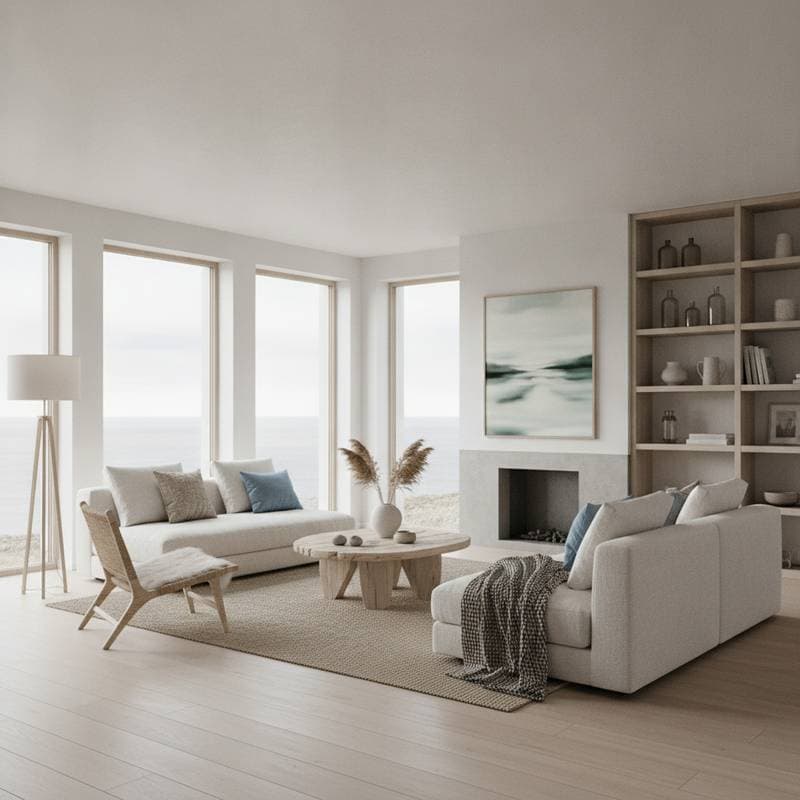
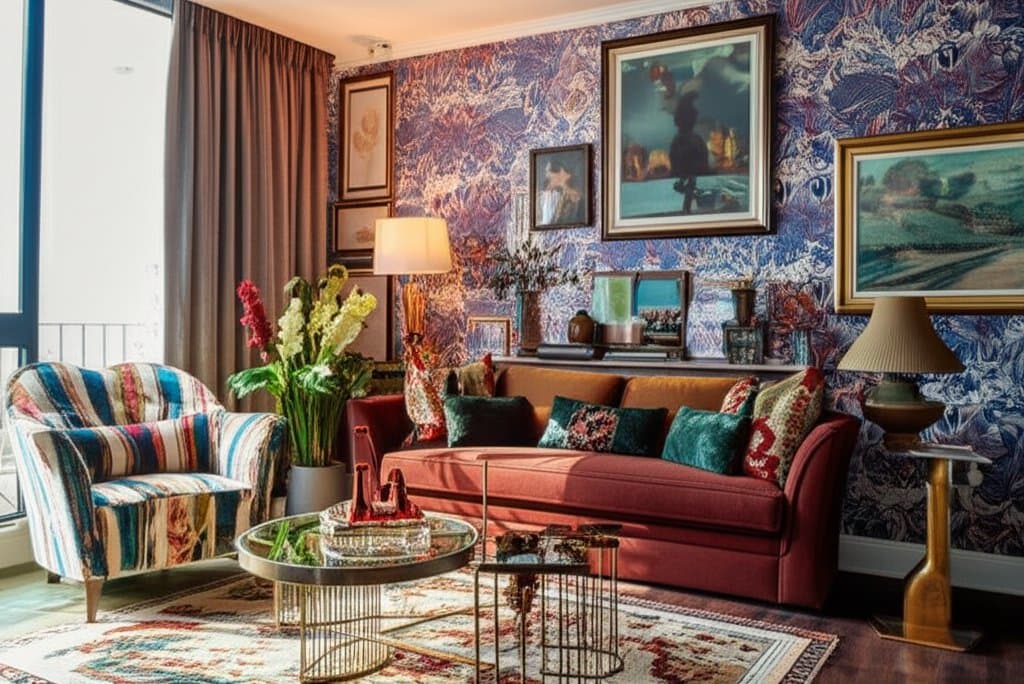
Vintage maximalism embodies a vibrant, eclectic aesthetic that seamlessly integrates diverse periods, motifs, and surfaces with assurance. It supplants the austere minimalism of previous eras with environments brimming with narrative and vitality. Rather than empty expanses, this style delivers an aura of habitation and authenticity. In place of uniform ensembles, it achieves unity via deliberate juxtapositions.
The intent extends beyond mere accumulation; it involves narrating personal stories through curated selections. Each item, whether a plush velvet settee or a salvaged table lamp, serves a purposeful role. This method honors profusion, reminiscence, and ease in equal measure.
Implementing Vintage Maximalism in Your Home
Commence modestly. Transformation need not overhaul every area immediately. Concentrate on a single space and gradually introduce layers for sustained progress.
1. Establish a Foundational Color Scheme
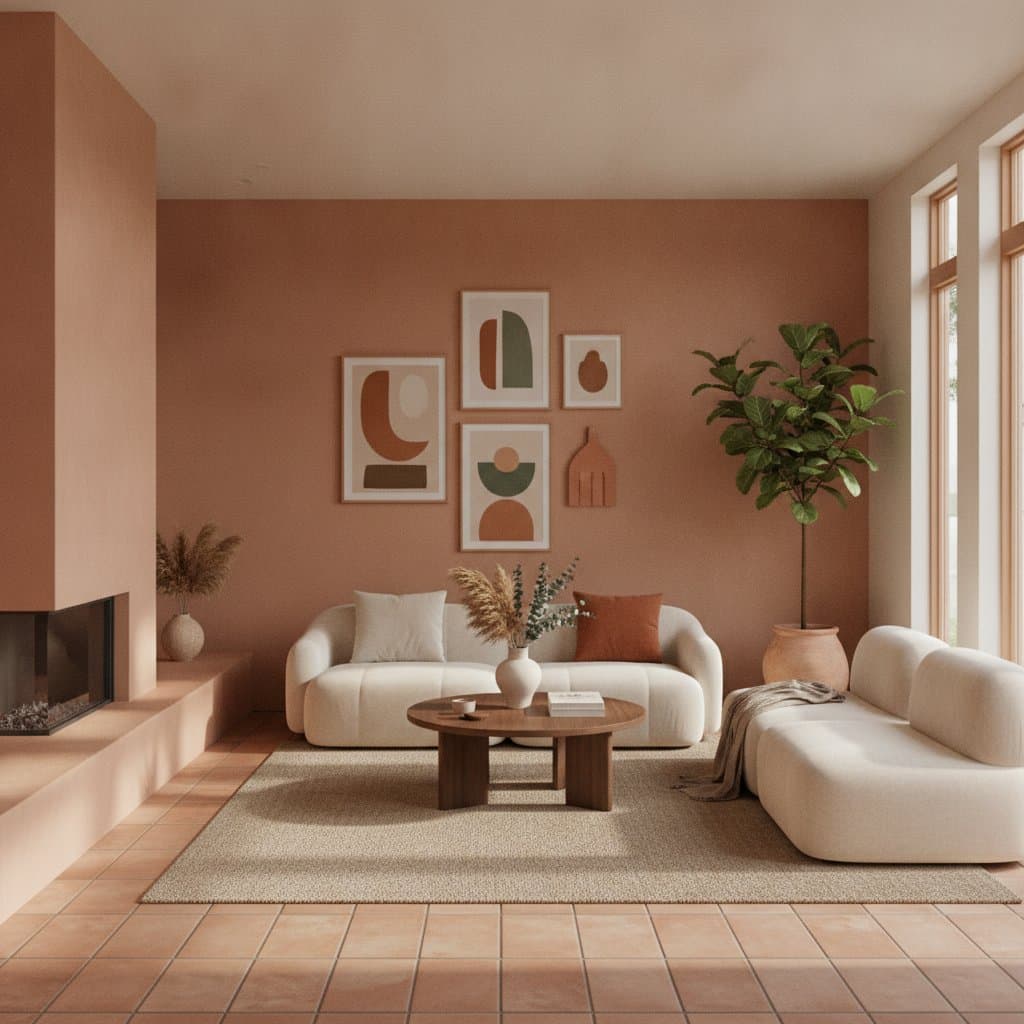
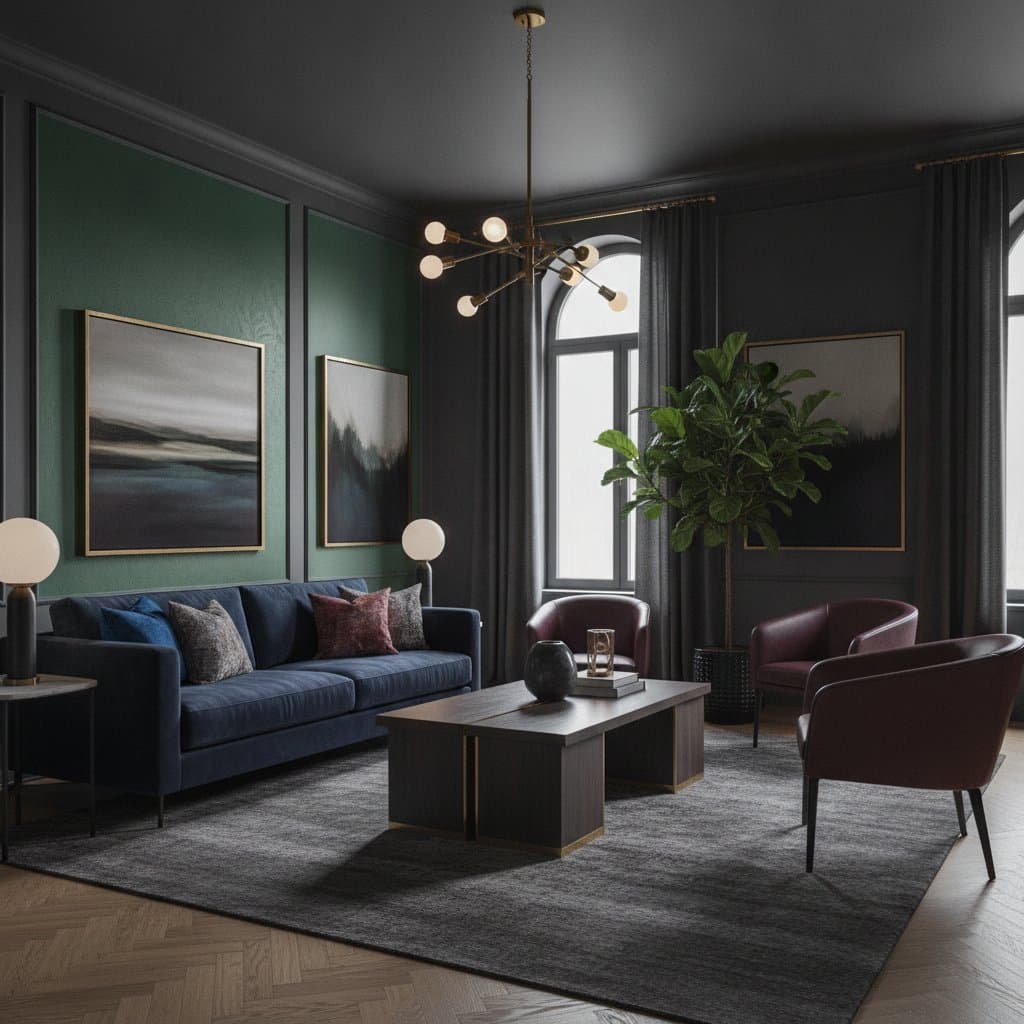
Select three to four hues that define the atmosphere. Consider earthy tones such as profound emerald greens, luminous amber golds, deep indigos, and terracotta rusts. These colors provide stability amid the vibrancy of varied fabrics and designs.
2. Integrate Patterns with Intention
Combine botanical motifs with linear stripes, geometric plaids with ornate brocades. Offset intricate designs with neutral plains. Maintain cohesion by recurring a single hue throughout the assortment.
3. Merge Vintage and Contemporary Elements
Associate antique acquisitions with current fixtures like streamlined fixtures or abstract artworks. Positioning a retro armchair beside a polished steel sconce creates purposeful tension. Such pairings introduce dimension and visual intrigue.
4. Incorporate Texture Extensively
Employ sumptuous velvet drapery, hand-knotted floor coverings, polished bronze fittings, and faceted crystal details. These elements encourage interaction and enrich spatial perception.
5. Curate and Showcase Personal Collections
Present cherished items with deliberation. Arrange volumes, earthenware vessels, or encased images by shared motifs or tonal harmonies to evoke a sense of collection rather than disarray.
6. Select Impactful Illumination
Opt for ornate chandeliers, tinted glass suspensions, or artistic floor lamps to define the ambiance. Illumination functions as an integral design component, enhancing both form and atmosphere.
Budget Considerations and Influencing Factors
Achieving a vintage maximalist aesthetic proves feasible across various financial levels. Expenditures hinge on the proportion of new acquisitions versus reused goods and the involvement of specialists.
| Task | Typical Cost Range | Key Price Influences |
|---|---|---|
| Room Refresh Using DIY Sourced Vintage Items | $300 to $800 | Local versus remote procurement methods |
| Targeted Redecoration with Professional Guidance | $1,000 to $3,500 | Consultation charges, bespoke fabric work, fixture upgrades |
| Comprehensive Room Overhaul | $4,000 to $10,000 | Contractor fees, fresh furnishings, surface treatments, accents |
Regional differences and the extent of repurposing existing assets significantly impact totals. Exploring flea markets, inheritance auctions, and digital marketplaces substantially reduces outlays.
Timeline for Project Completion
Refreshing one room requires only a weekend when materials are on hand. A thorough overhaul, encompassing surface preparations, procurement, and tailored modifications, may span multiple weeks. Engaging a designer introduces additional phases for acquisition and transport, extending the schedule accordingly.
Deciding Between DIY and Professional Assistance
Pursue DIY when:
- You derive pleasure from seeking out antique pieces.
- You possess an adept sense for harmonizing palettes and surfaces.
- You feel at ease with tasks like coating surfaces, restoring wood, or constructing assemblies.
Engage a professional when:
- Guidance is required to temper assertive features.
- Bespoke fabric coverings or wall treatments demand expertise.
- Rapid preparation for property sales necessitates efficiency.
Experts prevent overwhelming the composition by discerning optimal limits and ensuring overall harmony. Certain property consultants advocate selective maximalist arrangements to differentiate market listings.
Essential Tools and Materials
- Surface coatings and preparatory layers
- Precision applicators and extension poles
- Adhesive-backed wall coverings and mounting paste
- Dimensional measuring devices and alignment aids
- Electric fastening tools and securement hardware
- Textile samples and material prototypes
- Acquired furnishings or ornamental pieces
- Luminary installations and replacement sources
- Safeguard coverings and protective barriers
These items correspond to fundamental operations, from preparatory coatings to precise installations.
Adapting to Regional and Environmental Conditions
Vintage maximalism suits diverse locales, yet selections must align with prevailing weather patterns. In moisture-rich environments, select resilient fabrics that resist dampness. For arid or brightly lit regions, choose fade-resistant materials to preserve vibrancy. Structures in temperate climates might require thermal enhancements prior to incorporating substantial window treatments or stacked floor layers. Verify compliance with area regulations for electrical modifications during legacy fixture integrations.
Enhancing Property Value Through Vintage Maximalism
Prospective purchasers seek residences that linger in memory. A meticulously realized maximalist interior distinguishes digital presentations, evoking individuality and meticulous attention. It accentuates structural highlights obscured by sparseness, such as ornate trims, curved portals, or integrated cabinetry.
Arrangements featuring stratified surfaces and selected relics often capture superior imagery, prompting increased viewings and competitive bids. Industry observers note that properties with unique, refined aesthetics transact more swiftly and nearer to listed amounts. Equilibrium remains essential; excessive disorganization diminishes appeal, whereas purposeful plenitude conveys opulence.
Addressing Safety and Upkeep
Antique furnishings and illuminants may conceal risks. Inspect cabling in aged lamps prior to activation. Renew coverings on legacy seating that might harbor obsolete fillings. Secure substantial shelving and displays firmly, particularly in seismic zones. Prevent impeding pathways or obstructing air circulations. Maximalism ought to inspire fullness without compromising security.
Upkeep simplifies with established routines. Perform routine dusting and periodic item rotations to sustain freshness. Adequate radiance and ventilation mitigate stale scents in multifaceted settings.
Expert Strategies for Optimal Results
- Designate a serene surface to provide visual respite.
- Employ reflective panels to amplify hues and brightness.
- Maintain consistency in metallic tones per area for cohesion.
- Cluster ornaments in uneven quantities for organic flow.
- Refresh selections with seasonal changes to avert monotony.
Should an area feel oppressive, eliminate a couple of elements. Maximalism flourishes through deliberate choices rather than surplus.
Frequently Asked Questions
Does maximalism demand high ongoing expenses? No. Initial investments cover primary acquisitions, with routine care comparable to other aesthetics.
Can it suit compact areas? Absolutely. Incorporate expansive mirrors, pale bases, and versatile pieces to preserve openness amid layering.
Bringing Vintage Maximalism to Life
Integrate these principles to infuse your home with enduring character and market advantage. Start with a single focal point, curate thoughtfully, and observe as your space evolves into a compelling narrative that resonates with visitors and enhances its worth.