Hidden Pantry Walls: Boost Home Value by $18,000 in 2026
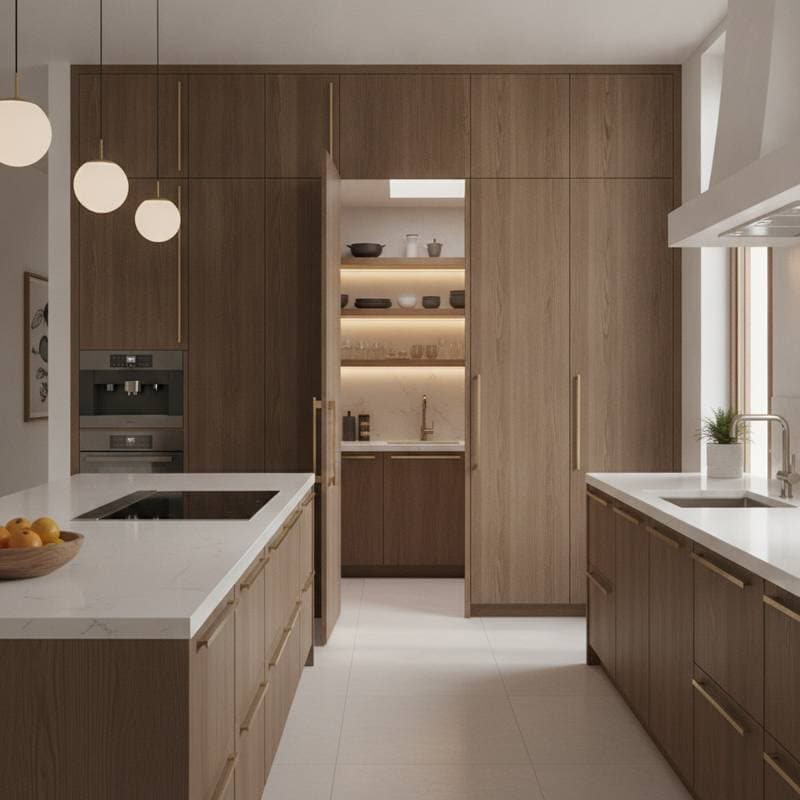
Homeowners seek ways to enhance both functionality and resale appeal in kitchen spaces. Hidden pantry walls emerge as a smart upgrade that conceals storage behind seamless panels, maintaining a clean aesthetic. Projections indicate this feature will add approximately $18,000 to home values by 2026, based on current trends in minimalist design and buyer preferences for organized spaces.
The investment proves worthwhile, with project costs ranging from $7,500 for basic installations to $20,000 for elaborate custom designs. This article explores cost breakdowns, installation considerations, and strategies to maximize return on investment.
Typical Value Increase: Approximately $18,000 from a well-executed hidden pantry wall, depending on local market conditions and overall home quality.
Project Overview
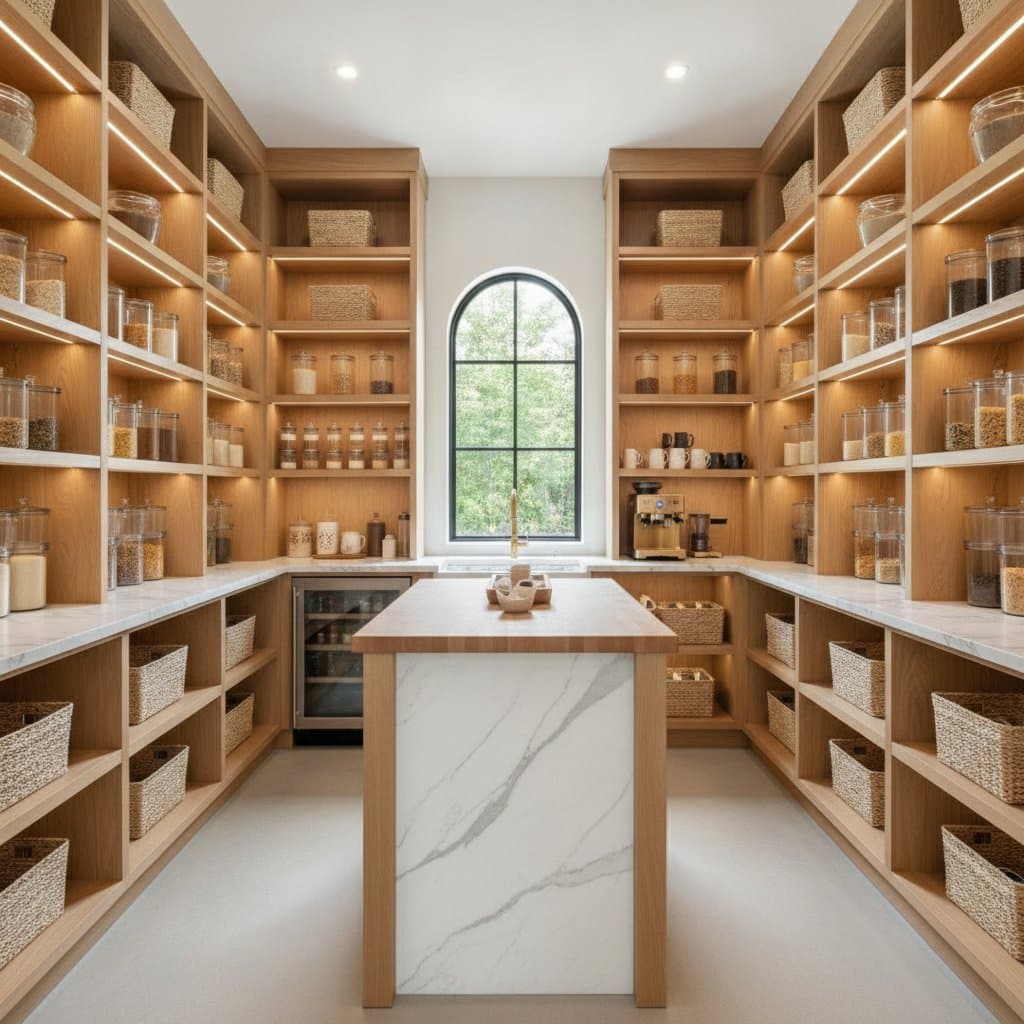
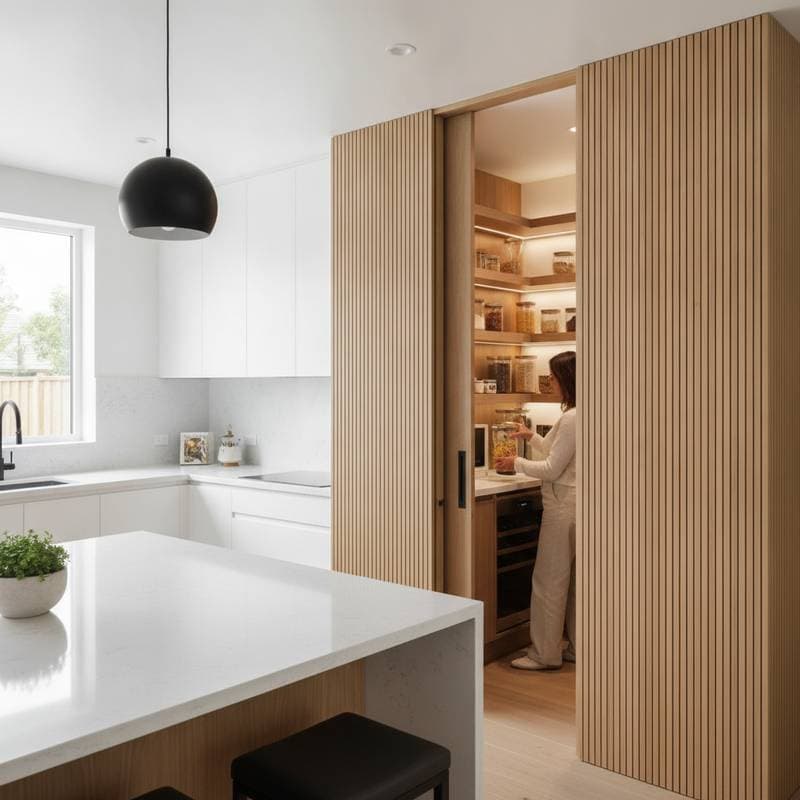
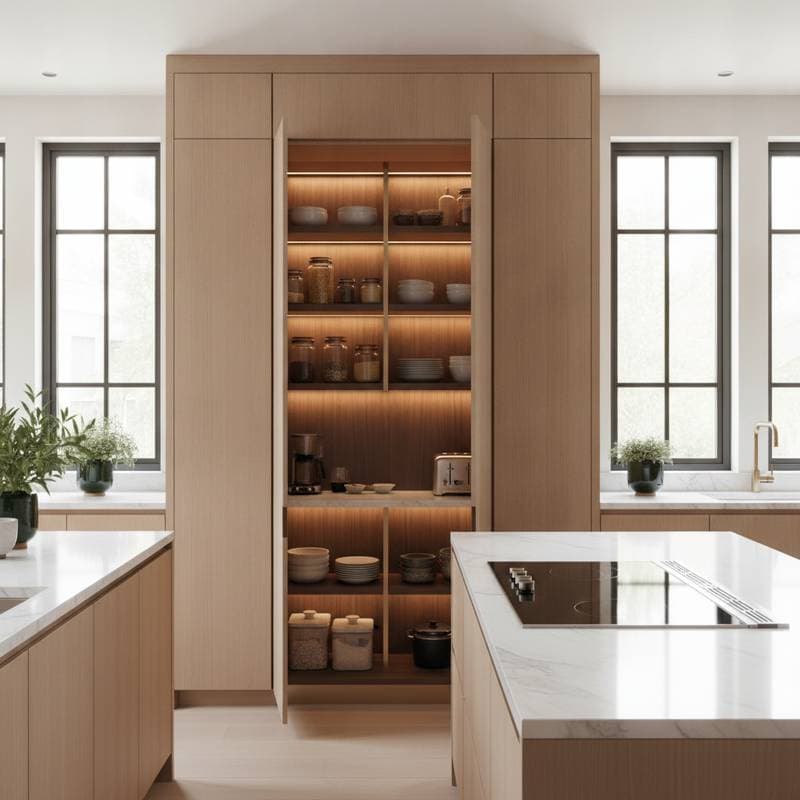
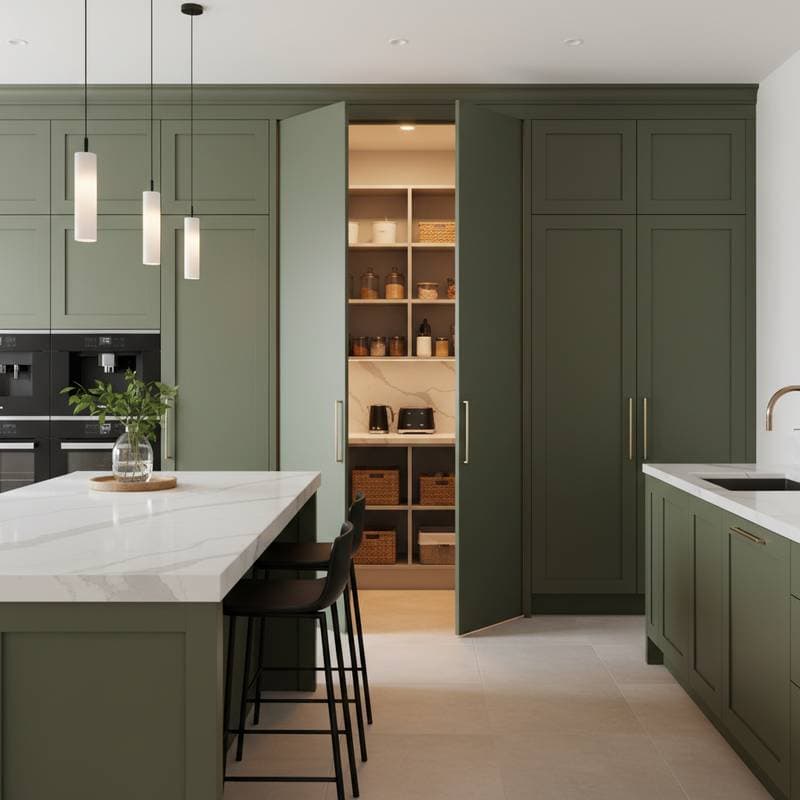
Hidden pantry walls integrate storage into existing kitchen layouts without disrupting visual flow. These installations often involve custom cabinetry or prefabricated units that blend with surrounding walls. The result offers ample storage for dry goods, appliances, and utensils while preserving counter space.
| Category | Details |
|---|---|
| Cost Range | $7,500 to $20,000, influenced by size, materials, and customization level |
| Timeline | 2 to 4 weeks for standard projects; extend to 6 weeks for intricate millwork |
| Lifespan | 20 to 30 years with routine maintenance and quality materials |
| Best Season | Late spring to early fall, when contractors face fewer scheduling conflicts |
| DIY Suitability | Moderate for kit-based assemblies; low for projects requiring structural changes |
Detailed Cost Breakdown
Costs vary based on several key factors. Understanding these elements helps budget effectively and avoid surprises during the process.
1. Materials and Cabinetry
Prefabricated panels cost $150 to $300 per linear foot, suitable for simple installations in standard-height walls. Custom cabinetry with integrated door panels ranges from $400 to $900 per linear foot, ensuring hinges and hardware remain invisible for a seamless appearance. Hardware enhancements, such as soft-close hinges, magnetic latches, and pull-out shelves, add $500 to $1,200 to the total expense.
2. Labor and Installation
Carpentry and finishing work account for $2,000 to $5,000, higher if modifications to existing walls or new framing prove necessary. Electrical additions, including interior LED strips and dedicated switches, range from $300 to $800. Painting and finishing to match existing cabinets cost $400 to $900, providing a cohesive look.
3. Size and Layout Considerations
Compact galley kitchens accommodate 4-foot-wide pantries, while open-concept spaces support 8 to 10 feet. Each additional foot increases expenses by $250 to $400 in materials and labor. Measure precisely to align the pantry with traffic flow and avoid obstructing appliances.
4. Permits and Regulatory Compliance
Projects altering electrical lines or structural elements require permits costing $150 to $500. Consult local building codes early to ensure compliance and prevent delays. Non-structural additions often bypass extensive reviews, streamlining the approval process.
5. Disposal and Optional Features
Disposal of old cabinets or drywall incurs $200 to $500, particularly with professional hauling services. Optional additions like a mini prep sink or dedicated wine storage section raise costs by $1,000 to $2,500. Evaluate these based on usage needs and potential value enhancement.
DIY Installation Versus Professional Services
Decide between self-installation and hiring experts based on skill level and project complexity. Each approach carries distinct advantages and risks.
Opt for DIY If:
- Selecting a prefabricated kit with detailed assembly instructions.
- Possessing carpentry experience and access to tools such as a track saw, drill, and level.
- Working on a non-load-bearing wall distant from electrical or plumbing systems.
Essential safety measures include wearing gloves, a dust mask, ear protection, and safety glasses. Verify power shutoffs before any cutting or drilling near outlets to prevent accidents.
Choose Professional Installation If:
- The wall supports electrical wiring or structural loads.
- Seeking a flawless, integrated finish with bespoke elements.
- Preparing the home for resale, where expert execution ensures premium appeal.
A common pitfall involves misalignment or visible gaps that compromise the hidden effect. Remedying such issues post-installation often exceeds the cost of initial professional involvement.
Maintenance Strategies and Longevity
Proper upkeep extends the functionality and appearance of hidden pantry walls. Regular attention prevents common wear issues.
Routine Maintenance
Clean hinges and tracks every few months to eliminate squeaks and binding. Control indoor humidity to safeguard against wood warping. Inspect and tighten handle screws annually to preserve alignment.
Projected Durability
Prefabricated units last 15 to 20 years under normal conditions. Custom millwork endures 20 to 30 years, especially with periodic refinishing to refresh surfaces.
Warranty Protections
Cabinetmakers typically provide 1 to 5 years of coverage on workmanship. Premium hardware may include 10-year warranties for hinges and tracks. Retain all documentation and register the installation with manufacturers when possible.
Pitfalls to Sidestep
Avoid these frequent errors to achieve a successful outcome. Proactive planning minimizes rework and expenses.
- Neglect permits: Even minor framing adjustments may require inspections.
- Overlook ventilation: Enclosed spaces without airflow retain moisture; incorporate vents or fans for dry goods storage.
- Select inferior hinges: Low-quality options sag over time, exposing door seams.
- Apply paint prematurely: Assemble and sand panels fully before painting for even coverage.
- Skimp on lighting: Dim interiors reduce usability; install motion-activated LED strips for efficient illumination.
Optimal Timing and Market Insights
The demand for hidden pantry walls aligns with the rise of streamlined kitchen aesthetics. Supply chains stabilize, yet prices for custom panels and hardware remain variable.
Schedule strategically:
- Secure materials early in the year to fix costs before seasonal price surges.
- Reserve installers ahead of holidays to avoid backlogs.
- Time painting and finishing for moderate humidity levels, ensuring superior adhesion.
In humid climates, complete installations during drier periods to protect wood elements.
Steps to Implement Your Upgrade
Take these structured actions to launch your hidden pantry wall project. This approach ensures efficiency and alignment with value goals.
- Measure the target kitchen wall, confirming at least 4 feet of clear space free from plumbing or load-bearing elements.
- Define the desired finish level; for resale focus, prioritize midrange custom fronts and soft-close hardware.
- Solicit bids from multiple carpenters, requesting itemized breakdowns of materials, labor, and timelines.
- Verify local codes for wall alterations and electrical integrations.
- Design the internal storage configuration, incorporating adjustable shelves, pull-out bins, and targeted lighting.
- Plan the schedule to complete the work before peak home-selling periods, initiating design phases weeks in advance.
This upgrade not only organizes your kitchen but also positions your home competitively in evolving real estate markets. The blend of practicality and style delivers lasting benefits for daily living and future sales.