Grandmillennial: 2026's Cozy Trend That Enhances Home Values
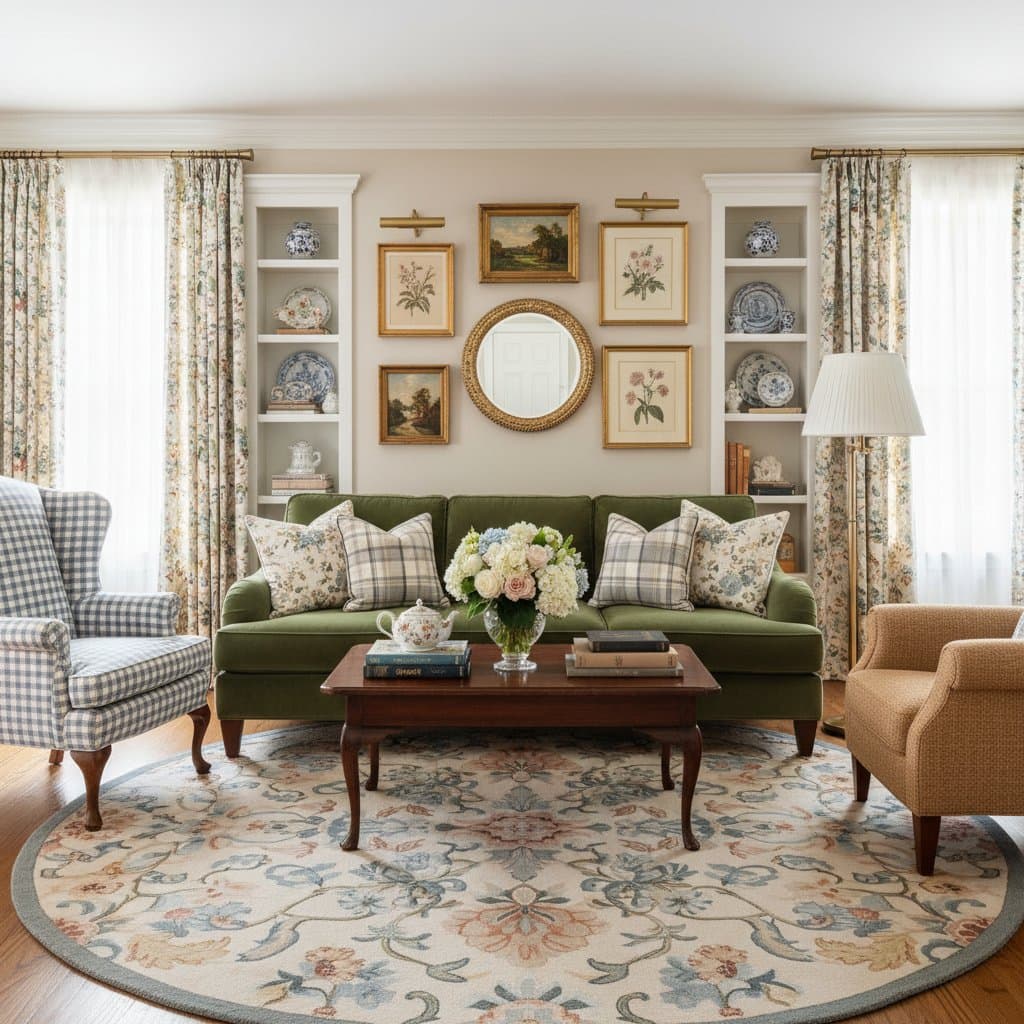
The grandmillennial design trend merges traditional charm with contemporary comfort. Designers emphasize patterned fabrics, vintage furniture, and intricate millwork in place of stark minimalism. Homeowners seeking warmth, personality, and a sense of habitation fuel its popularity. This approach suits older residences, suburban dwellings, and urban apartments requiring character without disarray.
Grandmillennial style extends beyond mere nostalgia. It serves as a strategic method to enhance resale potential through layered, enduring interiors that convey personalization alongside curation. For numerous homeowners, this presents an avenue to elevate property worth absent extensive structural changes.
Advantages and Drawbacks
Advantages
- Introduces distinctive character that resonates with purchasers weary of impersonal environments.
- Enhances livability through plush furnishings and organic materials.
- Promotes environmental responsibility by incorporating repurposed antique or vintage elements.
- Elevates market perception in neighborhoods favoring classic architecture.
- Allows adaptable arrangements suitable for compact or expansive areas.
Drawbacks
- Demands careful time investment to harmonize patterns and textures effectively.
- Risks appearing disorderly if scale and balance receive insufficient attention.
- Necessitates ongoing maintenance, particularly for textiles and wooden surfaces.
- Proves unsuitable for residences with strictly contemporary or minimalist aesthetics.
Homeowners preparing for sale should exercise restraint. Excessive patterns or embellishments might narrow the pool of interested buyers.
Handling It Yourself or Engaging Professionals
Complexity Level: Moderate.
Duration: One to four weeks for revitalizing a single room.
Essential Tools: Painting equipment, stapler, fundamental woodworking implements, wallpaper application set.
Potential Hazards: Minimal, provided spatial planning and material selection occur thoughtfully.
Individuals undertaking the project independently manage tasks such as painting, refurbishing furniture, and basic decorative adjustments. Applying wallpaper to sizable areas or rehabilitating authentic trim often benefits from expert involvement. A design specialist assists in preventing overwhelming patterns and maintains equilibrium between heritage and innovation.
Consider professional assistance for:
- Affixing elaborate wallpaper or paneling.
- Reviving antique furnishings.
- Tailoring integrated storage or molding configurations.
- Developing color schemes optimized for market attractiveness.
Expert advice frequently averts expensive missteps and fosters unified aesthetics.
Upkeep and Durability
Grandmillennial interiors endure gracefully with proper attention.
Routine Maintenance:
- Clean wooden and metallic elements weekly by dusting.
- Vacuum fabric-covered seating and window treatments monthly.
- Repair painted areas promptly as wear appears.
- Apply sealant to wooden items every few years.
Properly installed wallpaper endures 10 to 15 years. Textile coverings on seating retain form for 5 to 8 years, contingent on frequency of use.
Vintage components often arrive with patina. Renewing upholstery or resurfacing prolongs functionality and sustains worth. Verify warranty terms for surface treatments or materials prior to any refinishing or repainting efforts.
Regional Considerations
Environmental Conditions: In areas with high humidity, select wallpaper resistant to mold and paints tolerant of dampness. Properties near the sea gain from sealed furniture to avert distortion.
Regulatory Standards: Decorative modifications seldom require approvals, yet integrated fixtures or alterations to trim might. Consult local ordinances before altering partitions or wiring.
Workforce Availability: Fees for design and woodworking fluctuate by location. Urban centers command premium rates owing to high demand and scarce skilled labor. In countryside or peripheral zones, acquiring antiques proves economical but protracted.
Local Tastes: Heritage-inspired designs command stronger interest in preserved communities, whereas progressive regions favor restrained interpretations of grandmillennial elements.
Essential Safety Measures
Grandmillennial enhancements primarily involve aesthetics, yet precautions remain vital.
- Wiring Concerns: Engage a certified electrician for installing or updating light fixtures.
- Surface Treatments: Opt for low-volatile organic compound paints to safeguard air purity indoors.
- Structural Integrity: Secure elevated storage units or shelving to walls.
- Flammability Risks: Position textile curtains and cushioned items away from ignition sources.
- Hazardous Materials: Test for lead content before abrading aged paint on furniture or moldings.
Neglecting these protocols transforms aesthetic improvements into potential dangers.
Frequently Asked Questions
What defines a grandmillennial home?
This style integrates classic furnishings, botanical motifs, and ornate trim with contemporary illumination and uncomplicated floor plans. The aim centers on achieving ease alongside visual depth.
Are antiques essential for authenticity?
Not necessarily. Blend fresh items echoing traditional forms. Incorporate select vintage pieces or replicas to infuse genuineness.
How to prevent a cluttered appearance?
Restrict motifs to two or three within a space. Employ neutral textiles to interrupt bold designs. Maintain partial clearance on horizontal surfaces.
Does it suit compact areas?
Indeed. Select diminutive patterns, pale hues, and sleek silhouettes. Employ upright artwork or elongated curtains to amplify perceived height.
Will prospective buyers embrace this aesthetic?
The majority value the inviting quality and finesse, especially with subdued tones and spacious arrangements. Vibrant selections might diminish broad attractiveness.
Implementing Grandmillennial Design Effectively
Grandmillennial aesthetics thrive on deliberate preparation and persistence. Initiate with a modest area, such as one chamber or focal point. Leverage current possessions, then introduce tactile layers and illumination. Adhere to a unified color scheme and resist superfluous adornments.
To secure enduring worth, consult a designer for spatial recommendations prior to significant acquisitions. A structured approach conserves resources and yields harmonious, functional outcomes.
Upon committing funds, obtain estimates from three qualified contractors for wallpaper installation, custom millwork, or electrical modifications. Relish the enduring allure, solace, and understated market enhancement of a residence that harmonizes timeless appeal with present-day relevance.