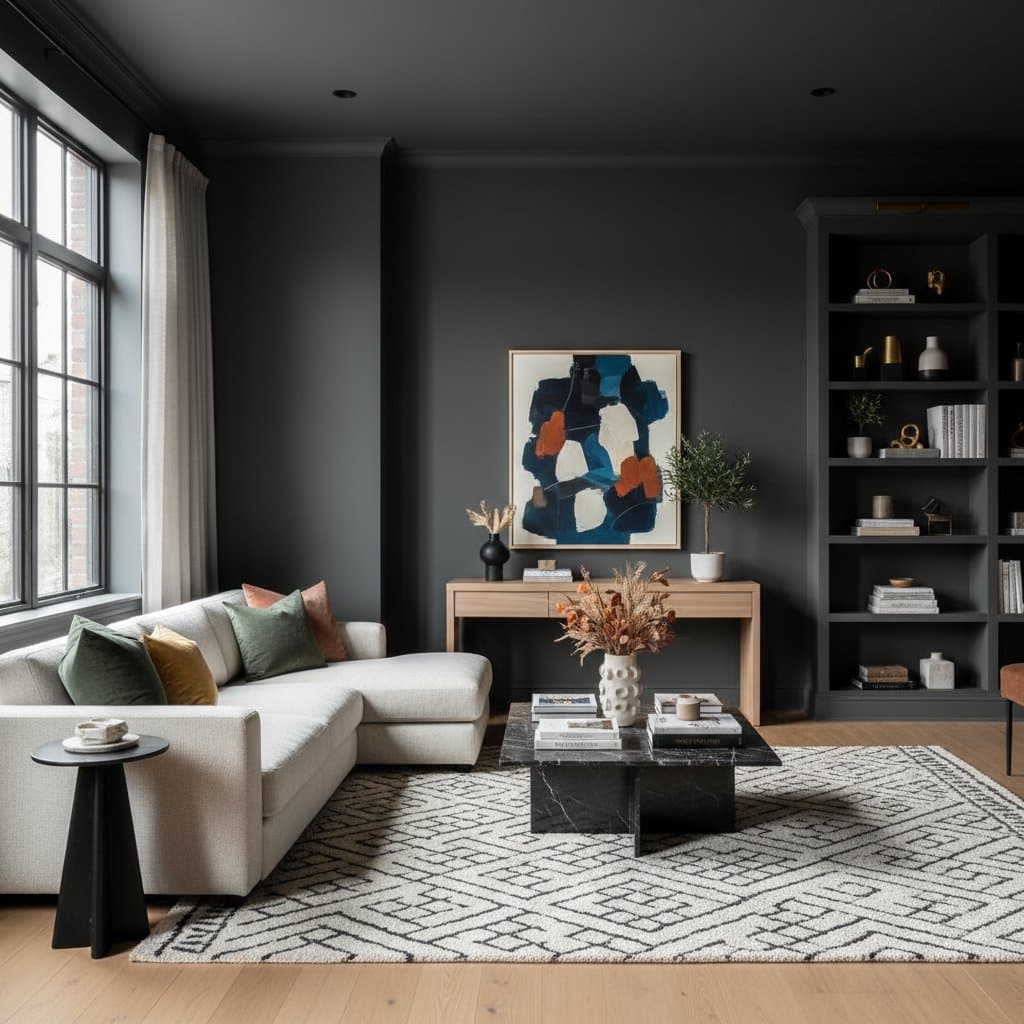
Understanding the Moody Paint Trend in Home Sales
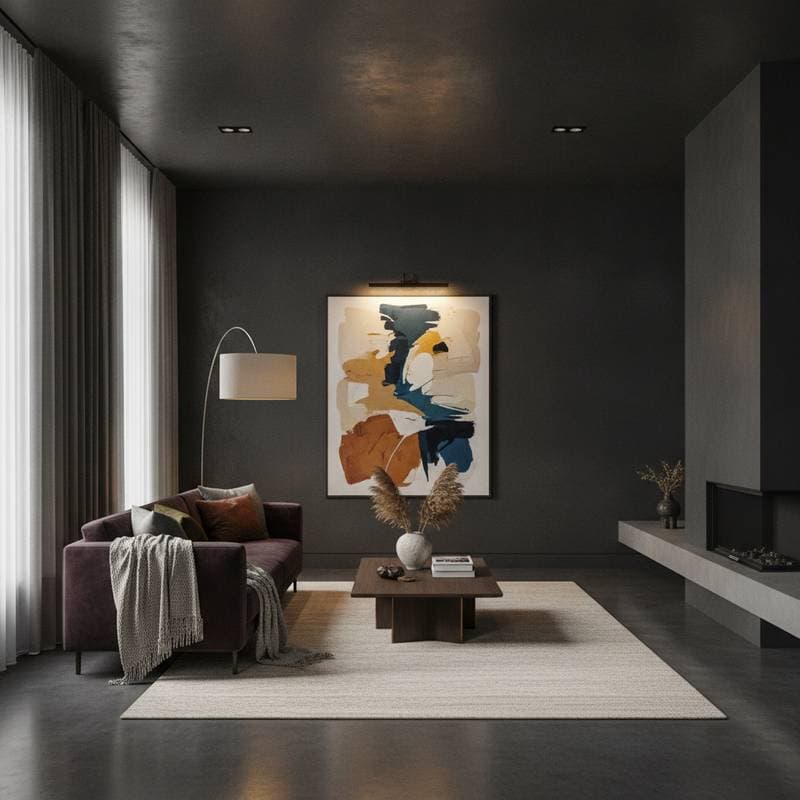
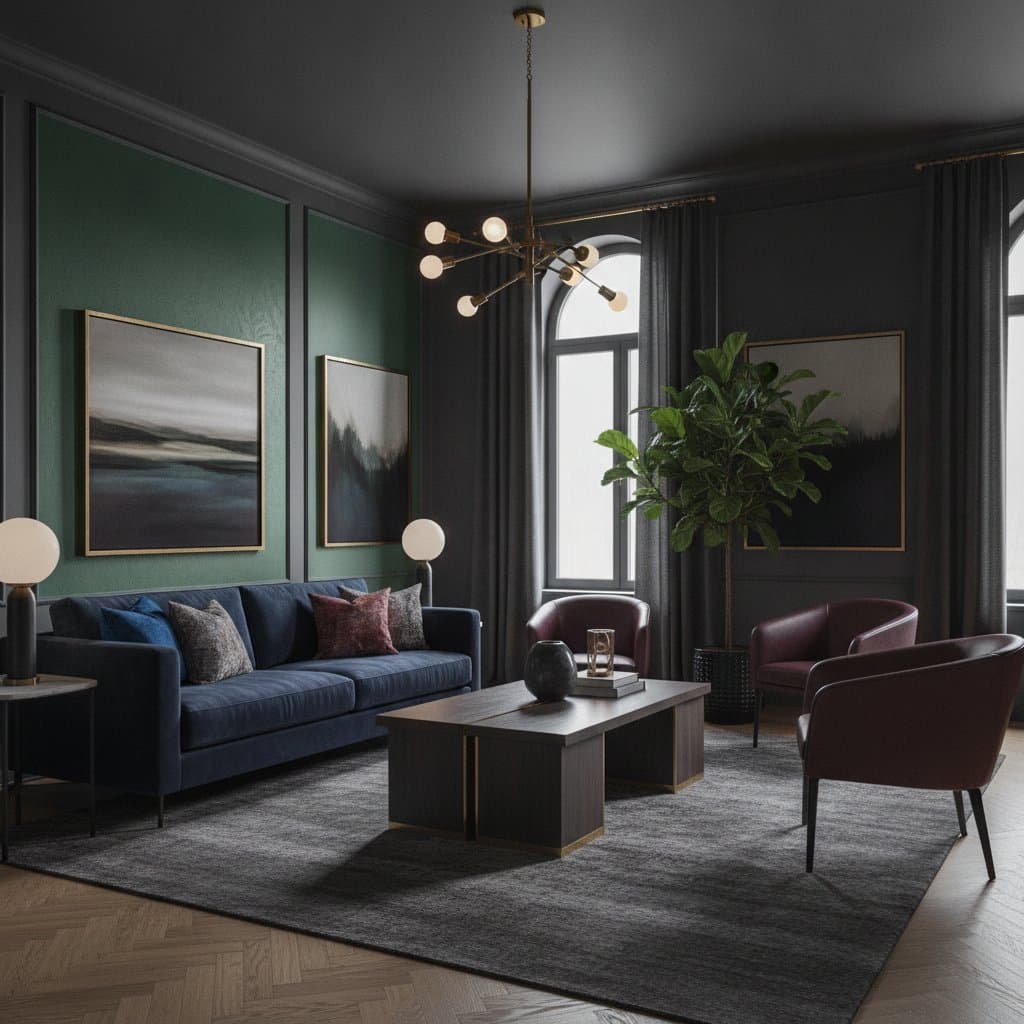
Dark paint colors have evolved beyond niche decor choices. Real estate professionals observe that interiors with deep, moody tones often attract offers sooner than those featuring light neutrals. This change reflects a broader preference for spaces that exude luxury and intentional design. Prospective buyers respond positively to such environments.
Homeowners preparing to list their property face a pivotal decision: whether to incorporate dark walls. The recommendation favors selective application in suitable areas, paired with appropriate finishes. This approach maximizes appeal without overwhelming the space.
The following sections outline the trend's essentials, associated expenses, color varieties, application methods, alternative techniques, return on investment, and common inquiries.
Painting Cost Overview
Professional painting services typically charge between $2.50 and $6.00 per square foot nationwide.
For a standard living room or primary bedroom, expect costs from $1,200 to $2,800.
Projects involving expansive areas, intricate trim, or built-ins may climb to $4,000.
Several factors influence these figures:
-
Quality of paint, including pigment intensity for even coverage
-
Existing wall surface conditions, such as the need for repairs or primers
-
Structural elements like ceiling heights and required coat numbers
-
Regional variations in labor rates
-
Selected finish, from matte to satin
Dark shades demand additional coats for opacity, extending labor duration. Premium paints with superior pigments justify higher upfront costs through durability and reduced maintenance.
Exploring Dark Paint Color Families
Dark hues span multiple categories, each evoking unique atmospheres and complementing specific architectural elements.
Charcoal and Graphite
These options feature cool undertones that harmonize with metallic accents, glass surfaces, and concrete finishes. They suit contemporary residences or open loft configurations.
Navy and Deep Blue
Such colors instill serenity and assurance. Ideal for bedrooms, home offices, or dining areas, they pair effectively with warm woods and brass hardware.
Forest Green and Olive
These earthy tones promote a sense of stability. They enhance traditional homes or rooms with stone elements and warm flooring materials.
Espresso and Chocolate Brown
Rich and inviting, these shades add depth. They fit well in libraries, dens, or spaces adorned with ornate trim.
Black and Near-Black
Offering stark contrast and intensity, these work in brightly illuminated areas or as focal accent walls.
Plum and Aubergine
Subtle yet elegant, these introduce nuanced shifts. They elevate formal settings or compact powder rooms.
Finishes vary by application: opt for flat on broad walls and satin on trim for subtle sheen.
Essential Application Steps
Follow these steps to achieve professional results.
-
Prepare the area by relocating furniture, detaching wall plates, and protecting floors with drop cloths.
-
Clean surfaces thoroughly using a mild soap solution to eliminate dust, oils, and residues.
-
Repair imperfections by filling holes, sanding for smoothness, and priming affected spots.
-
Apply a base primer, tinting it to match the dark color for better adhesion when transitioning from lighter shades.
-
Edge the perimeter with an angled brush, covering corners, ceilings, and trim lines precisely.
-
Roll larger areas using consistent, overlapping strokes to maintain a uniform wet edge.
-
Allow complete drying before adding subsequent coats.
-
Evaluate coverage under varied lighting conditions and address any inconsistencies.
-
Finalize by removing masking tape, reinstalling hardware, and ensuring proper ventilation.
Ultra-deep colors or glossy finishes might necessitate a third coat for full saturation.
Strategic Alternatives to Full Dark Walls
For those hesitant about comprehensive dark applications, consider these moderated approaches.
-
Select an accent wall to draw attention without diminishing overall room scale.
-
Implement two-tone designs, such as dark lower sections divided by wainscoting from lighter uppers.
-
Apply deep tones to trim elements like doors, frames, and windows while maintaining neutral walls.
-
Incorporate dark textured wallpapers, including grasscloth varieties, for added dimension and tactile interest.
These methods reduce both time and material expenses while delivering comparable stylistic benefits.
Investment Return and Market Impact
Agents frequently note accelerated sales for properties showcasing dark, curated interiors in prominent zones like living and dining rooms.
A thoughtful dark scheme imparts substance and personality, leading buyers to perceive bespoke craftsmanship amid standard features.
Key outcomes include:
-
Properties with integrated moody palettes achieving 2 to 4 percent higher sale prices.
-
Feature rooms in dark tones reducing listing durations significantly.
Success hinges on equilibrium: combine dark walls with pristine trim, pale floors, and minimalistic staging to avoid heaviness.
Frequently Asked Questions
Does dark paint diminish room size?
It may in low-light or low-ceiling environments. Counter this with brighter trim and elements that reflect light, preserving spaciousness.
Which areas gain the most from moody shades?
Prioritize living rooms, dining spaces, bedrooms, and powder rooms. Well-lit, open layouts accommodate dark tones effectively.
What finish suits dark walls best?
Matte or eggshell variants conceal flaws and provide a velvety appearance. Reserve high-gloss for intentional reflective effects.
Is dark paint suitable for compact rooms?
Absolutely, provided lighting is managed and furnishings remain streamlined. It fosters intimacy and purpose.
How to select an ideal dark shade?
Test multiple samples directly on walls. Assess their appearance across natural and artificial illumination prior to final selection.
Implementing Moody Interiors for Sale
Embracing dark paint emphasizes deliberate style over mere aesthetics. Executed properly, it transforms ordinary spaces into ones that feel curated and inviting.
Begin with trial applications in select rooms, selecting hues that align with current floors and fixtures. Maintain warm, diffused lighting to enhance the palette.
Engage certified painters for flawless execution, as precision in edges and coverage influences first impressions.
Stage accordingly with pale upholstery, strategic mirrors, and lush plants to offset depth. This setup excels in photography, captivating style-conscious prospects.
Far from transient, dark walls represent a savvy update that highlights thoughtful enhancements. With meticulous planning, they distinguish your listing, expedite transactions, and endure beyond the sale.
Secure paint samples, evaluate finish options, and obtain estimates from at least three qualified professionals to proceed confidently.