The Appeal of Moody Kitchens: Unlocking 11 Percent More Resale Value
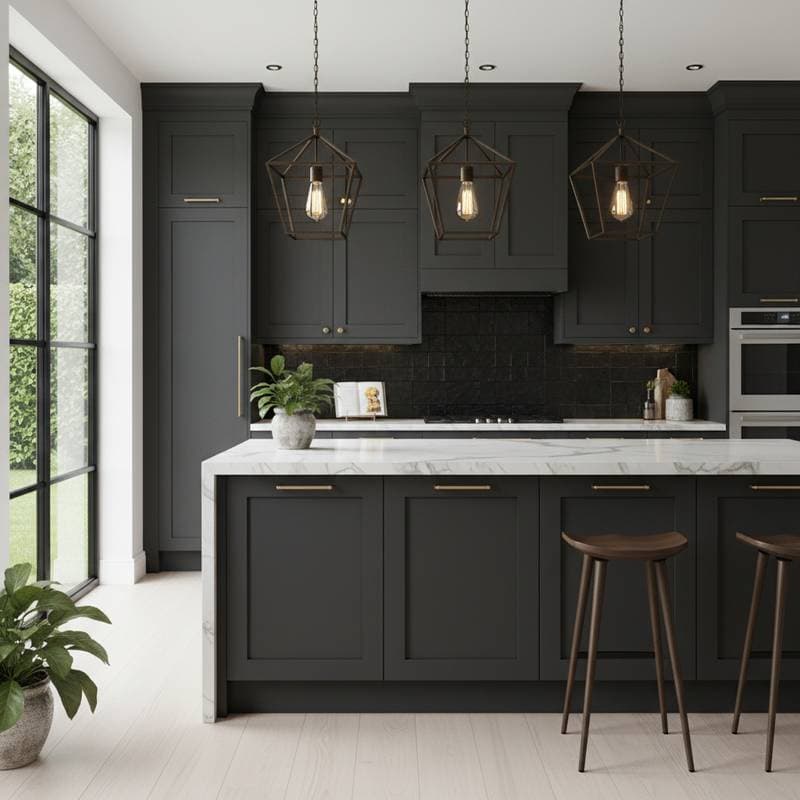
A kitchen featuring dark cabinets often commands higher attention from buyers, potentially increasing the home's resale value by approximately 11 percent. This uplift stems from the sophisticated contrast dark tones provide against lighter elements, evoking a sense of modern luxury. When integrated with thoughtful lighting and complementary finishes, such kitchens not only enhance daily living but also accelerate sales in competitive markets.
Real estate trends indicate that properties with moody kitchens close deals faster than those with traditional light designs. Buyers associate dark cabinetry with durability and contemporary taste, perceiving less visible wear over time. To maximize this benefit, focus on balanced illumination that highlights the richness of the finishes without overwhelming the space.
Key Cost Considerations for Dark Cabinet Transformations
Budgeting for dark cabinets involves evaluating existing infrastructure, selected materials, and necessary labor. Costs vary based on the scope of the project, from simple refinishing to complete overhauls. Understanding these elements helps homeowners plan effectively and avoid unexpected expenses.
Material Options and Pricing
Solid wood cabinets, prized for their longevity, range from $250 to $400 per linear foot when stained in deep shades. These materials absorb color evenly, minimizing the appearance of grain inconsistencies. In contrast, thermofoil or laminate alternatives cost between $120 and $200 per linear foot, offering affordability while mimicking high-end aesthetics through precise dark finishes.
Dark stains penetrate wood deeply, requiring fewer applications than paints, which demand multiple coats for opacity. Select paints formulated for cabinets to ensure adhesion and resistance to daily use. Factor in an additional 10 to 15 percent for premium dark hues that resist fading under kitchen conditions.
Finishing and Preparation Expenses
Professional painting services charge $40 to $60 per linear foot, covering surface preparation and application. Refacing, which updates doors and veneers while retaining box frames, costs $80 to $100 per linear foot. Matte dark finishes necessitate two primer layers to eliminate streaking, adding to prep time and material needs.
High-gloss options, though striking, require specialized equipment for flawless results. Allocate time for drying between coats, typically 24 hours per layer. These investments pay off in a polished look that elevates perceived quality.
Hardware, Lighting, and Ancillary Costs
Updating hardware like pulls and hinges adds $300 to $800 for a standard kitchen. Choices in brushed brass or matte black complement dark cabinets, enhancing tactile appeal. Opt for soft-close mechanisms to boost functionality and buyer interest.
Lighting upgrades, essential for countering the depth of dark surfaces, range from $500 to $2,000. Install under-cabinet strips or recessed fixtures to create even illumination. These elements prevent the space from feeling enclosed, instead promoting an inviting atmosphere.
Permits rarely apply to cosmetic changes like painting or refacing, but full replacements might need electrical or plumbing approvals, costing $100 to $300. Disposal of old materials averages $200 to $400, including eco-friendly hauling services. Always verify local regulations to streamline the process.
DIY Approaches Versus Professional Installation
Homeowners can tackle certain aspects of a dark cabinet update independently, saving on labor while gaining hands-on experience. However, the complexity of achieving professional-grade results often favors expert involvement. Assess your skill level and project scale before deciding.
Suitable DIY Projects
Refinishing structurally sound cabinets through painting or staining suits DIY efforts. Begin by removing doors and hardware, then sand surfaces to create a smooth base. Use a paint sprayer for even coverage on dark colors, applying thin layers to build depth without drips.
Swapping hardware and adding basic lighting fixtures also works well at home. Gather tools like sanders, rollers, and a respirator for safety. Allow ample drying time between coats to prevent adhesion issues.
Potential pitfalls include uneven application or premature peeling if preparation skips priming. Test finishes on inconspicuous areas first. With careful execution, DIY methods deliver satisfying transformations at lower costs.
Scenarios for Professional Expertise
Opt for contractors when undertaking refacing or full replacements, as these demand precise measurements and alignment. Electrical upgrades for new lighting circuits require licensed electricians to ensure code compliance. Dark lacquer or glossy applications benefit from spray-booth environments to avoid imperfections.
Signs that signal professional help include warped doors, moisture damage, or unstable frames. A skilled carpenter provides warranties and guarantees durability. Compare bids from at least three specialists, reviewing portfolios of similar dark cabinet projects.
Professionals handle logistics like material sourcing and cleanup, reducing homeowner stress. Their work often yields higher resale returns due to superior craftsmanship. Invest in this route for complex kitchens or when time constraints apply.
Long-Term Maintenance for Dark Cabinetry
Dark cabinets conceal spills effectively but attract dust and smudges more noticeably than lighter counterparts. Regular upkeep preserves their elegance and protects the investment. Establish routines that integrate seamlessly into household tasks.
Clean surfaces weekly using a soft microfiber cloth dampened with a gentle, pH-neutral cleaner. Steer clear of abrasive products that could scratch or dull the finish. For stubborn spots, a mixture of warm water and mild soap suffices without residue buildup.
Reapply a protective topcoat or wax every three to five years, depending on traffic levels. Tighten hardware screws annually to maintain alignment. These steps extend the life of the cabinets, ensuring they remain a focal point for years.
Warranty Protections
Refinishing services typically offer one- to three-year warranties on workmanship. Custom installations extend to five to ten years for structural integrity. Document all details, including product specs and service dates, to support claims or demonstrate quality during resale.
Review warranty terms for coverage on fading or chipping. Extended plans may include maintenance kits. These assurances provide peace of mind, reinforcing the value of quality workmanship.
Market Dynamics and Resale Advantages
Data from recent real estate analyses reveals that kitchens with dark cabinets outperform light-toned equivalents in sale speed and price. The bold aesthetic signals sophistication, appealing to buyers seeking updated, low-maintenance spaces. This trend holds particularly in urban settings where contemporary designs dominate.
The average value increase reaches 11 percent over standard light kitchens, with greater impacts in mid- to high-end properties. Balanced lighting and neutral surroundings amplify these gains, creating a cohesive, luxurious vibe. Suburban markets show success with mixed dark and light elements for broader appeal.
If your kitchen features neutral counters and flooring, introducing dark cabinets refreshes the palette without extensive renovations. Consult local appraisers to quantify potential uplift based on neighborhood comparables. This strategic update positions the home favorably in listings.
Essential Safety Measures During Installation
Prioritize safety to prevent accidents in the kitchen workspace. Disconnect power to nearby outlets before any sanding or spraying activities. Protect floors and counters with durable drop cloths to minimize slip hazards from dust or spills.
Wear protective goggles and a respirator mask when handling fine particles or fumes. Ensure adequate ventilation through open windows or exhaust fans. Store paints, solvents, and tools in secure, flame-free areas to avoid ignition risks.
Follow manufacturer guidelines for product use, especially with dark finishes that may involve volatile compounds. Keep a first-aid kit accessible and work in well-lit conditions. These precautions safeguard health and maintain project efficiency.
Steps to Implement Your Dark Cabinet Upgrade
Transforming your kitchen with dark cabinets requires deliberate planning to align with your home's style and budget. Begin by evaluating the current layout to identify opportunities for enhancement. This approach ensures the final result enhances both functionality and marketability.
-
Measure linear footage and document existing lighting with photographs taken at different times of day.
-
Sample two to three dark shades, observing how they interact with your space's natural and artificial light.
-
Inspect cabinet boxes for salvageability, checking for damage that might necessitate replacement.
-
Obtain quotes from multiple professionals, specifying your desired finish and hardware preferences.
-
Schedule the project during off-peak seasons to secure better rates and minimize disruptions.
-
Post-installation, monitor the space for adjustments, such as additional lighting tweaks.
By following these steps, you create a moody kitchen that not only boosts resale value but also enriches everyday experiences. The investment in dark cabinetry yields lasting returns through heightened appeal and practical durability.