Aged Brass Fixtures: Increasing 2025 Home Values by 6%
Aged brass fixtures gain popularity among homeowners and interior designers for their inviting warmth, enduring aesthetic, and strong influence on resale prices. Real estate experts note that properties featuring unified aged brass elements, such as hardware and lighting, tend to attract offers more quickly and at higher amounts. A thoughtfully implemented update, utilizing premium materials and a harmonious design approach, typically elevates a home's market value by approximately six percent.
This resource outlines the essentials of aged brass fixtures, including their characteristics, pricing structures, ideal placement areas, and value-enhancing potential. It also addresses fundamental installation procedures, care recommendations, and location-specific considerations that affect outcomes.
Cost Overview
Pricing for aged brass fixtures fluctuates based on the item category and manufacturer, with a nationwide average spanning $80 to $600 per unit.
- Standard options: $120 to $350 for faucets, cabinet handles, or light fixtures
- Premium or bespoke designs: $500 to $1,200 per piece
- Volume purchases of basic models: $60 to $100 each
Several elements determine the final expense:
- Quality of the finish and patina application, whether through chemical treatments or manual burnishing
- Underlying material, such as solid brass compared to steel or zinc with plating
- Specific fixture design and dimensions
- Manufacturer prestige and included guarantees
- Labor requirements for installation, influenced by site accessibility
A comprehensive hardware overhaul for an entire residence generally requires $2,000 to $4,500 in combined materials and professional services. For kitchen updates that incorporate coordinated pulls, faucets, and overhead lights, budgets often fall between $800 and $1,500.
Varieties and Applications
Aged brass fixtures appear in diverse finish variations and functional roles. Distinctions primarily involve color depth, production techniques, and suitability for different environments.
Finish Variations
- Antique Brass: Features a rich, golden-brown hue with pronounced aging effects. This suits classic or period-inspired interiors.
- Brushed Brass: Presents a gentle, matte texture for a subdued sheen. It complements modern kitchen settings effectively.
- Living Brass: Lacks a protective seal, allowing natural darkening through exposure. Homeowners who appreciate evolving surfaces find this appealing.
- Lacquered Brass: Includes a clear coating to maintain consistent coloration. It performs well in moisture-prone zones like bathrooms or seaside locations.
Fixture Classifications
- Plumbing Components: Encompass faucets, showerheads, and fillers for tubs. These deliver prominent visual enhancements in wet areas.
- Cabinet Accessories: Include knobs, pulls, and hinges. They provide an economical method to revitalize dated cabinetry.
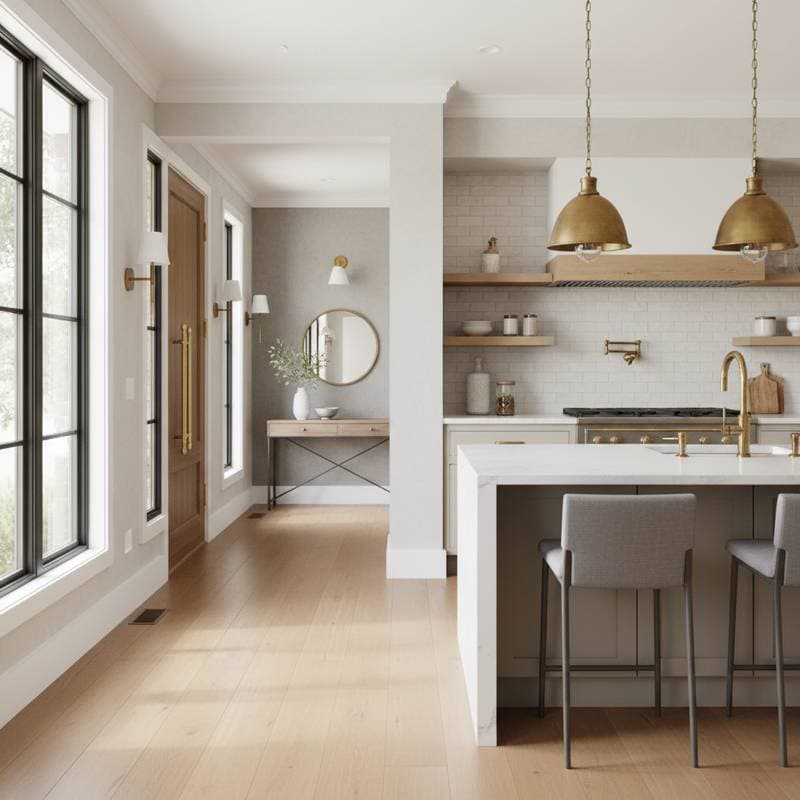
- Illumination Elements: Cover pendants, wall-mounted lights, and chandeliers. Such pieces create striking focal points in expansive rooms.
- Entry and Interior Hardware: Consists of knobs, levers, and hinges for doors. These elements unify the overall design scheme.
To achieve a seamless appearance, maintain uniformity in tone and luster across selected items, preventing visual discord.
Installation Fundamentals
Updating a Faucet or Similar Fixture
- Isolate utilities. Locate and close the relevant water valve or electrical breaker to ensure safety.
- Safeguard adjacent areas. Drape towels over counters and basins to avoid surface damage.
- Detach the existing unit. Employ adjustable wrenches to loosen connections and remove residual sealant.
- Examine infrastructure. Review supply lines, valves, or electrical wiring for signs of deterioration.
- Position the replacement. Align precisely and fasten with supplied components.
- Apply sealants. Use thread tape or silicone caulk to create a secure, leak-proof seal.
- Restore utilities. Gradually reopen water flow or power sources.
- Verify functionality. Check for drips or electrical issues, adjusting connections if necessary.
- Clean the surface. Buff lightly with a microfiber cloth to eliminate smudges or residue.
For more complex tasks, such as electrical lighting installations, consult a licensed professional to comply with safety standards.
Comparable Choices
If aged brass proves too golden in tone or exceeds budget constraints, evaluate these alternatives:
- Brushed Nickel: Delivers a neutral, cool finish that pairs easily with other elements at a reduced price point. It lacks the distinctive personality of brass.
- Matte Black: Offers a sleek, bold contrast that conceals marks well, though the coating may wear in high-use areas.
- Oil-Rubbed Bronze: Provides comparable depth with a subdued, earthy shade, frequently at a more accessible cost.
- Polished Chrome: Maintains a clean, reflective quality that endures, yet it highlights water stains prominently.
Each option carries unique upkeep demands and stylistic influences. Aged brass stands out for its harmonious blend of sophistication and inviting glow.
Return on Investment and Market Appeal
Industry observers confirm that strategic applications of coordinated aged brass elements can enhance property worth by about six percent. This benefit arises from the unified visual narrative, elevated craftsmanship perception, and broad design versatility.
Areas yielding the strongest returns:
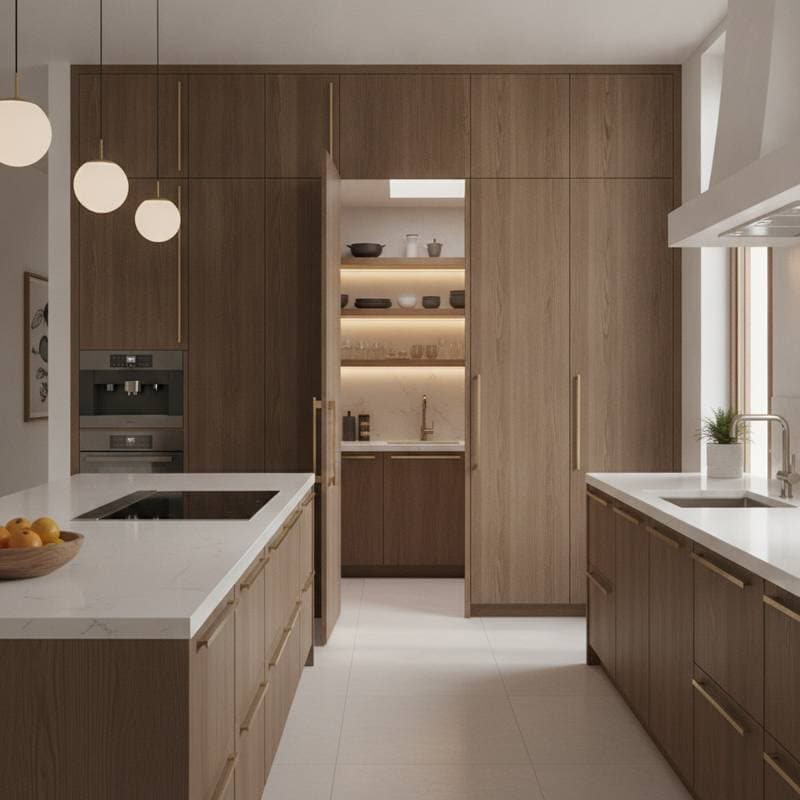
- Kitchen essentials like faucets, drawer pulls, and suspended lighting
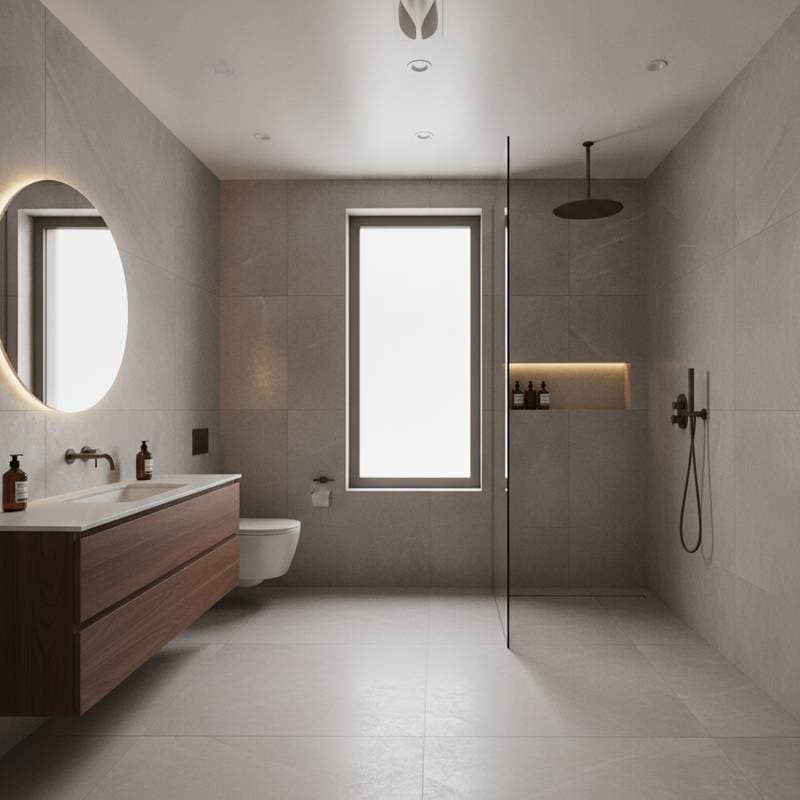
- Bathroom vanities with matching hardware and framed mirrors
- Front entry illumination and threshold hardware
Prospective buyers favor polished, integrated designs. Overly eclectic metal combinations dilute the impact. Pair aged brass with understated cabinetry, natural stone surfaces, and muted paint tones to improve listing photographs and accelerate sales.
Maximize gains by selecting genuine solid brass over superficial coatings and opting for clean, versatile forms rather than elaborate detailing.
Frequently Asked Questions
Do aged brass fixtures tarnish quickly?
Aged brass naturally acquires a patina with time. Lacquered versions resist change more effectively, whereas living finishes evolve rapidly. Consistent surface wiping preserves uniformity.
Is it advisable to combine aged brass with additional metals?
Yes, provided the pairings remain deliberate. Integrate it sparingly with matte black or brushed nickel for accents. Limit variety within a single room to sustain cohesion.
Does solid brass justify the higher price?
In most cases, it does. Solid brass endures longer, withstands corrosion, and retains its character through aging. Plated alternatives risk delamination or discoloration.
Must aged brass receive regular polishing?
No. The intentional aged appearance constitutes its charm.
Will aged brass lose relevance over time?
Trends evolve, yet brass endures as a foundational material. Its radiant warmth adapts to both heritage and contemporary schemes, ensuring longevity.
Implementing Your Upgrade
Transitioning to aged brass fixtures represents a strategic enhancement that infuses spaces with subtle luxury. The finish introduces character and cohesion without dominating the palette. Consistent application across key areas conveys meticulous attention to detail, appealing to visitors and potential purchasers.
Consider extending the update to encompass lighting and passage hardware for comprehensive harmony. Source products from trusted suppliers that specify material details transparently. Review municipal regulations prior to modifying plumbing or electrical systems.
Aged brass transcends fleeting styles by merging heritage allure with everyday practicality. Applied judiciously, it elevates both the living experience and the home's economic potential.