Wine Cellars and Tasting Rooms Increase Home Value
Adding a wine cellar or tasting room raises a home value by 15 percent in many luxury markets. Buyers view these features as markers of quality construction and refined lifestyle preferences. The addition suits properties with surplus space and owners who collect wines or host gatherings.
A custom cellar fits within a basement, unused room, or new addition. A tasting room often adjoins the cellar to support entertaining and bottle display. These installations draw premium buyers and differentiate a listing from similar homes.
Project Cost Ranges
National averages for a combined wine cellar and tasting room fall between 20000 dollars and 80000 dollars. Most completed projects cost between 35000 dollars and 60000 dollars. Smaller basement conversions begin near 10000 dollars, while expansive climate controlled builds surpass 100000 dollars.
Costs rise or fall based on room size, insulation quality, racking materials, lighting choices, and regional labor rates. A design and construction team establishes a firm budget before work starts.
Advantages and Limitations
-
Increases resale appeal and buyer interest
-
Maintains proper storage conditions for wine collections
-
Supplies a distinctive space for entertaining
-
Reflects attention to craftsmanship and materials
-
Requires substantial initial investment
-
Demands consistent monitoring of temperature and humidity
-
Consumes usable floor area
-
Offers limited appeal to buyers without wine interests
Available Configurations
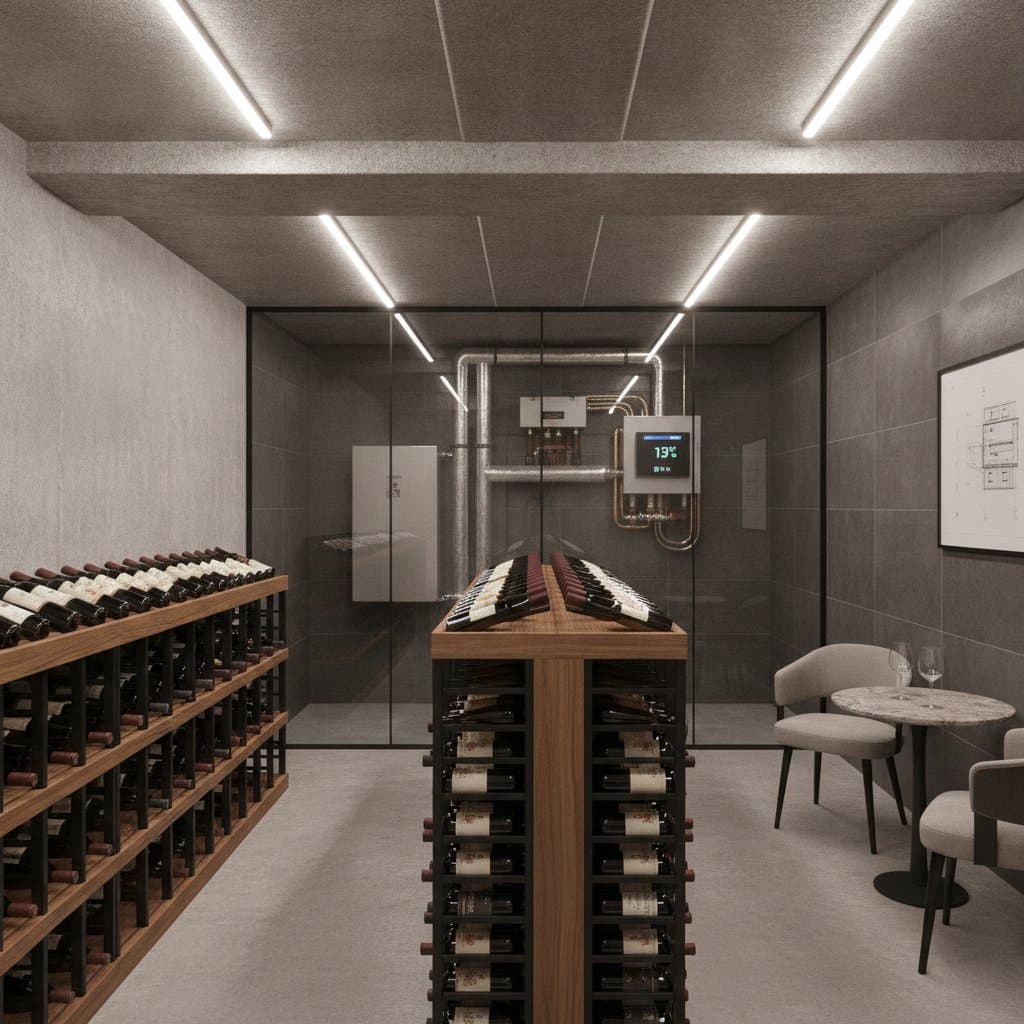
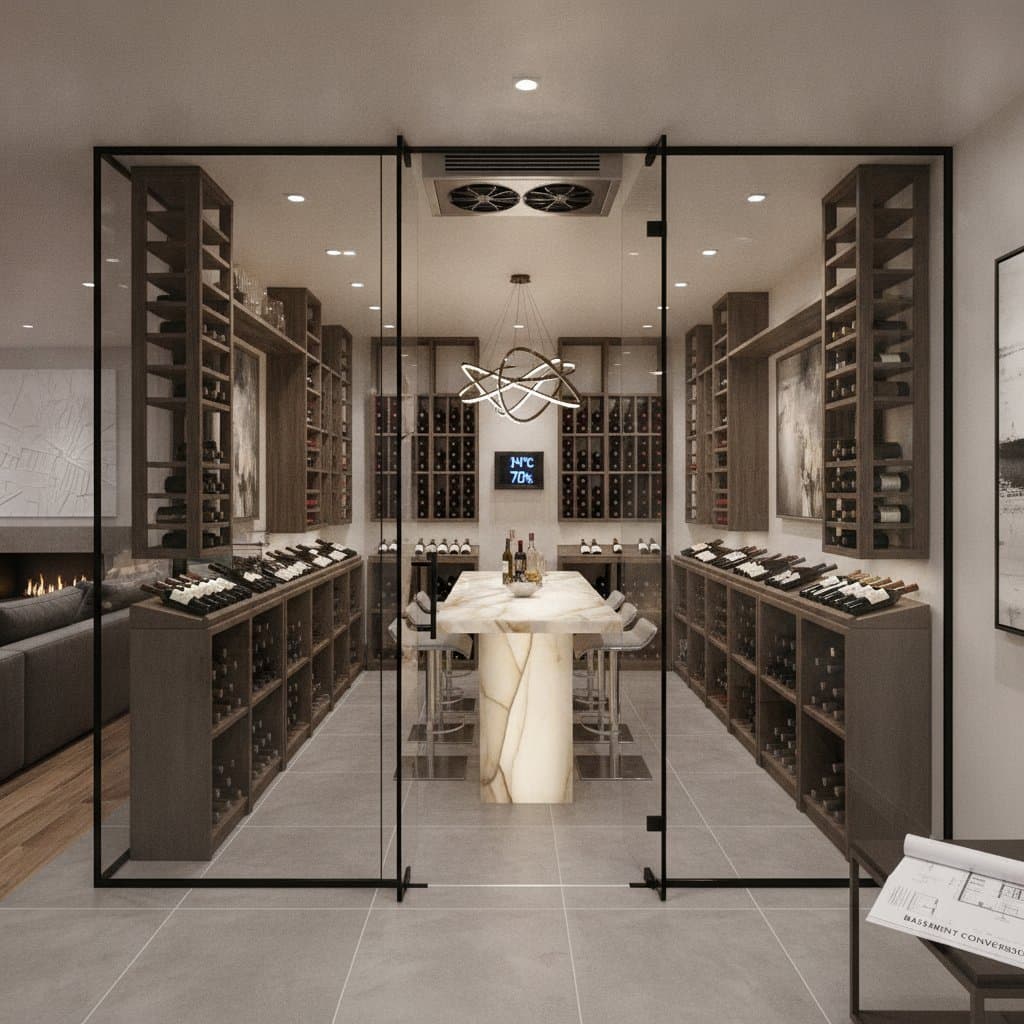
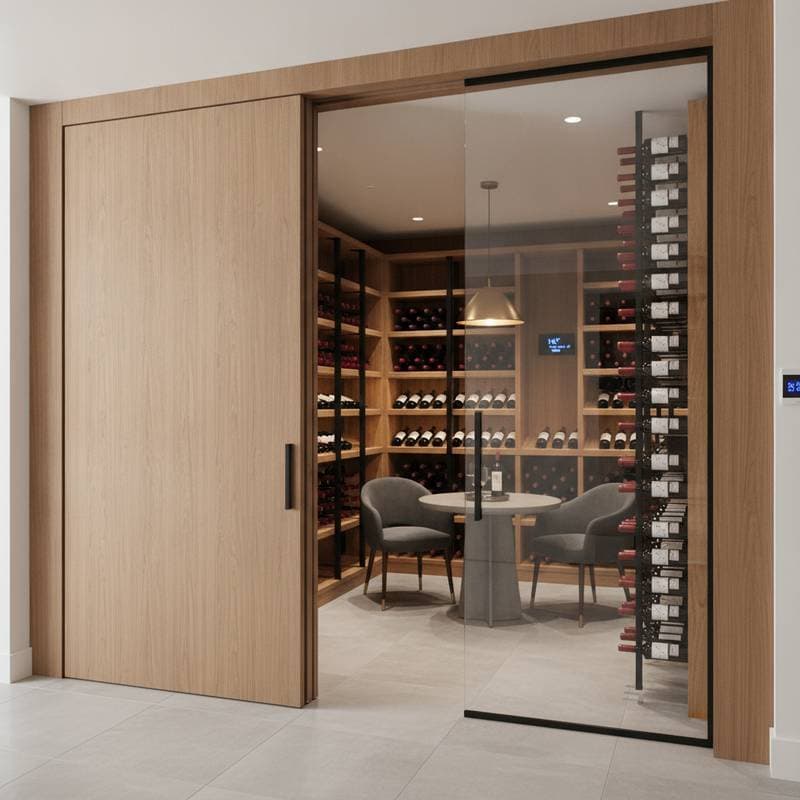
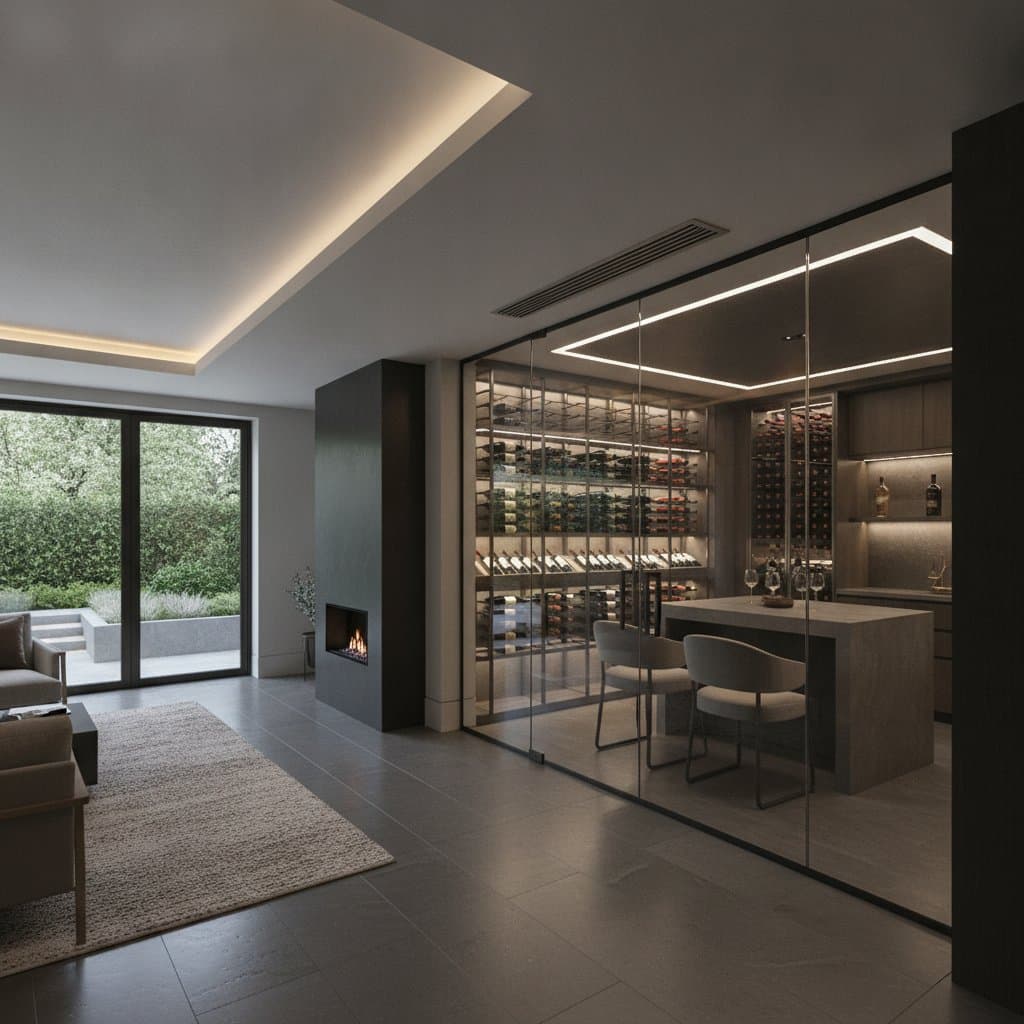
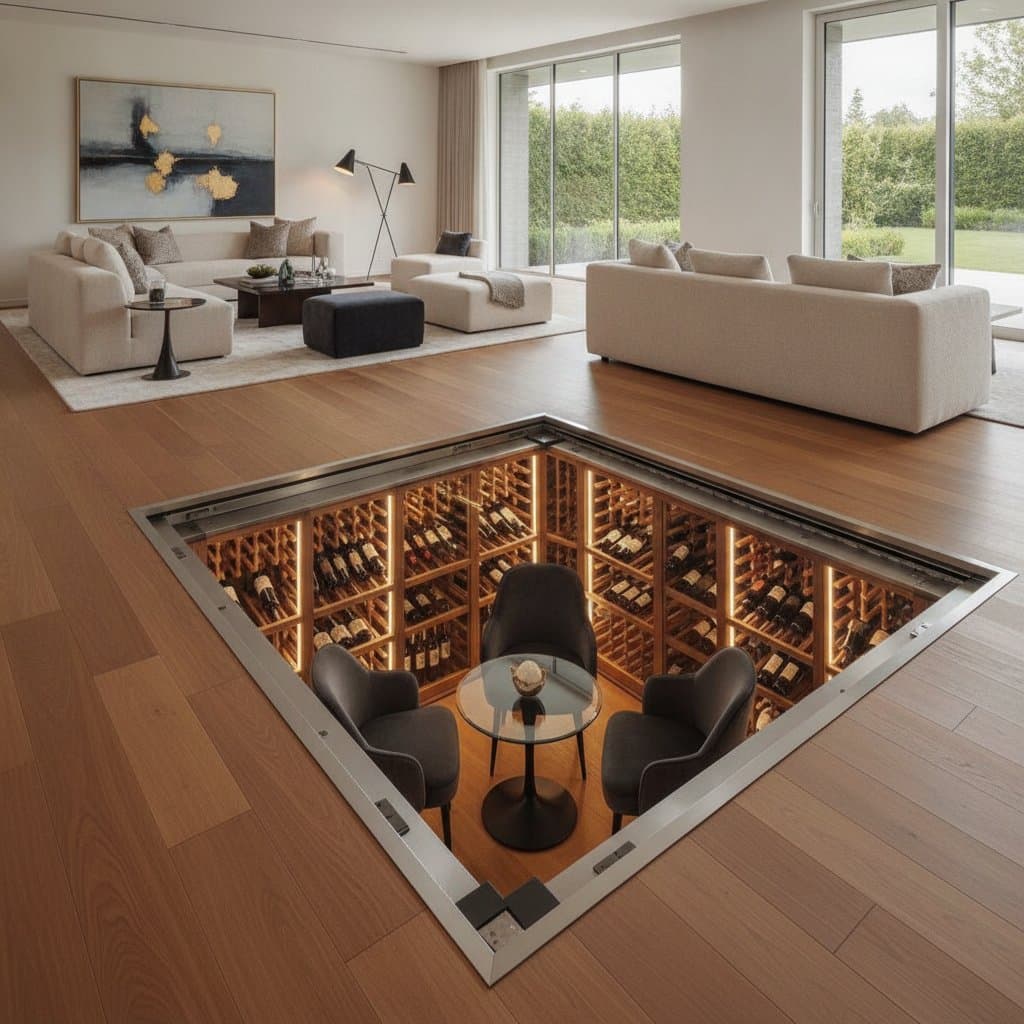
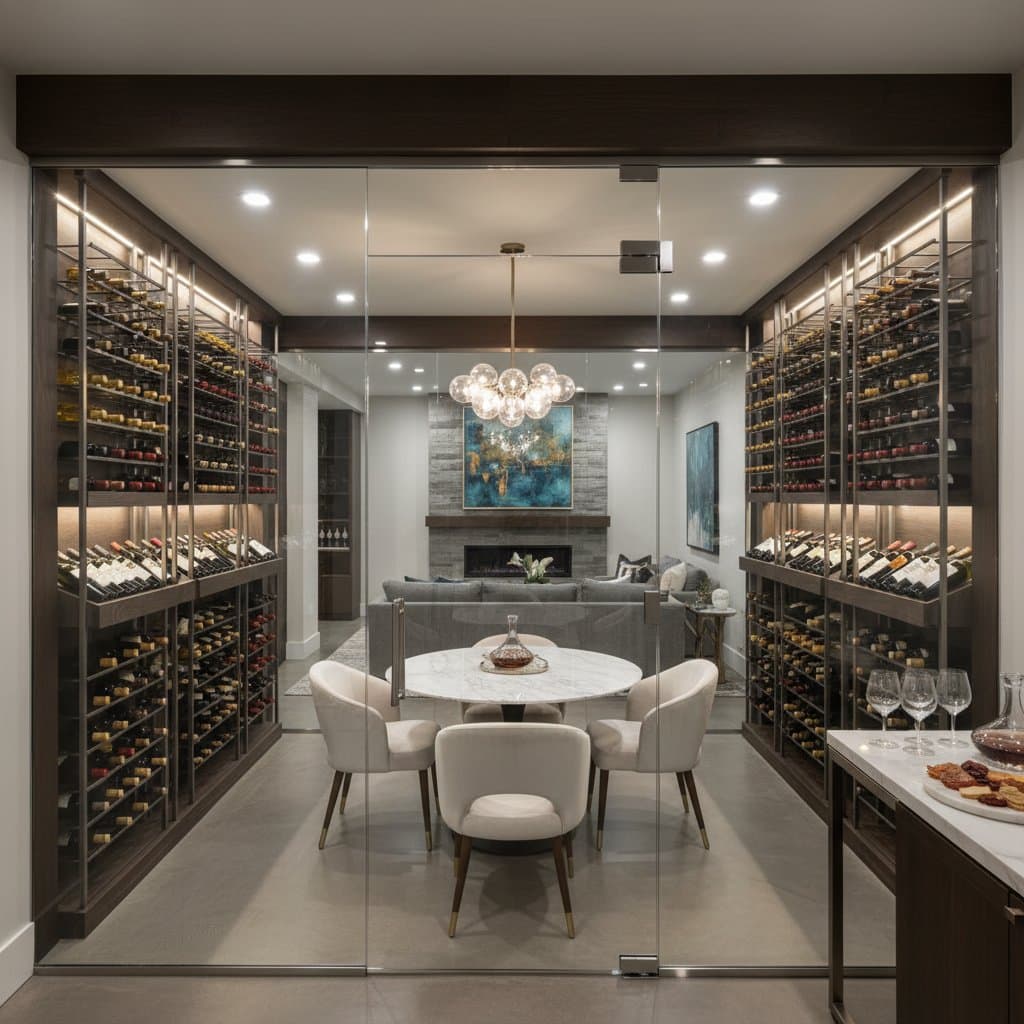
Basement cellars utilize existing space and maintain stable temperatures for extended storage. Walk in tasting rooms combine racking with seating and a serving counter. Under stair closets provide compact storage for smaller residences. Glass enclosed displays emphasize visual presentation near living areas. Dedicated additions allow full control over layout and finishes during a larger remodel.
Professional Installation versus Owner Projects
Owners with carpentry experience can complete basic racks or small closet conversions in 20 to 40 hours. These efforts carry risks of inadequate climate control and material waste. Larger rooms require licensed contractors to install vapor barriers, cooling systems, and electrical components correctly. Professional work protects long term durability and supports value retention.
Construction Sequence
- Assess available space and overall layout.
- Determine target bottle capacity and preferred style.
- Apply vapor barrier and insulation.
- Frame walls and route electrical lines.
- Integrate climate control and ventilation.
- Mount racking, shelving, and cabinetry.
- Install flooring, lighting, and finishes.
- Verify stable temperature and humidity levels.
- Organize bottles and establish maintenance records.
Ongoing Care and Durability
Check temperature and humidity readings each month. Clean surfaces quarterly and replace cooling unit filters annually. Most mechanical systems operate for 10 to 20 years with routine service. Wood and stone finishes endure for decades when kept in a dry, stable environment. Confirm that any modifications preserve existing home warranties.
Lower Commitment Alternatives
Stand alone wine refrigerators provide climate control without construction. Wall mounted racks add decorative storage but lack temperature regulation. Pantry conversions blend with kitchen areas yet offer reduced insulation. Outdoor sheds create unique storage yet face greater climate challenges.
Regional Considerations
Hot or humid climates require enhanced insulation and sealed doors. Colder regions may need supplemental heating. Local codes often mandate vapor barriers or specific electrical outlets near wet bars. Coastal locations benefit from corrosion resistant hardware. Review permit requirements before beginning work.
Value at Resale
A well executed wine cellar or tasting room contributes roughly 15 percent to home value in premium segments. Buyers regard the space as a lifestyle enhancement. Finished cellars accelerate sales and support stronger offers when the property already positions itself as high end.
Safety Measures
Install GFCI outlets near sinks or bars. Ensure adequate ventilation for cooling equipment. Route wiring through conduit when passing insulation. Prohibit open flames inside tasting rooms. Consult a licensed professional before altering load bearing structures.
Next Steps for Homeowners
Align the project with personal use patterns and long term ownership goals. Secure multiple bids from builders experienced in wine storage. Review completed work and references before signing contracts. A properly planned installation delivers both daily enjoyment and measurable equity growth.